



Is it right to limit the future of a boy or girl in the name of tradition? In some tribal areas of Pakistan, after a relationship or engagement is called off, both boys and girls face social pressure and various difficulties, while certain traditions also affect their decisions about the future.
In some tribal areas of Pakistan and parts of Afghanistan, particularly Paktia, traditions still exist that affect the lives of boys and girls after an engagement or arranged relationship is ended.
These traditions are generally observed in the context of family, honor, and tribal customs. However, in some cases, their impact extends to an individual’s education, employment, social life, and decisions about the future.
In our society, relationships between boys and girls are sometimes arranged at a very young age. Families mutually decide that a particular daughter will marry a particular son, even though the two may not be old enough at that time to make decisions about their own likes, dislikes, or future.
As they grow older, receive an education, and develop a better understanding of life, their opinions may change. A boy or girl may feel that the relationship is not suitable for them or that they want to make a different decision about their life. This raises the question of how the right of adults to have a say in decisions about their own lives should be respected.
In some tribal traditions, after a relationship is ended, a jirga may decide that the boy or girl cannot marry again within their own family, tribe, or area.
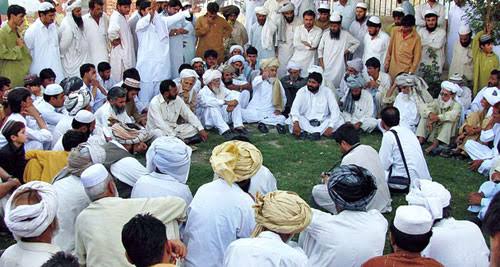
The situation and decisions of a jirga can vary depending on the area and the nature of the dispute. In some cases, Nanawati is performed, in which a sheep, money, or other items may be offered. If gold or other expenses were incurred during the engagement, the issue of returning them may also arise.
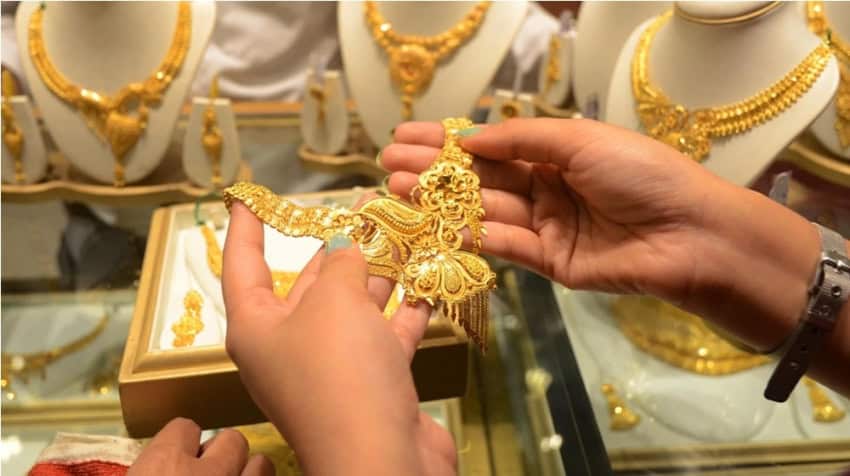
However, the problem does not end with these matters. After a relationship is ended, disputes between families, social pressure, and future marriage prospects can also be affected.
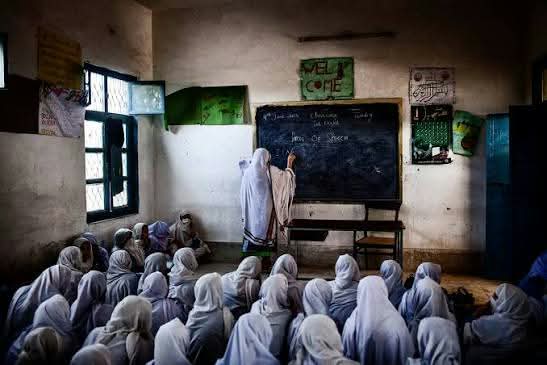
These circumstances affect both boys and girls, but in some cases, the difficulties faced by girls are more severe. They may face obstacles in continuing their education, finding employment, living a normal life within their family and society, or marrying again. They may also have to face questions, comments, and social pressure from people around them.

Also Read : How AI Is Reshaping Journalism: Between Technology and the Human Story
The important question is: If a relationship ends, why should its consequences affect a boy’s or girl’s entire life? If, after reaching adulthood, either person believes that they cannot be happy in the relationship, their opinion should also be given importance.

Marriage is an important decision in a person’s life, and the consent of both the boy and the girl is fundamental to it. Parents want a better future for their children, but alongside their concern and goodwill, it is also important to value their children’s own opinions and decisions about their future. This right should be equal for both sons and daughters.
It is often said that “a daughter’s consent is her parents’ consent.” Parents’ experience and advice are certainly important, but there is a difference between advice and consent. When making a decision about someone’s life, that person’s own opinion should not be ignored.
In Islam, consent is considered important for marriage. Therefore, after an engagement or relationship is ended, unnecessarily restricting a boy’s or girl’s education, employment, freedom, or future chances of marriage is an issue that needs to be considered from both social and religious perspectives. Cultural traditions have their own importance, but it is not correct to consider every tradition a religious obligation.
Pashtun society has many traditions that bring families together, promote mutual respect, and encourage people to support one another during difficult times. However, as society changes, there is also room to reconsider certain traditions, especially when their effects impact individuals’ futures and fundamental rights.
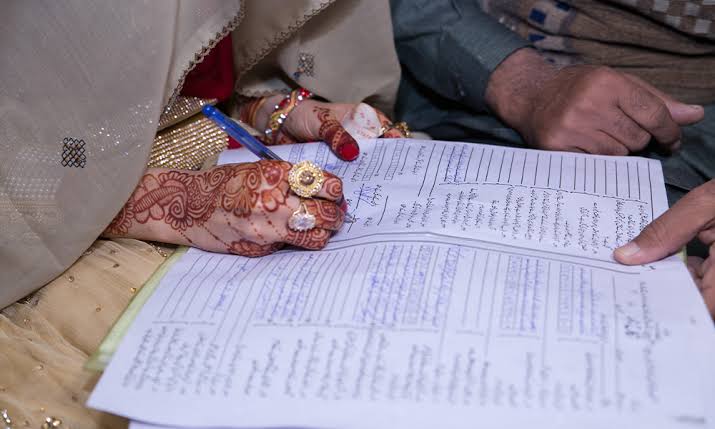
There is a need to create a balance between tradition and individual rights. The aim is not to eliminate any culture or tradition, but to ensure that following a tradition does not unnecessarily restrict an individual’s important life decisions.
The end of an engagement or relationship is certainly a difficult phase, but it should not mean that a boy’s or girl’s dreams, education, employment, and future opportunities are also restricted. Such matters should be resolved through mutual respect, understanding, and consent.
Traditions are part of a society’s identity, but it is also important to have a dialogue about them as society evolves. While preserving traditions that strengthen respect and relationships within families and society, attention can also be given to those aspects that negatively affect the lives and futures of young people.
Ultimately, the end of a relationship is not the end of life. It is important that, while maintaining respect for family honor and traditions, the consent, dignity, and future of both the boy and the girl are also given due importance.
Note: This article reflects the personal views of the author and does not necessarily represent the views of the organization.
.jpeg)
.png)
1.jpeg)

Comments
No comments yet. Be the first 🙂