


For coal miners who descend into the darkness beneath the earth, every day is a new test. To earn a few thousand rupees, these workers descend hundreds and sometimes thousands of feet underground, where the hope of keeping their families’ stoves burning exists alongside the constant risk of losing their lives. Coal mining is considered one of the world’s most difficult and dangerous professions, as even a moment of negligence can lead to a major disaster.
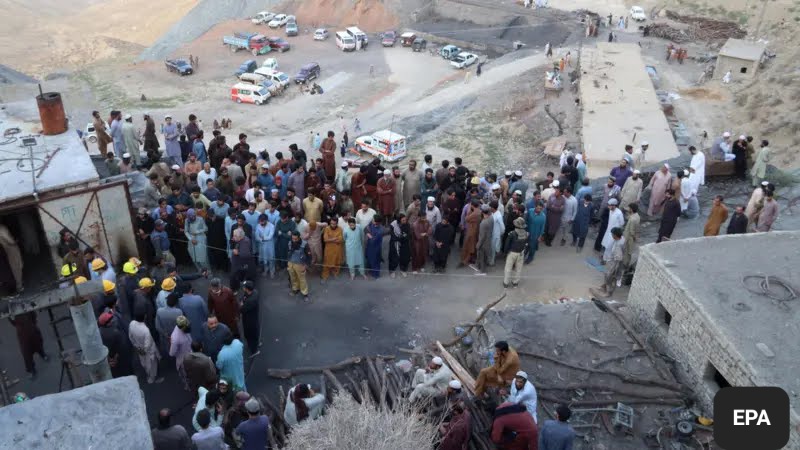
A recent accident at the Sardar Usman Jagizai Coal Company’s coal mine in Sor Range, on the outskirts of Quetta, Balochistan, has once again highlighted the dangers faced by miners and the hardships endured by their families.
According to the administration, an explosion occurred after gas accumulated inside the mine, resulting in the deaths of several miners. Thirty-six young men from Shangla were among those killed in the incident. Most of them were workers who had left their homes in search of employment and were working in coal mines far from their families in Balochistan.
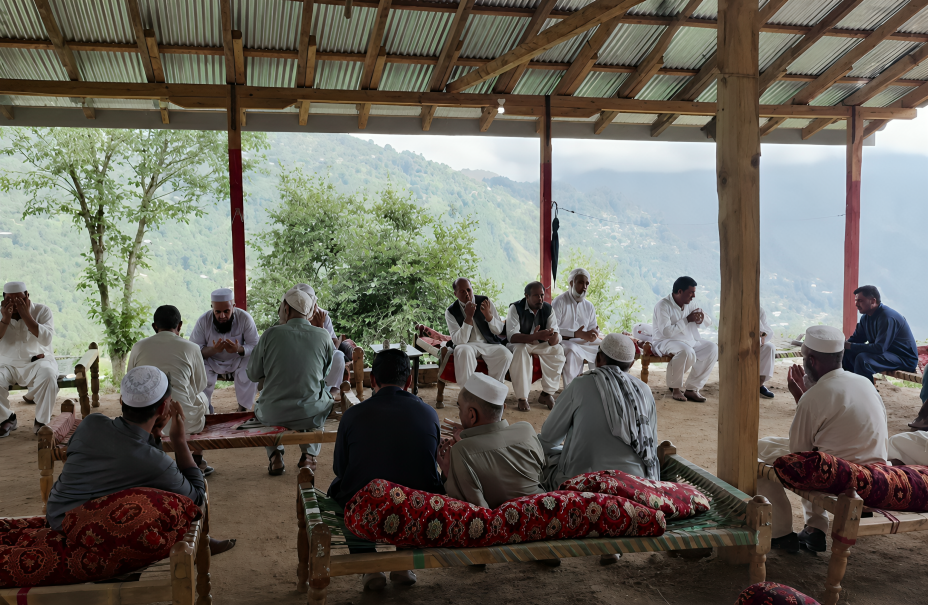
In several homes across Shangla, the tragedy replaced moments of happiness with mourning. In areas including Mian Kalay, coffins arrived in front of families who had been waiting to see their loved ones return home. Local residents say that due to limited employment opportunities in Shangla, a large number of young people turn to coal mining for a livelihood.
Local residents say employment opportunities in Shangla are extremely limited. As a result, many young people leave their education after matriculation or intermediate and are forced to work in coal mines in Balochistan. According to local residents, nearly 80 percent of young people in Shangla are associated with mining.
Residents of Mian Kalay in Shangla say the area has long been known for its connection with coal mining. Many young people from the area have been working in Balochistan’s coal mines for years, while numerous families have lost their breadwinners in mining accidents. According to locals, more than 500 widows of coal miners live in Mian Kalay, while hundreds of children have been orphaned.
The recent accident affected several families in Mian Kalay. Twenty-four of the miners killed in the incident belonged to the area. In some families, more than one member lost their life. Four members each from two families were killed, while three brothers from another family also died in the coal mine accident. These deaths were not merely a loss for a few families; they became a collective tragedy for the entire village of Mian Kalay.
The story of 17-year-old Sufyan, who was killed in the accident, also raises many questions. According to his family, Sufyan was the sole breadwinner of his household. After completing matriculation, he started working in a coal mine in Balochistan. Before that, he worked as a tailor, but the income was not enough to meet the family’s expenses. With his father suffering from poor mental health, the responsibility of supporting the household had also fallen on his shoulders. Driven by these circumstances, he travelled to Balochistan last month to work in the coal mine.

The family said that on the day of the accident, Sufyan was preparing to return to Shangla to find out about his matriculation results. However, before he could make the journey home, news of his death reached his family. A young boy, who had dreams of education, employment and a better future ahead of him, lost his life while shouldering the responsibility of supporting his family.
Shabbir was also killed in the same accident. He had recently appeared for his matriculation examination. For his family, the wait for his examination results turned into a grief they could never have imagined.
The death of a young man named Rafiq also left his family devastated. According to his relatives, he had been married for only 15 days. His wedding had taken place in his absence. He had travelled away for work with dreams of beginning a new chapter in his life and was due to return home on the day of the accident to meet his bride. Instead of welcoming him with celebrations, his family received his body for burial.
Also Read : HMC Fires Back at Dr Asif Shah, Calls Social Media Video Misleading
Meanwhile, the body of another coal miner who was killed last night in Shaharg, Harnai, Balochistan, was also brought to Shangla. He left behind five children—three daughters and two sons. One of his sons is eight years old, while the other is just two. Once again, a man who had travelled to Balochistan in search of work returned home, but not alive.
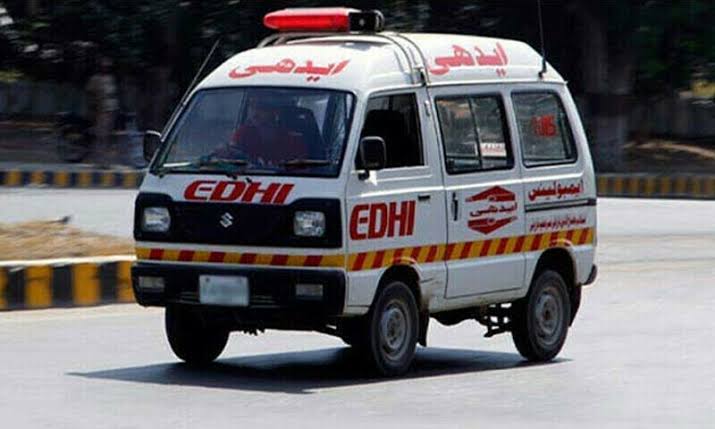
Following the accident, affected families and local residents also expressed serious concerns over the transportation of the bodies. Some relatives and local residents said they faced difficulties in bringing their loved ones’ remains home and that no ambulance service was provided. They said that in the intense heat, they were forced to transport the bodies on their own over the long journey back home.
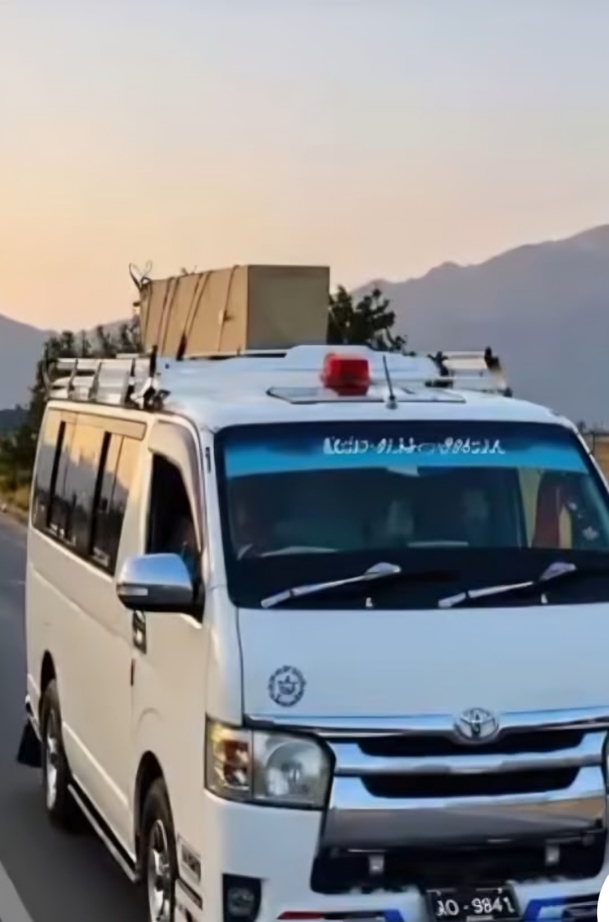
Local residents said the bodies were brought to Shangla on the roofs of passenger vans. The affected families expressed deep sorrow and anger over the situation, saying their loved ones should not have been treated this way. Relatives said that neither the Balochistan government nor the Khyber Pakhtunkhwa government provided the assistance they needed, including ambulances. As a result, they had to arrange the transportation of the bodies themselves and undertake the long journey to Shangla.
Local residents described the situation as an insult to the miners who lost their lives.
“Industries across the country run on the hard work of coal miners, yet the government could not even provide ambulances to take their bodies back to their homes,” local residents said.
Meanwhile, Fatima (a pseudonym), a woman from one of the affected families in Shangla, said her husband had already been facing severe financial difficulties. They have five children—four daughters and one son. Their eldest daughter is 12 years old.
“My husband was unemployed and deeply in debt. People were pressuring him to repay the loans. It was because of these circumstances that he started working in the mine. He lost his life in a coal mine last year. We received no assistance from the government. My husband had worked in the coal mine for only one month. Some of the people he owed money to forgave his debts, but some loans are still outstanding, and we will have to repay them,” Fatima said.
According to Muhammad, a miner from Shangla, many workers employed in coal mines are deprived of adequate safety facilities.
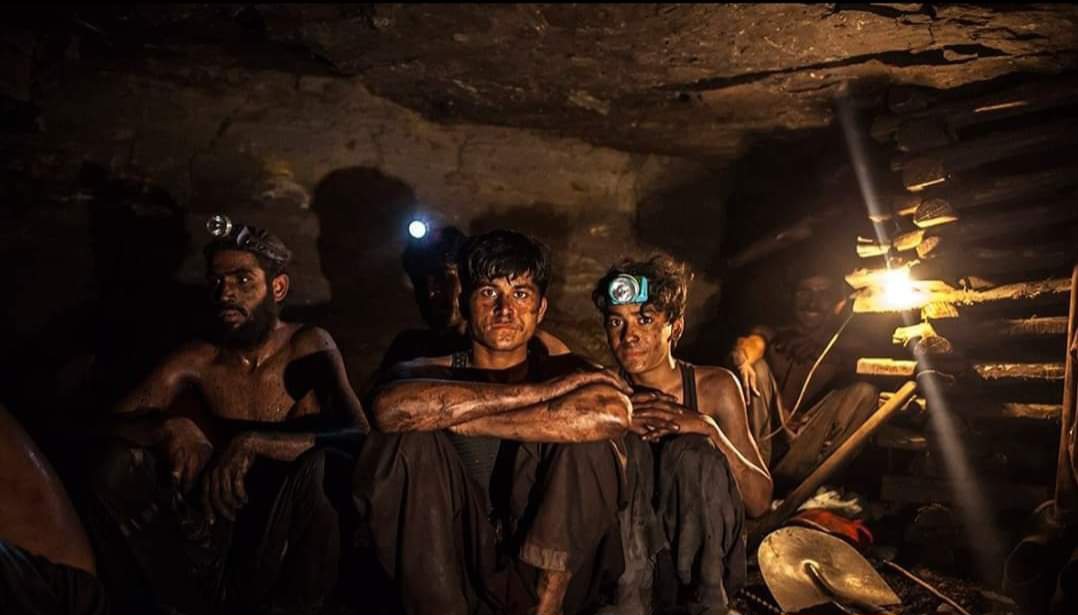
“We are not provided with complete safety equipment. Gloves, safety shoes and other essential items are often unavailable. Many workers use helmets on their own, mainly because they can attach a torch to them for light. In many places, there is also no proper training system, even though experience and skills are essential for working in a mine,” Muhammad said.
According to him, most people who turn to mining are those who are heavily in debt or living in extreme poverty.
Akbar Khan (pseudonym), a coal miner from Shangla with 10 years of experience working in different coal mines, says wages in mining are determined according to the nature of the work, the depth of the mine and the level of risk involved.
He says a miner generally works around eight hours a day, although working hours may sometimes increase depending on the circumstances. According to him, daily wages range from approximately Rs2,000 to Rs5,000, depending on the mine, the contract, the nature of the work and the risks involved.
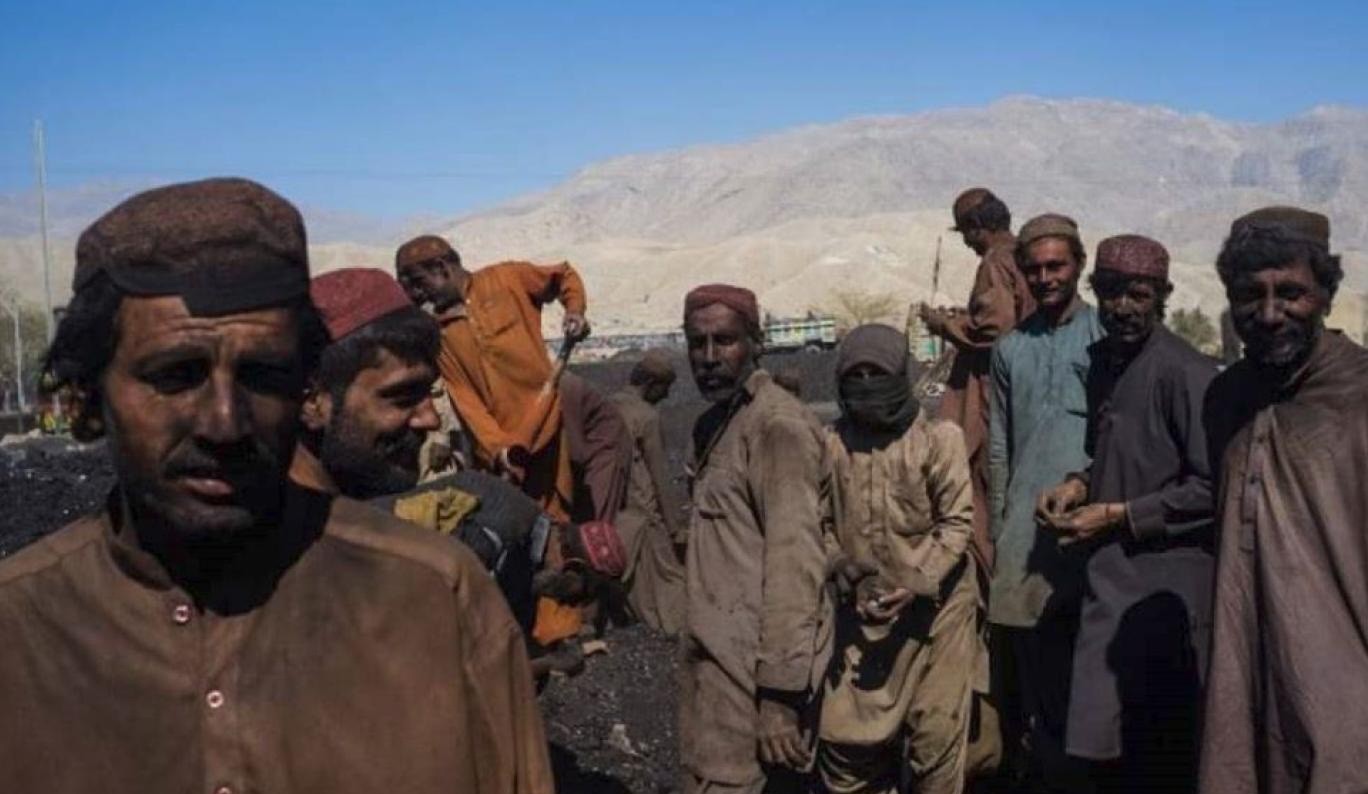
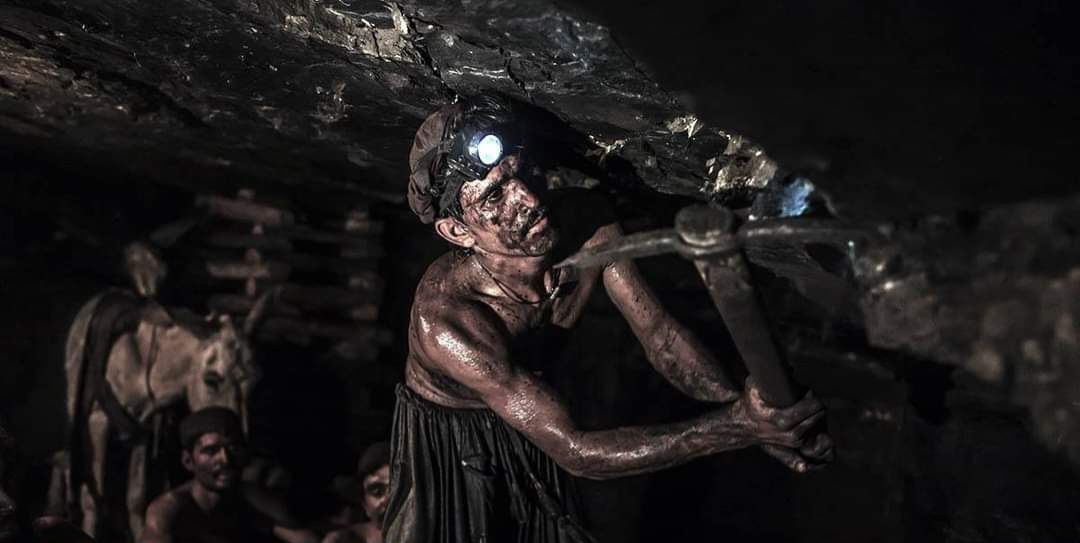
Akbar Khan says some miners work at depths of 1,500 to 2,000 feet underground, while some mines are even deeper, reaching depths of 4,000 to 5,000 feet.
Akbar Khan calls on the government to take action:
“Working in a mine is not just about physical strength; it requires experience and caution. New workers need proper training because even a minor mistake can prove fatal. Every mine should have a responsible person who regularly trains workers, especially young people, because many enter this profession without experience simply because they have no other choice.”
Akbar Khan also demands that the government ensure effective implementation of laws and acts related to miners’ rights. He says the government must ensure that workers in mines receive proper training and adequate safety equipment.
“We know that work should be stopped when gas levels rise, but new workers are often unaware of these dangers. If the government and companies improve the training system, accidents can be reduced,” he said.
Coal miners face not only the risk of sudden accidents but also hazards that can gradually damage their health. Working in confined underground spaces, exposure to coal and mineral dust, toxic gases, heat, humidity and continuous physical labour make their daily lives extremely difficult, Akbar Khan said.
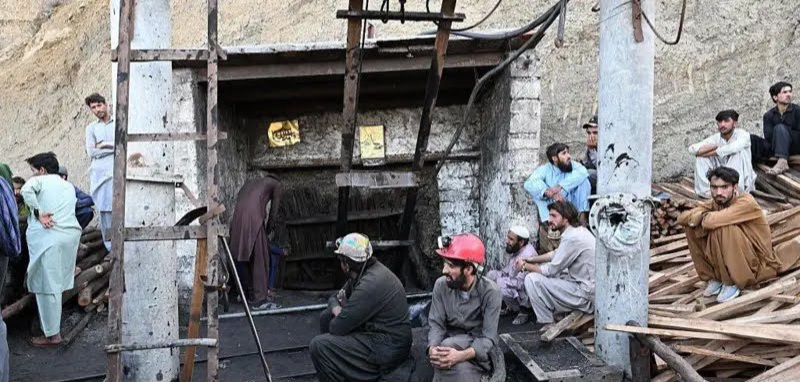
People working in coal mines face a higher risk of lung diseases than the general population, particularly in places where safety measures are inadequate. This is according to Dr Shahin, a chest specialist from Swat.
“Coal miners have a significantly higher risk of black lung disease and tuberculosis (TB) compared with the general population, particularly in areas where safety measures are insufficient. Continuous exposure to coal, silica and other mineral dust can cause permanent damage to the lungs, leading to black lung disease. The same dust can weaken the lungs’ natural defence mechanisms, increasing the risk of TB,” she said.
According to Dr Shahin, these diseases can become more severe if mines lack proper ventilation, standard-quality masks, regular medical examinations and adherence to safety protocols.
She added, “Working eight to 12 hours a day at depths of 1,000 to 2,000 feet puts severe physical and psychological stress on the human body. In such an environment, limited oxygen, dust, heat, humidity and restricted airflow place continuous pressure on the lungs, heart and muscles. This can lead to chronic respiratory diseases, heart problems, joint and back problems, hearing loss, psychological stress and severe fatigue.”
The Khyber Pakhtunkhwa Mines Department is also taking steps to improve safety systems in mines across the province. According to Maaham Waheed, Inspector of Mines for the Mardan Division and Senior Inspector of Mines, there are 3,482 mines in Khyber Pakhtunkhwa, most of which are registered under the KP Mines Registration Rules, 1996.
According to Maaham Waheed, major causes of mining accidents include roof collapses, sidewall collapses, methane gas explosions, suffocation caused by carbon dioxide, slope failures, the use of explosives, falls from rocks, electrical accidents and machinery failures.
She said the Mines Department has deployed 18 inspectors across Khyber Pakhtunkhwa to strengthen its monitoring system, with each inspector assigned responsibility for different areas. The inspectors inspect mines, identify violations and, where necessary, issue notices, impose fines and initiate legal proceedings.
“Inspections, enforcement of laws and the presence of trained personnel are essential to reducing accidents in mines. Underground mines, in particular, require modern procedures, training and investment,” Maaham Waheed said, adding that the government is continuing to work on these areas.
She explained that in the event of an accident, the Mines Commission provides a death grant of Rs150,000 to the families of workers who die, while grants are also provided to workers who suffer permanent or temporary disabilities as a result of accidents.
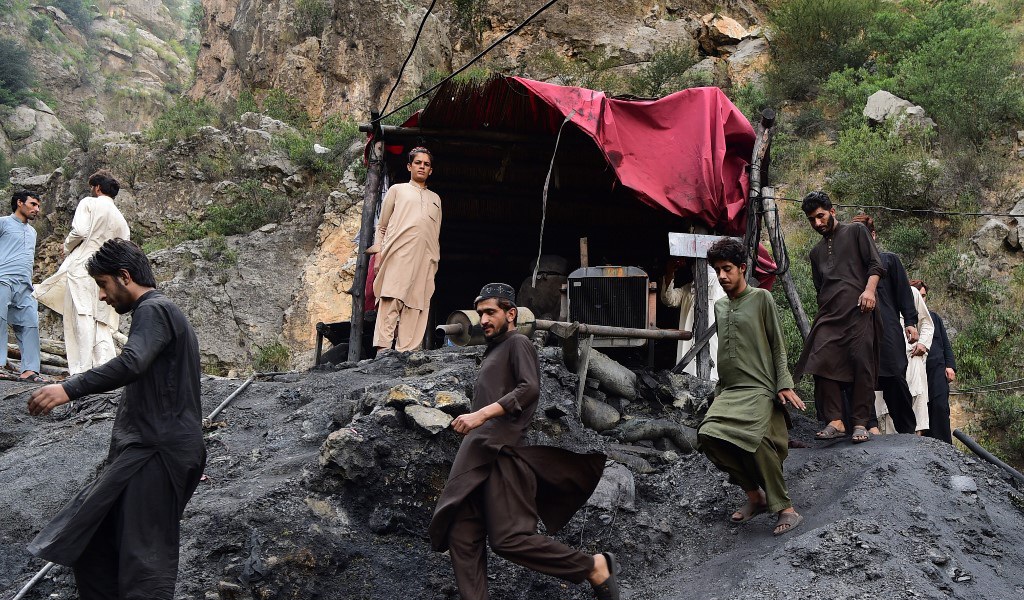
Maaham Waheed also said, “At present, we do not have modern machinery compared with other countries. However, efforts are being made to provide better machinery in the future, and work is also continuing to improve the safety of miners.”
Meanwhile, local residents of Shangla are demanding that if employment opportunities cannot be created in the area, vocational training centres should be established for young people so they can find work in safer sectors instead of risking their lives in coal mines in distant areas.
Alternatively, they say centres should be established in Shangla where people can receive proper mining skills and safety training, so that further loss of precious lives can be prevented.
Accidents in coal mines are not merely statistics. Behind every number are families, children’s futures and the hardships faced by women. With every coffin that returns home, the hopes of an entire family also come back shattered. But the question remains: will these workers only be remembered after an accident, or will effective measures be taken beforehand to protect their lives?
The young men of Shangla who leave their homes in search of a livelihood deserve more than compensation. They deserve safe, dignified and secure employment.
.jpeg)
.png)
1.jpeg)
Comments
No comments yet. Be the first 🙂