


By Imran Ali Yousafzai
Climate change, untimely rainfall, sudden fluctuations in temperature, and the use of pesticides on crops have increased difficulties for people involved in beekeeping in Mardan.
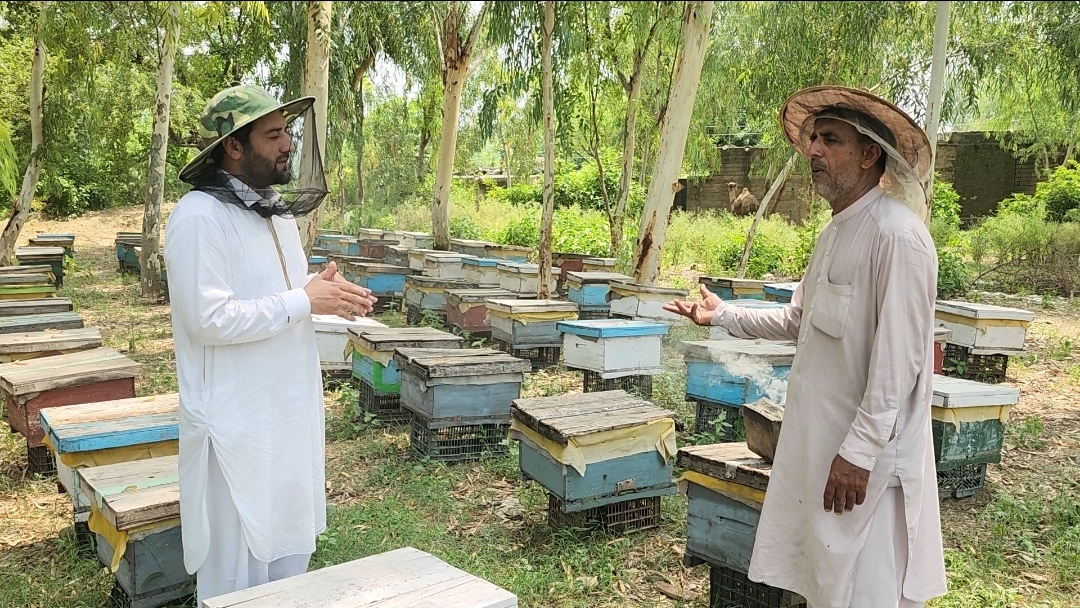
Shams-ur-Rehman, a 55-year-old beekeeper from Rustam, says unusual changes in weather affect the availability of flowers and the natural food supply for bees, directly impacting honey production. According to Shams-ur-Rehman and others associated with the business, selecting a suitable location according to the season is essential for proper beekeeping.
During winter, beehives are kept in relatively warm places, while in summer they are placed in cool, shaded and peaceful locations. The availability of water is also considered important for beekeeping.
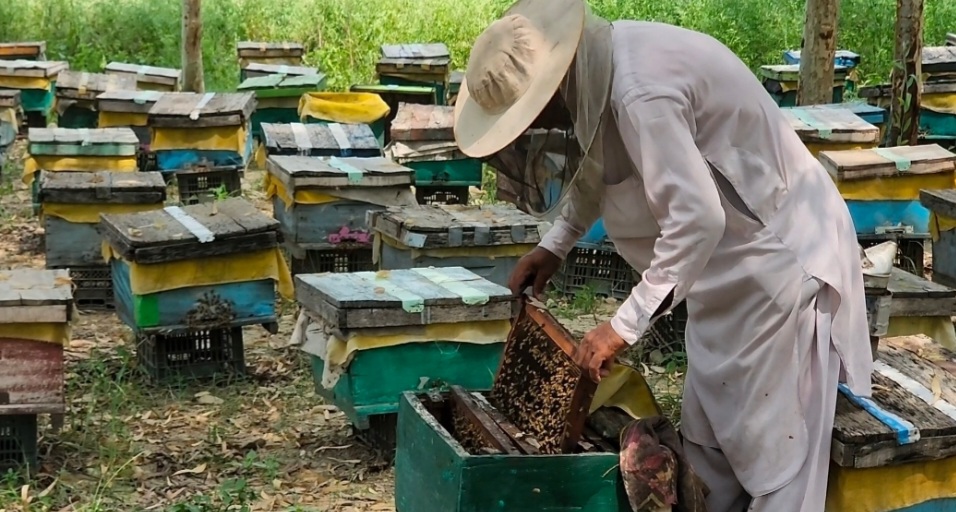
According to beekeepers, when natural food is scarce, bees are provided with sugar solution as needed. When the flowering season begins, the hives are moved to areas where flowers and greenery are abundant. During this period, bees collect nectar and pollen from flowers, which are used to produce honey.
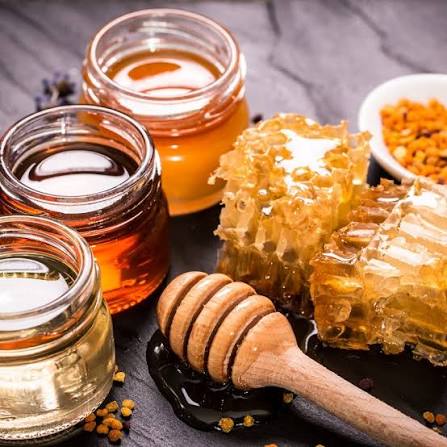
Beekeepers say honey obtained from different flowers varies in taste and characteristics, while natural food plays an important role in maintaining bee health and increasing honey production.
Also Read : The World Through Glasses: Foggy Lenses, Lost Frames and Unwanted Comments
Agricultural pesticides pose risks to bees:
A Mardan-based beekeeper says honeybees face serious risks during pesticide spraying on crops. If proper precautions are not taken during spraying, it can lead to the death of bees and also negatively affect the natural process of pollination.
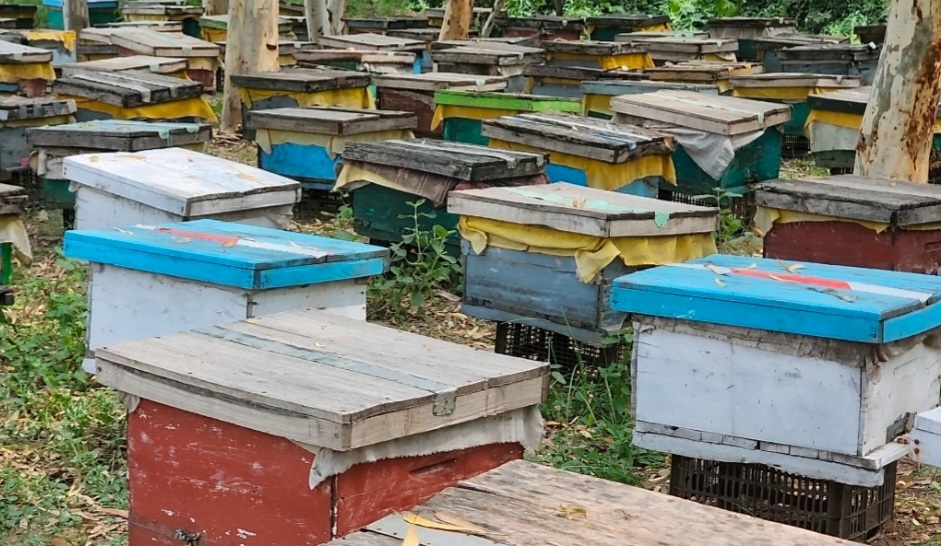
Beekeepers have called for farmers to be provided with proper guidance on the safe use of agricultural pesticides, particularly regarding spraying during the flowering season, so that both bees and crops can be protected from potential harm.
Role of Afghan beekeepers:
People associated with the honey business in Mardan say that some Afghan nationals have also contributed to the beekeeping sector in Pakistan in the past and helped transfer their experience of the business at the local level.
They say that following the return of Afghan refugees, some people associated with the sector moved back to Afghanistan. However, local beekeepers continued the work, keeping honey production going.
Beekeepers have urged the government to take effective measures to address the problems faced by people associated with the sector and improve their access to technical guidance, necessary medicines and other facilities.
They say that at times, the closure of border routes or difficulties in transportation result in delays in the availability of essential medicines required for bees, creating problems for beekeepers.
They believe that if the government develops an effective policy for the sector, increases awareness about the safe use of agricultural pesticides, and provides technical and financial support to beekeepers, honey production could be further improved.
Honey production and the economy :
Beekeeping is not only a source of employment at the local level but honey production and related business activities also contribute to the national economy.
According to Jalal Khan (a pseudonym), who is associated with the honey business, honey produced in Pakistan also reaches international markets, particularly those in the Gulf countries.
He says that government support, better facilities and modern training could further promote the sector, creating opportunities to increase the incomes of beekeepers as well as honey production.
.jpeg)



1 Comments
Lingeries office girl hentaiMy favorite penis
poemsVideo porno portugalAdult entertanment man transsexualVintage viking pool cuesHand in the pussyPenis diagraShemale pron clips xnxx Chicks with dicks catoonsMovie slut
starBuild an adult websiteDesperate for a pee fetishRoasting turkey breast side downKasey kline nudeVintage cowboy
paintingYoung geoup fucking https://xxxxvideos.cc/ Mature latex sexSex canada for japaneseTeen pregnancy an american dilemmaAdult naughty free
greeting cards on lineWicked wifes dirty diary sex storiesMost
extreme porn freeVintage records to sell xnxx Naked sister
galleriesNude mythical creaturesAustralian sex providersVintage 8 ultraSexy chinese babesLesbian amateur
teenPorn apps for android
Here is my page - <a href="https://search.brave.com/?971734">web site</a>