


1.jpeg)
Childhood brings countless beautiful images to mind. Playing with dolls, playing house, making tiny clothes for dolls, dressing them up, and creating an imaginary world for them—all of these are part of childhood memories. For children, play is not merely a way to pass the time; through play, they learn and understand many things.
But today, when I look at the world of children’s toys, one question inevitably comes to my mind: What exactly are we putting into our children’s hands?
Some time ago, I went to a market myself. At a toy shop, my attention was drawn to some Barbie dolls. At first, I could hardly believe what I was seeing. I had seen pictures of such dolls on social media before, but I had assumed they were perhaps something unusual and limited to social media. I had no idea that such dolls would also be available at ordinary shops.
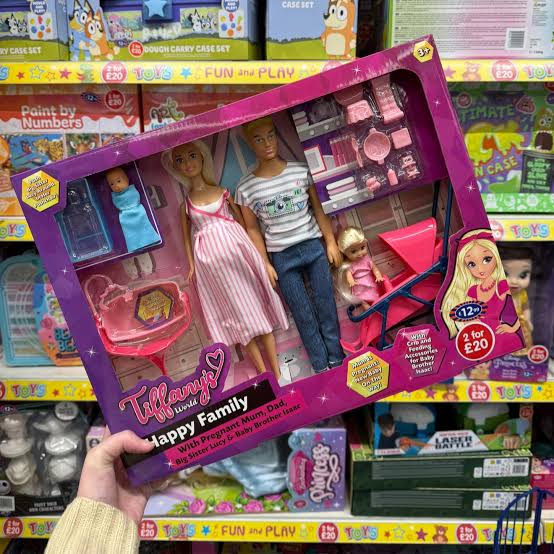
When I saw those Barbie dolls with my own eyes, I was surprised. These were not simply dolls designed to look pregnant; they also depicted the process of pregnancy and childbirth in a particular way. The doll’s stomach could be opened, and an object inside could be removed. In this way, the process of pregnancy and childbirth had been presented in the form of a toy.
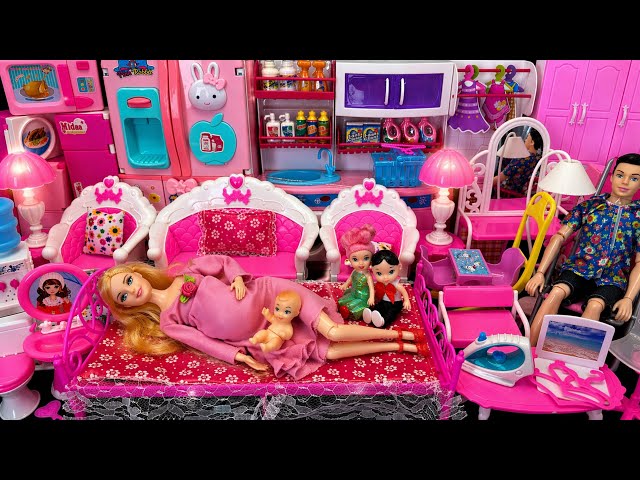
I stood there for a while, looking at everything and wondering: Are toys like these really appropriate for children?
Several questions came to my mind. One of them was whether it is necessary to include every kind of concept in children’s toys. Or should we consider whether a particular toy is appropriate for a child’s age and mental development?
It is also important to clarify that it would not be fair to form an opinion about a shopkeeper based solely on a personal impression. Perhaps the shopkeeper is simply selling it as an ordinary toy. The real question is not about the shopkeeper but about the broader trend of what kinds of themes are being incorporated into toys designed for children.
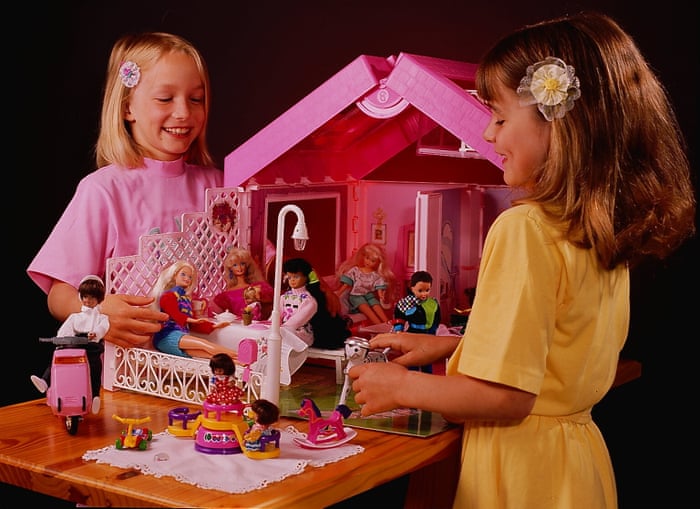
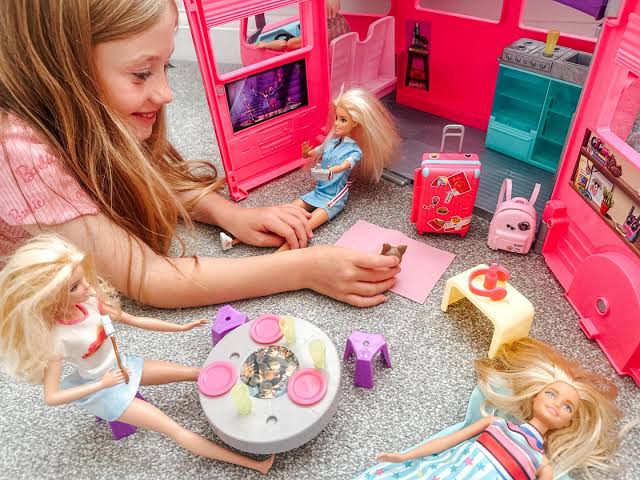
Barbie dolls have been part of girls’ childhoods for decades. Girls dress them up, change their clothes, style their hair, build homes for them, and give them different roles in their imaginary worlds. All of this is a natural part of children’s imagination and play.
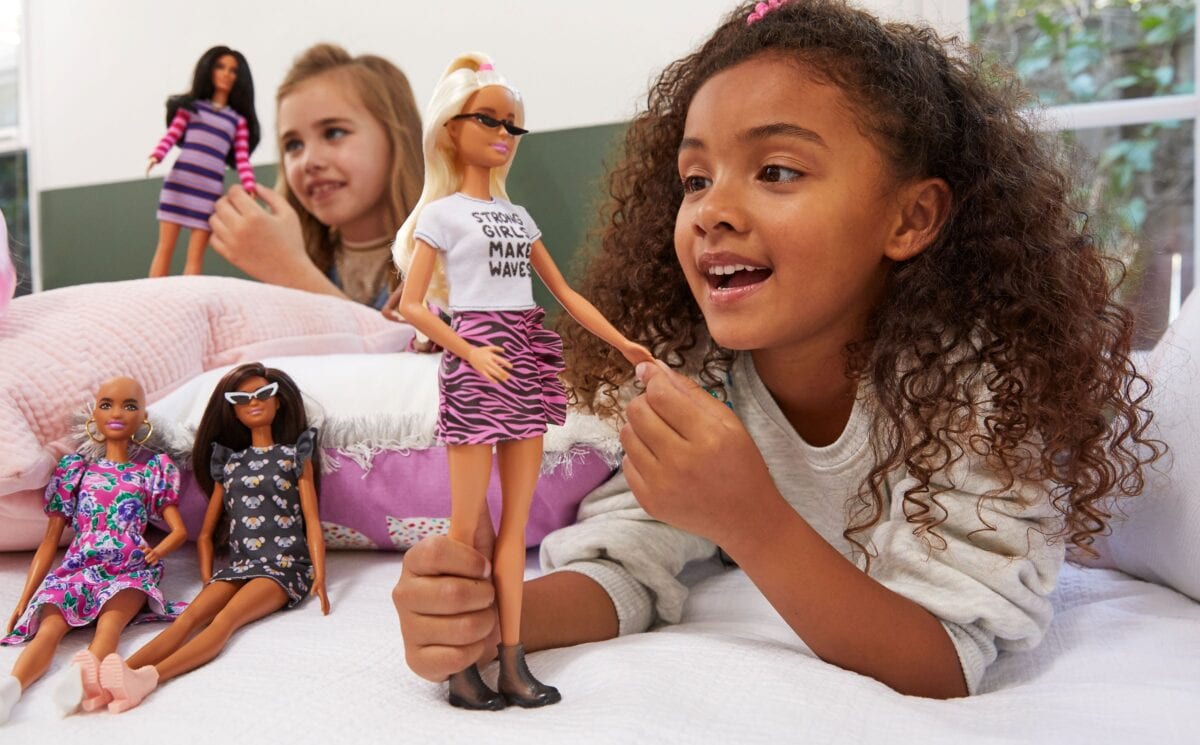
The problem arises when toys begin to include themes that are far beyond a child’s age and understanding. For a young girl, a doll may simply be a toy. Even so, parents need to think about what kind of ideas and concepts the child is being exposed to through play.
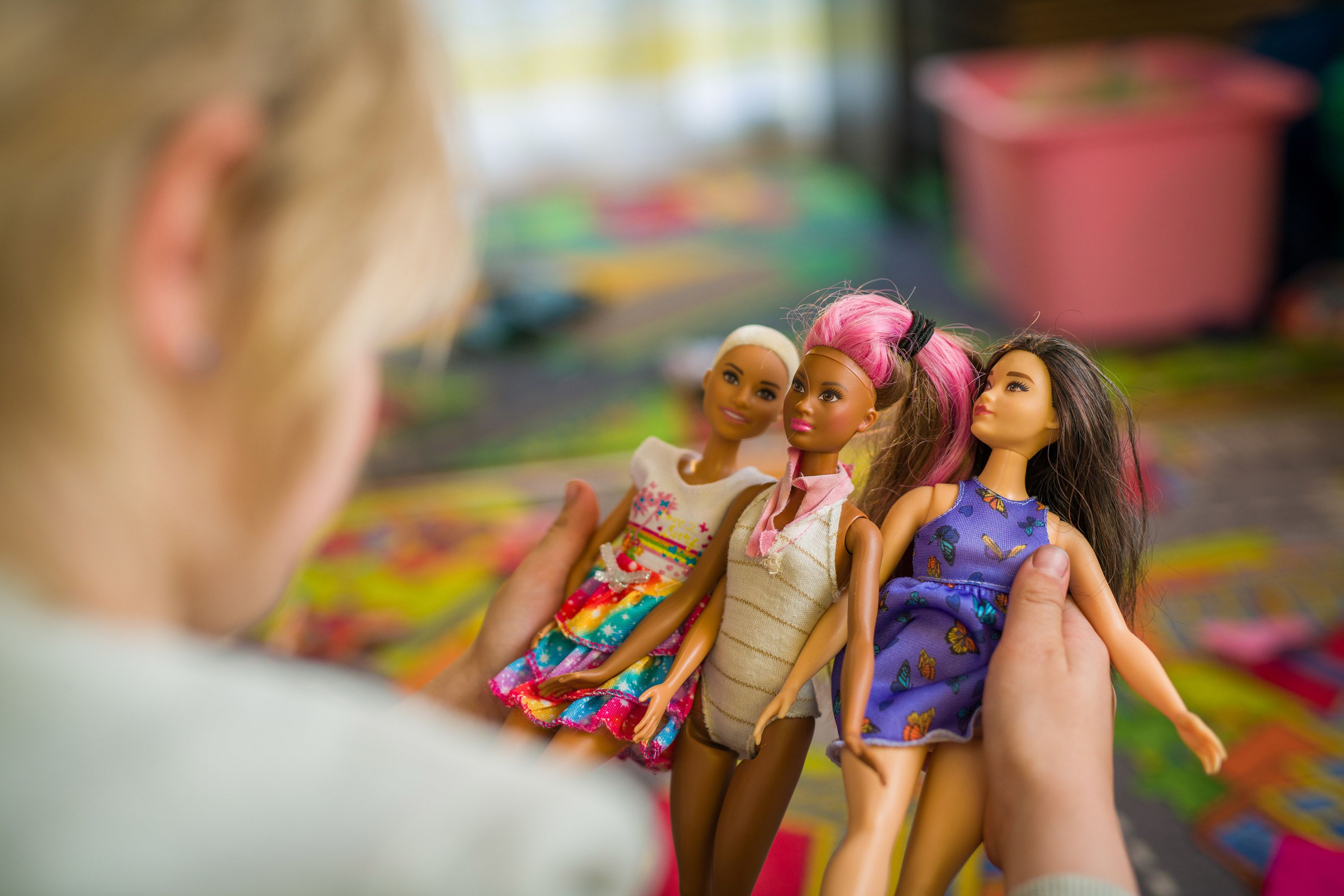
In my opinion, there is a right time for everything. A child does not need to understand every reality of the world at the same age. There are many things that parents explain gradually, according to the child’s age and level of understanding. In the same way, it is appropriate to consider a child’s age and mental development when choosing toys.
Also Read : Educated, But Are We Open-Minded? A Conversation That Made Me Think
This issue is not limited to Barbie dolls. Toy pistols, guns, and war-related toys are also popular among children. Many children point toy guns at each other while playing and say, “I shot you.” The other child falls to the ground, and after a while, both children start laughing and continue playing again.
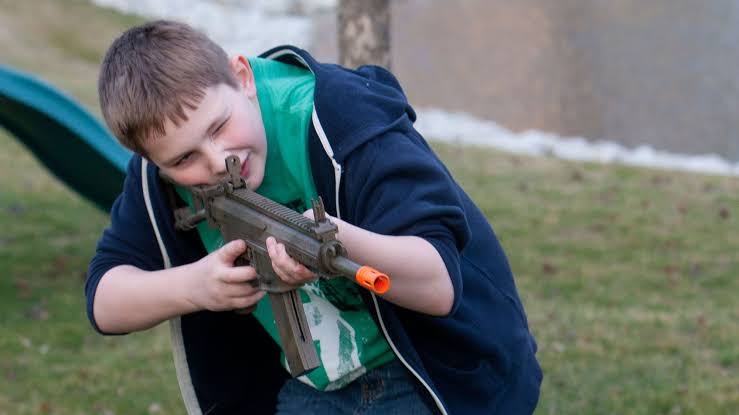
Certainly, not every child who plays with a toy gun necessarily becomes violent. There is a difference between children’s play and real life. However, parents should pay attention to the kinds of themes that repeatedly appear in a child’s play.
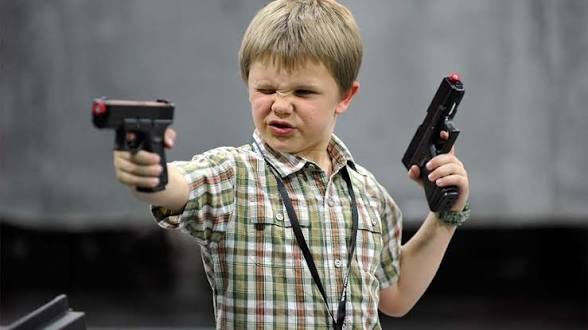
Play is an important part of a child’s development. During play, children take on different roles, create stories, learn new things, and try to understand the world around them. That is why choosing the right toys is also important.
We often buy toys immediately just to make our children happy. But at the same time, it is important to think about what that toy is teaching the child and what role it is playing in their activities.
If we have a choice, why not choose toys that encourage a child’s creativity? Blocks, puzzles, colors, books, and toys based on different positive characters can give children an opportunity to learn while playing.
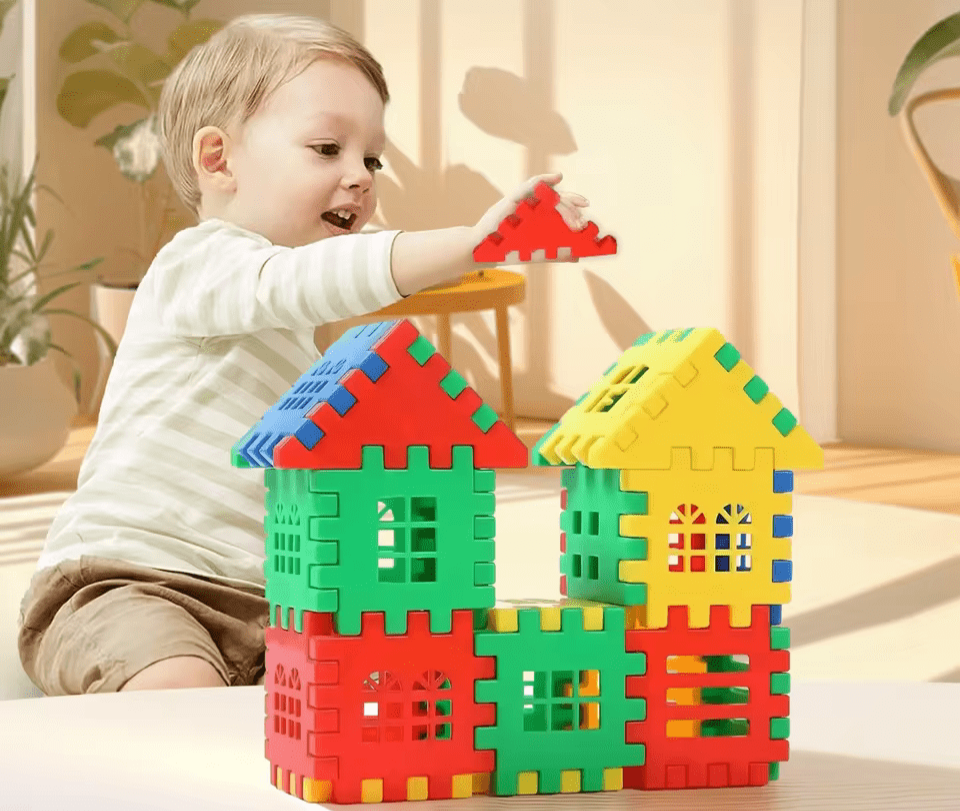
This does not mean that children should be kept away from every reality. There are many things children naturally understand as they grow. The role of parents is not to frighten them about everything, but to guide them according to their age and level of understanding.
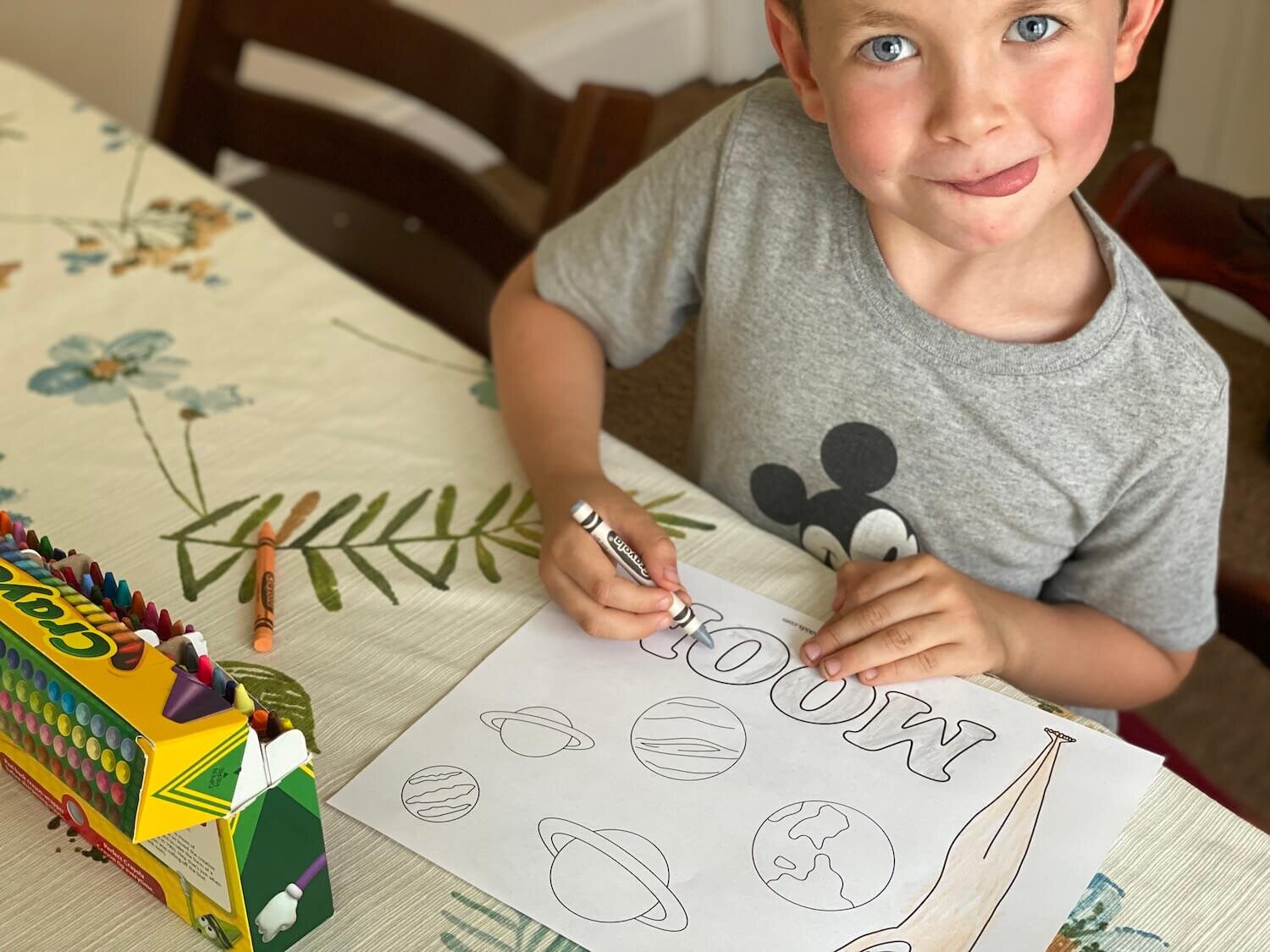
If a child becomes interested in a toy that parents feel is not appropriate for their age, it is better to talk to the child instead of immediately scolding them. Simply telling a child, “Don’t do this,” is not enough; they should also be offered a better alternative.
We cannot eliminate everything available in the market, but we can certainly choose what we bring into our homes. Parents can decide which toys are appropriate for their children and which are not.
The next time we buy a toy for a child, we should not only look at its appearance or the child’s preference. We should also think about what kind of ideas and concepts the child may be exposed to while playing with it. Because childhood is a time for learning and imagination.
This is the age when a child builds a house out of mud, considers a doll their friend, and finds happiness in even the simplest things. We should try to ensure that this beautiful period of childhood has as much space as possible for play, imagination, and learning.
My aim is not to target any particular shopkeeper or a specific toy. The real question is: What kind of childhood are we giving our children, and what kind of world are we presenting to them through their play?
Perhaps, instead of simply dismissing toys by calling them “just toys,” we should also pay attention to how we choose them. Not every toy necessarily has a deep or lasting impact on a child’s personality, but careful choices by parents can certainly create a better environment for children.
In the end, the point is simple: children should certainly have toys in their hands, but those toys should expand their imagination, give them opportunities to learn, and make their childhood more beautiful. Because childhood is a phase of life that never comes back.
Note: This article reflects the personal views of the author, and the organization does not necessarily agree with them.

.jpg)


.jpeg)

.jpeg)
Comments
No comments yet. Be the first 🙂