


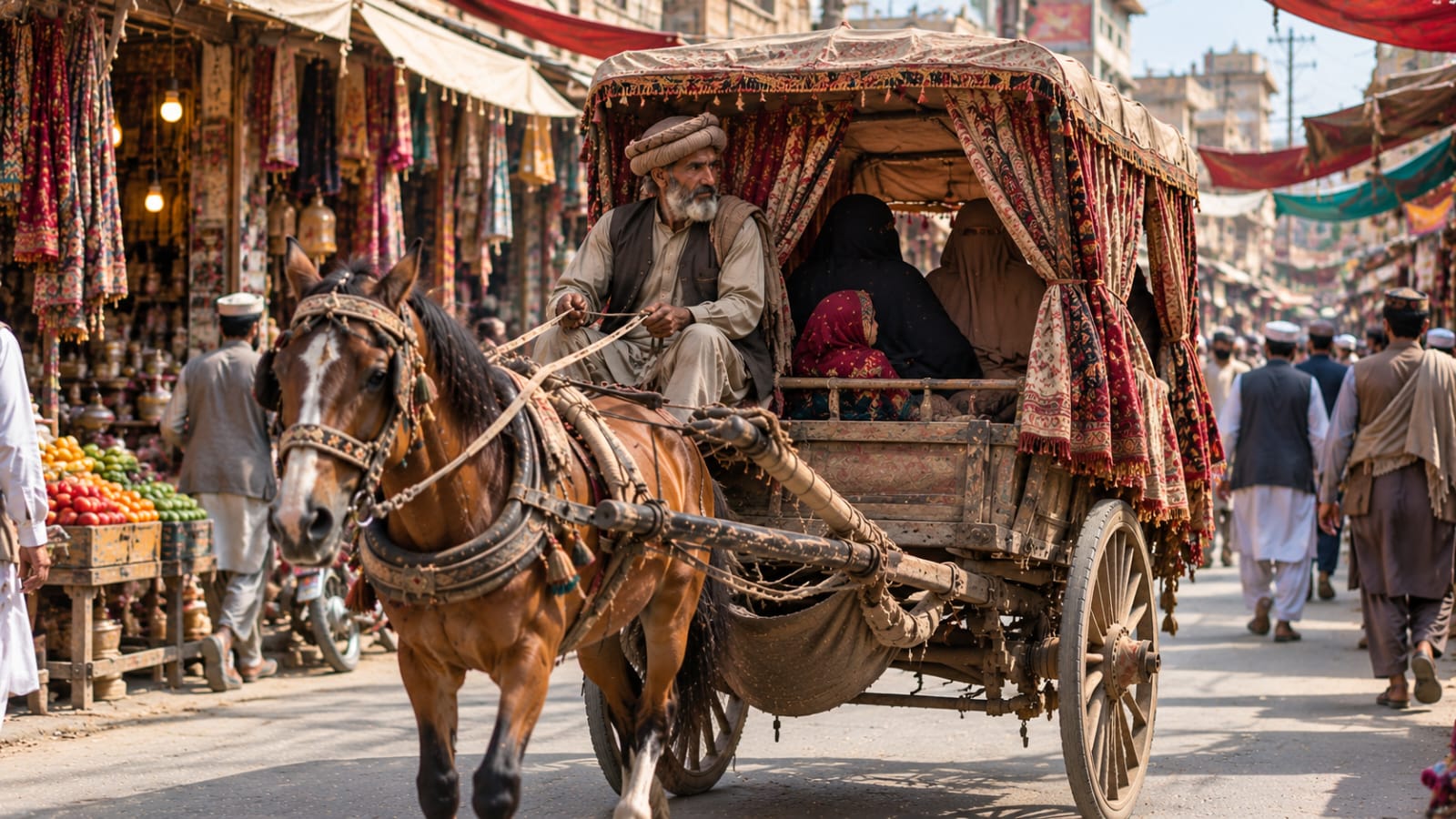
There was a time when the streets of Tank, a city in the southern districts of Khyber Pakhtunkhwa, echoed with the sound of horses’ hooves and bells tied around their legs. Their beautifully decorated carriages added a unique charm to the city.
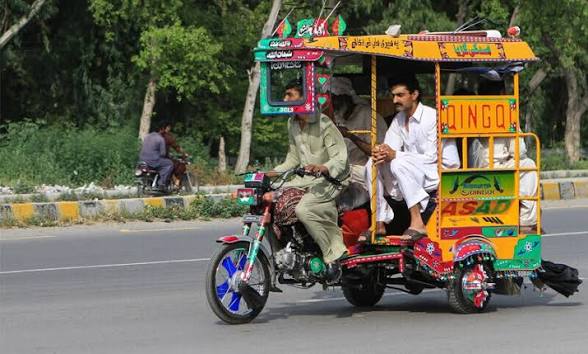
The tonga was not only a major means of transportation for residents but also held special significance in the local economy, culture and traditional way of life. However, with the passage of time, modern means of transport emerged, and the growing use of auto-rickshaws and Qingqi rickshaws gradually replaced tongas. The popularity of Chinese-made motorcycles further accelerated the decline of this traditional mode of transport.
Rustam Khan, an elderly resident of Kaloni Phool Shah in Tank, recalls that tongas were once among the most important means of travelling within the city. People relied on them to reach markets, neighbourhoods and other destinations. At the time, designated tonga stands were established in different parts of the city, where passengers travelled throughout the day, from morning until evening.
According to Rustam Khan, tongas used to stand in the central part of Tank, near the vehicle workshops before the vegetable market, and at the entrances to bus terminals serving Dera Ismail Khan, Peshawar, Jandola, Pezu, Lakki Marwat and Bannu.
These locations had ropes for tying horses, large verandas and pillars, while arrangements were also made for horse feed and other necessities. Tonga stands were also located in Chhota Bazaar and other parts of the city.
Tongas once plied the city's roads:
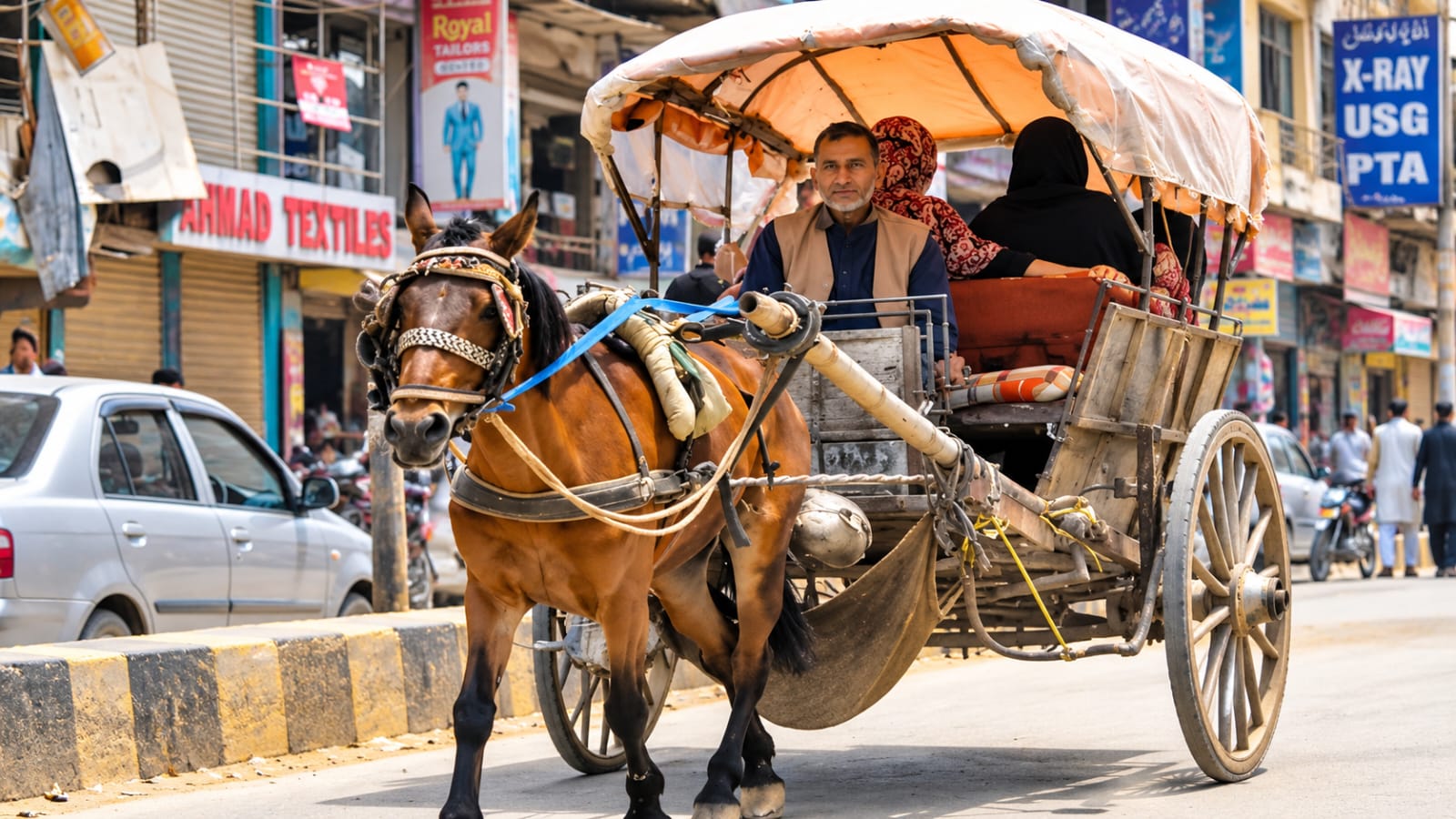
In the past, tongas were commonly used for travelling within Tank and to different surrounding areas. They operated on several routes, including Pir Darbar Sabir Shah, Dera Ismail Khan Road, Jandola Road and Pezu Road. The activity began in the morning and continued until evening, making tongas a prominent feature of everyday life in the city.
During that era, tongas were not merely a means of transportation but were also considered a hobby and a symbol of social status for some people. They were decorated with colourful patterns, flags, flowers and other ornamental items to enhance their appearance. Some tongas were also brought from other areas, while particular attention was paid to their construction and decoration.
Horse care and tonga decoration:
The health and care of horses were also given special importance. Owners regularly spent time keeping their horses clean, massaging them, providing proper feed and looking after their health. White horses were particularly popular, although dark red, grey, black, and black-and-white horses were also used to pull tongas.
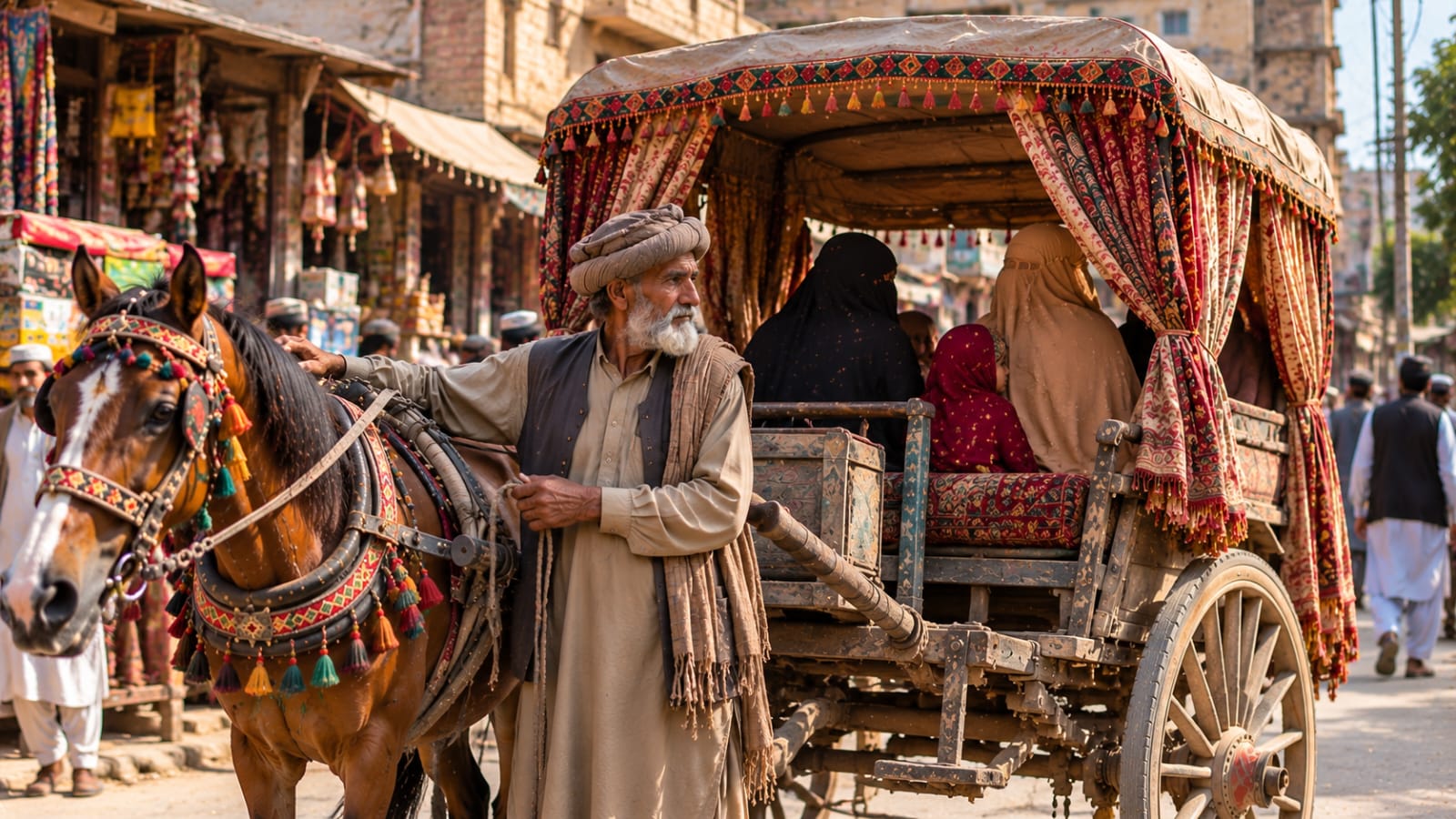
Children preferred sitting on the front seat of a tonga, while women generally travelled on the rear seat. Wealthy families and tribal chiefs sometimes hired an entire tonga to travel to different places. To accommodate women's need for privacy, cloth was fitted to the front and rear sections of some tongas, allowing them to observe purdah during their journeys.
Modern transport hits tonga business:
According to Rustam Khan, the tonga business in Tank continued until around 2000–2001, but it began to decline after 2002–2003. The arrival of auto-rickshaws created difficulties for tonga operators, while the subsequent rise in the use of Qingqi rickshaws further reduced the demand for this traditional mode of transportation.
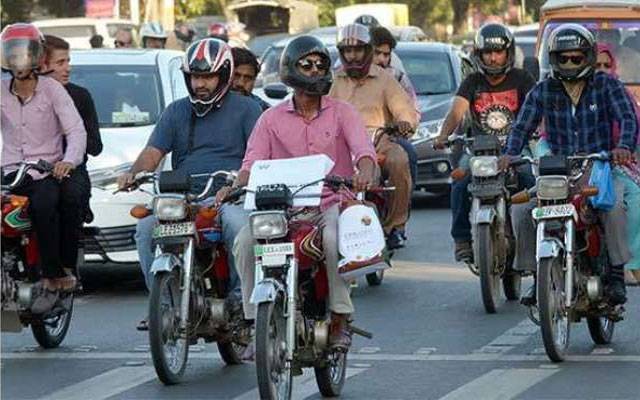
The growing use of motorcycles and private cars provided people with alternative means of transportation. These changes reduced the usefulness of tongas and began to affect the livelihoods of those who depended on them. As a result, a mode of transport that had once been an essential part of the city's daily life gradually fell out of use.
Tongas were not used only to carry passengers from one place to another; they also played a role in transporting goods. Later, loader rickshaws and other vehicles took over this work, further reducing the economic importance of tongas. The availability of modern transport and changing travel needs gradually pushed the tonga business towards extinction.
An environment-friendly ride that has become a memory of the past:
Rustam Khan says the tonga was an environment-friendly mode of transport because it did not require petrol or diesel to operate, relying instead on a horse as its primary means of propulsion. In his view, the tonga was not merely a means of transportation but was also closely linked to local culture, traditions, livelihoods and the beauty of the city.
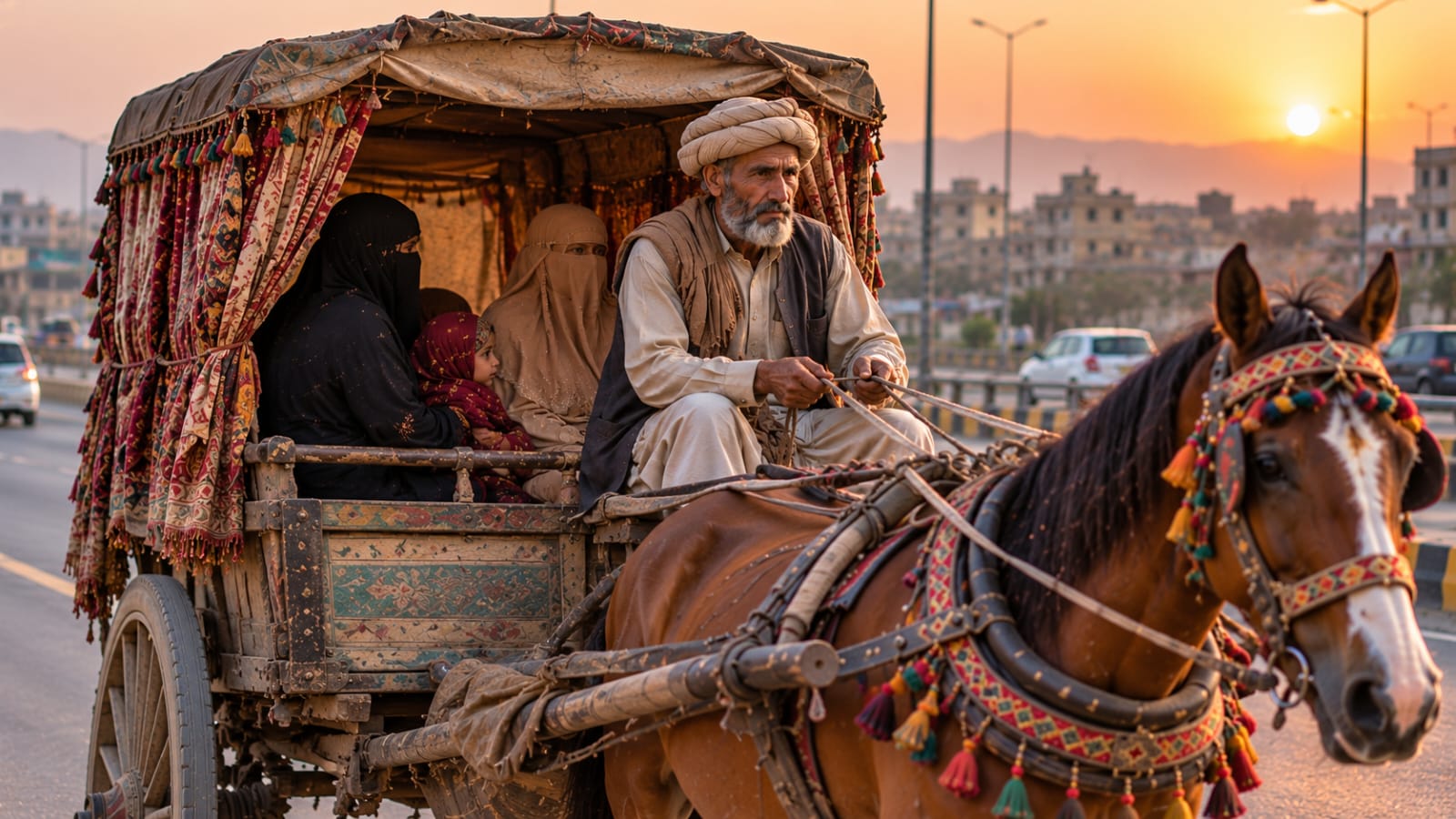
He says this traditional mode of transport has almost disappeared from Tank and many other areas. Many members of the younger generation may never have witnessed the elaborate decorations of tongas, the care given to horses or the way of life associated with them, all of which were once part of urban life.
According to Rustam Khan, the movement of tongas through the city's streets and markets once created a distinctive atmosphere, filled with the sound of horses' hooves and bells. Their decorations and the businesses associated with them also added to the city's charm. Modern vehicles have made travel faster and easier, but this transformation has also brought an end to a traditional mode of transport that played an important role in Tank's urban life for a long time.
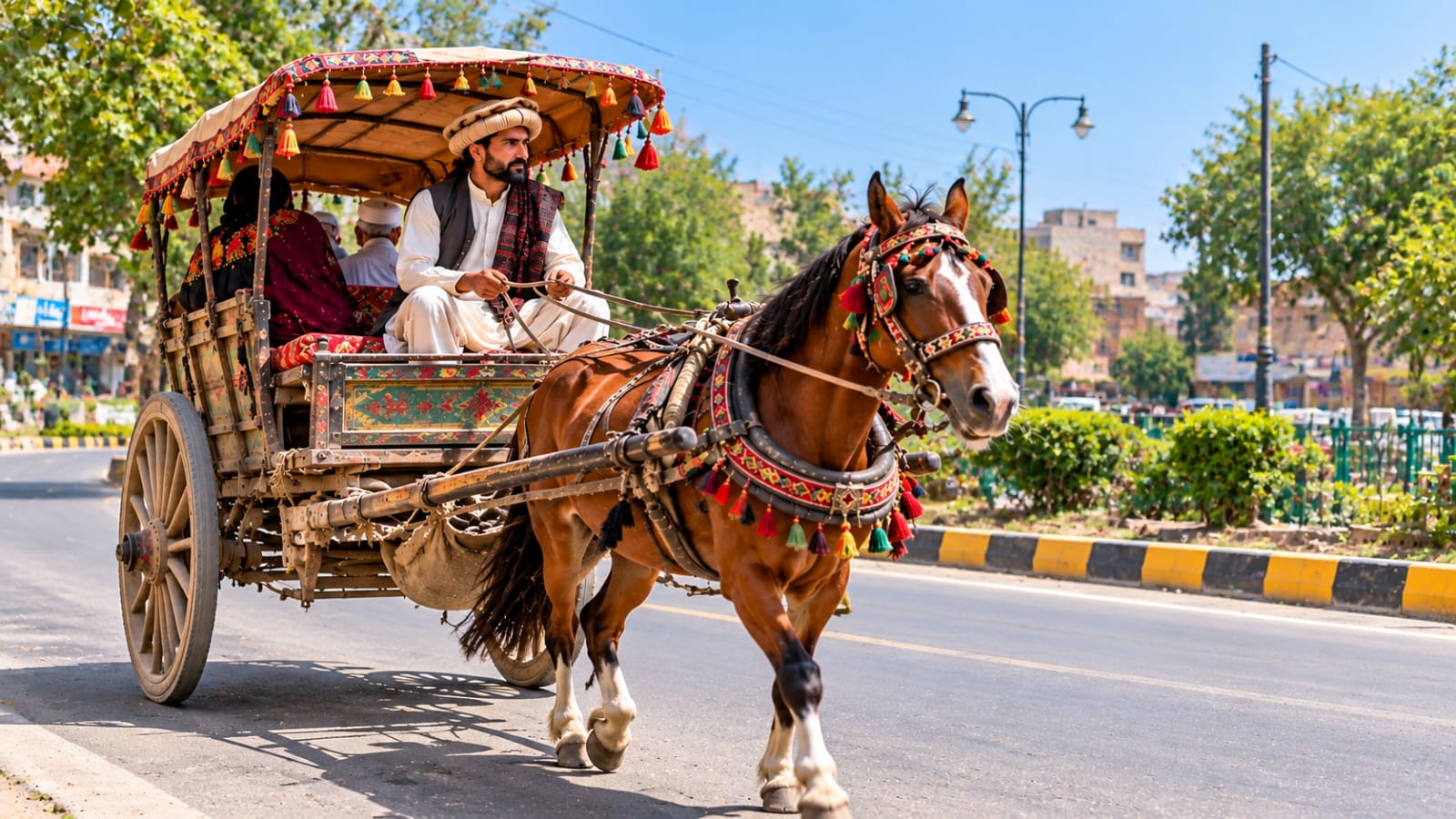
The rise and decline of tongas in Tank reflect changing social, economic and transportation needs over time. Once an important source of urban mobility and livelihood, tongas are now rarely seen on the city's roads. However, the traditions, cultural heritage and memories preserved by older residents continue to highlight their significance in an earlier era.
.jpeg)

.jpg)
1.jpg)
Comments
No comments yet. Be the first 🙂