


Driving is a major responsibility, and even a moment of carelessness can prove fatal for the driver as well as others. For a driver, simply having a license is not enough; following traffic rules is equally important.
We witness traffic accidents every day, with factors such as driver negligence, poor vehicle maintenance, speeding and violations of traffic laws often contributing to them. Maintaining a vehicle’s fitness is also the responsibility of transport owners.
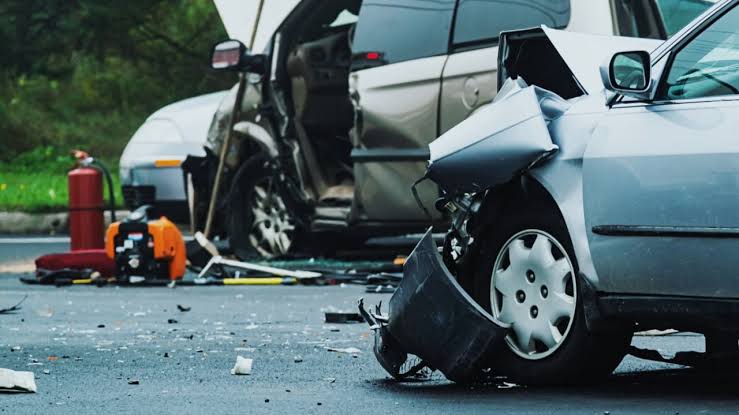
According to the World Health Organization (WHO), around 1.16 million people die every year worldwide as a result of road traffic crashes. Road traffic crashes are the leading cause of death among children and young people aged 5 to 29.
Around 92% of road traffic deaths worldwide occur in low- and middle-income countries, even though these countries account for approximately 60% of the world’s vehicles. More than half of all road traffic deaths involve vulnerable road users, including pedestrians, cyclists and motorcyclists.
At the beginning of July, a passenger bus traveling from Quetta to Peshawar plunged into a deep ravine in the Dahana Sar mountainous area of Sherani district in Balochistan. The accident killed 40 people, including women and children. According to Shahid Rind, an aide to the Balochistan chief minister, the bus was carrying not only its own passengers but also passengers from another bus that had broken down.
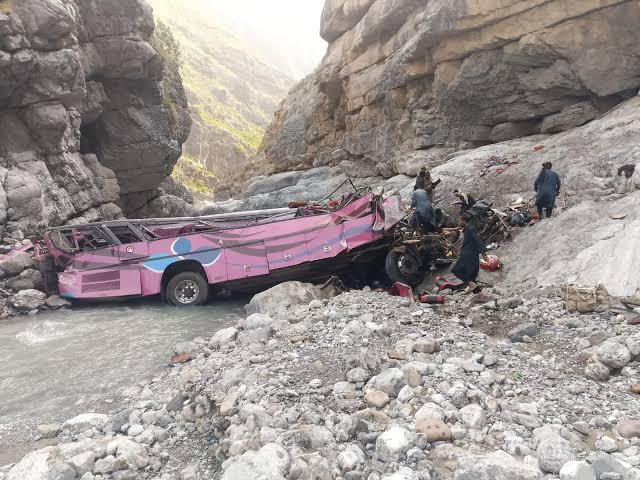
According to eyewitnesses, an argument broke out between the driver and passengers after authorities took action at a checkpoint over the presence of Iranian diesel in the bus. They said the driver came under severe mental stress following the incident and, in a fit of anger, the bus plunged into the deep ravine.
Also Read : The Corn Cart and the Price of Dignity: An Old Man’s Silent Struggle
There can be several causes behind such traffic accidents, including difficult mountainous roads, speeding, overloading, failure to enforce traffic laws, driving under the influence of drugs or alcohol, and driving while angry or under severe mental stress. This was not the first incident of its kind, as several similar accidents have occurred across the country.
Responsible Driving for Safe Travel:
According to Saleem, an instructor at Town Motor Driving School in Peshawar, drivers must drive carefully and responsibly during long journeys.
He said that before starting a journey, the vehicle should undergo a general inspection, including its tyres, braking system, engine oil, water, wiring and lights. Drivers should follow traffic rules while driving and maintain a speed according to road conditions, weather and traffic.
He said speeding, overtaking from the wrong side and using mobile phones while driving can cause accidents and should therefore be avoided.
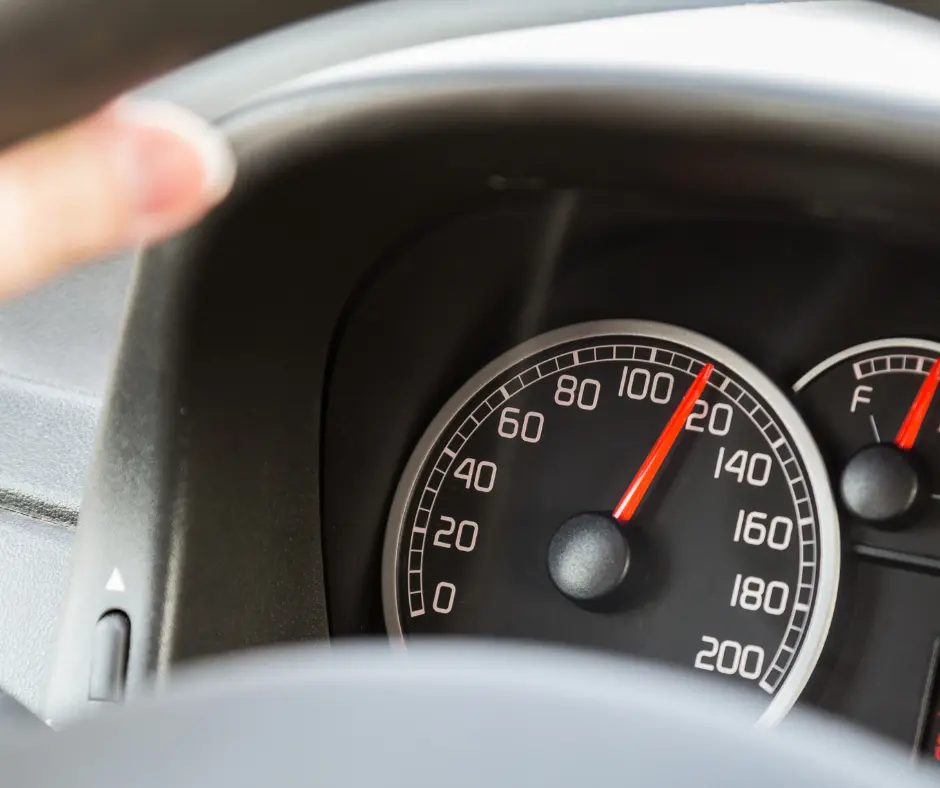
For drivers of heavy vehicles, staying within the designated lane is extremely important because such vehicles are larger and heavier. Drivers should pay attention to the condition of the tyres, brakes and lights and ensure that the vehicle is carrying an appropriate load.
Adequate rest during long journeys is also essential, while luggage should be properly secured. Vehicles should also carry a first-aid kit, a spare tyre and necessary tools.
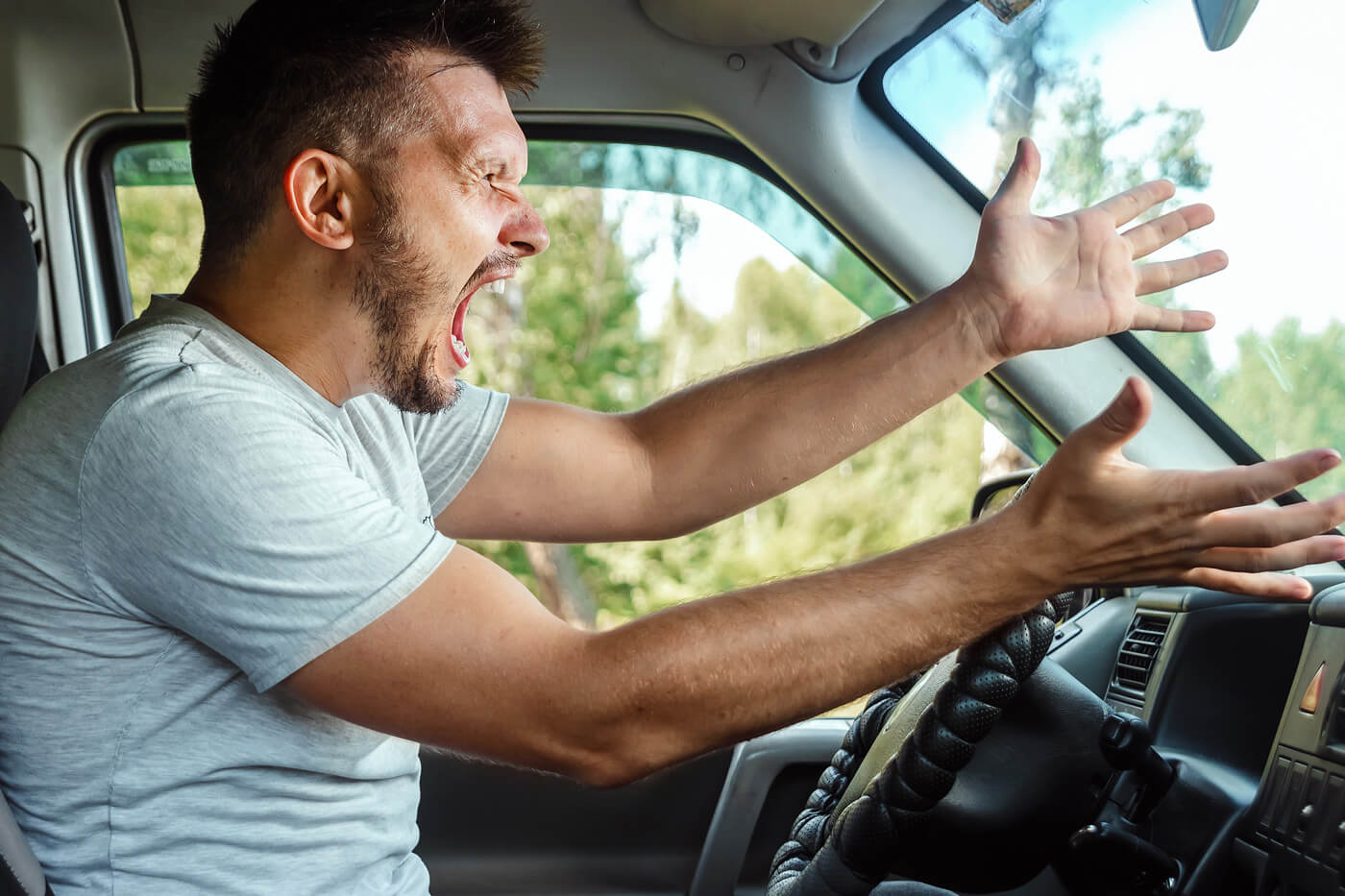
If a driver has not had enough sleep, it becomes difficult to remain focused while driving. Similarly, driving should be avoided when a person is angry or under severe mental stress. Wearing seat belts is essential to prevent injuries in accidents, while the use of headphones should also be avoided because they can make it difficult to hear horns and other important sounds.
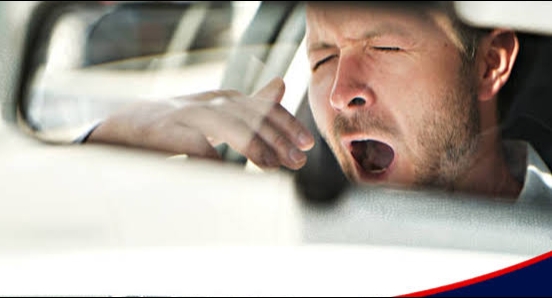
Drivers often try to overtake one another on mountainous roads and narrow routes, which is extremely dangerous. Drivers should keep their speed under control and maintain a safe distance from the vehicle ahead.
How Can Passengers Protect Themselves from Traffic Accidents?
During a journey, passengers should avoid unnecessary conversation, loud noise and arguments so that the driver’s concentration is not affected.
Passengers also have the right to stop a driver from being negligent while using public transport. If a driver is speeding, using a mobile phone or driving on the wrong side of the road, passengers should immediately ask the driver to be careful and, if necessary, have the vehicle stopped at a safe location.
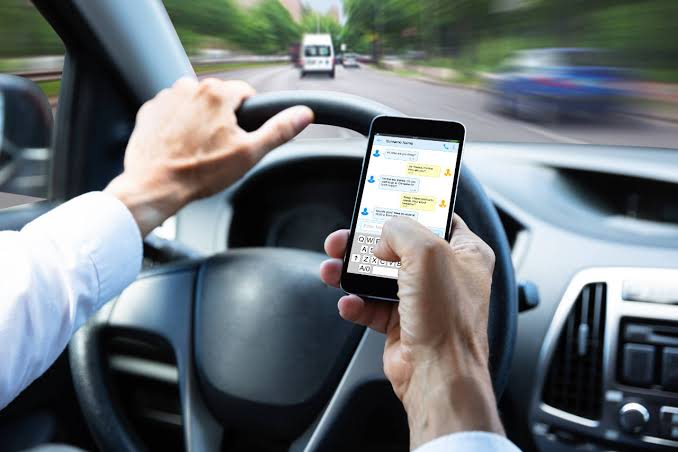
If the driver is feeling sleepy, is under the influence of drugs or alcohol, or is unable to drive properly due to a physical illness, the vehicle should be stopped immediately and safe arrangements should be made for the remainder of the journey.
Responsibilities of Transport Owners:
Transport owners are responsible for setting drivers’ duty hours, ensuring timely vehicle maintenance and fitness, and providing drivers with adequate rest before they begin another journey after completing a long trip. It is also essential to select experienced, trained and physically fit drivers for long-distance journeys.
The government and traffic law enforcement agencies should take practical measures and focus on effective enforcement of traffic laws to ensure safe travel for the public, so that ordinary passengers do not suffer because of someone else’s negligence or illegal activities.
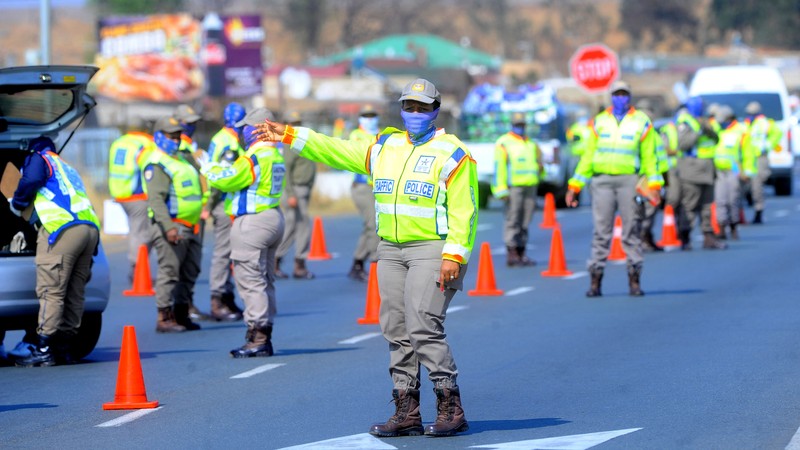
Poor road conditions, careless driving, poorly maintained vehicles and failure to enforce traffic laws can all contribute to accidents. To protect our own lives and those of others, it is essential to follow safety precautions, rules and regulations.
Note: This article reflects the personal views of the author and does not necessarily represent the views of the organization.

.jpeg)
.png)
1.jpeg)


Comments
No comments yet. Be the first 🙂