


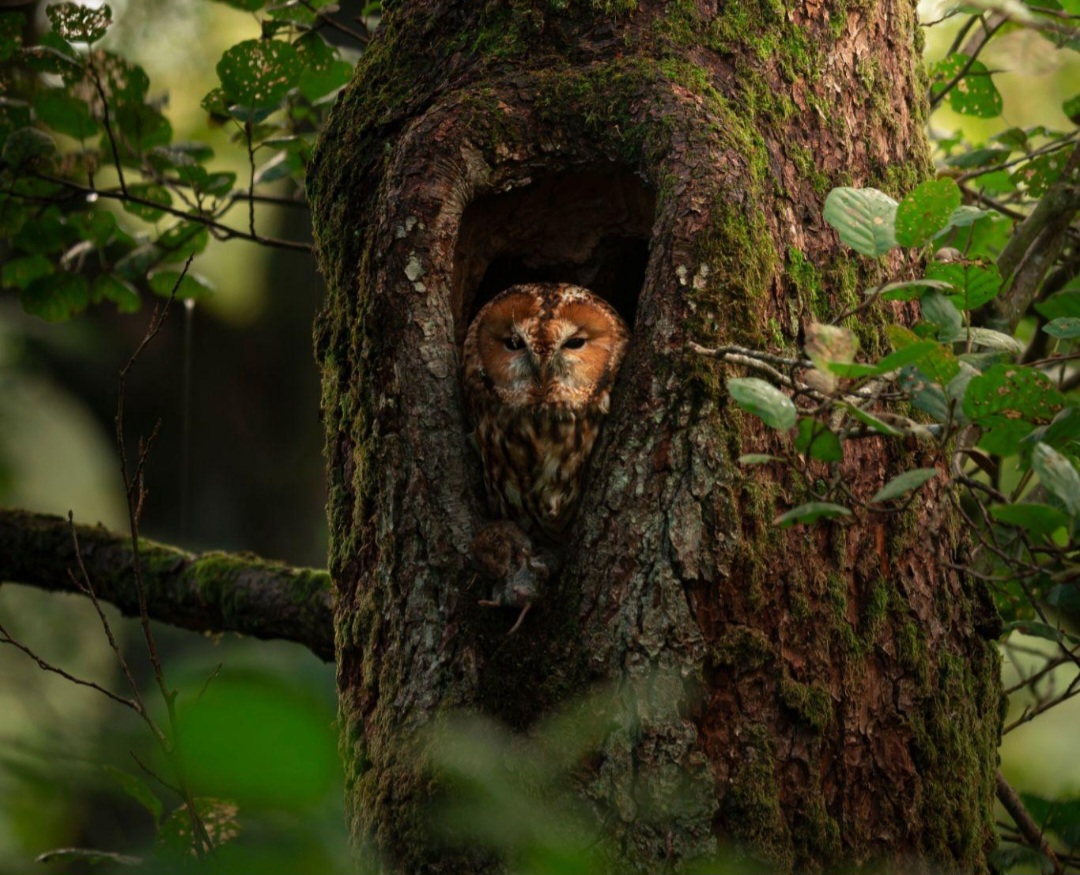
High in the cliffs and old-growth forests of Shangla district, a four-year survey has quietly filled one of the biggest gaps in Pakistan's ornithological record: how owls in the northern mountains actually choose where to raise their young and how quickly that choice is being taken away from them.
Lead researcher Haider Ali of Hazara University Mansehra, working with a team from the universities of Swat, Shangla and Qurtuba, spent from November 2020 to August 2024 combing tehsils and villages across the district Besham, Raniyal, Karora, Banjar, Dehrai, Yakhtangai, Alpuri and more than a dozen others tracking owls before dawn and after dusk with high-zoom binoculars, cameras, ropes and climbing gear. It was, the team says, the first study of its kind in Shangla valley.
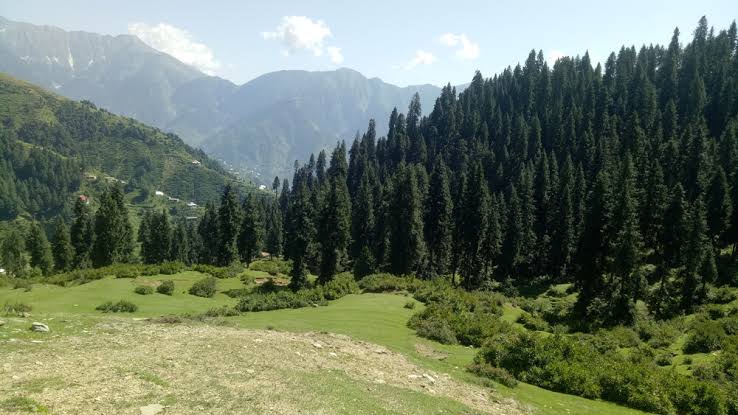
The researchers documented 42 active nests belonging to nine owl species. The majority, 26 nests, were tucked into stony cavities in the district cliffs and rock faces; 11 were found in tree snags the hollowed trunks of walnut, conifer, poplar, sheesham and oak trees; and five were built into man-made structures such as mud-walled huts.
Statistical analysis found no significant difference in the general habitats owls occupied across the district, but a clear and significant difference in how individual species chose their nest cavities.
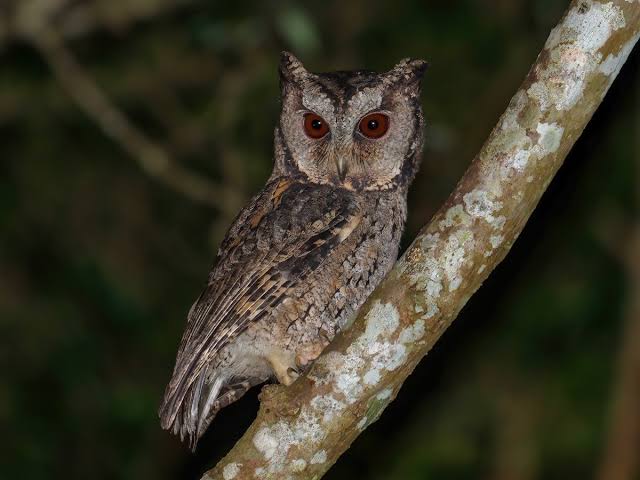
Some patterns stood out sharply. The collared scops owl used only stony cavities, at higher elevations and away from human settlements, with not a single nest recorded in a tree. The great gray owl and little owl showed a similar preference for rock cavities over tree hollows. The Asian barred owlet went the other way, favouring man-made structures and low-elevation tree trunks.
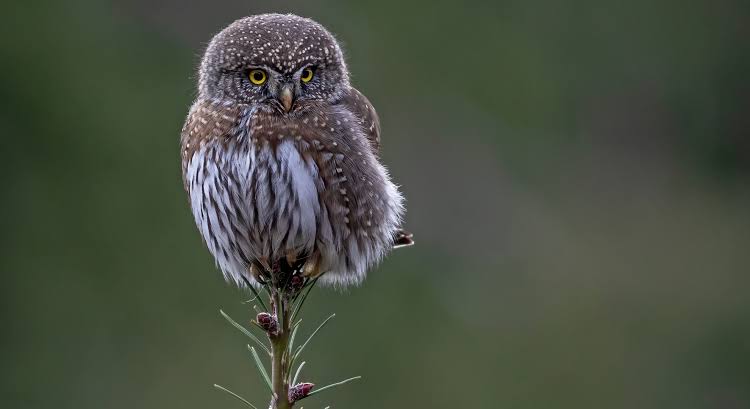
The northern pygmy owlet split its choices between tree snags and man-made structures, while the pallid scops owl, spotted owl and tawny owl used both stony holes and tree cavities interchangeably. A single nest of the snow owl was recorded at high elevation in a stony cavity near Yakhtangai the only sighting of the species in the whole survey.
Nest height varied by structure too: cavities in rock faces averaged 57 feet above ground, tree snag nests averaged 26 feet, and nests in man-made structures sat far lower, around 10 feet. Overall, the team found that 62 percent of nests were in stony cavities, 26 percent in tree cavities, and 12 percent in man-made structures with rock crevices increasingly taking the place of tree hollows as old-growth forest disappears.
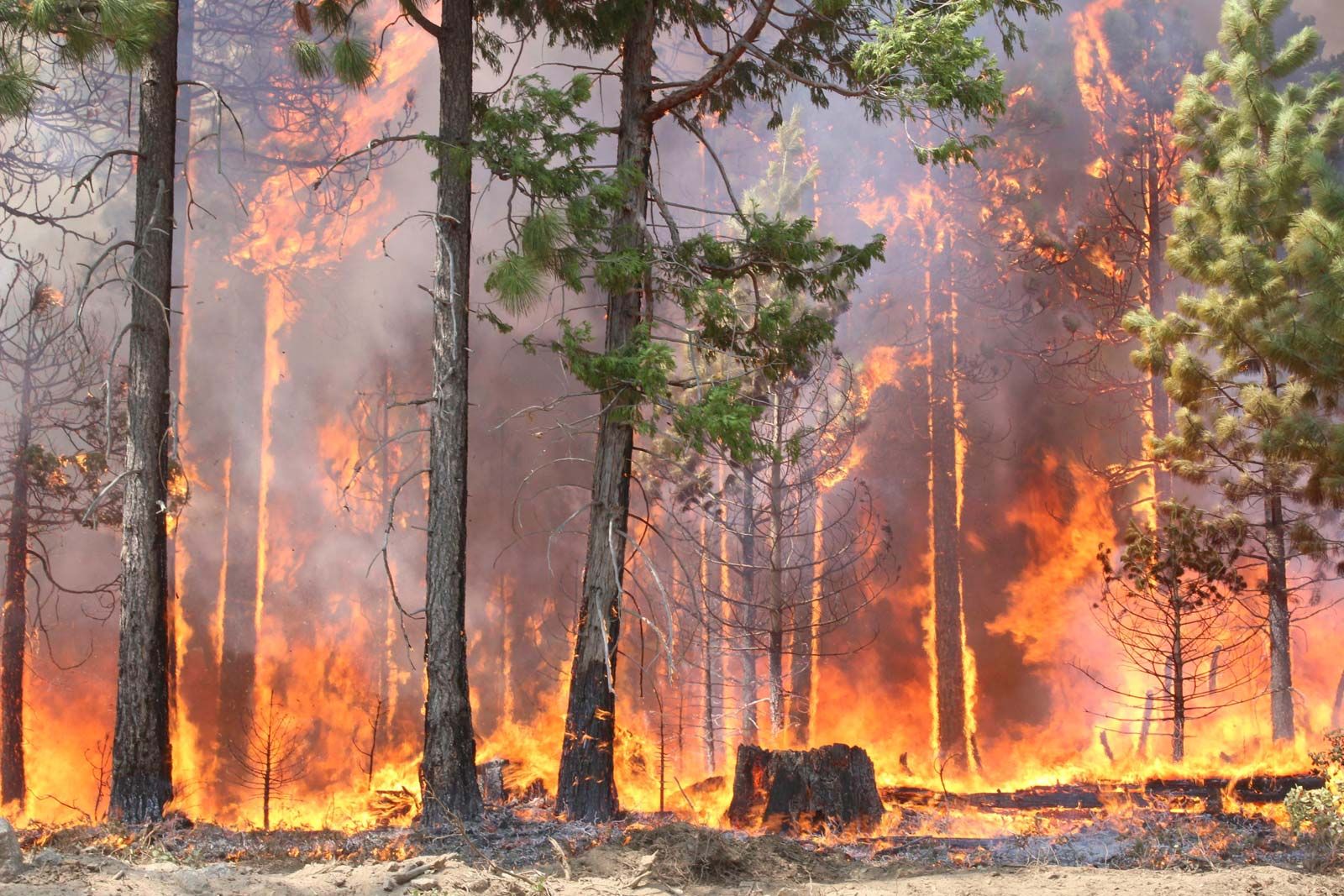
That shift is the study central warning. Deforestation, road construction, forest fires, the use of heavy machinery and a growing human population are steadily eating into the tree cover that cavity-nesting owls depend on, the researchers found. As tree snags become scarcer, owl species are being pushed toward rock cavities that may not always be functionally equivalent, particularly for species that rely on the microclimate and camouflage of a hollow tree trunk.
A wider warning, backed by numbers:
Shangla's shrinking tree cover is not an isolated story. Globally, ornithologists recognise around 243 owl species across two families the barn owls (Tytonidae, roughly 16 species) and the so-called "typical owls" (Strigidae, roughly 227 species) found on every continent except Antarctica. BirdLife International lists dozens of these species as threatened with extinction, citing habitat loss and fragmentation, hunting and climate change as the principal drivers; conservation groups in North America estimate that a third or more of native owl species are now in decline.
Pakistan own owl population reflects that pressure. Wildlife officials and researchers currently put the country owl fauna at around 16 species, though comprehensive national population data remains scarce. Species such as the Himalayan barred owlet, oriental scops owl and pallid scops owl have already vanished from sites like Islamabad's Margalla Hills National Park, where they were recorded as recently as the early 1990s a warning sign of how quickly cavity-nesting birds can disappear once their habitat is degraded.
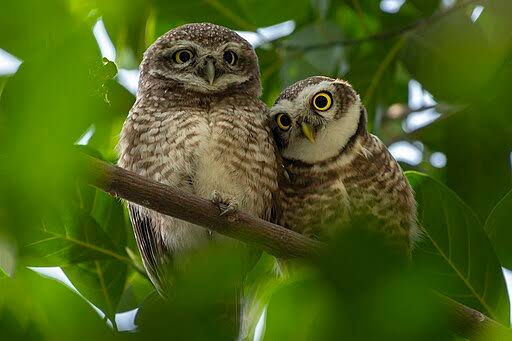
District-level data for Khyber Pakhtunkhwa owls remains limited beyond scattered studies such as this one, leaving much of the province night-time raptor population effectively undocumented.
The stakes go beyond the birds themselves. Owls are among the most effective natural forms of pest control, preying on rodents and insects that damage standing crops and stored grain a service of direct value to Shangla farming communities, and one that becomes harder to replace once owl numbers fall. Every hollow tree lost to the axe or the chainsaw, the researchers say, is one less option for a bird that cannot build its own nest and depends entirely on cavities already carved out by time, decay or weather.
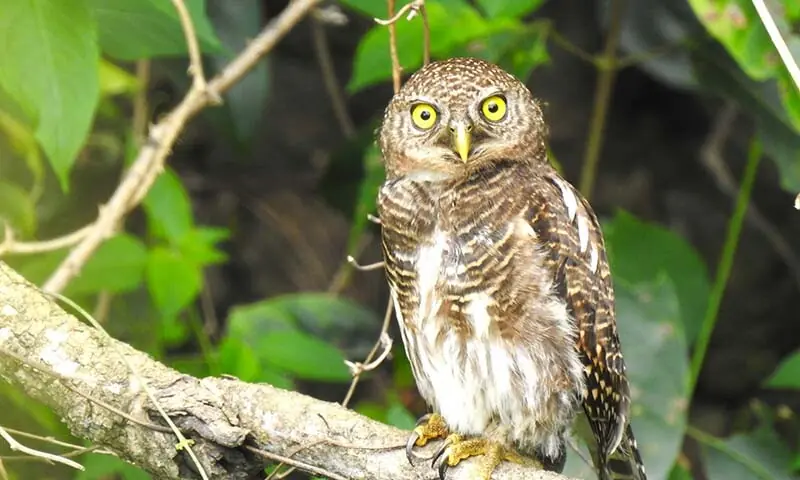
The message from this study is straightforward: what happens to Shangla's forests happens to its owls. Continued deforestation, unchecked construction and the steady spread of settlements into old-growth woodland are narrowing the nesting choices of species that have relied on these mountains for generations.
The researchers hope their four years of data will now push local wildlife managers, forest authorities and communities to treat the protection of remaining tree cover and rock habitats as urgent not simply for the sake of the owls hidden in Shangla's cliffs and canopies, but for the wider ecological balance the district depends on.
.jpeg)





Comments
No comments yet. Be the first 🙂