


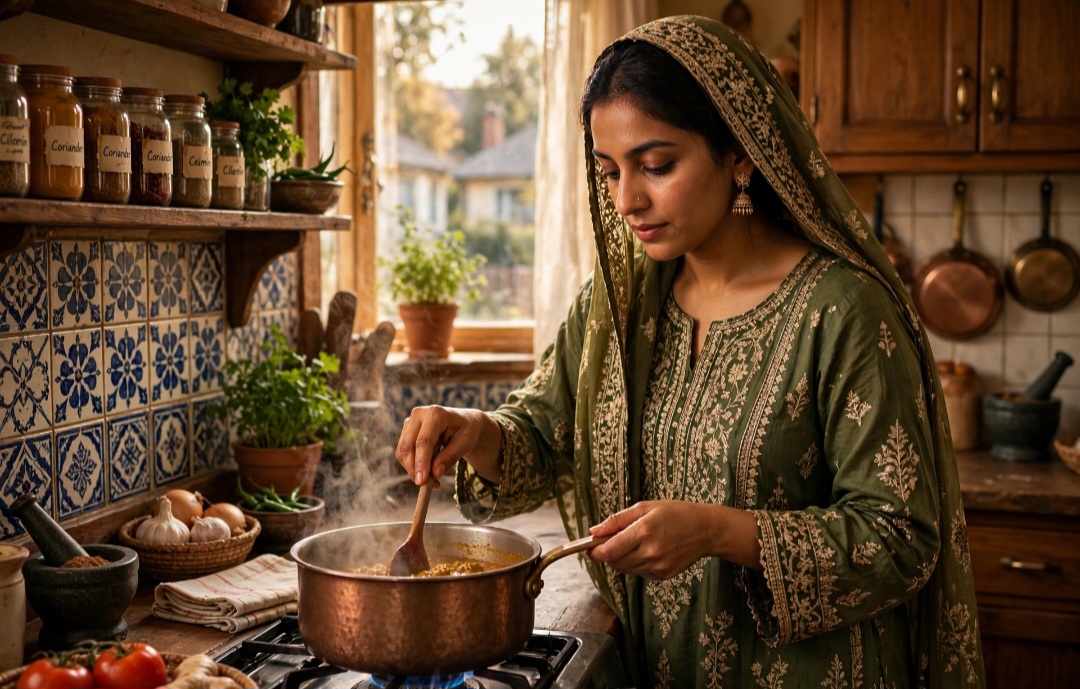
Many women spend their lives caring for their families, managing household responsibilities and putting everyone else's needs before their own. In rural communities, women's daily labour often goes unnoticed, while their health, exhaustion and personal aspirations receive little attention.
For many women, the day begins with preparing meals, baking bread, caring for children and elders, washing clothes, cleaning the house and managing countless other tasks. By the time these responsibilities are fulfilled, little time or energy is left for themselves. Their work keeps households running, yet it is often treated as an ordinary duty rather than labour deserving recognition and appreciation.
The constant burden of household work can also affect women's physical and mental well-being and limit their social lives. Many have little opportunity to go out, enjoy leisure time or pursue personal interests. For some, life at their parents' home revolves around serving the family, and after marriage, the same responsibilities continue, leaving their own needs and aspirations overlooked.
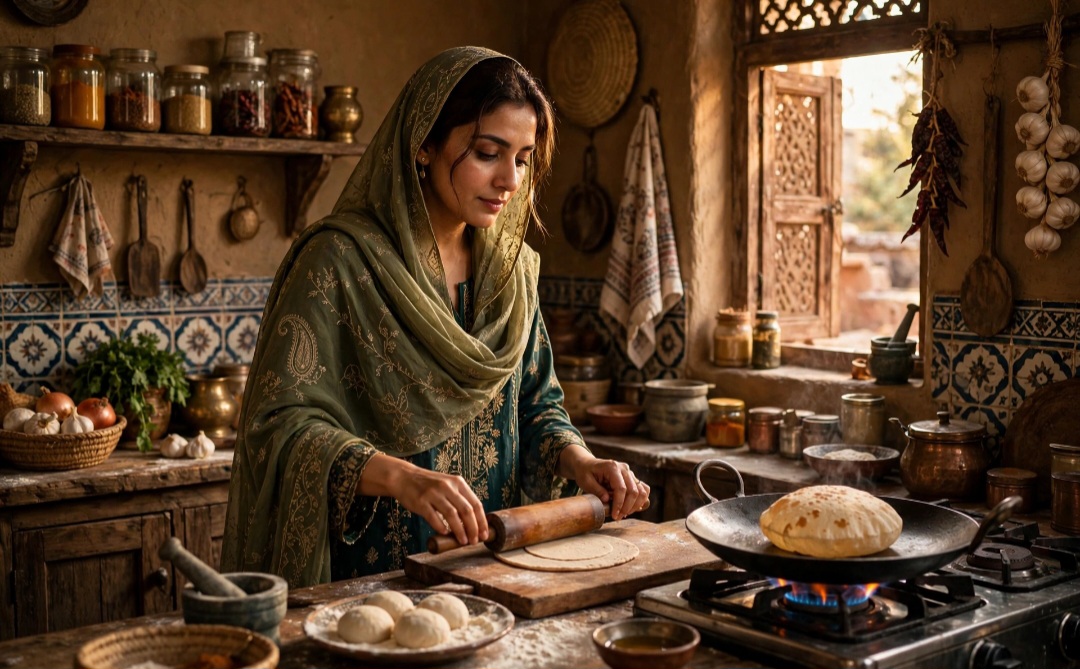
Despite doing so much, women are often not given the importance, respect and attention they deserve. Their daily efforts are taken for granted, while even small mistakes may invite criticism. Years of dedication, sacrifice and hard work are rarely acknowledged, and their feelings, health and wishes are often pushed aside in favour of other household priorities.
Managing household responsibilities reflects women's dedication and capabilities, but it should not mean that their own needs and ambitions are neglected. They deserve respect, affection, rest, care for their health and opportunities to enjoy life. Men, too, should recognise women's contributions, encourage them and share household responsibilities rather than treating domestic work as solely women's duty.

A woman is not merely someone who manages a household or serves others; she is an individual with her own dreams, feelings, ambitions and identity. When her efforts are recognised and she is given opportunities to make choices, pursue interests and develop her abilities, she can thrive beyond household responsibilities. Recognising women's contributions, supporting their aspirations and valuing their achievements can help build healthier families and a more equitable society.




Comments
No comments yet. Be the first 🙂