


These days, the TV drama “Aap Ki Izzat” is receiving a lot of attention from viewers. It is not just an ordinary story about a husband and wife; rather, it explores love, marriage, infidelity, self-respect, and the double standards of our society. Written by renowned writer Umera Ahmed, the drama features Ahsan Khan as Tabish, while Urwa Hocane plays the character of Bina.
The story revolves around Bina and Tabish, who have been married for 14 years. There was a time when they loved each other deeply. Bina stood by her husband through both good and difficult times.
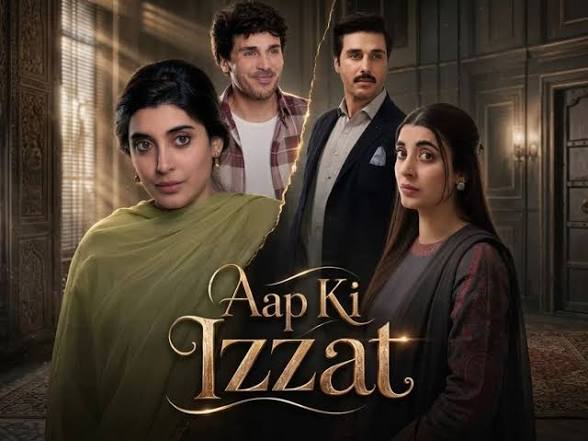
During their financial struggles, she spent her savings and even her jewellery on her husband, putting many of her own wishes aside. But with time, Tabish’s life changes. After gaining wealth and success, his attitude also changes, and he gradually becomes emotionally distant from his wife.
This is where the drama becomes more than just a story about one household. It raises an important question for our society: Are a woman’s sacrifices remembered only during difficult times?

Bina is the same woman who held Tabish’s hand when circumstances were not in his favour. She considered her in-laws’ home her own, treated her husband’s relatives as her own family, and spent a major part of her life trying to make that house her home. She even sacrificed her dowry for the happiness of her in-laws.
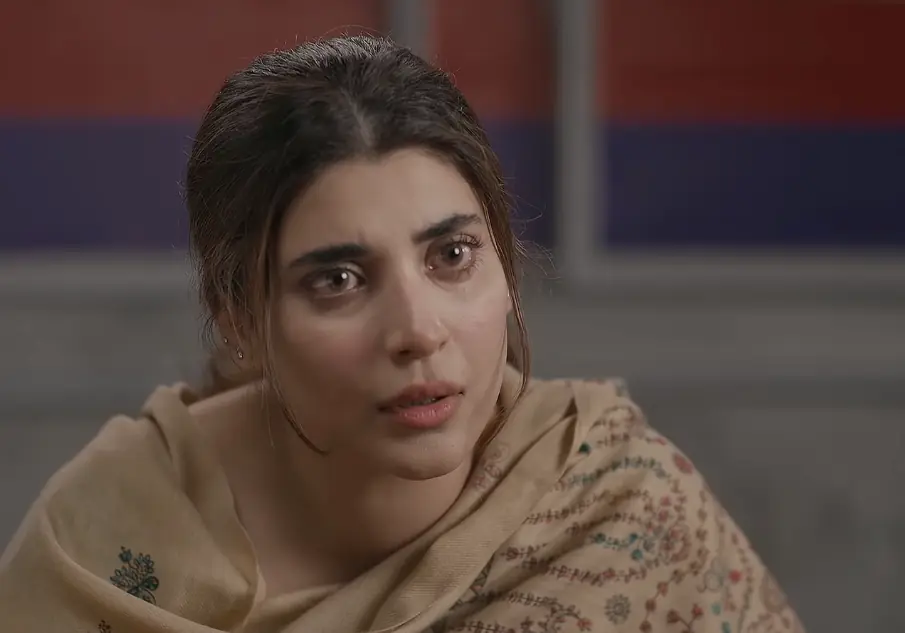
For her, it was not simply her husband’s house; it was her life. But when her husband becomes successful, the direction of the story changes. The sacrifices of the woman whose love once meant everything to him now begin to look like flaws.
Questions are raised about her weight, age, clothes, and appearance. It is as if a woman’s worth matters only as long as she remains young, beautiful, and looks the way a man wants her to. This naturally raises a question: “Is a woman valued only as long as she continues to look young and beautiful?”
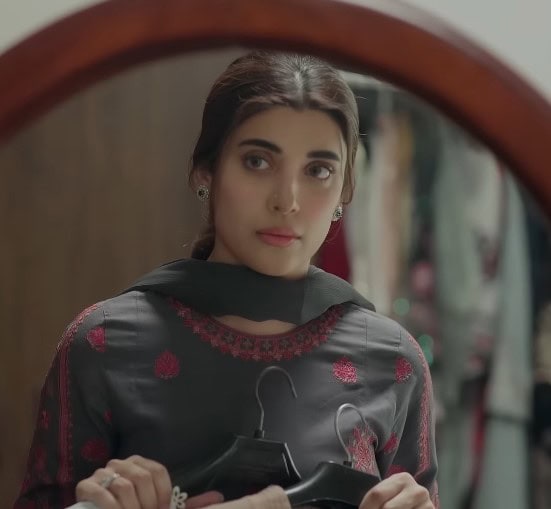
The drama also challenges the mindset in our society where girls are taught from childhood that after marriage, they must take care of the household, maintain relationships, support their husbands, and endure difficult times. But the question is: Are men also taught that respecting their wives, valuing their emotions, and appreciating their sacrifices is their responsibility?
It is often assumed that if a husband fulfils his wife’s financial needs, he has done his duty. But a woman does not only need a good home, expensive clothes, jewellery, or material comforts. She also needs love, attention, respect, and the feeling that she is still important in her husband’s life. Sometimes, a woman may have everything, yet still feel that she has lost the person for whom she gave up so much.

That is why when Bina asks her husband for respect and appreciation, it does not feel like the anger of a single day. Behind her words stands an entire 14-year-long life. Her words carry not just a complaint, but also the pain accumulated over all those years. It is as if she is saying: “You did not respect me. You did not value me.”
The situation in the drama becomes even more serious when another woman enters Tabish’s life. Without telling Bina, he begins preparing for a second marriage. The woman who stood by him for years suddenly starts feeling unwanted in her own home.
Also Read : The Road Is Unsafe. Is Ending Her Education the Answer?
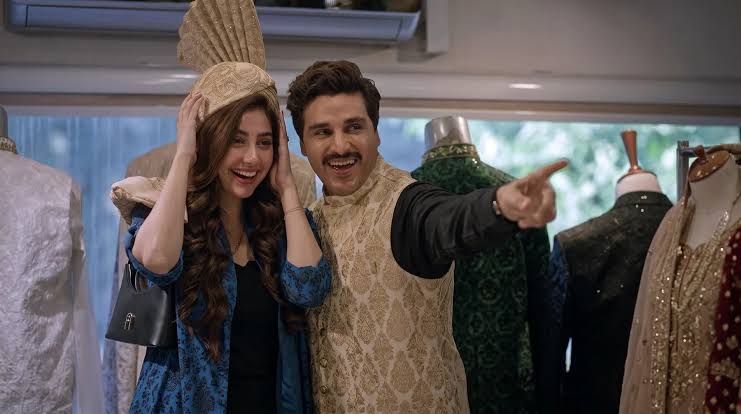
And then comes the turning point that has made “Aap Ki Izzat” the subject of a major debate on social media.
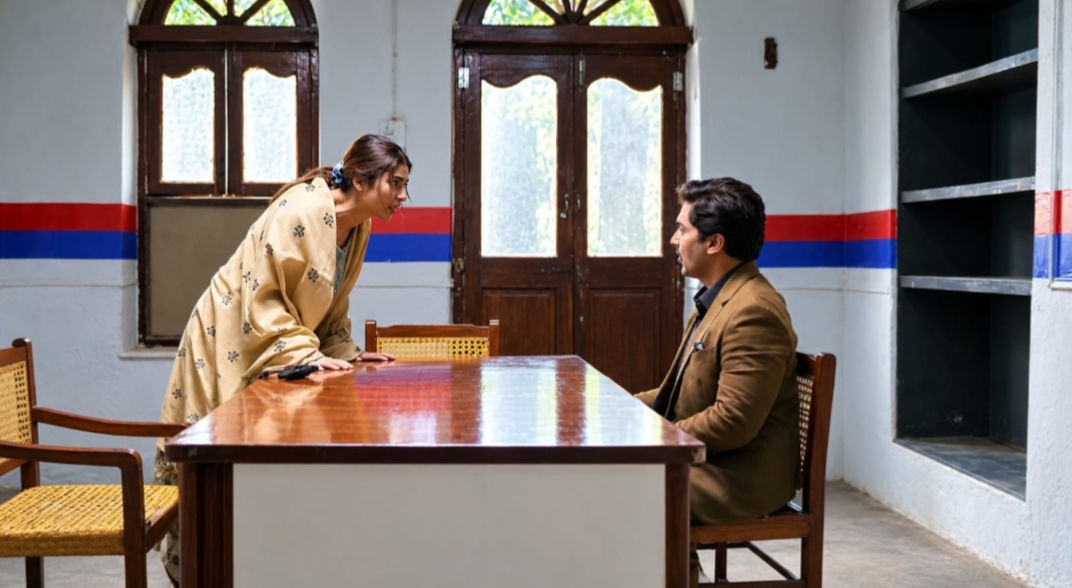
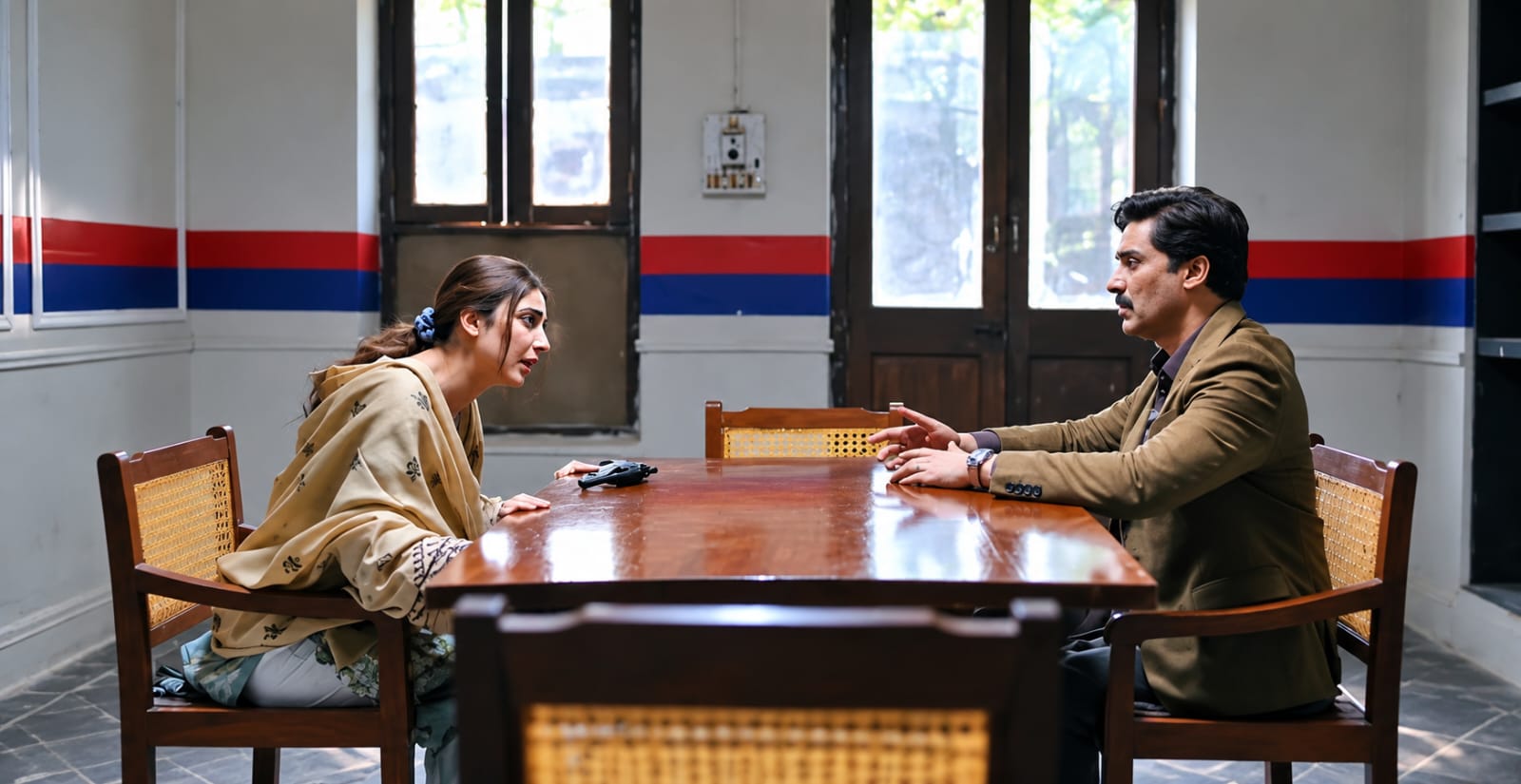
In the recent episodes, particularly episodes 15 and 16, the long conversation between Bina and Tabish at the police station became widely discussed among viewers. In the scene, the husband and wife sit facing each other.
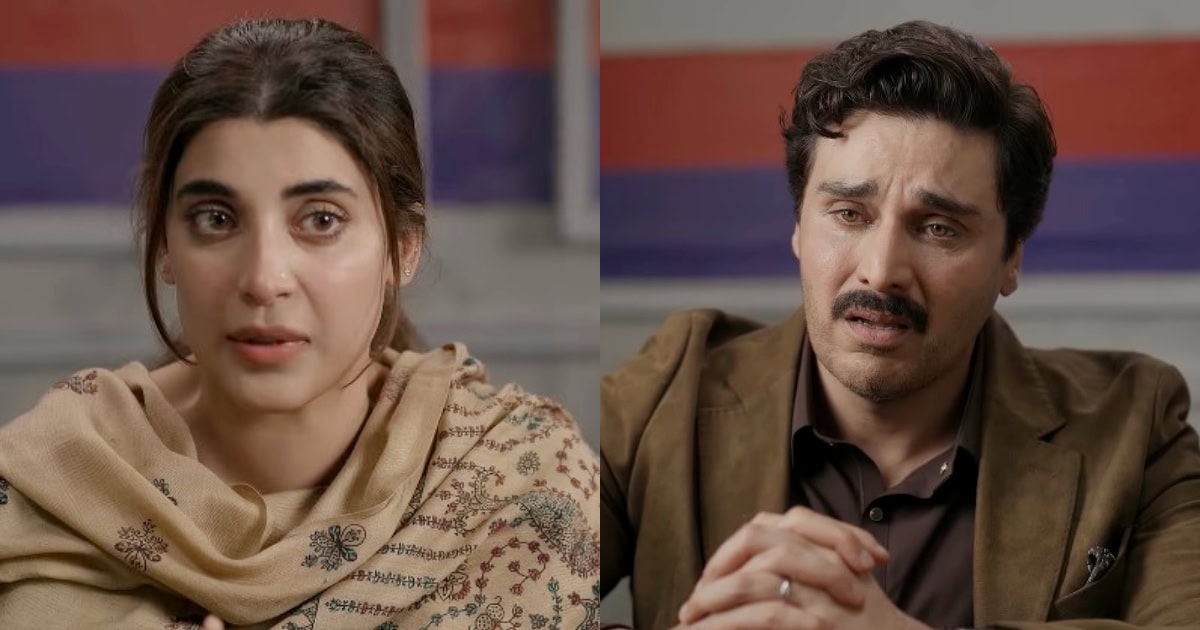
Tabish asks his wife to explain her decision, but instead of remaining silent or simply portraying herself as a victim, Bina confronts her husband with his own actions and makes him answer for them. The scene became particularly popular because Bina raised questions that many women keep in their hearts but remain silent about.
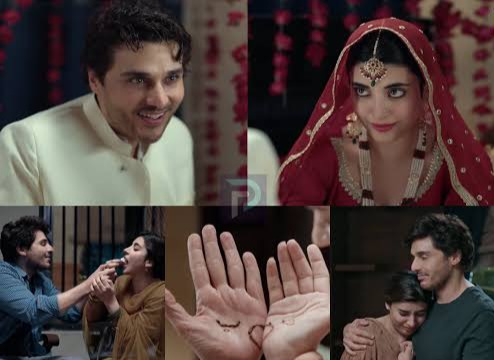
Bina’s question is not only directed at Tabish but at society as a whole: If a woman makes a mistake, she is immediately called unfaithful and immoral, but when a man does the same thing, why are excuses found for him? This is where the drama highlights one of the biggest double standards in our society. “If I am unfaithful, I am called unfaithful, but if you are unfaithful, you are considered religious?” This question is not only for Tabish but for a mindset that sets different standards for men and women.
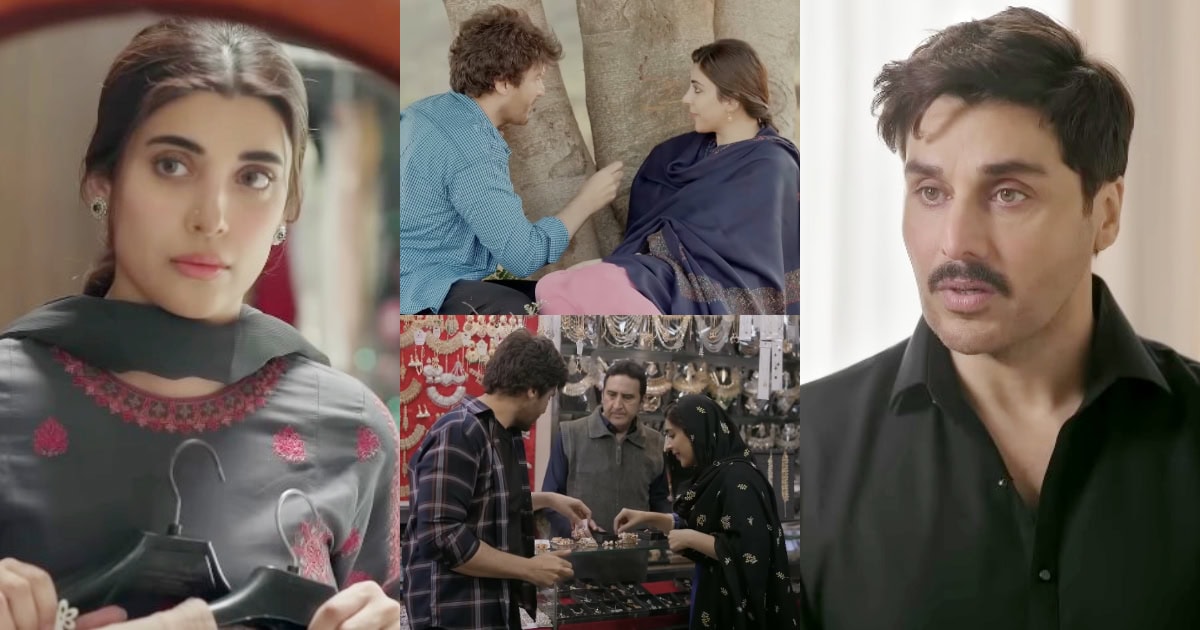
If a woman has a relationship with a man other than her husband, questions are immediately raised about her character. But if a man does the same, it is sometimes described as “a man’s nature”; sometimes his right to marry again is brought up, and at other times religion is used as a justification.
Here, it is also important to understand the distinction. Islam does permit more than one marriage, but this permission cannot be used to justify secret relationships, infidelity, or every personal desire. Marriage is not simply about desire; it also involves justice, rights, and responsibility.
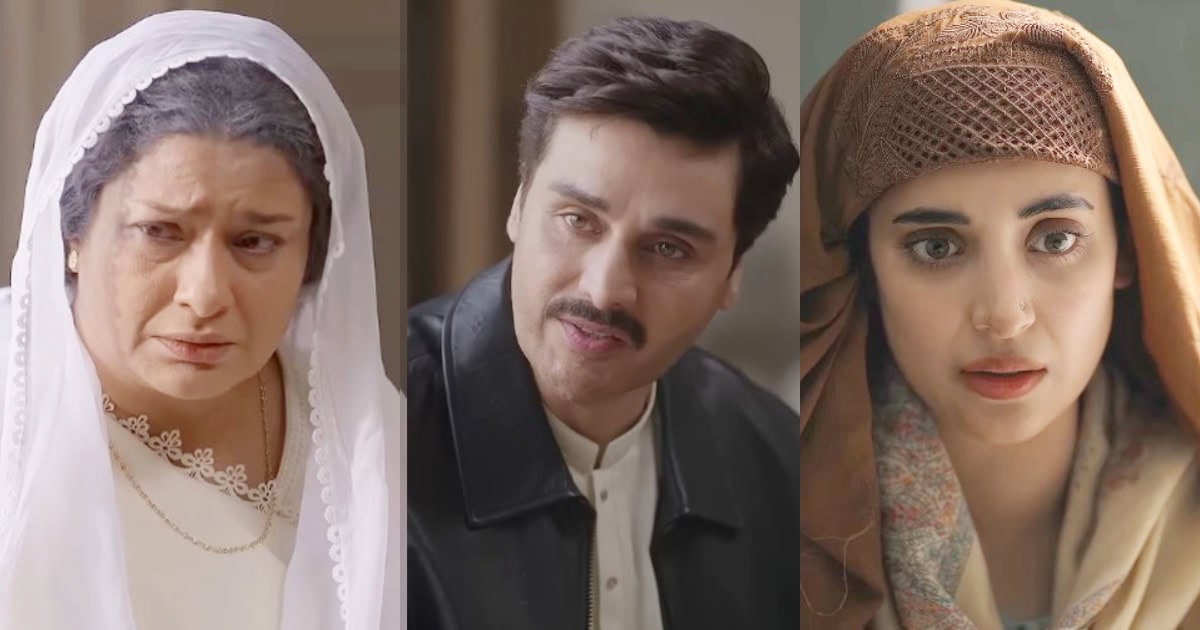
That is why, when religion is used as an argument in favour of one’s desires, a question arises: when it comes to worship, character, justice, and the rights of others, where do those same principles go? If excuses are found for a man’s mistakes, why is a woman met only with blame? The principles should be the same for both.
However, the message of the drama should not be reduced to a battle between men and women. Infidelity and injustice are wrong, whether committed by a man or a woman, and using religion according to one’s own desires is also not right.
The real question is this: If women are expected to be loyal, make sacrifices, and endure hardships, why should men not also be expected to show loyalty, respect, and responsibility?
Perhaps the popularity of “Aap Ki Izzat” lies in the fact that it does not simply question the person who made a mistake; it also shows how much may already have broken down in a relationship before that mistake took place. A woman does not only need a big house and material comforts; she also needs her place, respect, and value in the relationship.
Perhaps the most important lesson of the drama is that if someone stood by you during your difficult times, valuing that person’s support after achieving success is also your responsibility. Relationships are sustained not only by love, but also by respect and appreciation.
Note: This article reflects the personal opinion of the writer and does not necessarily represent the views of the organization.


.jpeg)
Comments
No comments yet. Be the first 🙂