


By Ehsan Khan Ahmadzai
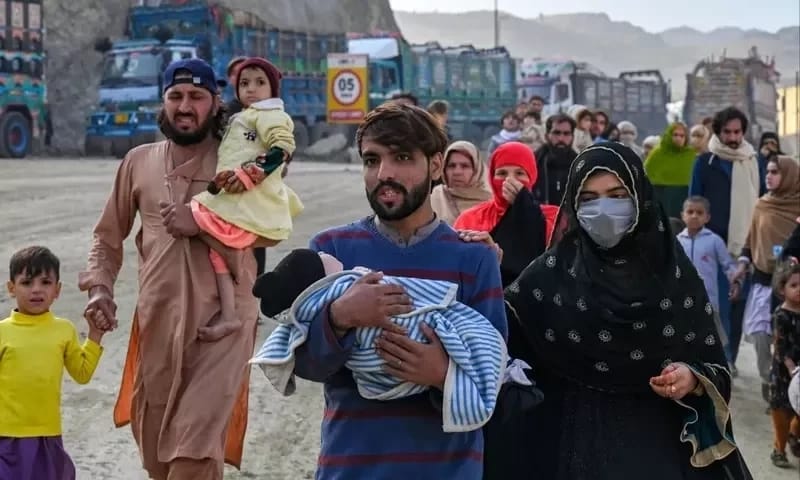
Thousands of Afghan refugees awaiting resettlement in the United States are facing prolonged delays, legal complications and economic hardships in Pakistan and Qatar. They include former Afghan government employees, journalists, human rights activists, people who worked with US institutions, and their family members. Tougher US immigration policies and fears of deportation have further increased uncertainty about the future of these families.
Concerns have also grown among Afghan refugees following US President Donald Trump’s moves to tighten immigration laws and support the deportation of undocumented migrants. Meanwhile, reports have emerged that the deportation of around 150 Afghan nationals from the United States has been postponed. However, this cannot be considered a guarantee of permanent protection or a change in policy.
According to available information, around 19,973 Afghan nationals in Pakistan are at various stages of the US resettlement process. They include applicants under the P-1 and P-2 programmes, while some cases have been referred through the United Nations High Commissioner for Refugees (UNHCR).
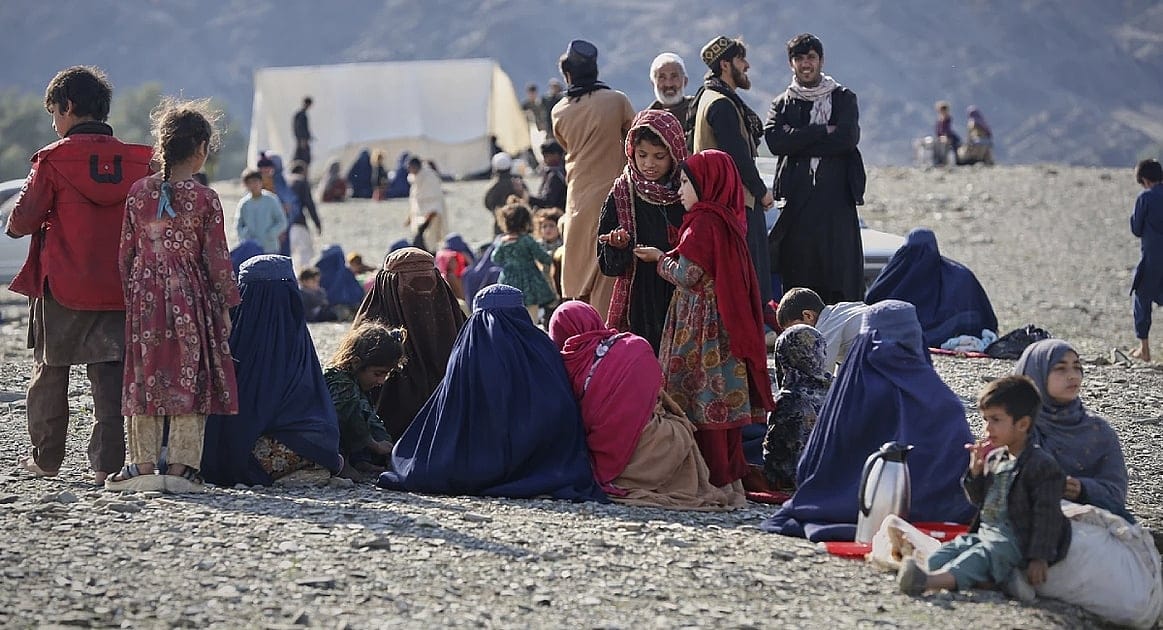
However, inclusion in these programmes does not guarantee resettlement in the United States, as every applicant must undergo security screening and fulfil other legal requirements. A large number of Afghan families in Qatar are also awaiting relocation to the US while living in temporary accommodation and camps.
Commenting on the possible impact of changes in US politics and immigration policies, Tahir Khan, an Islamabad-based journalist and analyst on Pakistan-Afghanistan affairs, says political changes in the United States could affect the future of Afghan refugees. However, decisions on their cases will depend on the priorities of the US government and established legal procedures. He says applicants should not expect their pending cases to be approved immediately based solely on election results.
Muhammad Aqif Sher, a lawyer specialising in immigration and refugee affairs, says that if Democrats gain greater political influence in the US, there may be hopes of a more lenient approach towards human rights and refugee policies. However, he says this is not certain. He advises applicants to obtain accurate information about the legal status of their cases and the required documentation.
Also Read : A Few Clicks, Millions Lost: How Aviator B9 Is Ruining Lives
The difficulties faced by Afghan families living in Pakistan can be gauged from the situation of Maroof Khan Haqparast. He says his family's interview and medical examination for US resettlement were completed on May 31, 2024, but they have yet to receive a date for relocation to the United States.
Maroof Khan says fears of arrest and deportation have disrupted his family's life, while women and children are also experiencing constant psychological stress.
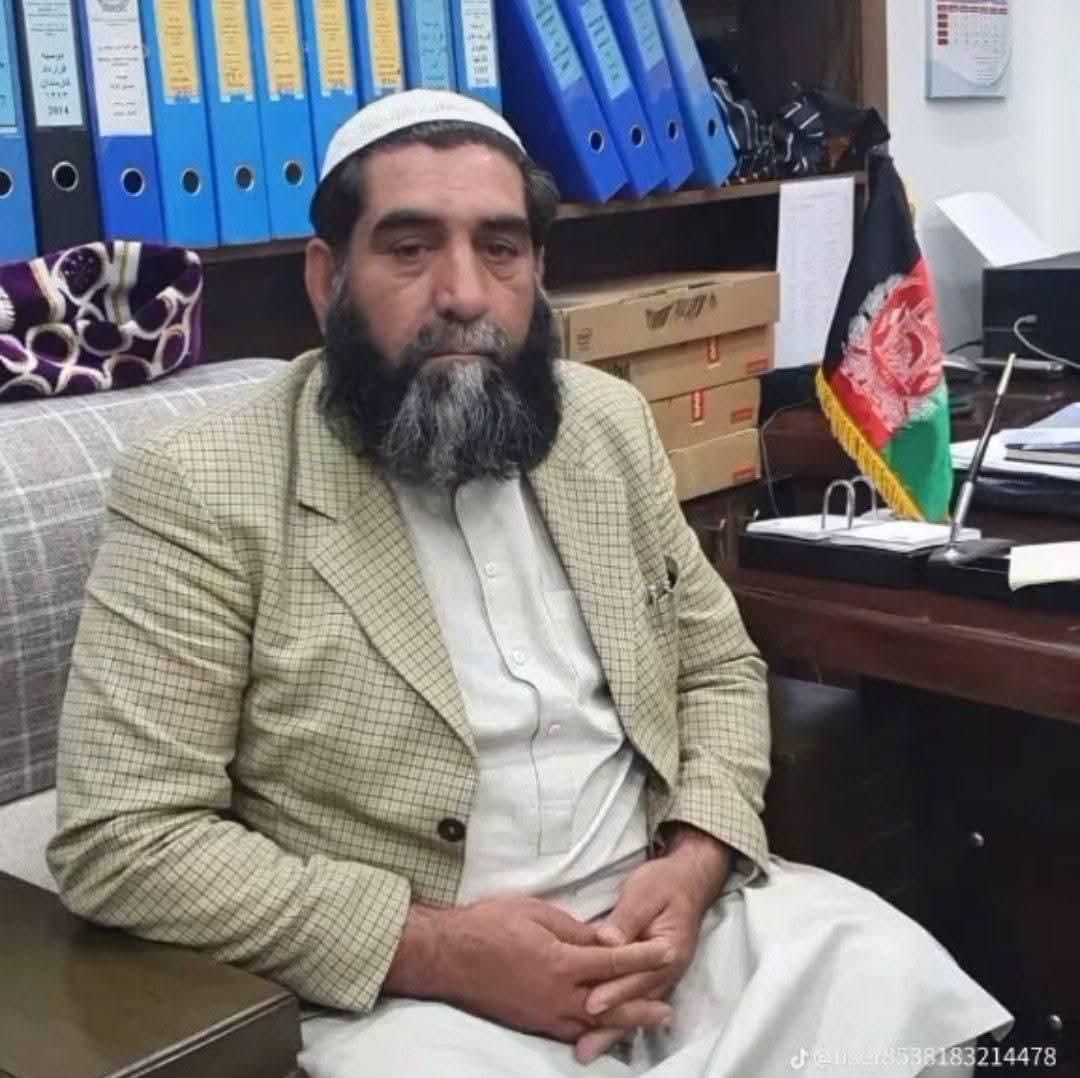
"Above everything else, our biggest concern is security. We constantly live in fear of the police arriving, arresting us or deporting us. This anxiety has severely affected the mental health of our children and women," he says.
He adds that his children are unable to get admission to schools, affecting their education. Limited employment opportunities have also made it difficult for the family to meet its basic needs. He says they have been forced to sell essential household belongings at half their original price to cover their expenses.
Accommodation has also become a major challenge. According to Maroof Khan, landlords have been asking them to vacate their homes, while the rent for accommodation that previously cost around Rs10,000 has now increased to between Rs20,000 and Rs30,000 for a similar property.
The most alarming concern for his family is an eye condition affecting three of his children. Maroof Khan says the children are suffering from cataracts and increased pressure inside their eyes, with their eyesight reportedly deteriorating by nearly 98 per cent.
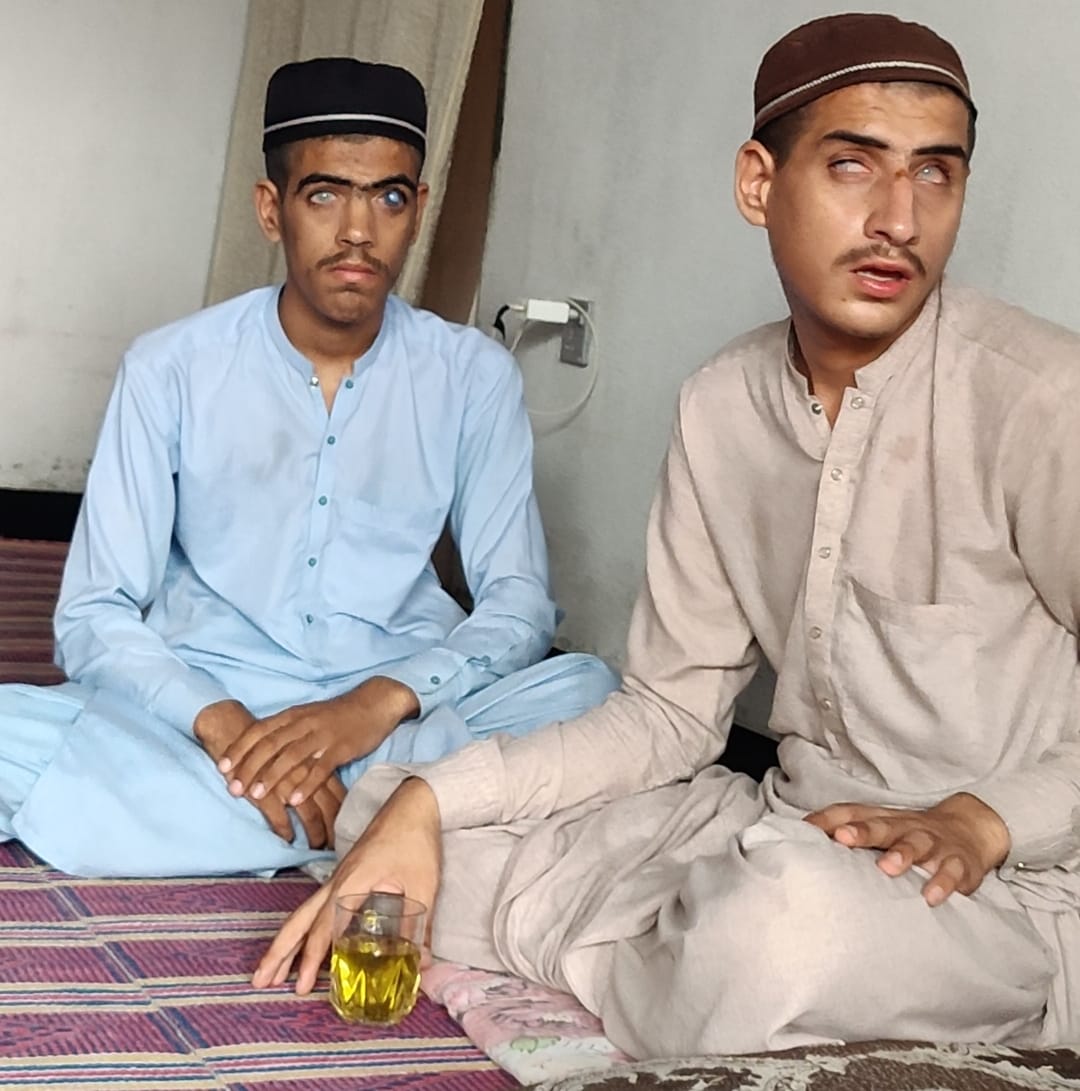
"My biggest personal concern is the eye disease affecting my three children. Their eyesight has deteriorated by almost 98 per cent. We cannot even take our children to hospital for treatment because we fear that the police might arrest us or deport us," he says.
Maroof Khan says he has repeatedly contacted the UNHCR and the International Organization for Migration (IOM) for assistance with his children's treatment and other family problems. However, he claims that he has yet to receive a satisfactory response.
He says prolonged waiting, financial difficulties and security concerns have also taken a toll on the mental health of women and children in his family.
He has appealed to the relevant authorities to review his case and expedite the process. He also urged them to ensure that his family receives protection in Pakistan, along with access to education for children, medical treatment, employment opportunities and adequate housing until a final decision is made on their relocation to the United States.
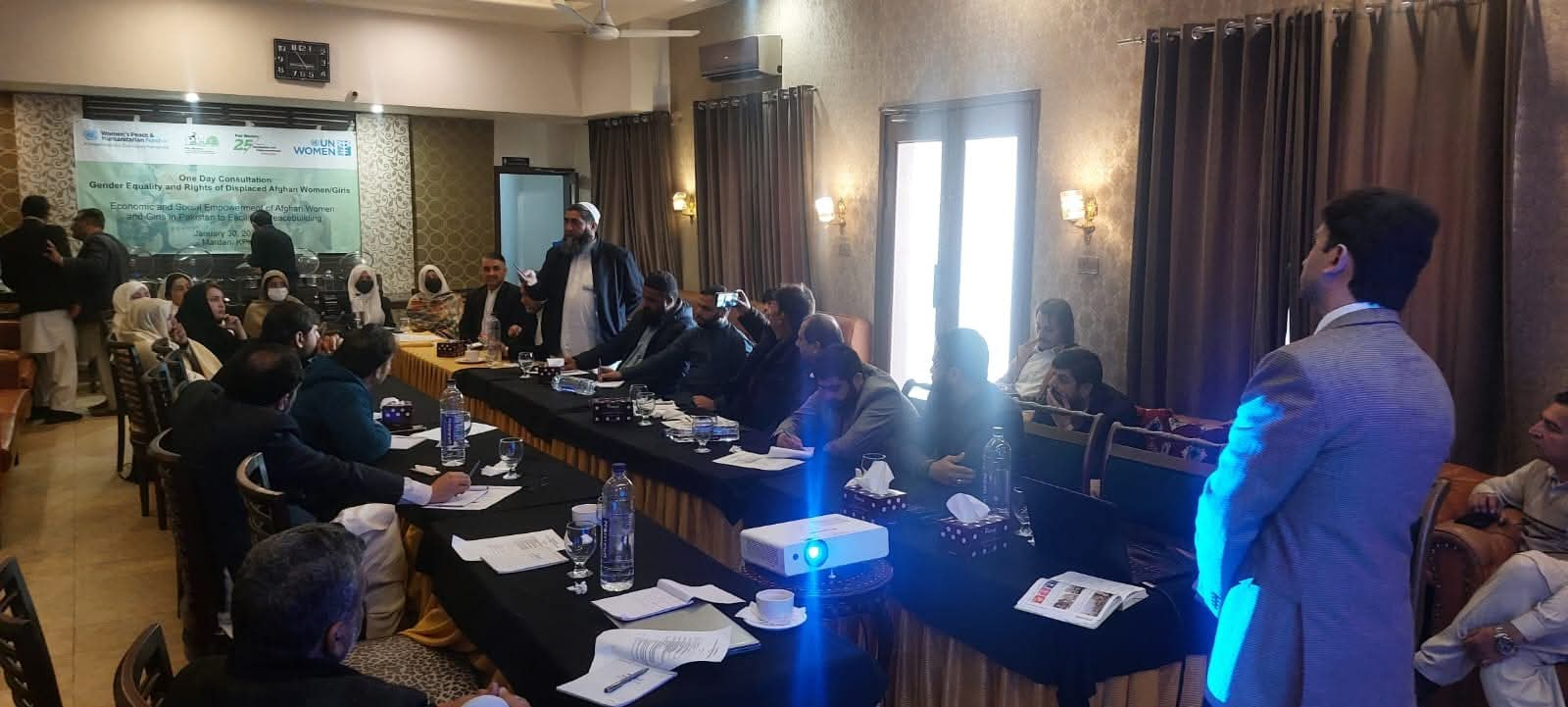
For Afghan families awaiting resettlement in the United States, the issue is not limited to obtaining visas or relocation dates; it is also about living safely while they wait. Every passing day brings new challenges related to their children's education, healthcare, employment and housing. These families are calling for transparent and timely decisions on their pending cases so they can move beyond uncertainty and work towards a safe and secure future.

Comments
No comments yet. Be the first 🙂