


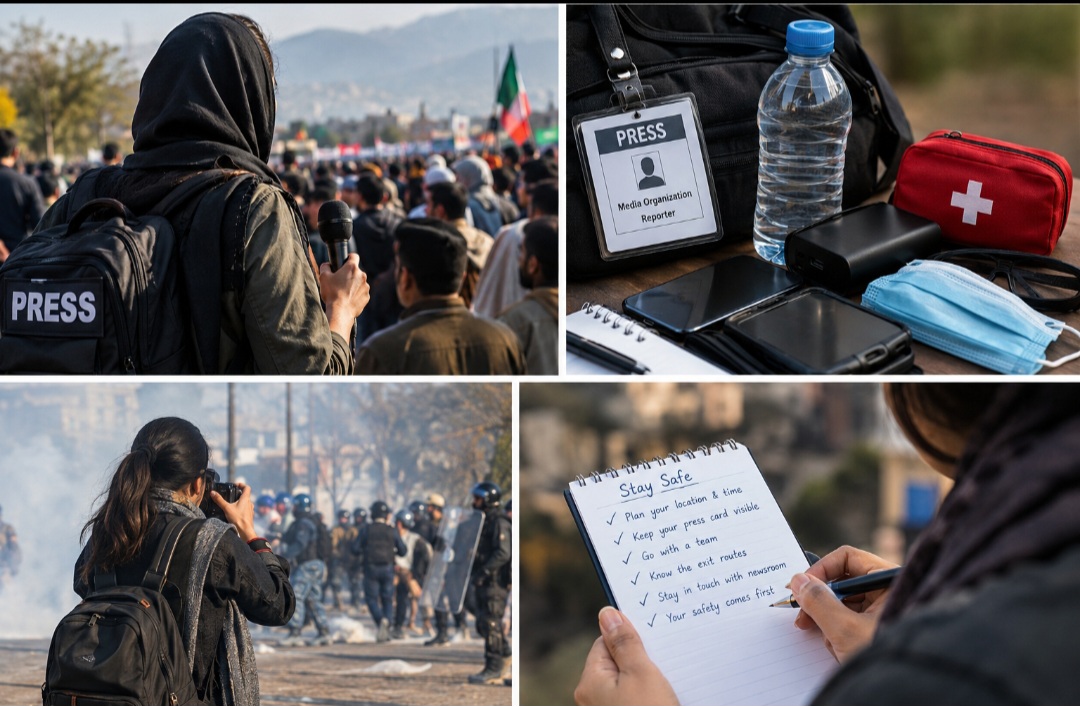
Reporting in crowded places is not an easy task for women journalists in Khyber Pakhtunkhwa. Whether it is a political rally, protest, or demonstration, women journalists at such locations have to not only perform their professional duties but also pay special attention to their personal safety.
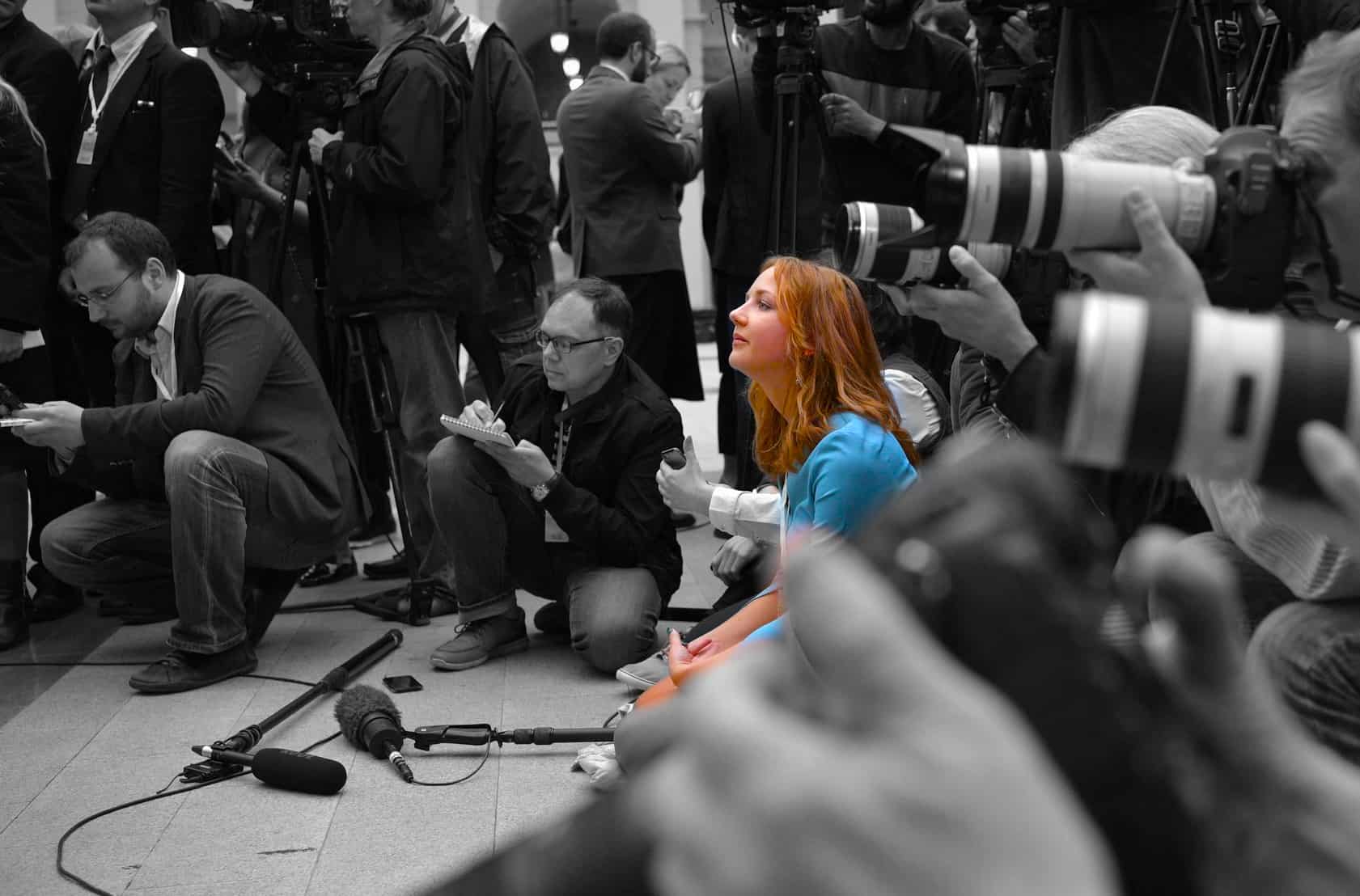
Despite social barriers and challenges, women journalists remain in the field to keep the public informed. However, the most important thing before reporting is ensuring personal safety. The news may be important, but life is far more valuable.
By following a few basic safety measures while reporting in crowded places, women journalists can protect themselves and perform their professional responsibilities more effectively.
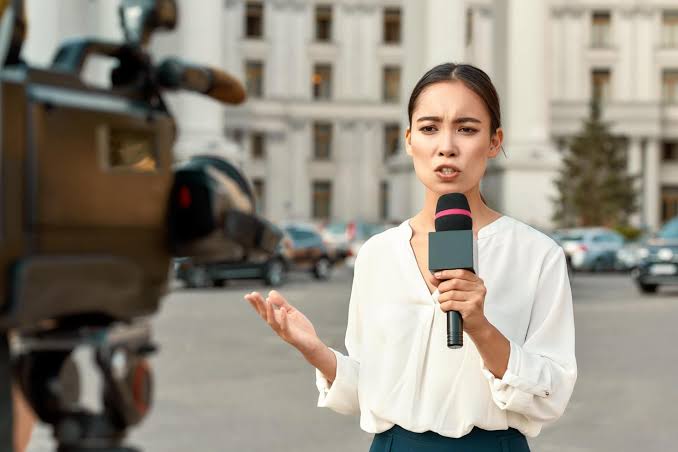
Choosing the Location and Time :
Before leaving for a reporting assignment, the first important step is to assess the location and time. Journalists should know whether the place they are going to cover is safe and suitable for reporting.
Whenever possible, reporting during daylight hours should be preferred. Reporting in daylight is relatively easier, and it is also possible to return before evening.
Always Carry Your Press Card :
A press card is essential when going out for a reporting assignment. It should be worn visibly around the neck so that police, security personnel, and others can clearly identify you as a journalist and know which media organization you represent.
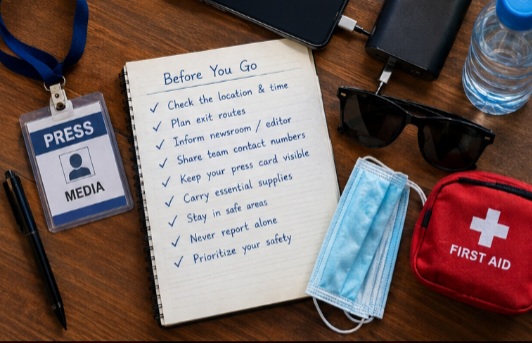
Avoid Going Alone :
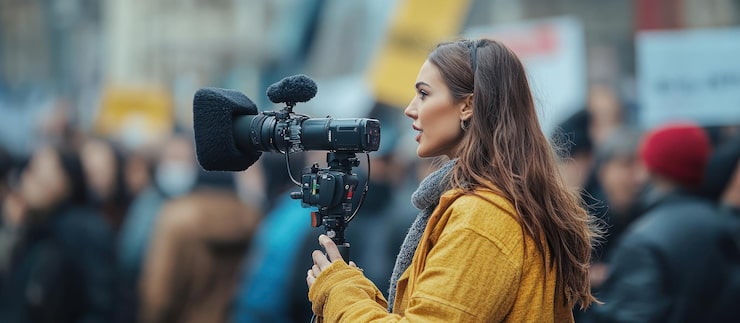
For women journalists, going to crowded places as part of a team is safer. A reporter should ideally be accompanied by a cameraman and a driver.
While the reporter is busy covering the event, the cameraman can monitor the surroundings and alert the reporter to any potential danger. Similarly, the driver should remain near the vehicle so that the team can be taken to safety immediately in an emergency.
Also Read : Lakki Marwat Bar Erupts in Protest, Demands Deputy Commissioner’s Transfer
Potential Risks in Crowds :
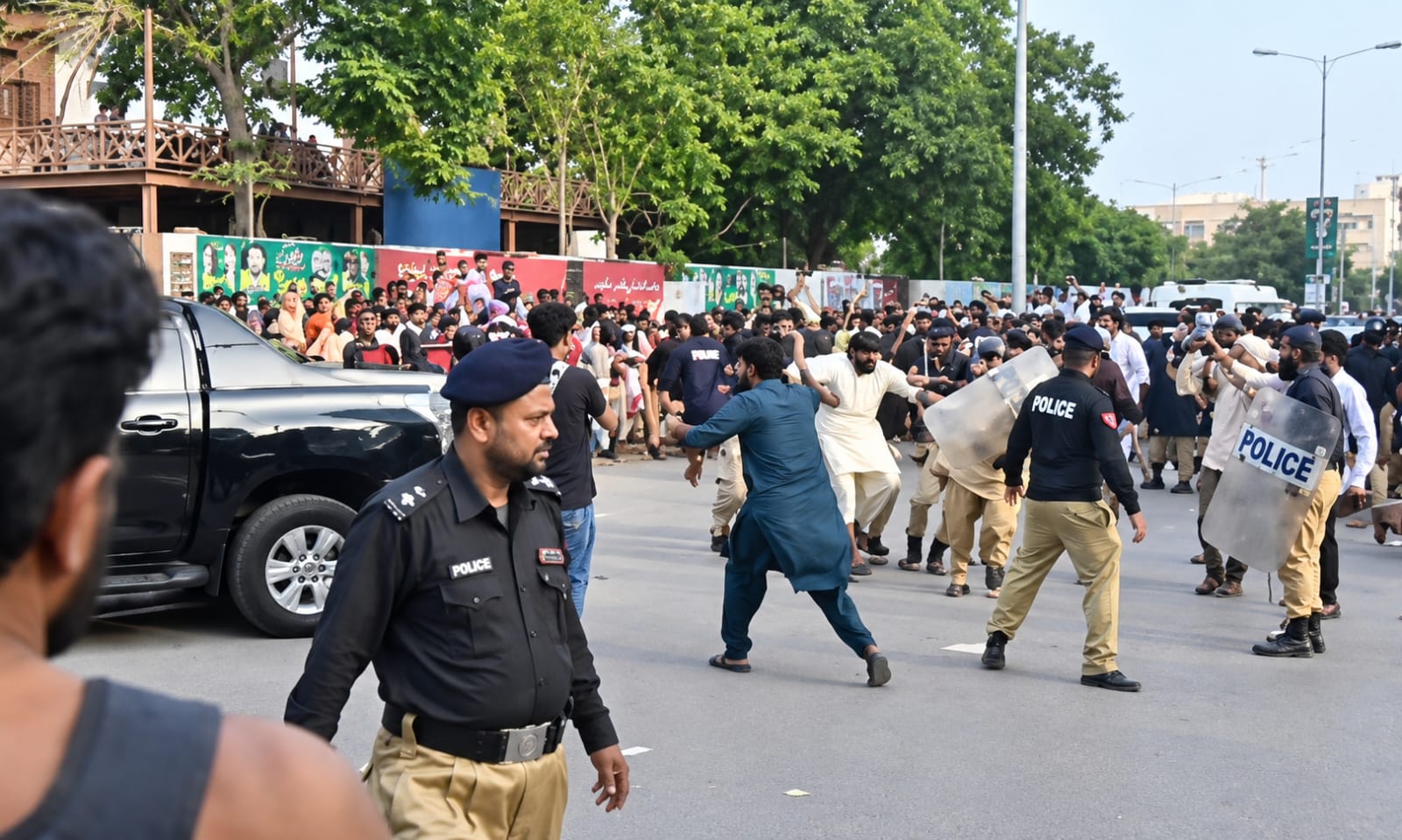
During a protest or demonstration, the situation can change at any time. Police may use tear gas, shelling, or baton charges to disperse a crowd, while protesters may pose a risk of stone-pelting.
Other situations, such as arrests, road blockages, and stampedes, can also occur.
Another important risk for journalists is the loss or theft of professional equipment. Mobile phones, microphones, cameras, USB drives, and other essential equipment should be kept secure.
Carry Essential Supplies :
When reporting from a crowded place, it is useful to carry water, a power bank, protective eyewear, a mask, and a basic first-aid kit.
Avoid carrying expensive jewelry, unnecessary cash, and other valuables so that losses can be minimized in case of an unpleasant situation.
Report From a Safe Location, Not From the Middle of the Crowd :
Standing in the middle of a crowd while reporting can be dangerous. In the event of pushing, a stampede, or a sudden deterioration in the situation, people in the middle of the crowd are more likely to become trapped.
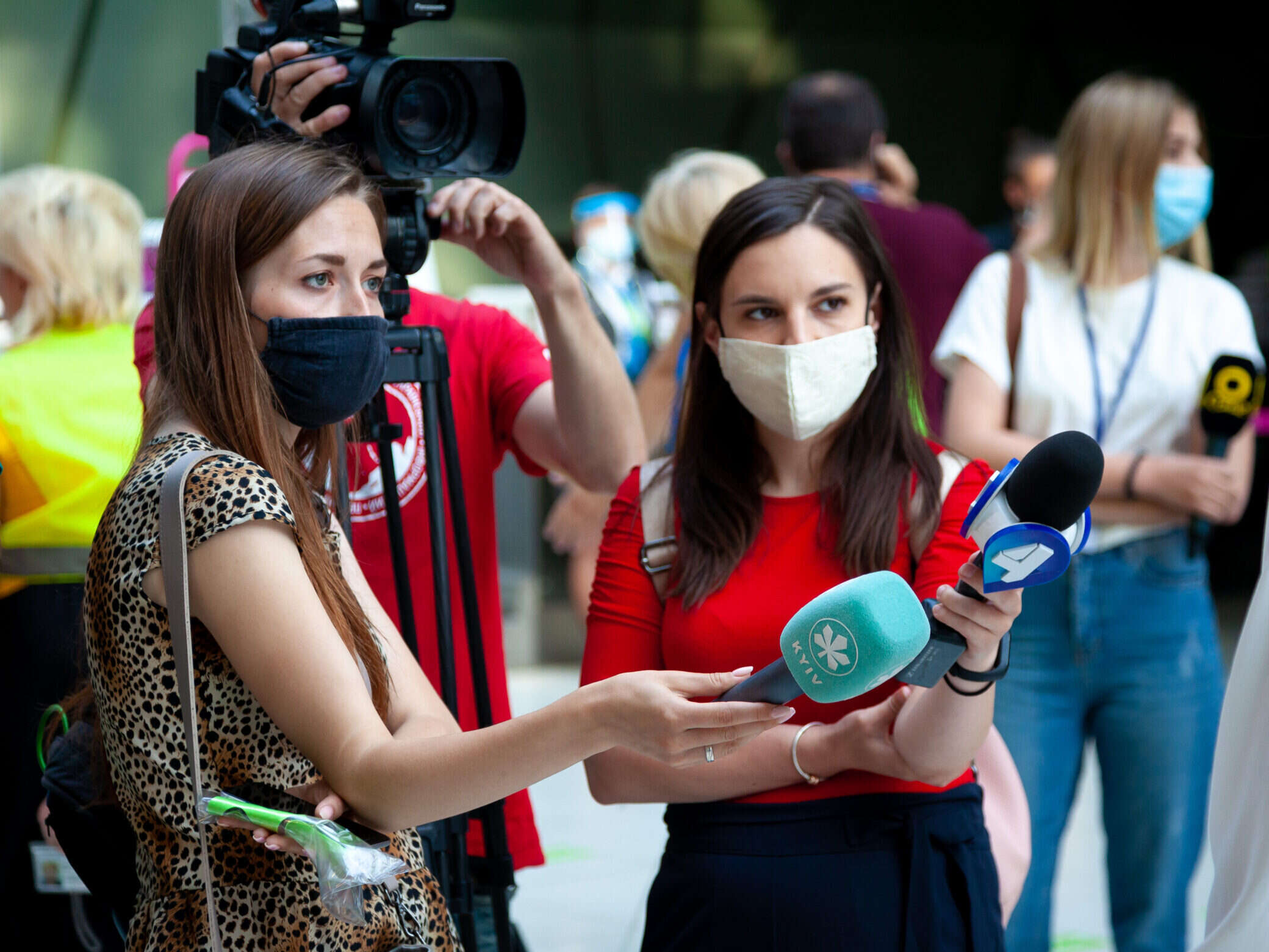
Women journalists should try to report from the edge of the crowd or from a relatively safe location. This allows them to cover the news while also keeping an exit route relatively accessible in case of danger.
The entire team should also decide in advance on a specific meeting point where everyone can reunite if they become separated for any reason.
Stay in Constant Contact With the Editor:
As soon as the team reaches the reporting location, they should inform their editor or newsroom that they have arrived at the site.
If the situation becomes dangerous, the newsroom should be informed immediately. Staying in constant contact not only helps the editor remain aware of the situation but also allows timely decisions to be made when necessary.
The newsroom should have the contact numbers of all team members so that if communication with one member is lost, another team member can be contacted.
Know the Exit Routes in Advance :
Before starting the reporting, it is important to identify the available exit routes. In an emergency, leaving through a route that is already known is safer than trying to find an escape route at the last moment.
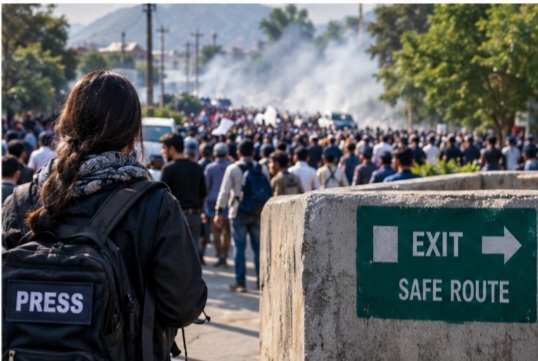
If sudden firing, an explosion, or a major accident occurs in a crowded area, journalists should immediately move to a safe location instead of staying there to observe the situation.
In such circumstances, team members should try to stay in contact with one another. However, if communication is not possible, they should prioritize their own safety rather than putting themselves at risk while waiting for another team member.
The basic purpose of journalism is to keep the public informed and bring the truth to light. For a journalist, the importance of a news story is undeniable, but risking one’s life unnecessarily to obtain a story is not a wise decision.
Note: This article reflects the personal views of the author and does not necessarily represent the views of the organization.
.jpg)
Comments
No comments yet. Be the first 🙂