


By Javed Khan Mohmand
The widening gap between excessive groundwater extraction and natural recharge in Peshawar has raised concerns about the city’s water future.
According to a comprehensive research report, total groundwater extraction in the studied area of Peshawar has reached 166.4 million gallons per day, more than seven times the safe limit of 22.92 million gallons per day stated in the report. Meanwhile, groundwater levels are declining by an average of 1.45 metres annually. If current trends continue, the city could face severe water shortages by 2050.
Growing Dependence on Groundwater:
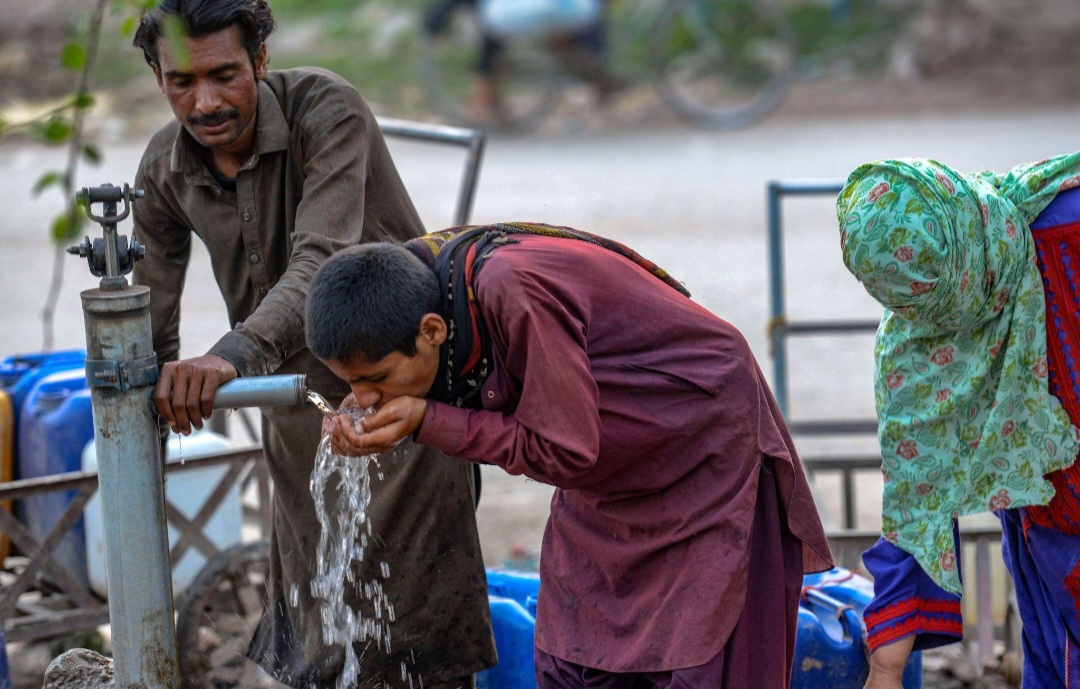
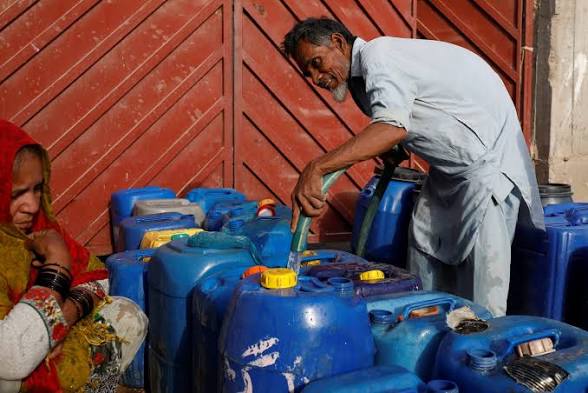
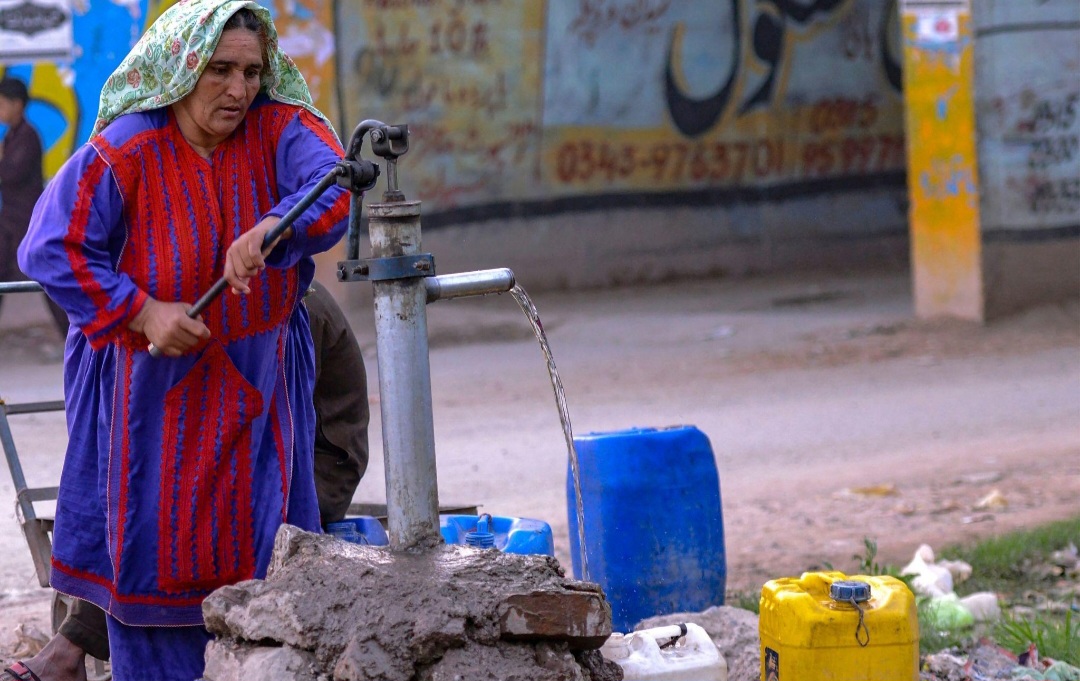
The findings are contained in the “Technical Report on Groundwater Modelling – Groundwater Study of Peshawar.” According to the report, around 90 percent of Peshawar’s domestic and municipal water needs are met through groundwater resources.
These aquifers extend to depths of more than 300 metres and consist of layers of soil, sand, gravel and boulders.
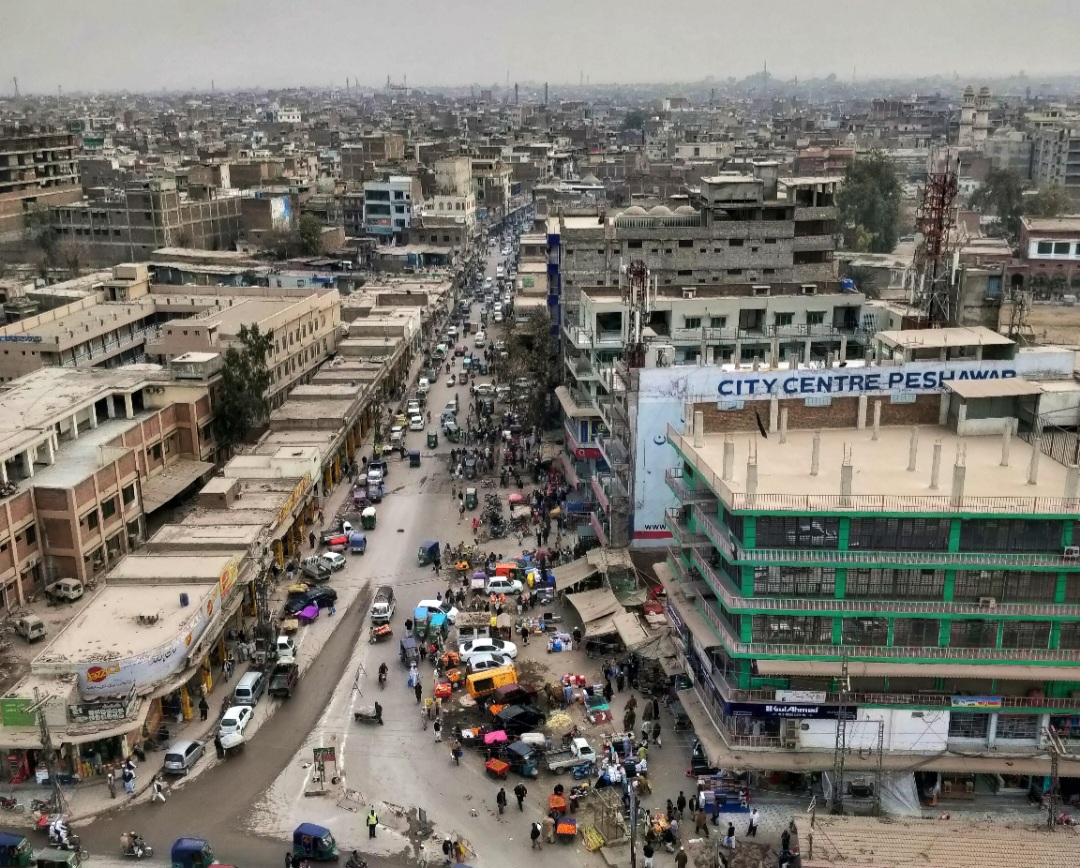
Rapid population growth, urban expansion, industrial activity and rising water demand have increased dependence on groundwater, disrupting the balance between natural recharge and water extraction.
The report was prepared by the National Institute of Urban Infrastructure Planning (NIUIP), University of Engineering and Technology (UET) Peshawar, for the Water and Sanitation Services Peshawar (WSSP). The project was funded by UNICEF Pakistan, and the report was finalised in August 2026.
Groundwater Extraction Assessed Through Modelling:
The report assessed groundwater extraction by incorporating data on government, semi-government, commercial and private tube wells and boreholes into a groundwater model. The model included data from a total of 1,413 tube wells and boreholes.
A total of 535 tube wells are operating in WSSP Zones A, B, C, D and E. The study also included 76 tube wells operated by the Peshawar Development Authority (PDA) and 18 in Regi Model Town, while data from 44 tube wells in the Peshawar Cantonment Board area was also incorporated.
Data on the relevant tube wells was obtained from records maintained by WSSP, PDA and the Cantonment Office. Data on commercial and private boreholes within WSSP’s jurisdiction was also included in the groundwater modelling.
Also Read : Hailstorms leave Swat’s ‘Japanese fruit’ orchards counting losses
According to the report, the number of commercial and private boreholes is very high. To simplify the modelling process and avoid duplication of data, they were consolidated by representing them as a single representative tube well in each model grid cell. As a result, a total of 1,413 tube wells were included in the groundwater model for the study area.
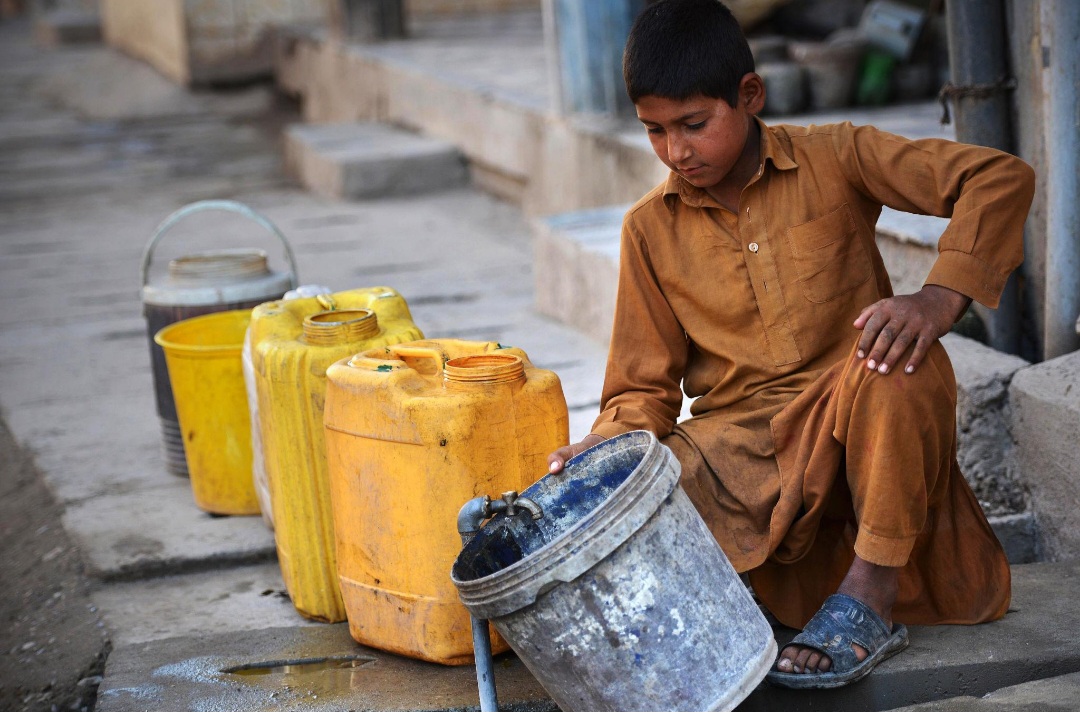
The 2025 Groundwater Abstraction Assessment, which examined groundwater extraction, estimated total groundwater abstraction at 166.4 million gallons per day, while the average decline in groundwater levels was recorded at 1.45 metres per year.
Eastern and Northeastern Areas Under Greater Groundwater Stress:
The groundwater model developed for the report shows that groundwater generally flows from the southwest and west towards the east and northeast in Peshawar.
The eastern and northeastern parts of the city, particularly Zones A, B and E, have been identified as high-stress zones, where groundwater levels are declining rapidly.
In contrast, Zone D and Regi Model Town have relatively better groundwater recharge capacity.
The report states that areas where groundwater is found at depths of 0 to 25 metres have greater recharge potential, while areas with groundwater depths of 50 to 160 metres have very limited recharge capacity.
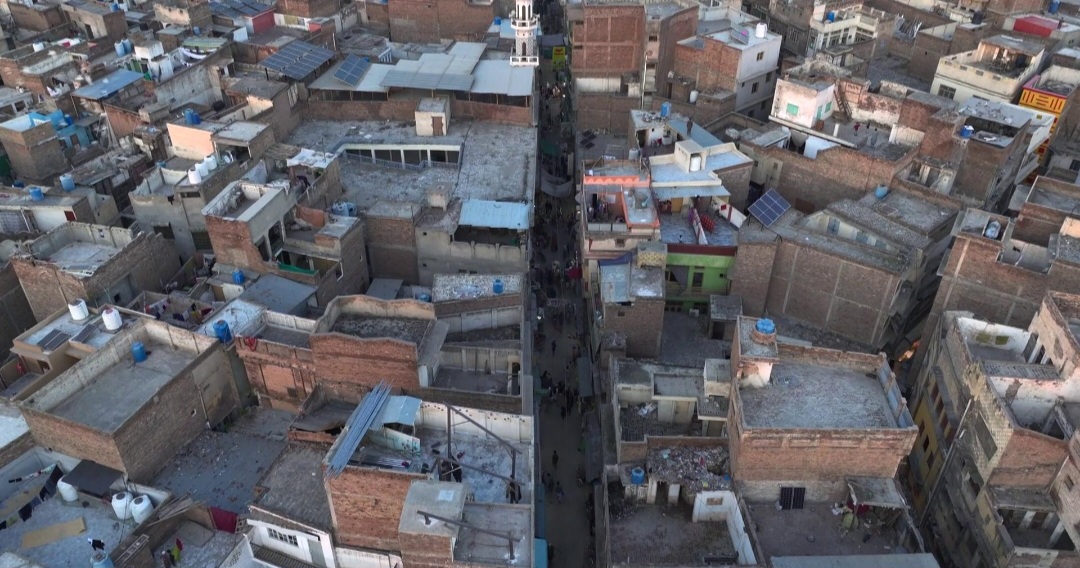
Rapid urban expansion and the increase in concrete and other impermeable surfaces mean that rainwater is increasingly lost as surface runoff instead of being absorbed into the ground, further affecting natural groundwater recharge.
Water Demand Expected to Rise:
The report also highlights a significant increase in water demand due to projected population growth. Water demand is estimated to rise from 135 million gallons per day to 274.6 million gallons per day, which could place further pressure on groundwater resources.
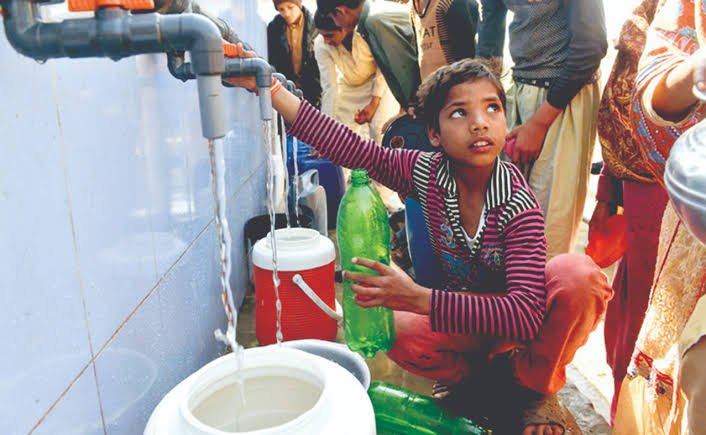
According to the report, if the use, pumping and recharge of groundwater are not effectively managed in view of current extraction levels and future increases in demand, pressure on groundwater reserves will continue to grow.
Climate Change and Groundwater:
Climate change has been identified as a major challenge for the future of Peshawar’s groundwater. The report projects a rise in temperatures. Higher temperatures could increase evaporation by around 5 to 7 percent, potentially affecting water availability and natural recharge.
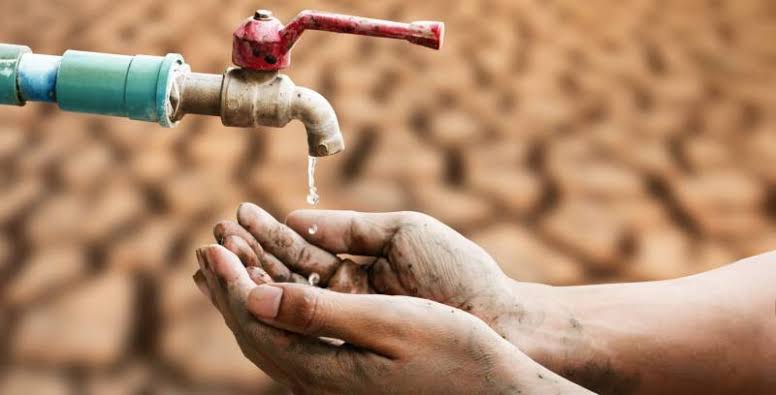
According to the report, Peshawar receives an average annual rainfall of around 400 millimetres, but only 12 to 18 percent of this contributes to groundwater recharge. In the future, effective recharge could decline to around 25.8 millimetres annually, which could further increase pressure on groundwater reserves.
Need to Balance Recharge and Extraction:
Professor Rashid Rehan, Director of the National Institute of Urban Infrastructure Planning, said the scope of the study was limited and its primary objective was to understand the actual situation of groundwater recharge and extraction in Peshawar through groundwater mapping and assessment.
He described the study as the first scientific study of its kind on Peshawar’s groundwater, saying it provides a scientific basis and baseline information about the current state of the city’s groundwater resources.
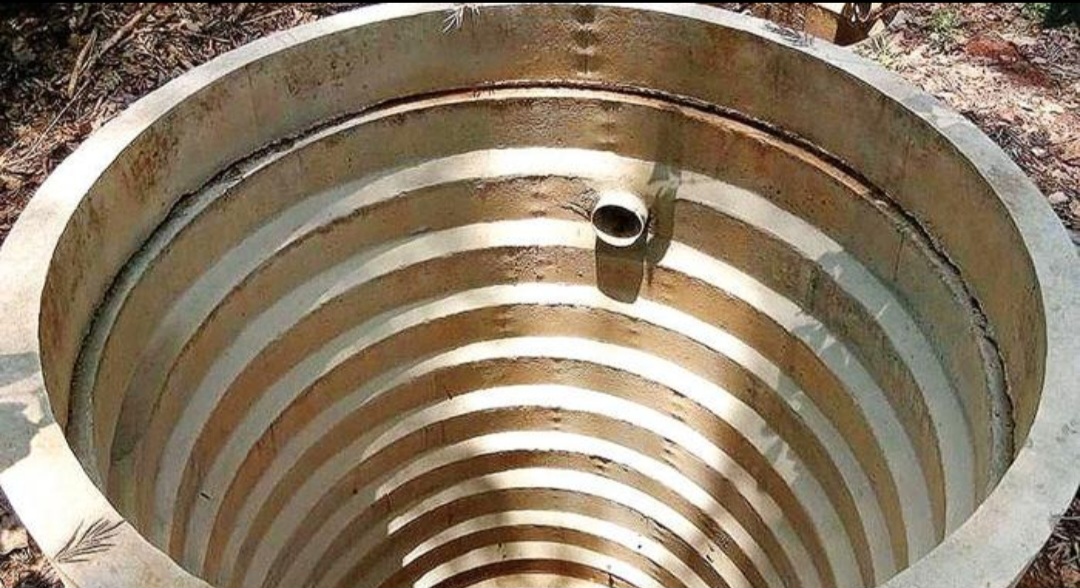
Responding to questions, Professor Rashid Rehan said groundwater recharge in the Peshawar metropolitan area could be increased through low-cost measures. He said increasing recharge alone would not be sufficient and that unnecessary groundwater extraction and pumping must also be controlled.
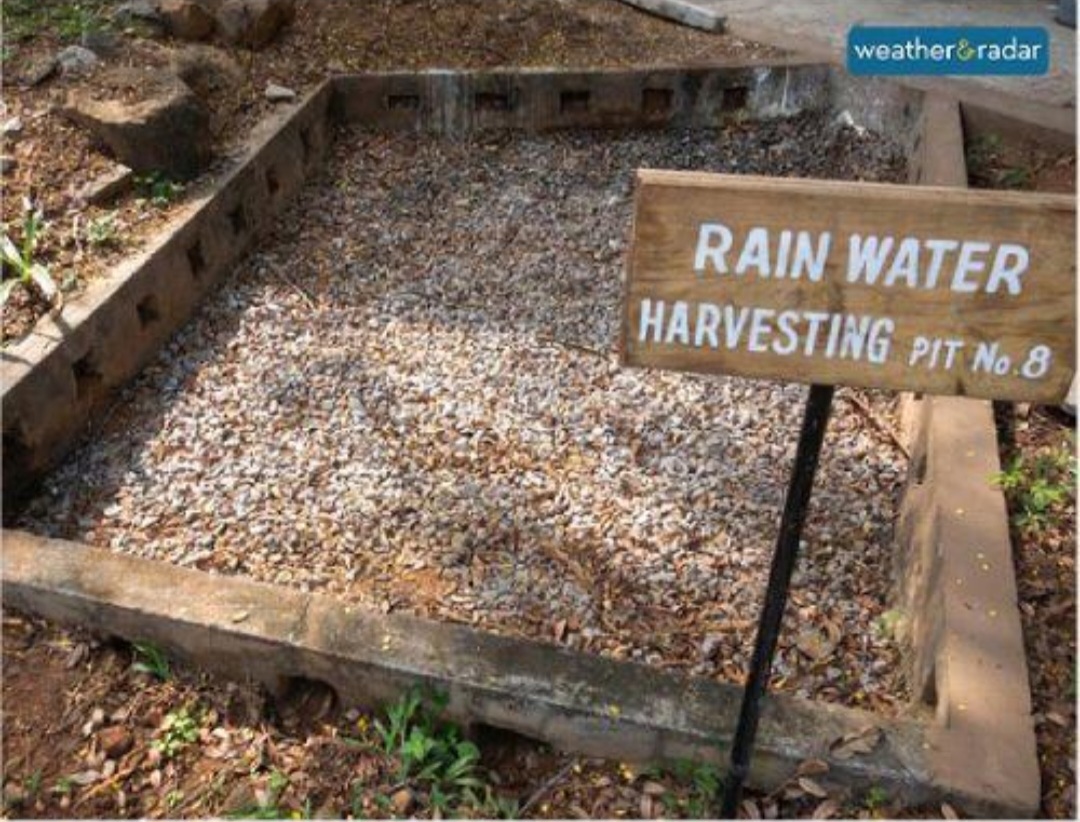
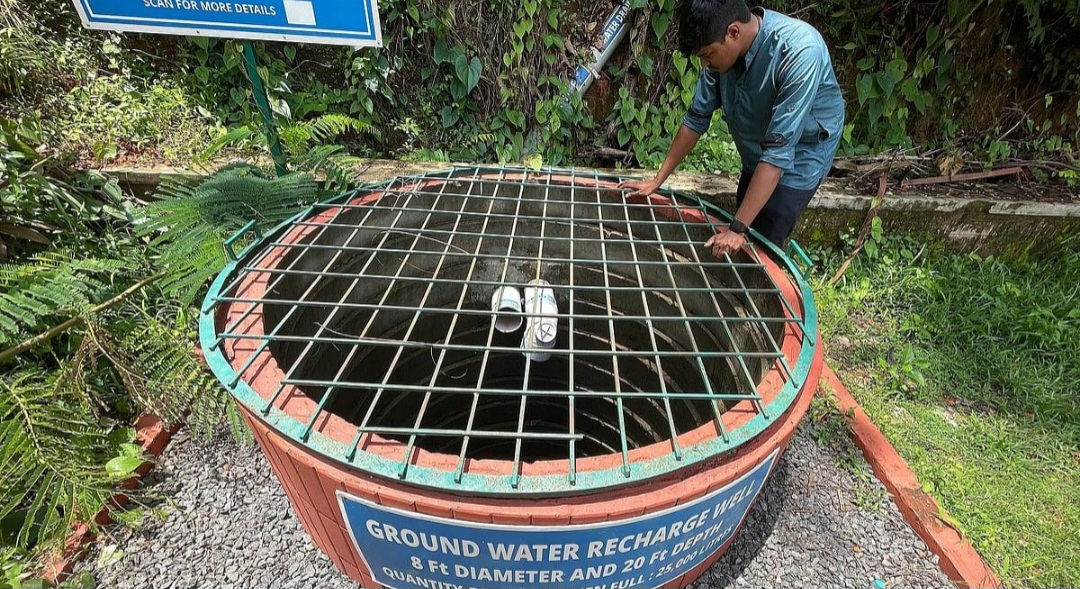
He stressed the need to introduce practical recharge measures at government buildings, along roads and at other suitable locations so that rainwater could be absorbed into the ground instead of being lost as surface runoff, helping replenish underground water reserves.
Professor Rashid Rehan said there is a significant gap between groundwater recharge and extraction in Peshawar, which requires a balanced strategy to reduce. Such a strategy should include increasing recharge, reducing unnecessary extraction and effectively monitoring groundwater use.
Syed Zameer-ul-Hassan, General Manager Planning at WSSP, said the groundwater study was commissioned by WSSP and was the first comprehensive research of its kind in the province. He said the study examined various aspects related to water conservation, prevention of water wastage, improved management, and current and future water needs, and also formulated recommendations in this regard.
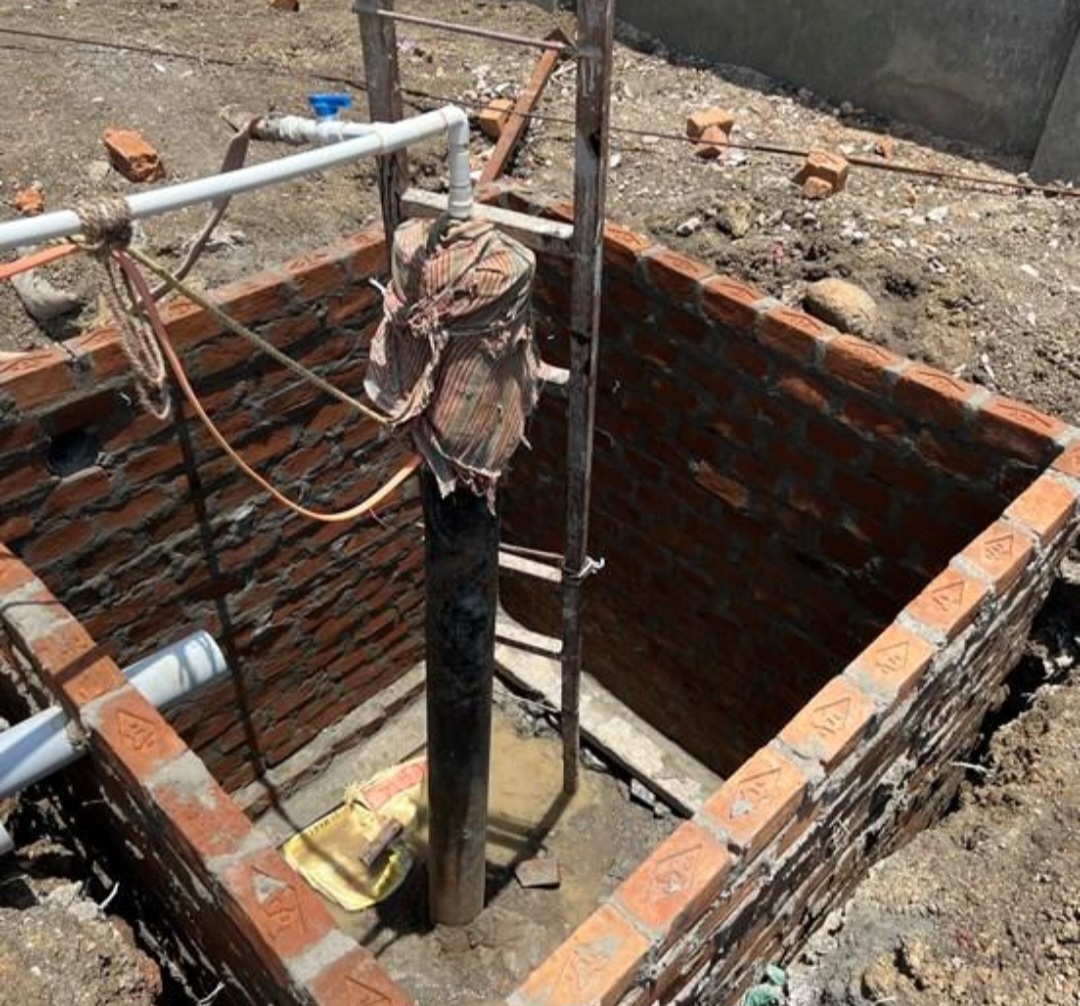
He said the Khyber Pakhtunkhwa government has prepared a scheme for groundwater recharge, which will be implemented by the Peshawar Development Authority (PDA). Under the project, arrangements will be made to recharge groundwater in parks using clean water.
According to Syed Zameer-ul-Hassan, the provincial government has already established a regulatory authority under the Irrigation Department for groundwater regulation. The authority will oversee groundwater use and other related matters.
Syed Zameer-ul-Hassan said WSSP was taking all possible measures within its mandate to prevent water wastage. Along with administrative measures, efforts were also being made to raise public awareness about the importance of water, its careful use and the need to avoid wastage.
1.jpeg)

1.jpeg)
2 Comments
Great blog! Do you have any helpful hints for aspiring writers?
I'm planning to start my own blog soon but I'm a little lost on everything.
Would you recommend starting with a free platform like Wordpress or go for a paid option? There
are so many choices out there that I'm completely confused ..
Any recommendations? Bless you! xnxx
Feel free to surf to my web-site ... <a href="https://new.xnxxtubexxx.cc/">webpage</a>
why is the report not available to public