


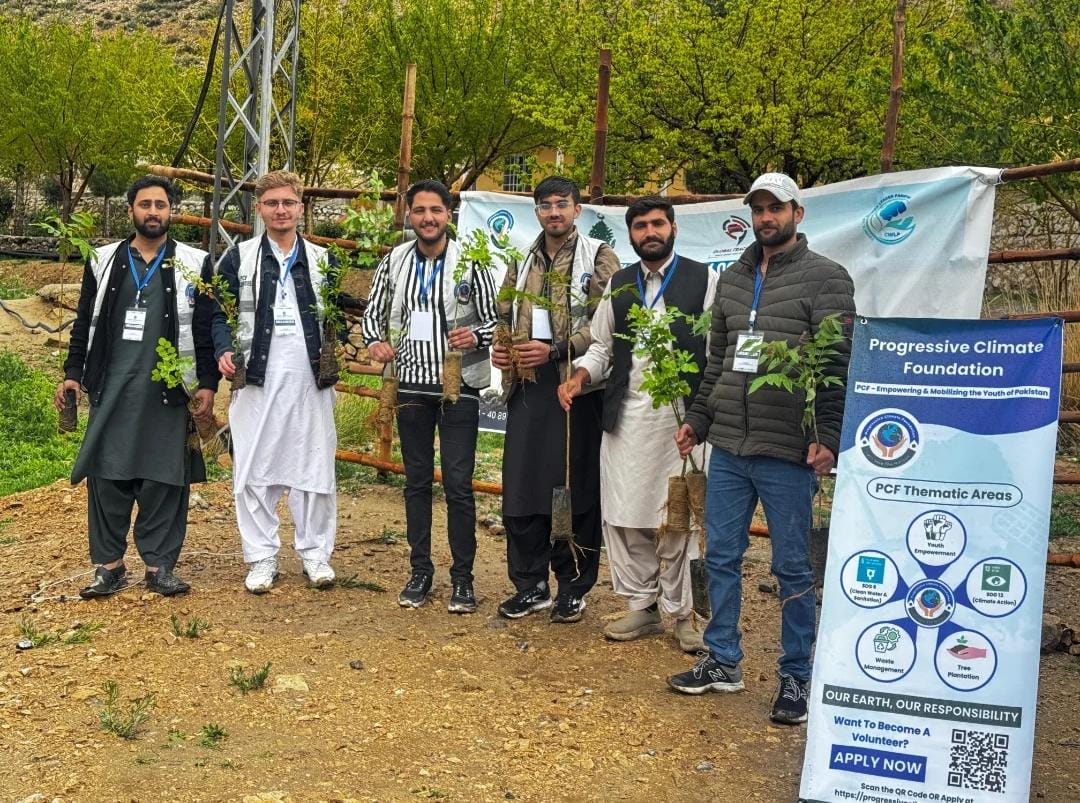
Khyber Pakhtunkhwa is already experiencing the harsh realities of climate change. Rising temperatures, unpredictable rainfall, flash floods, soil degradation, deforestation, and habitat loss are placing immense pressure on communities across the province. The burden falls heaviest on rural, mountainous, and former tribal districts, where families depend directly on agriculture, forests, and natural resources for their livelihoods.
Yet amid these challenges, a different story is emerging. Across Khyber Pakhtunkhwa, young people are increasingly stepping forward to respond to environmental change. From plantation drives and seed-ball campaigns to awareness programs and community mobilization, youth-led initiatives are flourishing in districts far beyond the province’s major urban centers.
The Progressive Climate Foundation, founded by Tawseef Khan of Lower Dir in Malakand division, exemplifies this trend. The organization engages young people in environmental awareness and climate activities, reflecting growing youth interest in addressing ecological challenges through community action.
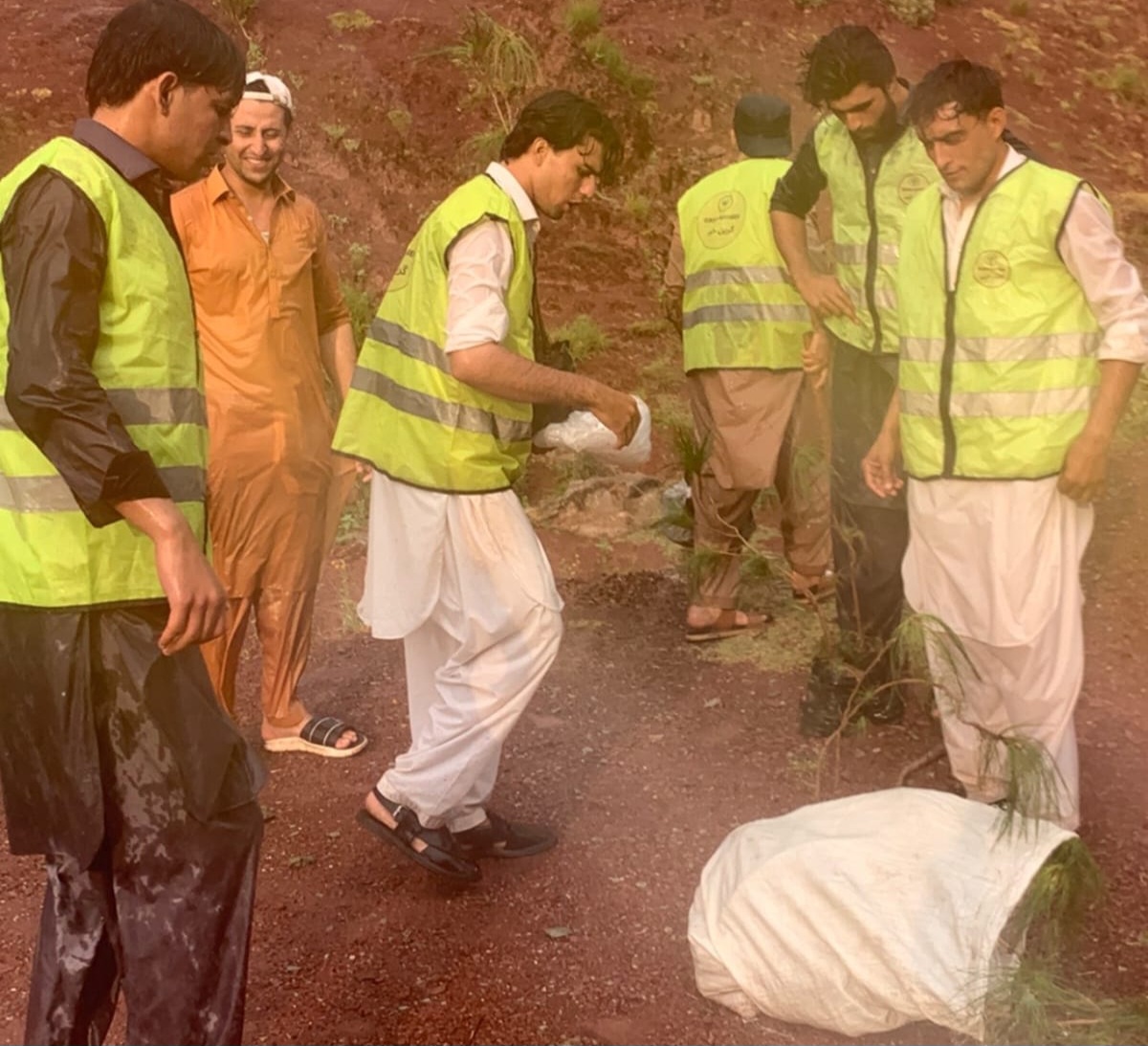
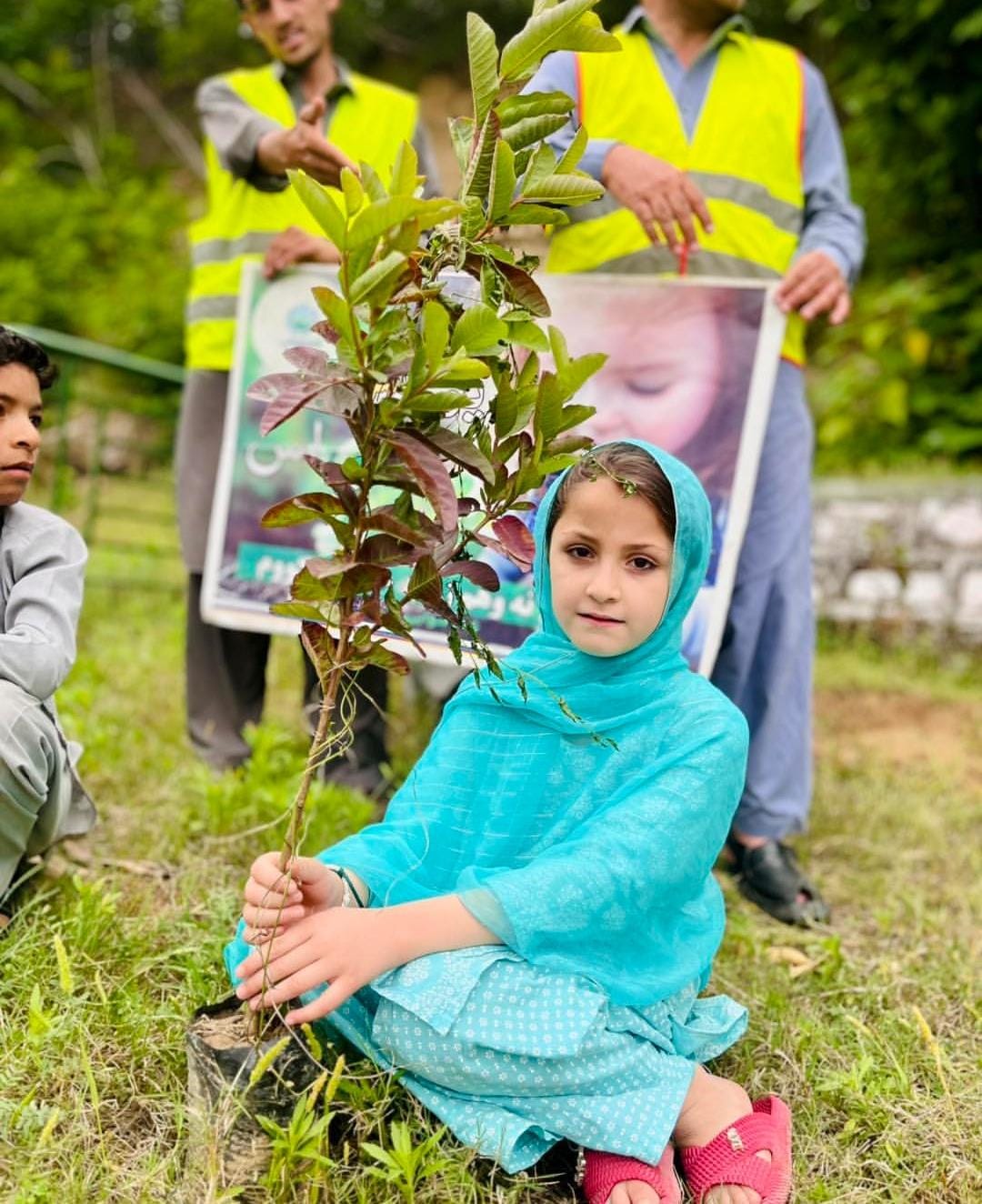
In Khyber district, volunteers with Green Khyber have organized plantation and awareness activities, with Shahzaib Afridi among those using social media to mobilize public participation. Climate Warriors Buner has similarly promoted tree planting and environmental awareness, addressing concerns like water availability, changing weather patterns, and agricultural livelihoods that directly affect local communities.
In Swabi, Shana Swabi (Green Swabi) has promoted plantation and community mobilization, while the Bachakhan Green Foundation has been associated with similar efforts. In Swat, where forests and natural landscapes are central to livelihoods and tourism, young people have also participated actively in environmental initiatives.
Together, these initiatives point to a broader trend. Young people in Khyber Pakhtunkhwa are becoming active participants in local responses to environmental change. Their contribution matters not only for the trees they plant but because they bring environmental concerns into communities where climate change is already affecting daily life.
Also Read : Reporting Migration with Dignity: Why Journalists Must Change the Narrative
Many initiatives operate at the community level with limited resources. They understand their local landscapes and the concerns of people around them, making this local knowledge valuable for addressing issues like water shortages, soil erosion, and deforestation.
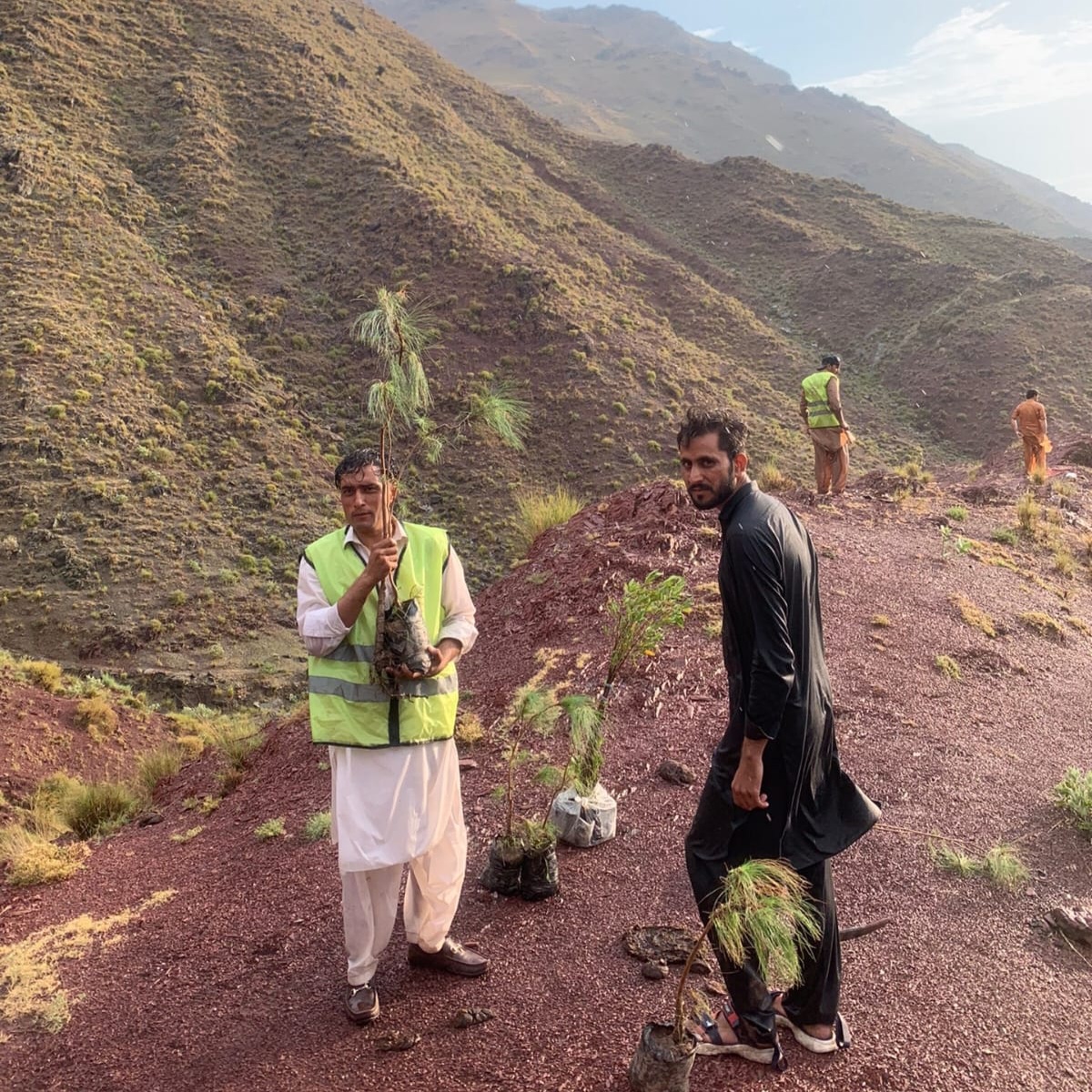
One popular technique in youth-led environmental activities is the use of seed balls. This approach works particularly well in mountainous and hilly areas that receive natural rainfall, where seasonal rains provide moisture for germination. Seeds mixed with clay and compost are scattered across suitable areas.
The technique is inexpensive and accessible, allowing young volunteers to participate in ecological restoration in difficult terrain where conventional plantation methods may be challenging. For a province with extensive mountainous landscapes, this approach offers communities another way to engage in environmental restoration.
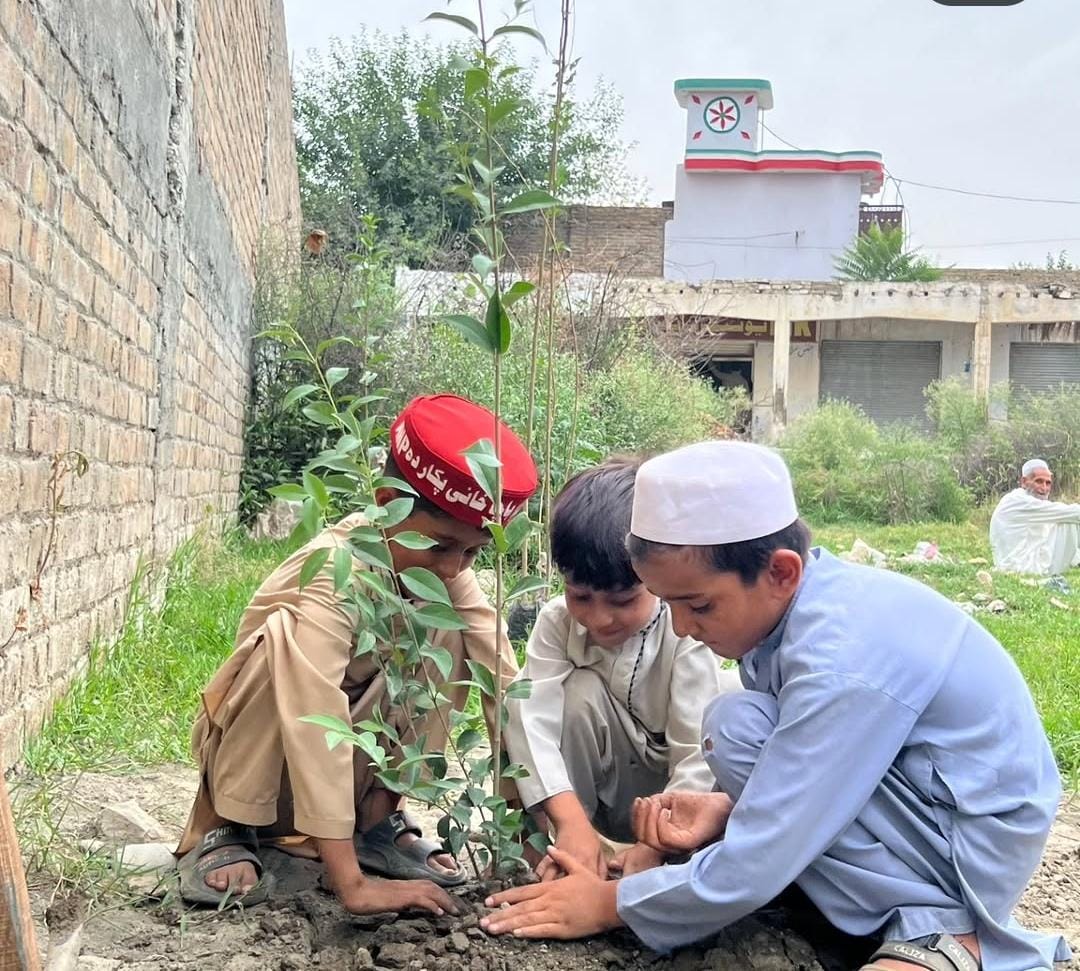
It demonstrates that climate action does not always require large budgets or complex infrastructure. It can begin with simple, locally appropriate methods that encourage greater interest in the surroundings.
These efforts deserve recognition, particularly because many are led by young people with limited resources. However, long-term impact depends on what happens after a plantation campaign or seed-ball activity ends. How many planted trees survive? Do organizations monitor progress? Do local communities remain involved in protection and care?
These questions can strengthen youth-led climate action. With continued community involvement, institutional support, and regular monitoring, the energy behind these initiatives can translate into lasting environmental benefits.
The importance of youth participation extends beyond planting. Young volunteers can influence families, schools, and wider communities, encouraging greater awareness of forests, water, soil, and changing weather patterns. A local campaign may inspire others to become involved and help build a culture of environmental responsibility.
This is particularly relevant in a geographically diverse province like Khyber Pakhtunkhwa, where environmental conditions vary considerably between mountains and plains, and challenges facing districts like Khyber, Buner, Swabi, Swat, and Lower Dir differ significantly.
Still, youth activism cannot replace institutions. The government remains responsible for enforcing forest protection laws, managing natural resources, and supporting environmental programs at scale. Schools and universities can strengthen environmental education, while local governments and civil society organizations can provide technical knowledge and resources. Communities also have an important role in protecting trees and natural habitats over the long term.
The growing number of youth-led environmental initiatives across Khyber Pakhtunkhwa is encouraging. From Khyber to Buner, Swabi, Swat, Lower Dir, and other districts, young people are showing that climate action can begin locally, often with little more than volunteer energy and commitment to their surroundings.
The challenge now is to support this enthusiasm with the knowledge, resources, and institutional cooperation needed to make it last. If young people, communities, and public institutions work together, today’s plantation drives and environmental campaigns can contribute to a broader movement for climate resilience across the province.
The first step may be planting a tree or placing a seed in the soil. The greater achievement is ensuring that it grows and becomes part of a healthier landscape.
.jpeg)




Comments
No comments yet. Be the first 🙂