


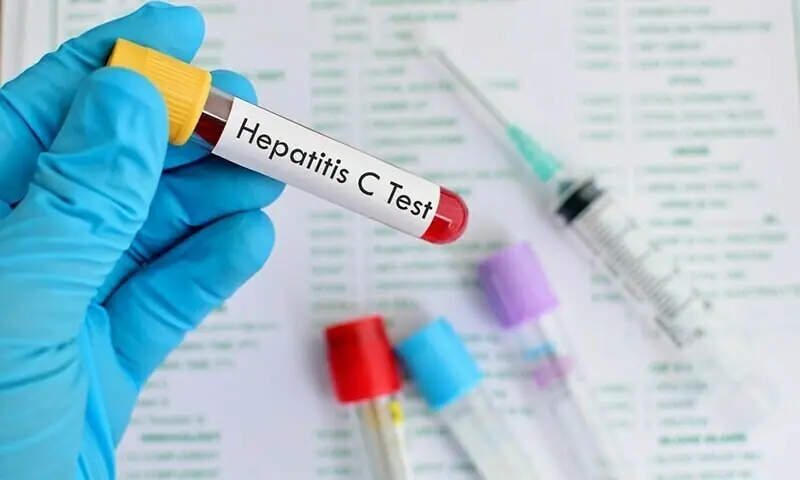
On the occasion of World Hepatitis Day, the World Health Organization (WHO) called on all stakeholders to take urgent science-based action and renewed its support for Pakistan’s efforts to advance towards the goal of ending hepatitis as a public health problem by 2030. Hepatitis is a deadly disease that affects an estimated 12.9 million people in Pakistan, including 9 million with hepatitis C and 3.8 million with hepatitis B.
Every year, more than 48,000 people die in Pakistan due to hepatitis infections that are preventable and curable. This equals one death every 11 minutes.
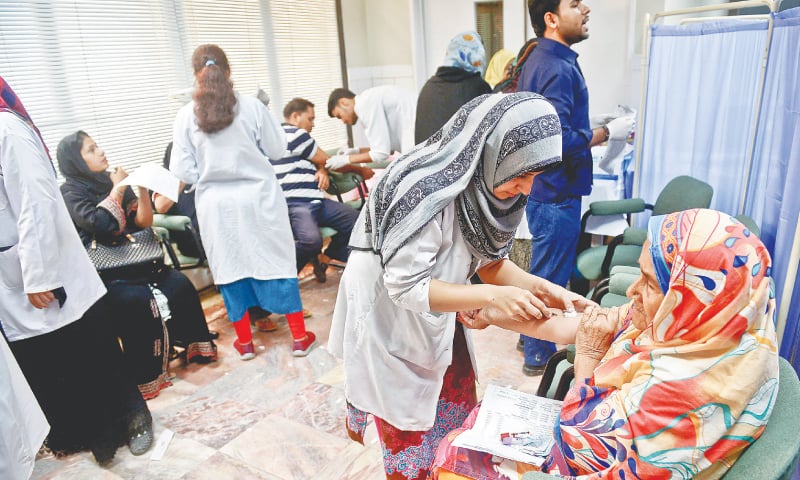
With 9 million of the 47 million estimated cases worldwide, Pakistan bears the heaviest burden of hepatitis C globally. Only 3 out of 10 people affected know it, which prevents millions from receiving life-saving treatment.
The high burden is largely the result of historical health care-associated transmission, particularly the widespread reuse of needles for injections and unsafe blood transfusions.
In 2024, over 88,000 people were infected with hepatitis C across the country.

Under the international theme “Hepatitis: Let’s break it down”, WHO reiterated its full support for Pakistan’s efforts to fight the disease, including the Prime Minister’s National Programme for the Elimination of Hepatitis C Infection.
Also Read : Kurram residents call for reopening of NADRA offices amid week-long shutdown
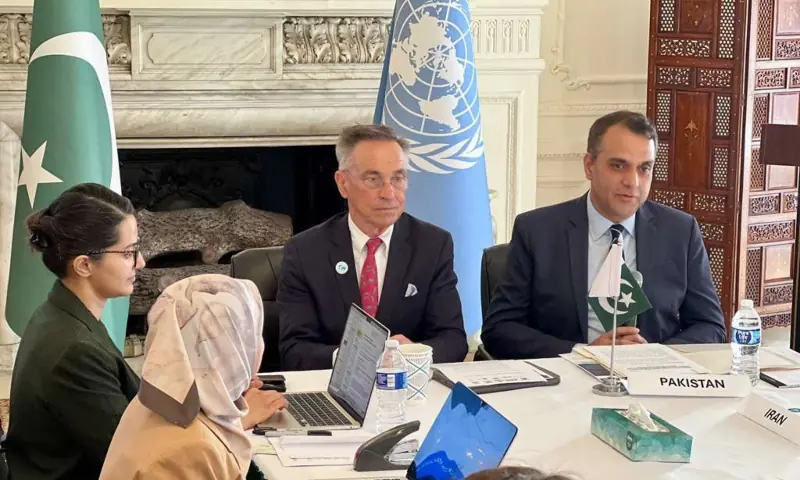
“WHO will continue to partner with Pakistan to promote medical science to protect and save lives and adapt the best practices and lessons learned from around the world to the national context. WHO stands with Pakistan to accelerate research and innovation, integrate hepatitis services into universal health coverage, enhance prevention – including vaccination – and ensure equitable access to quality hepatitis testing and treatment for every family, regardless of social or economic status," said WHO Representative in Pakistan Dr Luo Dapeng.
Hepatitis B and C are preventable and treatable. However, if left untreated, they can lead to medical complications – including liver cancer – and death. In Pakistan, the most common modes of transmission include unsafe procedures and materials used in blood transfusions – resulting from unregulated private blood banks and a lack of universal screening, injections with re-used, non-sterile syringes and needles, surgical procedures, dental care, body piercing and tattooing, and shaving – including at barber shops.
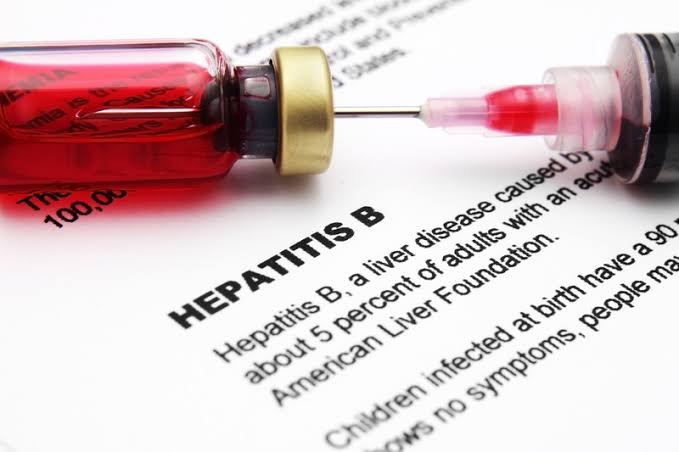
According to the WHO Global Hepatitis Report 2026, viral hepatitis B and C – the two infections responsible for 95% of hepatitis-related deaths worldwide – claimed 1.34 million lives in 2024. At the same time, transmission continues, with more than 4,900 new infections every day.
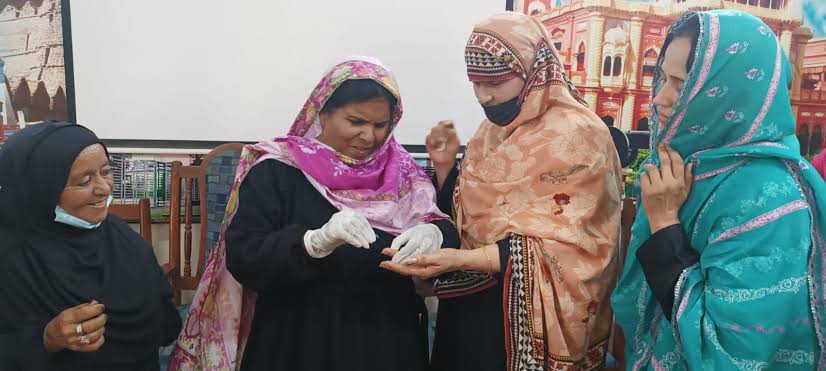
WHO will continue to partner with Pakistan to provide science-based guidance and support to strengthen prevention – including the vaccination of newborns against hepatitis B within 24 hours of birth – and diagnosis and treatment for all, no matter where they live or who they are.

.jpg)




Comments
No comments yet. Be the first 🙂