


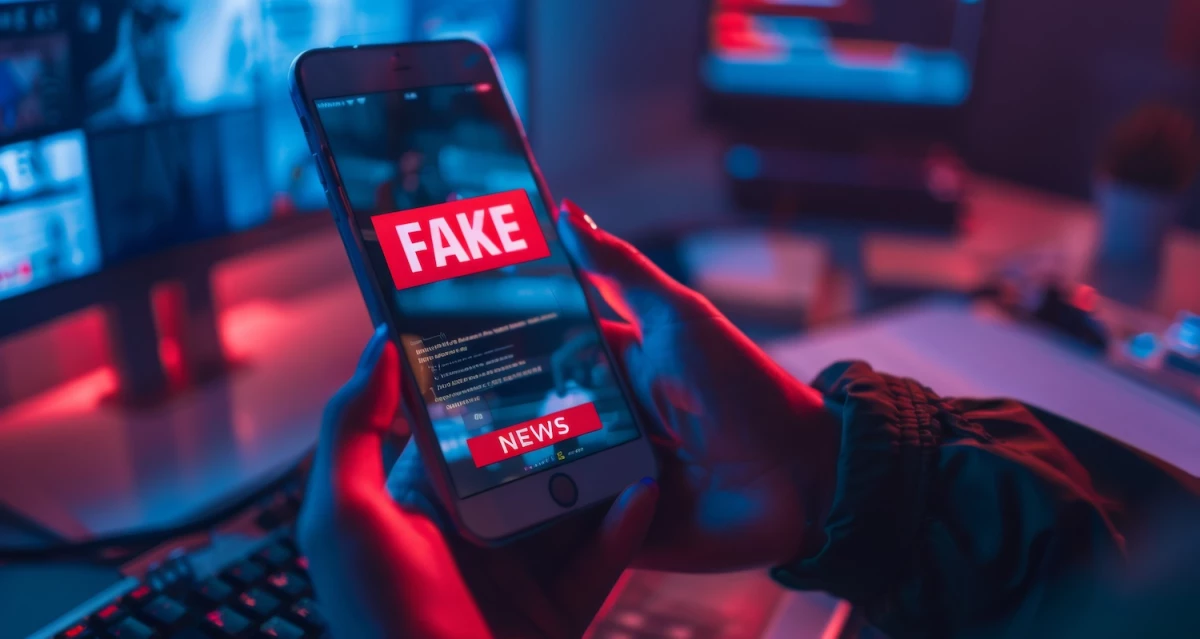
Social media has made access to information and news easier and faster than ever before. News is no longer limited to a particular class or a few specific institutions; anyone can access information from around the world within seconds and share their views with others. However, this convenience has also created some challenges, as the same speed that allows information to spread quickly also makes it easier for unverified and fake content to circulate.
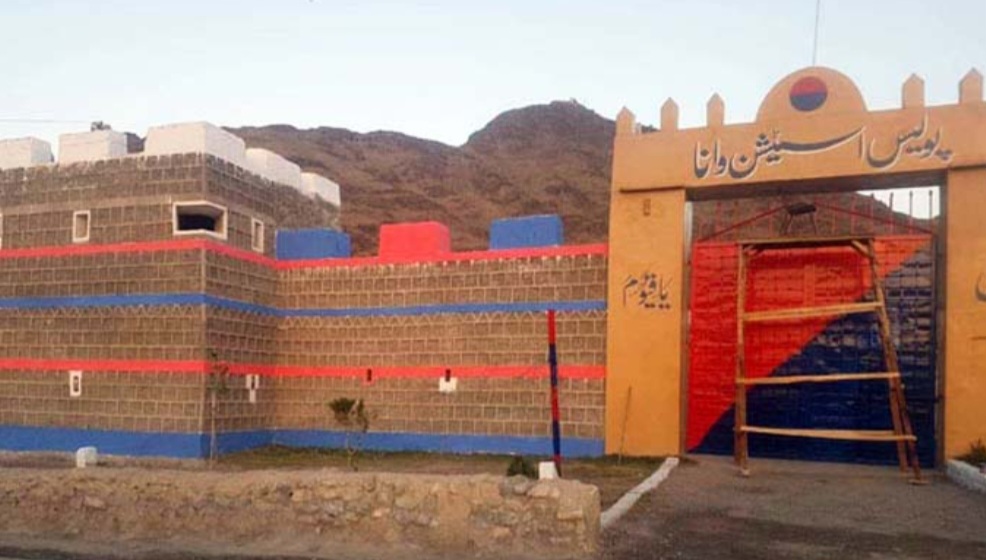
When news of an explosion near a police station in Kabal, Swat, emerged in August 2026, the area was already gripped by fear.
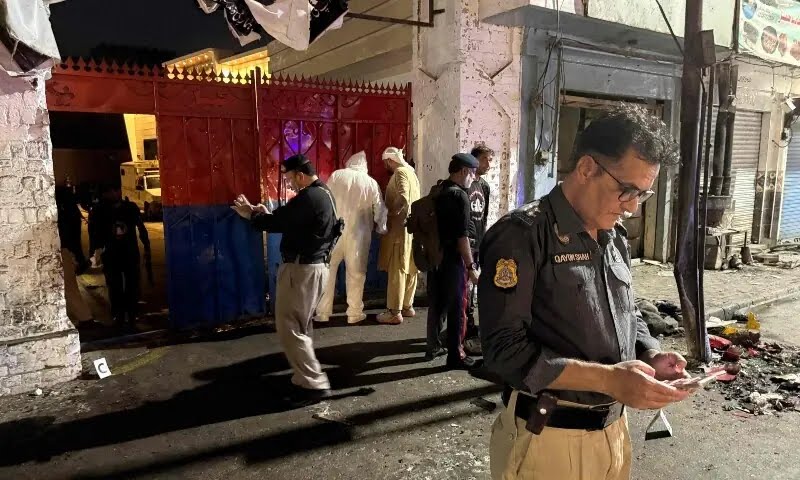
After such sensitive incidents, people’s first concern is to immediately find out what happened, where it happened, and what the situation is in their own area. But at that very moment, an unverified report circulating on social media can create far more fear than the actual incident. The explosion in Kabal was a real event, but not every piece of information that circulated afterward was necessarily true.
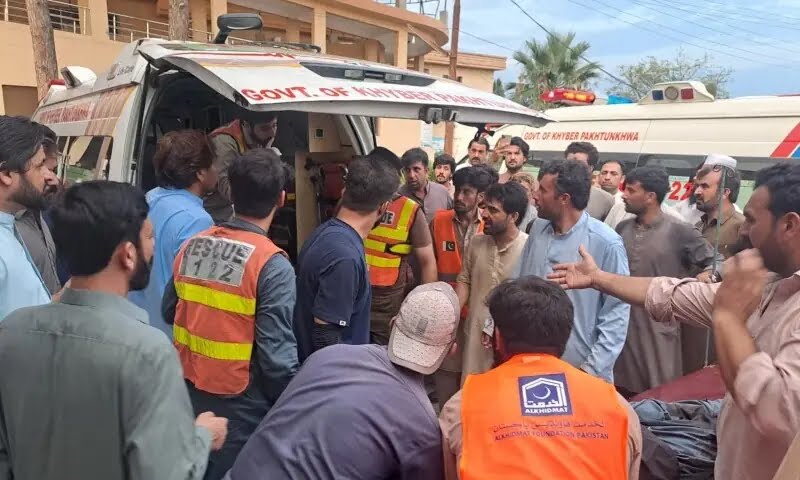
A piece of news can move from a mobile screen into a household environment, influence someone’s decisions and, at times, affect their peace of mind within just a few seconds. Particularly when Pakistan is going through sensitive circumstances such as political tensions, security incidents, tensions between Pakistan and India, tensions between Pakistan and Afghanistan, the security situation in Balochistan, and recurring natural disasters, an unverified image, video or claim circulating on social media is no longer merely a mistake.
Today, news does not necessarily have to pass through a newsroom, reporter or media organisation to reach the public. A post made from an ordinary user’s mobile phone, a WhatsApp message, an old photograph or an AI-generated video can reach thousands of people within minutes. The problem is not simply that misinformation is spreading; the real danger is that people begin to believe it and make decisions based on it. They then pass it on to others.
The severity of the issue in Pakistan can also be gauged from various studies. According to experts, 78.4 per cent of people frequently come across fake news, while only 12 per cent are able to identify it reliably.
Similarly, a survey conducted by the Institute for Public Opinion Research (IPOR) found that only 22 per cent of respondents said they verify news they see on social media, while 65 per cent said they do not. These figures do not represent every social media user across Pakistan, but they do highlight a significant gap between consuming information and verifying it.
For Sawera, a resident of Charbagh in Swat, one such false report became a source of fear for several days.
Following the explosion in Kabal, a report began circulating through various social media accounts claiming that a group of militants had reached Charbagh and that the Charbagh Bazaar was their next target.
Sawera says she saw the report on WhatsApp statuses, various social media accounts and even on the accounts of some of her teachers. Since her home is located in the bazaar, three of her brothers have shops there, and her father also owns a clothing shop in the market, the report intensified her fear several times over.
She says she could not sleep properly for several days. At home, particularly among the women, there was a constant fear that an explosion might occur in the bazaar. Her university is also located in Charbagh, and she needed to travel there for her research. However, the information circulating on social media turned even this routine journey into a source of fear.
She says that some people also shared pictures with messages urging others to inform people if such militants came near them. These images and claims further increased Sawera’s fear.

She then asked a female journalist about the matter. Their conversation changed the entire course of the story. The journalist told her that the report about a group of militants arriving in Charbagh was false. She also explained that the pictures being shared on social media were not from the current incident but were around eight to nine years old and had originally been taken during the conflict. They were being circulated again by linking them to a new incident.
For Sawera, this was not simply a fake post. A few misleading images and unverified claims affected the atmosphere at her home, her decision to go to university and her peace of mind for several days.
Another dangerous aspect of misinformation is that it does not only create fear; it can also affect people’s hard-earned money. People looking for employment, in particular, can easily become targets of fake advertisements on social media.
Also Read : What Are We Really Putting in Our Children’s Hands? Rethinking the Toys We Choose for Them
Sanaullah, who is from Balochistan, completed his BS in Zoology in 2021 but remains unemployed. While searching for employment, he came across an advertisement about going abroad. When he contacted the number provided in the advertisement, he was told that the entire process of travelling abroad would be completed after paying Rs500,000.

According to Sanaullah, he paid the money. He also met the people involved, obtained a passport and completed all the procedures they instructed him to follow. However, after receiving the money, those people disappeared. He later discovered that the advertisement he had trusted and for which he had paid Rs500,000 was fake.

A fake advertisement did not just take away his money; it also damaged the hope he had carried for a better future.
Misinformation does not always appear in the form of fear or financial loss. Sometimes, a fake image can affect a person’s emotions so deeply that its impact remains even after the truth is revealed.
Ayesha, a 46-year-old woman from Swat, says she saw pictures of Imran Khan appearing to show him in handcuffs. According to Ayesha, she likes Imran Khan as a cricketer, particularly because of his role in winning the World Cup, which gives him emotional significance in her eyes.
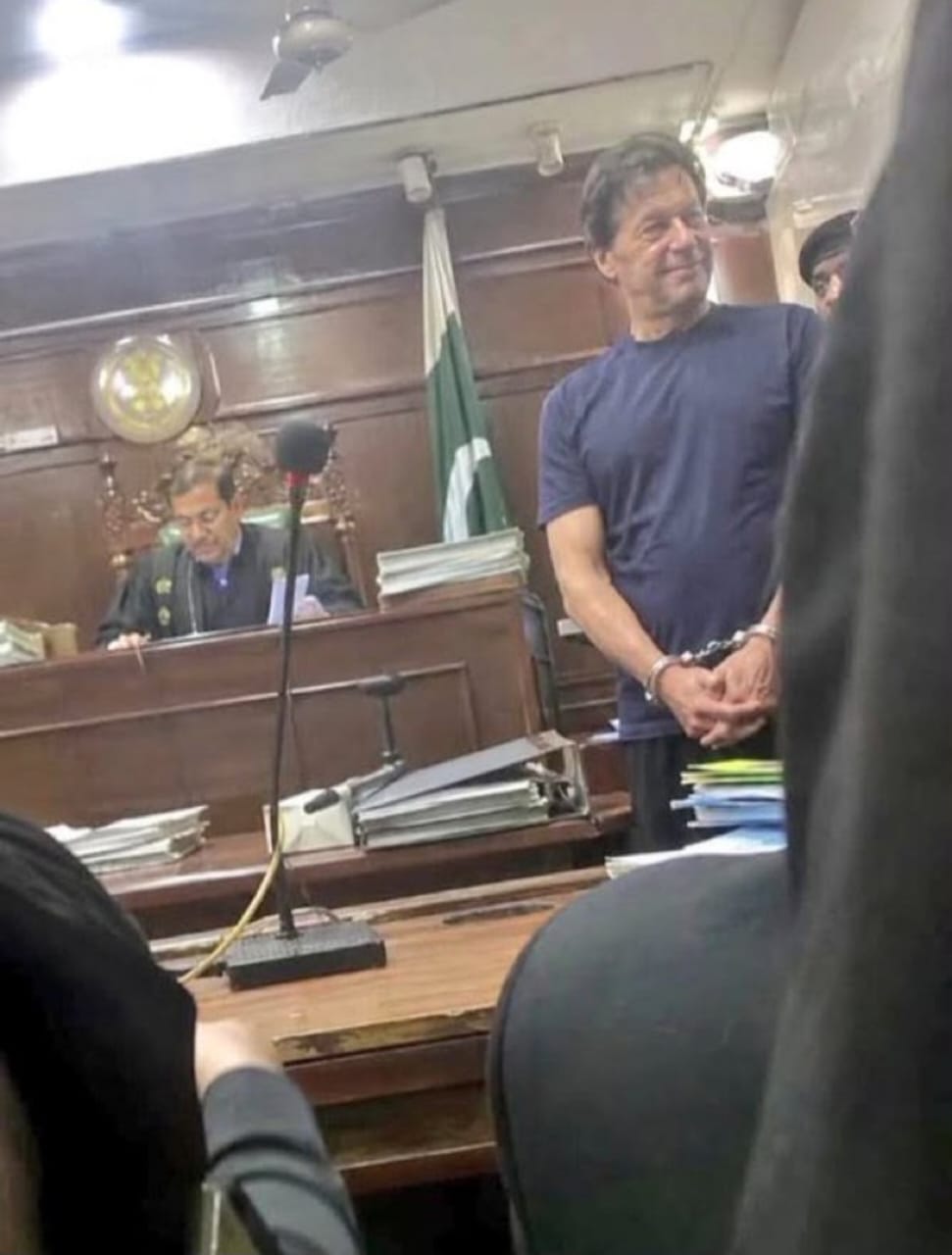
She says the image upset her deeply. Her eyes filled with tears and she experienced strange emotions. However, she later discovered that the picture was fake.
These three incidents are different in nature, but they share one common element: unverified content first affects people’s emotions and then its impact reaches their real lives.
At the same time, the nature of misinformation in Pakistan is also changing. Sometimes an old photograph is linked to a new incident; sometimes an image or video is created using artificial intelligence; at other times, a fake audio recording is circulated as a statement attributed to a public figure. In some cases, false claims are spread in the name of a natural disaster, security incident or political situation to create fear among people.
According to Adnan Mohmand, an information technology and monitoring and evaluation expert from Mohmand district, one of the major forms of misinformation in Pakistan involves images and videos taken out of context. Photographs or videos from past accidents, protests or natural disasters are often presented as being related to a different incident.
He says political and fake media content, AI-generated or manipulated images and videos, fake audio recordings, financial scams, unverified weather and natural disaster predictions, health-related misinformation, and inflammatory religious and sectarian content also circulate on social media.
Adnan Mohmand says fake audio recordings, videos and images are sometimes created using artificial intelligence and attributed to political leaders. Similarly, genuine content is sometimes cropped, edited or manipulated in a way that changes its original meaning. Fake audio recordings, financial scams and fraudulent advertisements promising overseas opportunities or foreign facilities can also cause financial losses to people.
According to him, fake predictions about weather and natural disasters are another major concern. Unverified information about earthquakes, floods, storms or other natural disasters can create fear among people. Similarly, unverified home remedies, false claims about vaccines and the promotion of fake medicines for various diseases can also be harmful.
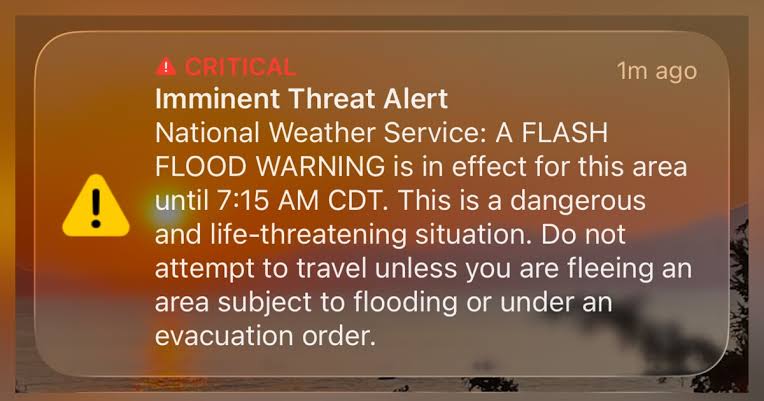
Adnan Mohmand says religious and sectarian content can also be false or taken out of context and may be used to provoke people against another sect and spread hatred.
Before accepting any viral content as true, the most important step, according to Adnan Mohmand, is to verify its source. People should check who published the content first, whether the account is credible, and whether any official institution has confirmed the information.
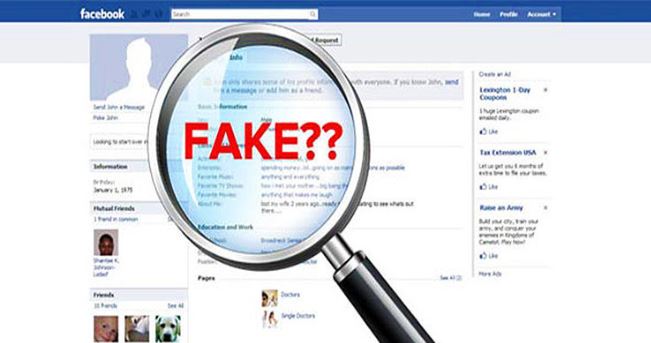
They say that the next step is to examine the visual and environmental evidence in the image or video. Weather, geography, signboards, vehicle number plates, language, buildings and other landmarks can help determine whether the content is actually from the claimed place and time.
According to him, it is also important to cross-check a claim with other credible sources. If a major incident has taken place, people should check whether reputable news organisations are reporting it.
Presenting an old video as footage of a new incident is another common way of spreading misinformation. Adnan Mohmand says that in such cases, a screenshot of an important frame from the video can be taken and checked through a reverse image search to find out where and when that image or frame was previously used.
Details visible within a video, such as clothing, vehicles, mobile phones, signboards, buildings, weather and other elements, can also provide important clues. Sometimes, a small visual detail can prove that an incident being presented as a current event actually took place several years ago.
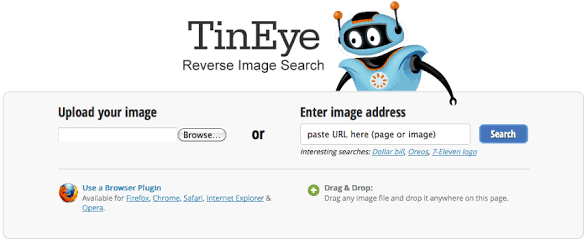
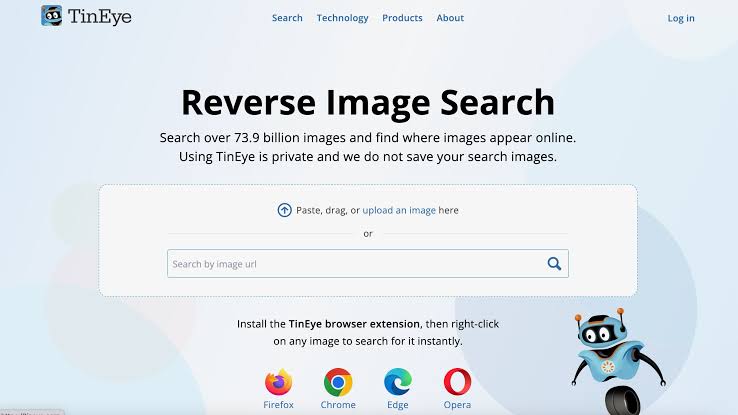
He further says that tools such as Google Lens, TinEye and Yandex Images can be used for image verification. For checking videos, InVID WeVerify, YouTube DataViewer and screenshots of key video frames can be helpful, while Google Search and reputable fact-checking platforms can be used to verify written news.

According to Adnan Mohmand, a suspicious claim should not be considered true simply because many people are sharing it. The real question is whether the claim is backed by a reliable source, visual evidence and confirmation from other credible sources.
The speed at which misinformation spreads has not increased solely because of technology. Changes in the way we consume and share information also play an important role.
Senior journalist Manzoor Ali, who reports on environmental and governance issues in Peshawar, says that in the past, information reached the public through a formal journalistic process. A reporter would find sources, verify the information with relevant institutions and then the media organisation would broadcast or publish it.
According to him, everyone now has a means of spreading information. Everyone has a mobile phone, everyone can record an incident and everyone can pass it on to others assuming it to be news. However, not everyone has learned the basic principles of journalism, news standards, verification or the process of obtaining the viewpoints of both sides.

Manzoor Ali says an ordinary user often sees only one side of a story and forwards it. They may not realise that journalists have access to sources, relevant institutions and different stakeholders to verify a report. This is the fundamental difference between an ordinary social media post and a journalistic report.
According to him, fake information related to politics and security spreads particularly quickly during periods of war-related tensions between Pakistan and India, tensions between Pakistan and Afghanistan, and security concerns in Balochistan.
Natural disasters also become a sensitive area for misinformation. After an earthquake, flood or explosion, people want immediate information. It is at such moments that old photographs, AI-generated scenes or unverified claims are often linked to the new incident and circulated.
Manzoor Ali recalls an incident in which a child in Peshawar experienced vomiting after being administered polio drops last year. An acquaintance of the child’s family linked the condition to the polio drops, and the claim spread.
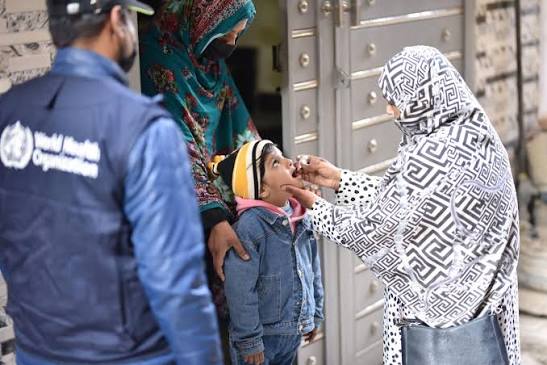
The rumour created so much fear that a large number of parents took their children to different hospitals in Peshawar. According to Manzoor Ali, around 40,000 children were taken to hospitals across Peshawar. Subsequent investigation found that the child had simply experienced routine vomiting and that the claim linking it to the polio drops was incorrect.
The incident is an example of how an unverified claim does not remain confined to a social media screen. It can change people’s decisions, put additional pressure on hospitals, consume government resources and create unnecessary fear in society.
Manzoor Ali says that sometimes, even after an FIR is registered against someone, social media users present that person as a confirmed criminal, whereas an FIR (First Information Report) marks the beginning of an allegation; it is not a verdict establishing guilt.

He further says that recently, a journalist falsely reported the death of former prime minister and PTI founder Imran Khan, claiming to have verified the news through multiple sources.
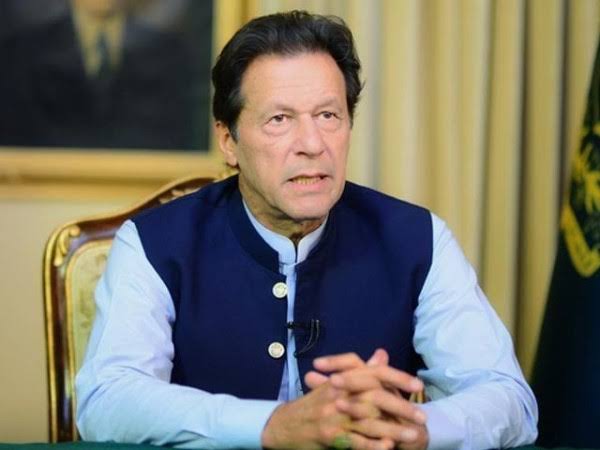
Manzoor Ali says journalists and media organisations must understand that the bigger the news, the more careful and time-consuming the verification process should be. The desire to broadcast a major story a few minutes earlier, if it compromises verification, can damage the credibility of the entire report.
According to him, even news about the death of a prominent personality cannot be broadcast on the basis of a single source. Such reports must be verified through relevant institutions, official sources and other credible channels. The basic principles of verification should never be sacrificed in the race to break the news first.
He says that even if ordinary people do not have access to the same sources and networks as journalists, they can still play a role in preventing the spread of fake content by taking a few basic steps. A suspicious image can be checked through a reverse image search, while written news can be searched for on the websites of different reputable media organisations.
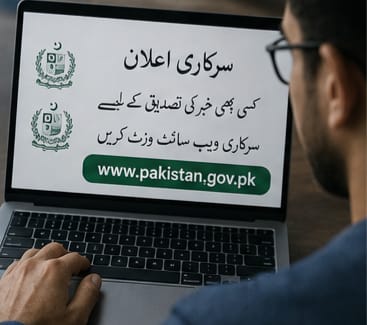
In the case of official notifications and job advertisements, verification through the relevant government department’s official website, government portal or the relevant public service commission is essential. It is dangerous to assume that an advertisement posted only in a WhatsApp group, Facebook post or on an unfamiliar page is an official announcement.
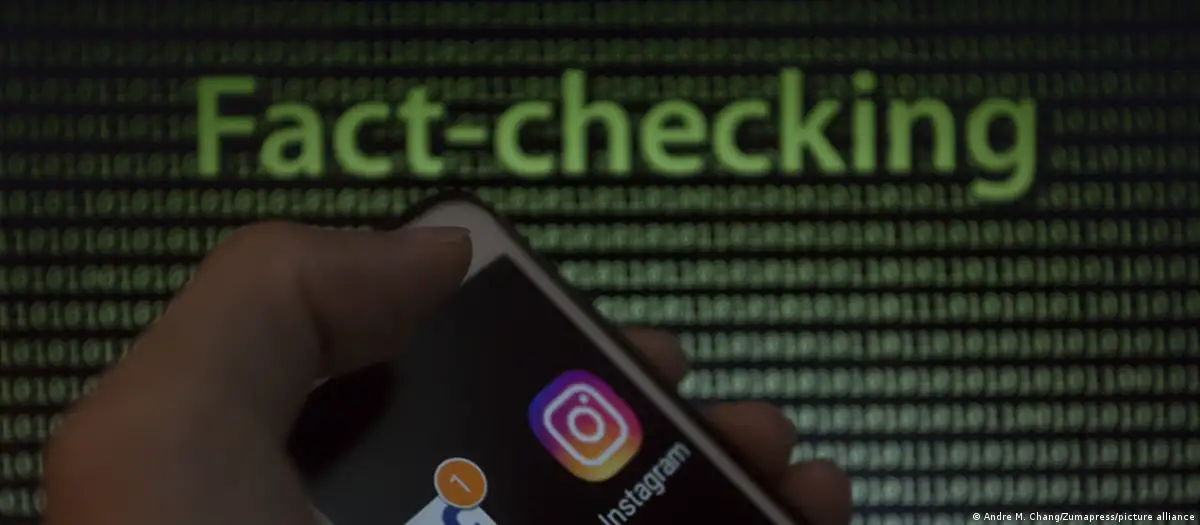
Fact-checking platforms are also playing an important role in combating misinformation in Pakistan. Along with cross-checking suspicious claims through different credible sources, people can also search fact-checking platforms that cover Pakistan-related claims.
In this age of misinformation, the most important question is not how quickly a piece of news reached you, but how many times it was verified before reaching you.
A false report can mean several sleepless nights for Sawera, a fake advertisement can take five hundred thousand rupees from Sanaullah, a fake image can hurt the emotions of a user like Ayesha, and an unverified claim can send thousands of parents to hospitals with their children.
Every piece of news circulating on social media is not merely information. It can affect someone’s fear, someone’s decisions, someone’s hard-earned money and, at times, the behaviour of an entire society. Therefore, in this fast-moving information age, the most responsible approach is to pause for a moment before sharing any claim and check its source and authenticity.
Because spreading a false report takes only one click, but its effects can take much longer to disappear. Experts say: Verify the news first, then share it.
.jpg)
3 Comments
Hi,
You probably noticed we went quiet.
We did shut down FreeB2BData — but it wasn't the end. We took it offline to rebuild it from scratch, much bigger and much better.
The new version is live.
Here's what's inside:
900 million people — names, job titles, companies, verified emails
33 million companies — full business records with phones, emails, websites, and addresses
All data is live — always current, always fresh
Unlimited exports — download as much as you want, whenever you want
To mark the relaunch, we're running a launch promo:
Lifetime access for just $50 — one-time payment, no subscription, no renewals, unlimited exports forever.
But it's strictly limited — only 20 seats left.
Claim your lifetime seat here https://Hassan.freeb2bdata.org
— The FreeB2BData Team
Hello,
I am Hunter Pearson from FreeB2BData
It is with sad regret to inform you that we are shutting down
We have over 252 countries and over 33 million companies available in our database with phone numbers, industries, emails, etc.
Please come and download your data in the next 24 hours.
https://Hunter.freeb2bdata.org
Regards,
Hunter Pearson
Hello, I'm bringing on websites that already sell posts to Prensarank.
Prensarank has been running for over 10 years with more than 200,000 articles sold, and agencies are asking for publishers we don't list yet constantly. Registration is free, you set the price and orders come to you.
Register: https://prensarank.com
Hope to see you on the platform.