


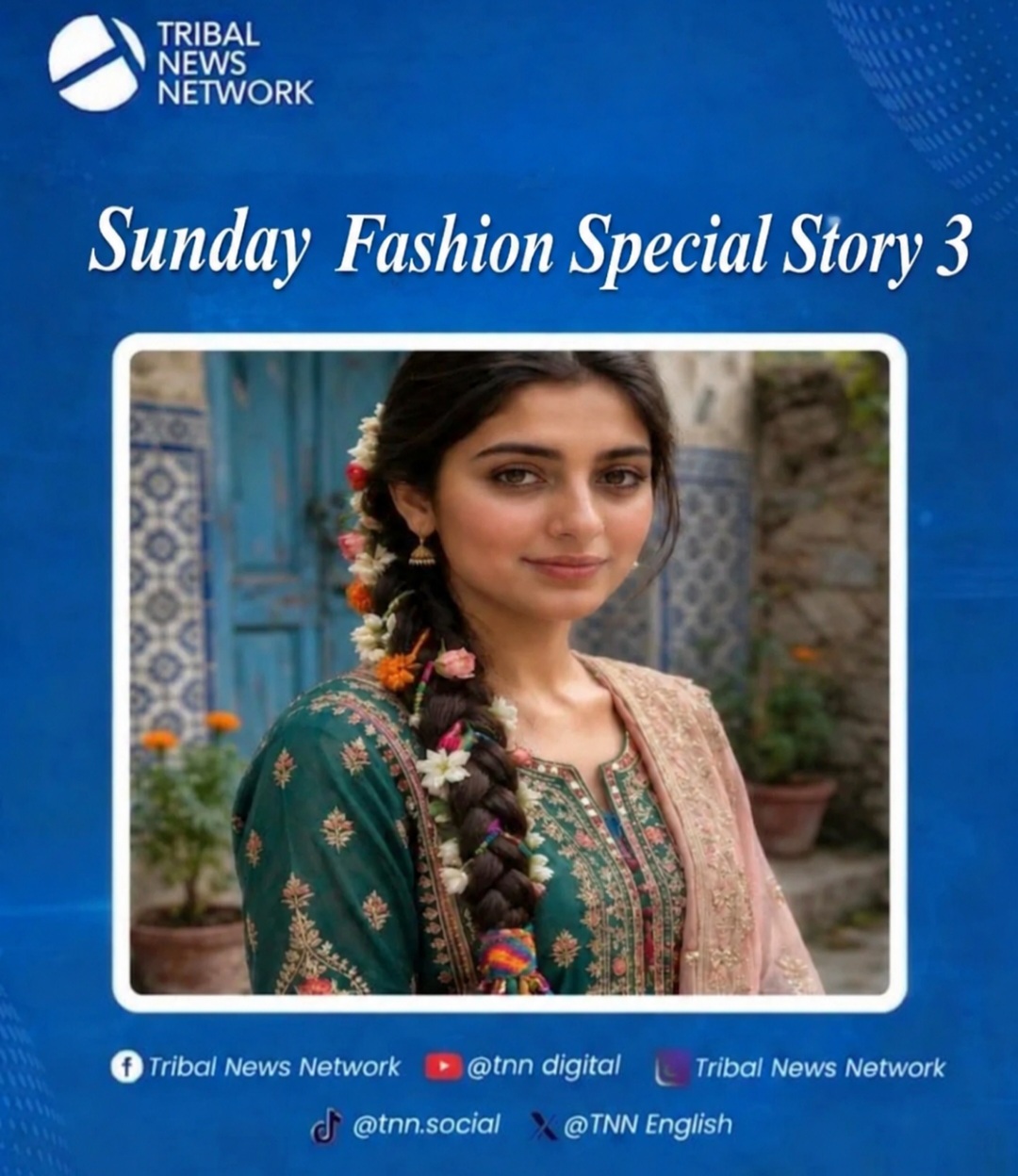
In the past, women’s hairstyles were closely linked to simplicity, traditions and household practices. Long braids, double braids, parandas (decorative tassels), ribbons, flowers in the hair, simple buns and arranging hair with a comb were among the most common styles. Women in different regions styled their hair according to their cultural clothing and traditions.
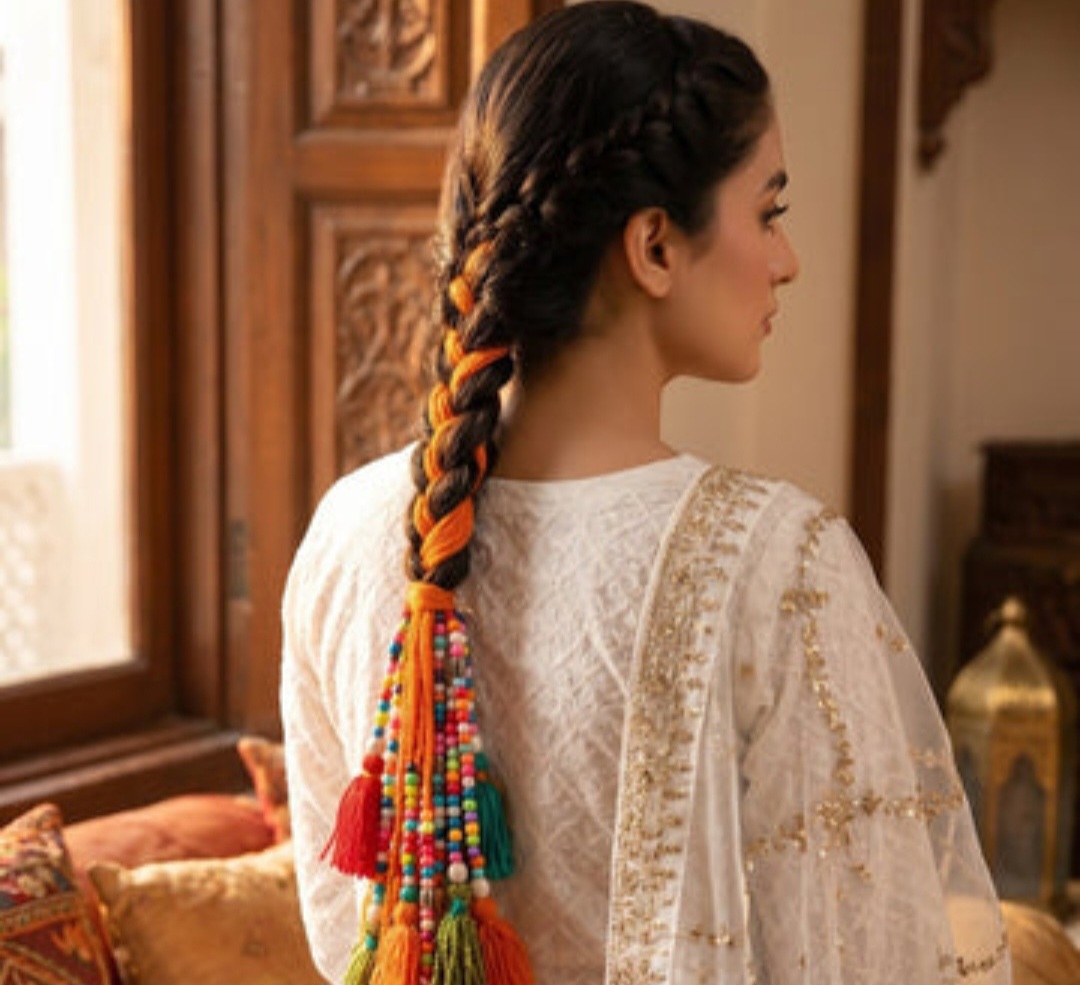
On weddings and other special occasions, braids were decorated with parandas, colourful threads and ornaments, while simple braids and buns were preferred for everyday life. Applying oil to the hair and styling it at home were also common practices.
Over time, women’s hairstyles continued to evolve, and new fashion trends emerged alongside traditional styles. While braids, parandas and simple buns were once prominent, today a variety of haircuts, layers, French braids, fishtail braids, curls, straight hairstyles, ponytails, buns, highlights and different hair colours have become part of modern fashion.
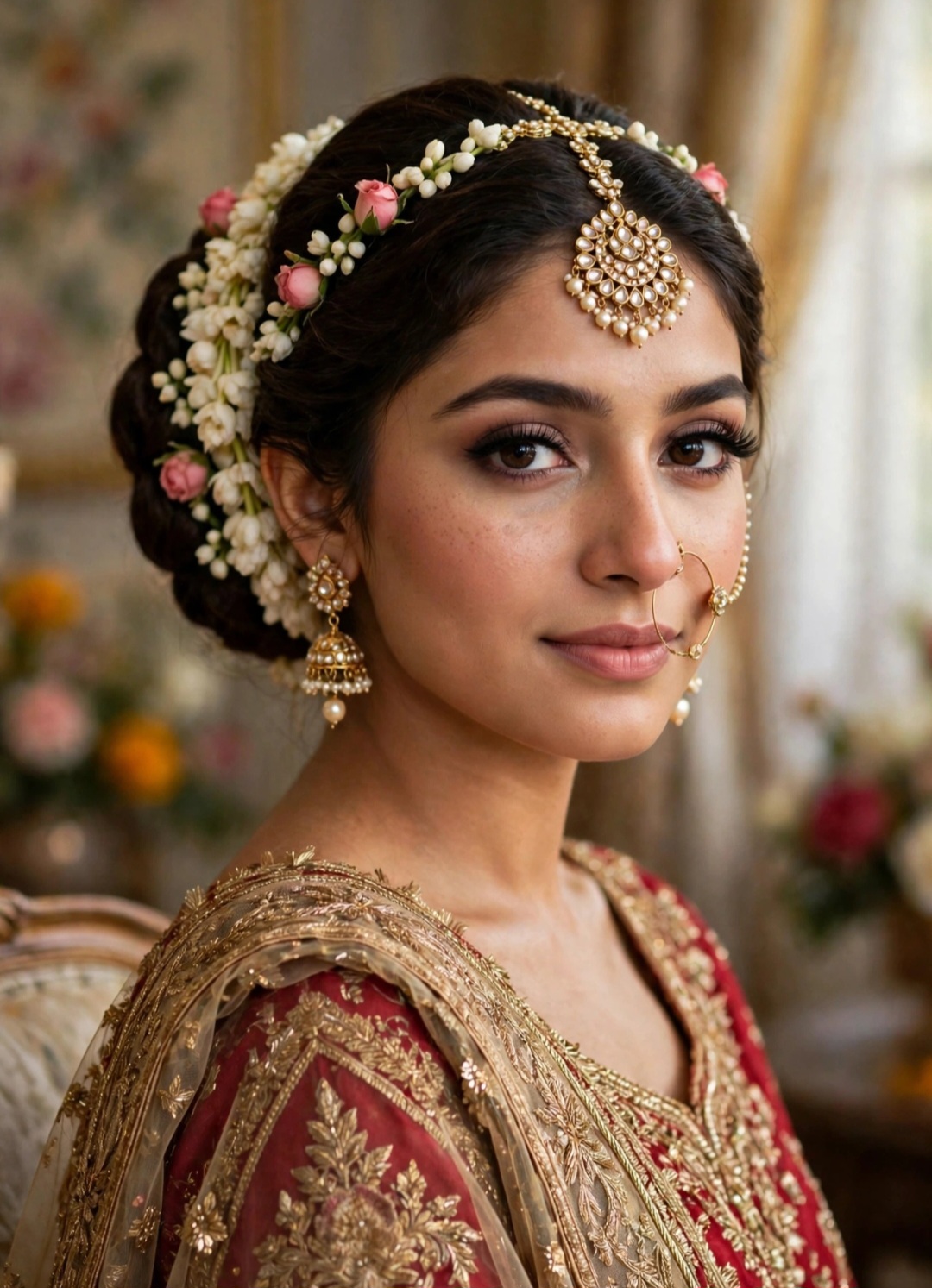
At weddings and other celebrations, women are increasingly experimenting with different hairstyles, using flowers, clips, pins, hair accessories and modern styling techniques. Salons, fashion magazines and social media have also played an important role in introducing new hairstyles and making them popular.
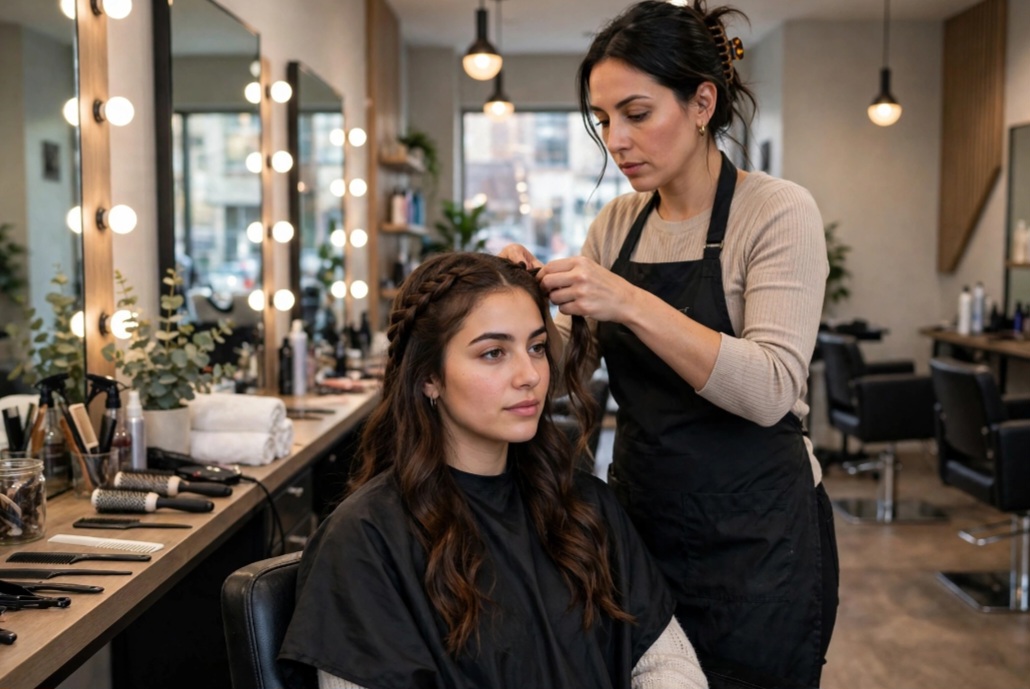
In the past, women mostly relied on household methods and traditional skills to style their hair. Today, they often visit professional hairstylists to achieve their desired looks and also seek inspiration from online pictures and videos to experiment with different styles. However, traditional braids, parandas and buns remain popular among many women and are now also being presented in modern ways.
Thus, the evolution of hairstyles reflects not only changing fashion trends but also a blend of traditional culture and modern preferences.



Comments
No comments yet. Be the first 🙂