


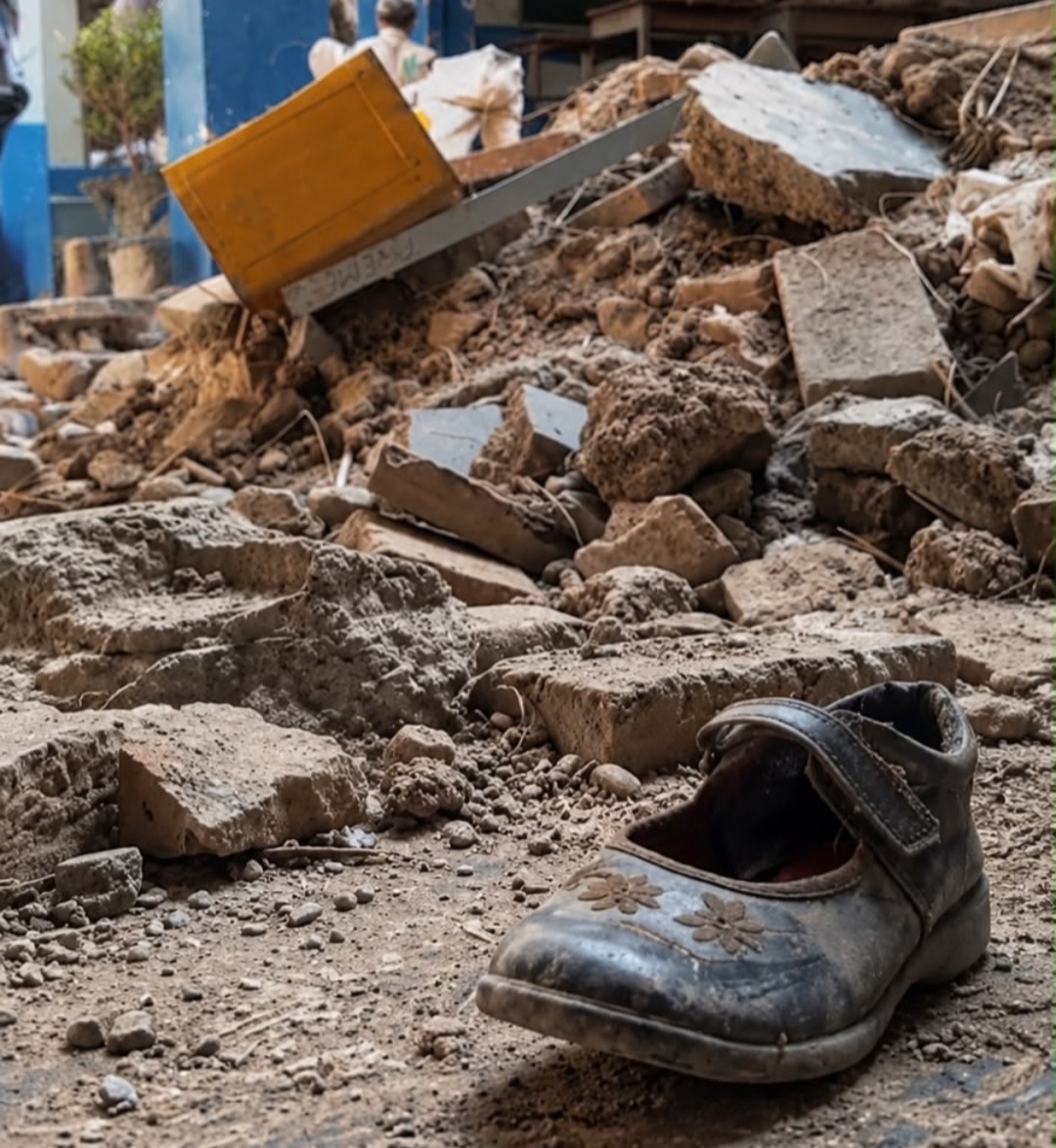
The tragic incident of a school roof collapsing in Peshawar has left us all with an important question. School-going children are the centre of their parents’ hopes and dreams. Parents send their children to school for a better education and a brighter future. But when their lives are put at risk inside a school, it is necessary to ask: who is responsible?
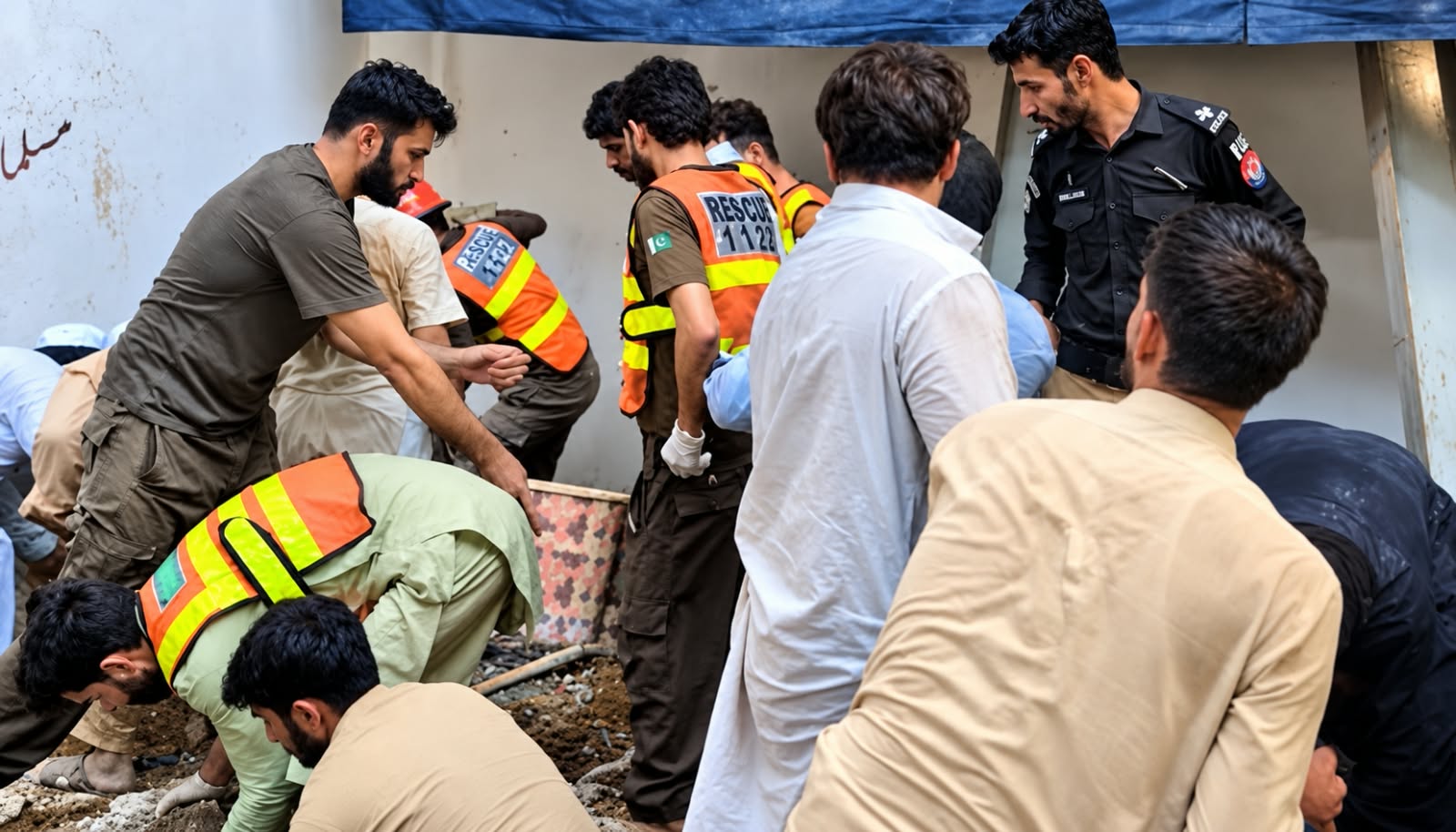
On October 15, 2026, the roof of Alkhair Education System school in Peshawar’s Dir Colony collapsed, killing 35 children and a female teacher, while several other children and teachers were injured. The tragic incident left many families in deep shock, and the grief of those who lost their loved ones is beyond words.
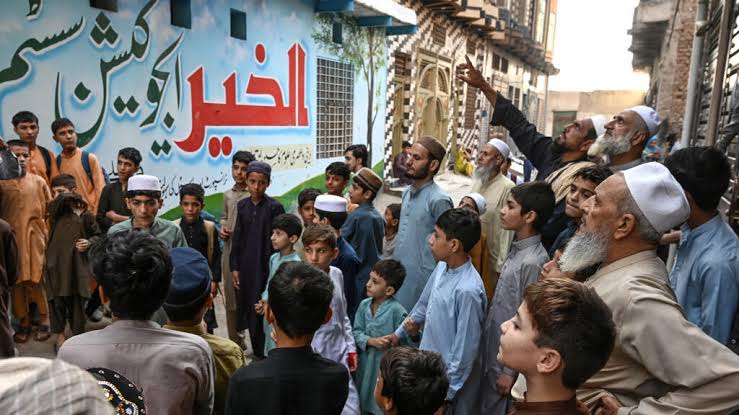
The incident raises serious questions about children’s safety in schools, the maintenance of school buildings and the monitoring systems of the relevant authorities.
Who was responsible for inspecting the condition of the school building? Were the necessary measures taken to ensure children’s safety? And could this tragedy have been prevented through timely action?
Also Read : Beyond Breaking News: TNN Helps KP’s Regional Media Navigate the Digital Age
Did the school administration inspect the condition of the building?
The responsibility of school administration is not limited to educating children, enrolling students and collecting fees. It also includes providing students with a safe environment. Parents send their children to school with the expectation that proper arrangements will be in place to ensure their safety alongside their education.
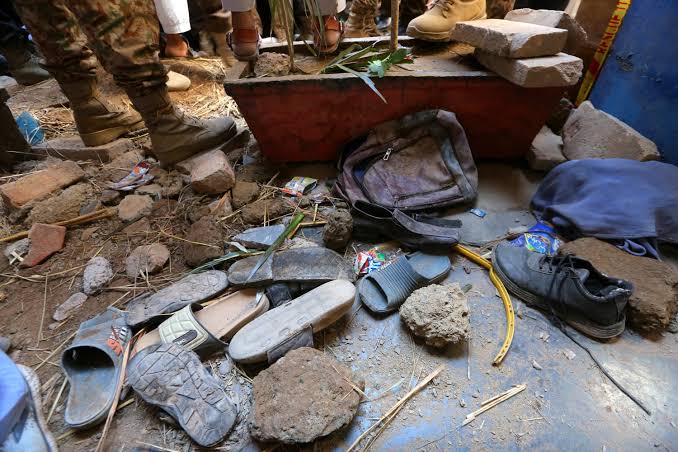
If a building has a weak roof, cracks in its walls or faces the risk of collapse for any reason, timely repairs and safety measures are essential. In this context, an important question is whether the school administration was aware of the building’s condition. Was attention being paid to the maintenance of the roof and walls? Were the necessary steps taken to ensure the safety of the building?
The maintenance and repair of a school building cannot be treated as a minor administrative matter, as they are directly linked to the lives of children and teachers. If structural defects exist, addressing them and protecting students from potential dangers are key responsibilities of the administration.
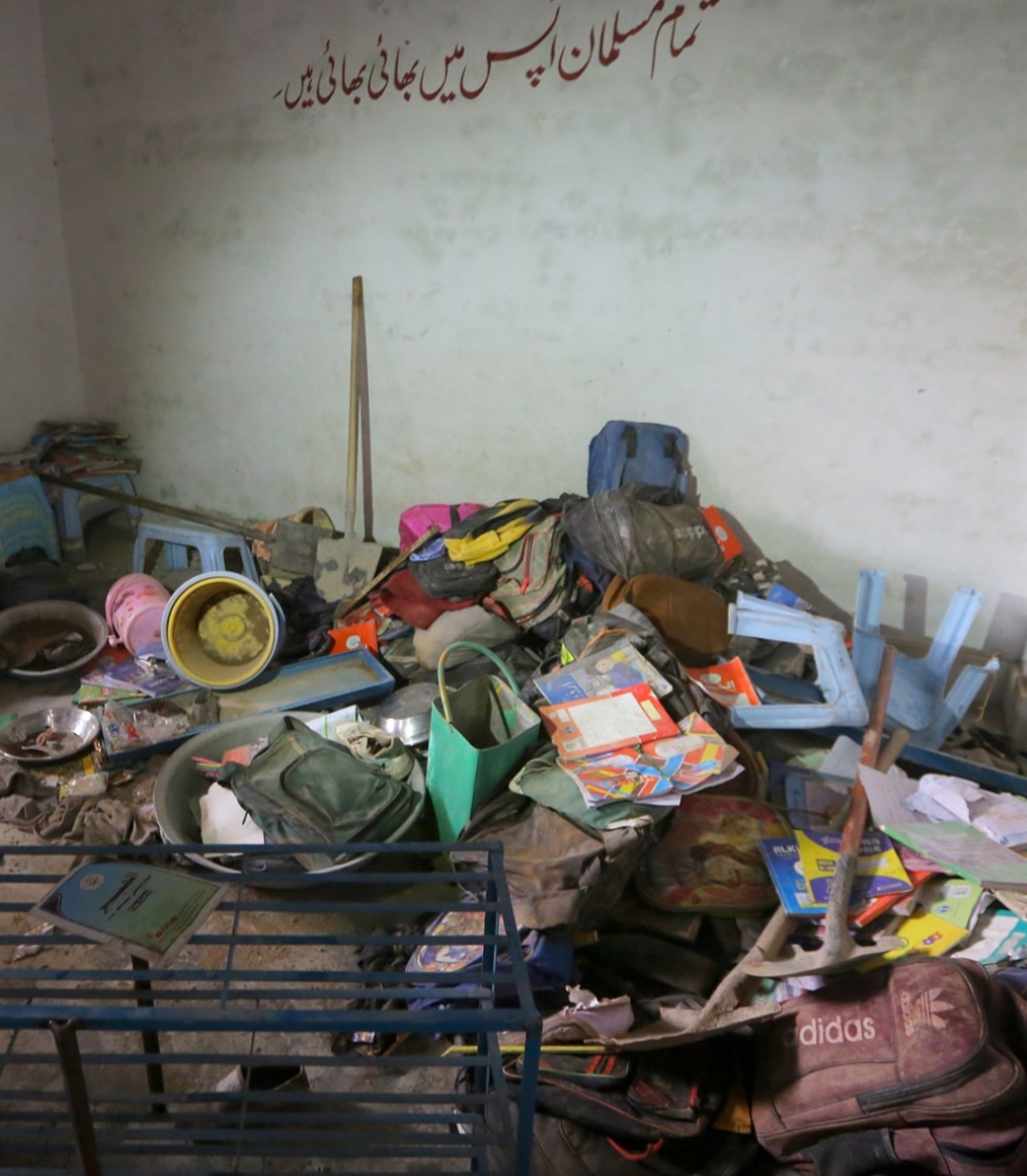
Parents send their children to school with the confidence that it provides a safe environment for their education and upbringing. To maintain this trust, school administrations must pay continuous attention to the condition of buildings, the safety of classrooms and other essential facilities.
Not everything can be left to fate:
In our society, when a major tragedy occurs, people often attribute it to fate. There is no doubt that life and death are in the hands of Allah, but this does not mean that people should neglect their responsibilities.
If a building has a weak roof, repairing it, addressing potential hazards and ensuring proper safety arrangements are the duties of those responsible. Whenever a structural defect is identified, immediate action should be taken rather than allowing the problem to be ignored.
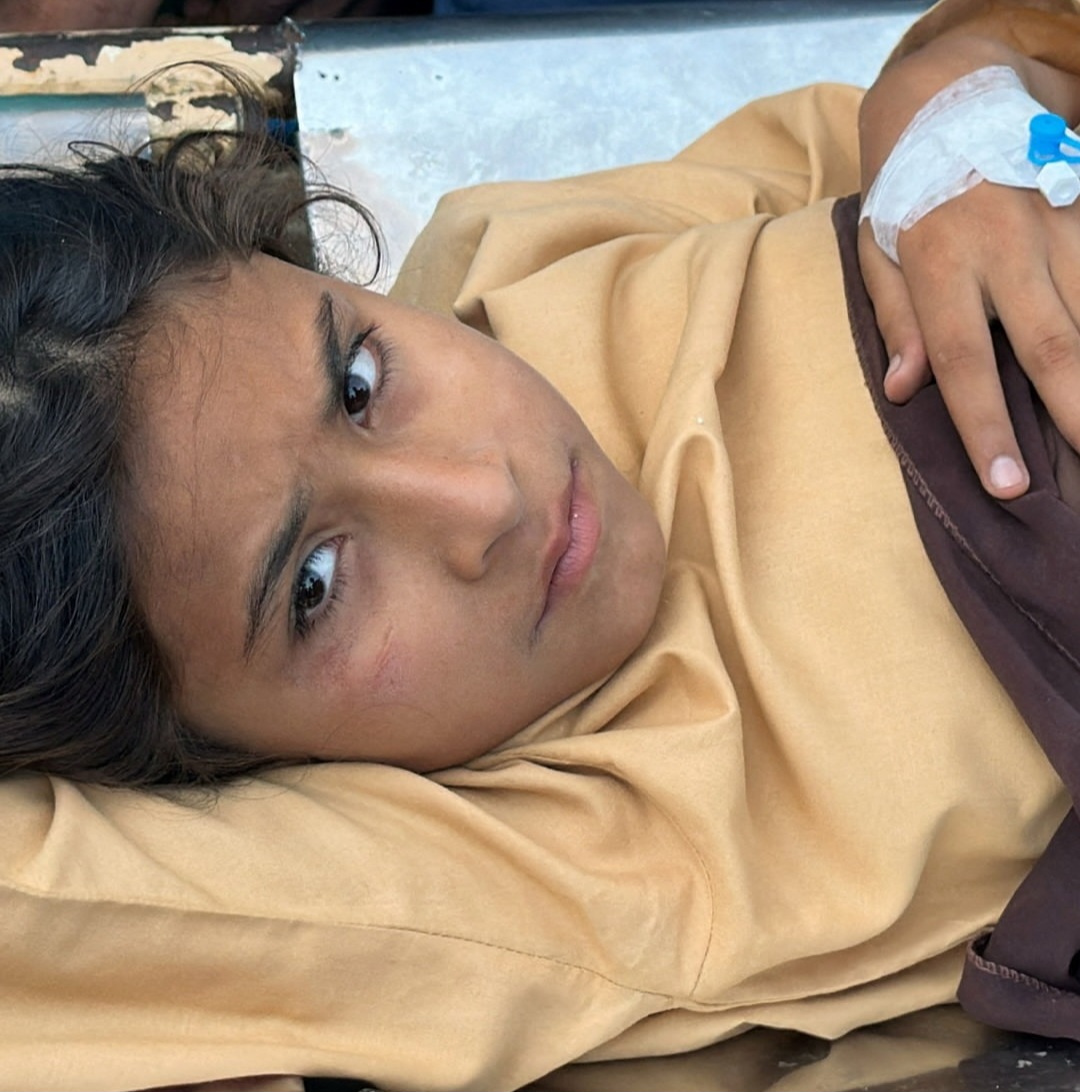
Timely building inspections, necessary repairs and proper safety measures play an important role in preventing potential accidents. To protect children in schools, it is essential to give continuous attention to the condition of school buildings and never dismiss potential hazards as insignificant.
Faith in fate has its place, but fulfilling one’s responsibilities is equally important. When it comes to the lives and safety of children, there should be no room for neglecting precautionary measures or delaying timely action.
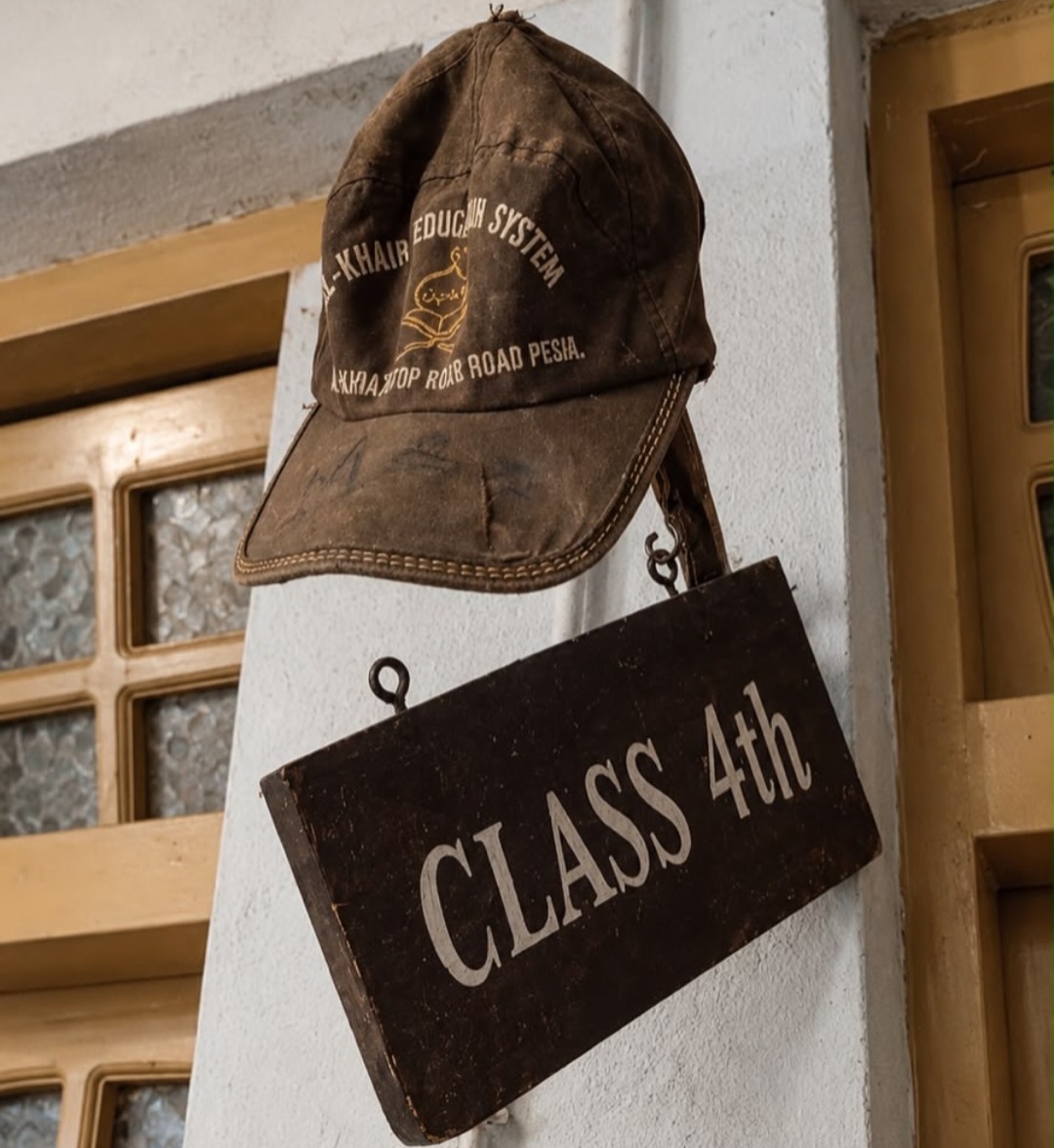
If fees are collected, why isn’t the money spent on building maintenance?
An important aspect of this incident is the fees charged by schools and the amount spent on maintaining their buildings. Parents pay monthly fees for their children’s education. Many families cover these expenses despite having limited incomes, hoping to provide their children with better opportunities for the future.
When paying school fees, parents also expect their children to remain safe at school. This raises an important question: how much of a school’s income is allocated to building repairs and safety measures, and how much importance is given to these matters?
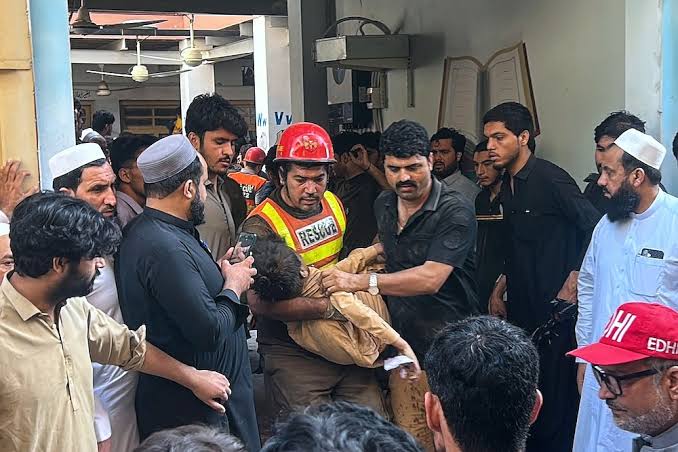
Inspecting the condition of roofs, repairing walls, ensuring electrical safety and providing safe classrooms for children should also be included among a school’s essential expenses. It is true that the expenses of every school differ, but children’s safety cannot be considered an unnecessary cost.
If a school building is structurally weak, its repair should be a priority. The administration must allocate adequate resources for building maintenance to ensure that defects do not put the lives of children and teachers at risk.
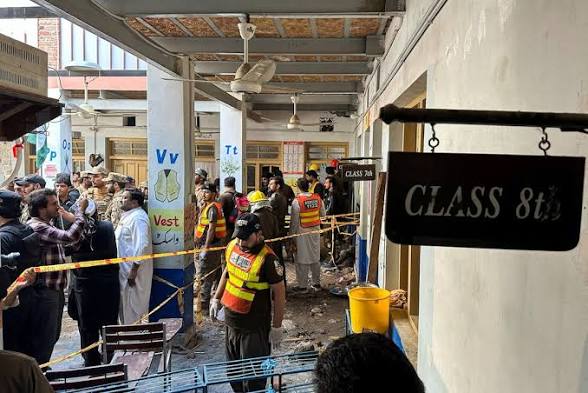
Along with collecting fees, school administrations have a responsibility to provide children with a safe environment. Ensuring building safety and providing basic facilities are just as important to the management of an educational institution as maintaining the quality of education.
The government and relevant authorities must also play their role:
The government and relevant public institutions also have an important role in ensuring children’s safety in schools. The education department, district administration and other responsible authorities should regularly monitor the condition of public and private school buildings and their safety arrangements within their respective jurisdictions.
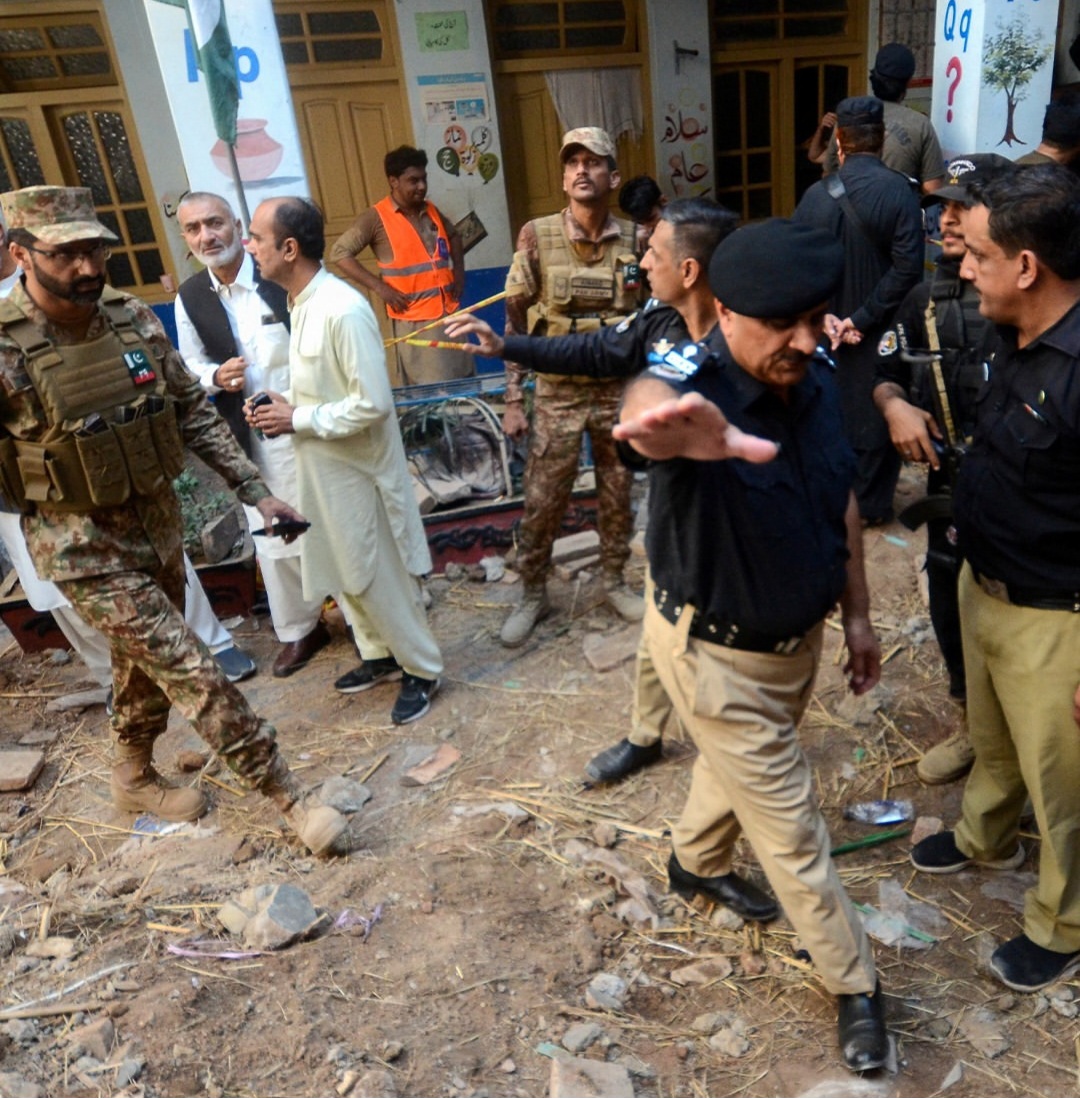
The purpose of these inspections should not be limited to examining buildings. Authorities must also ensure that identified deficiencies are addressed. If a school building poses a risk to the lives of children and teachers, the relevant authorities should take timely action and review whether educational activities should continue there until necessary repairs and safety measures have been completed.
Building safety should also be given due importance in school registration and monitoring systems. The mere availability of classrooms and teaching staff is not enough; it is equally essential to ensure that the building is safe for children.
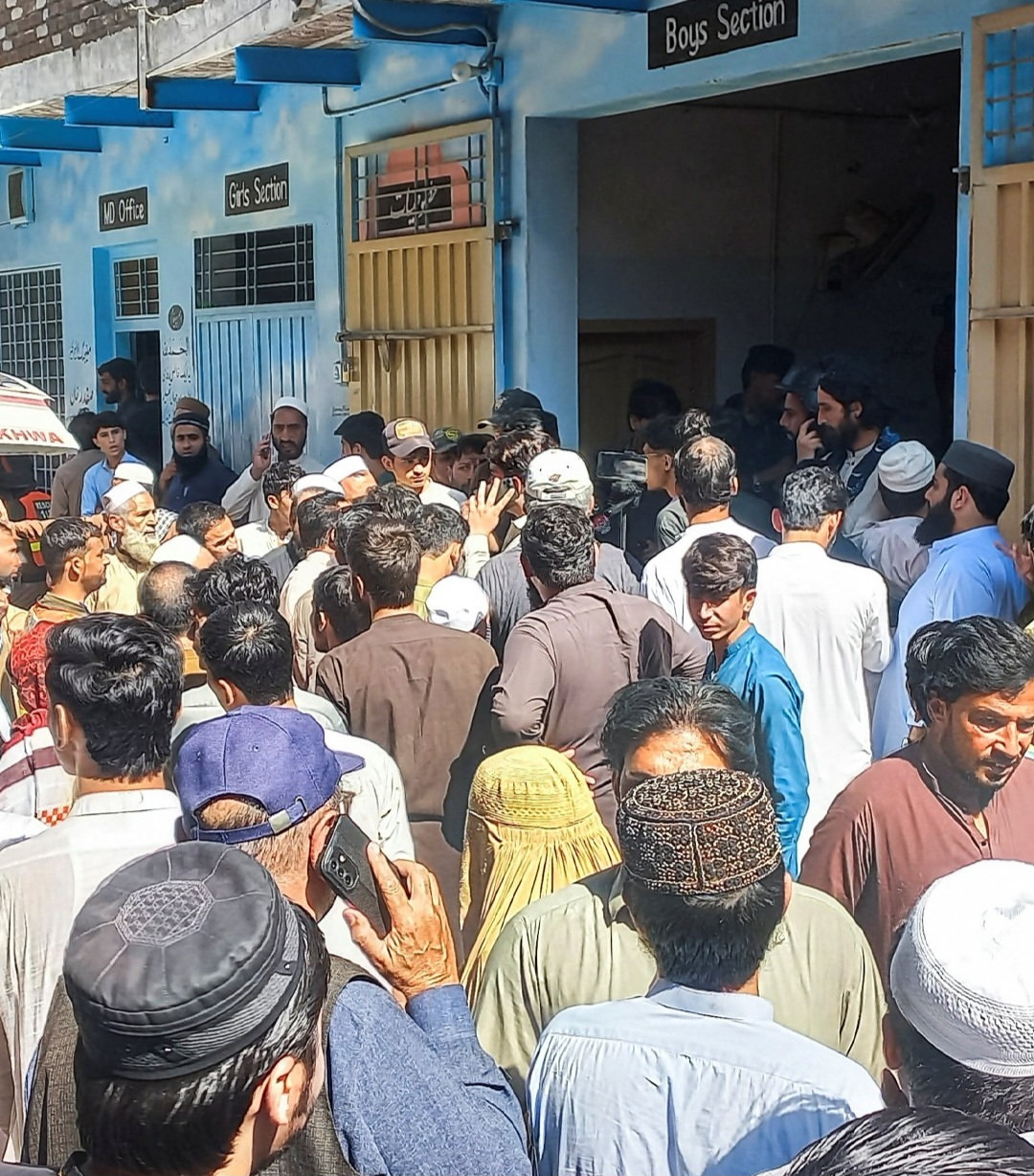
Parents should have the right to ask questions about the condition of their children’s school buildings and the safety measures in place. Relevant authorities should take parents’ complaints seriously and establish effective monitoring mechanisms to ensure that building conditions and safety arrangements are regularly assessed.
There must be no compromise on children’s safety:
The incident in Peshawar’s Dir Colony is not merely a matter concerning one school. It highlights the need to review building safety across the education system and examine how relevant authorities monitor educational institutions.
The parents who sent their children to school that morning could never have imagined that their children would not return home. The grief of these families cannot be expressed in words, and no amount of financial assistance can fill the void left by their children.
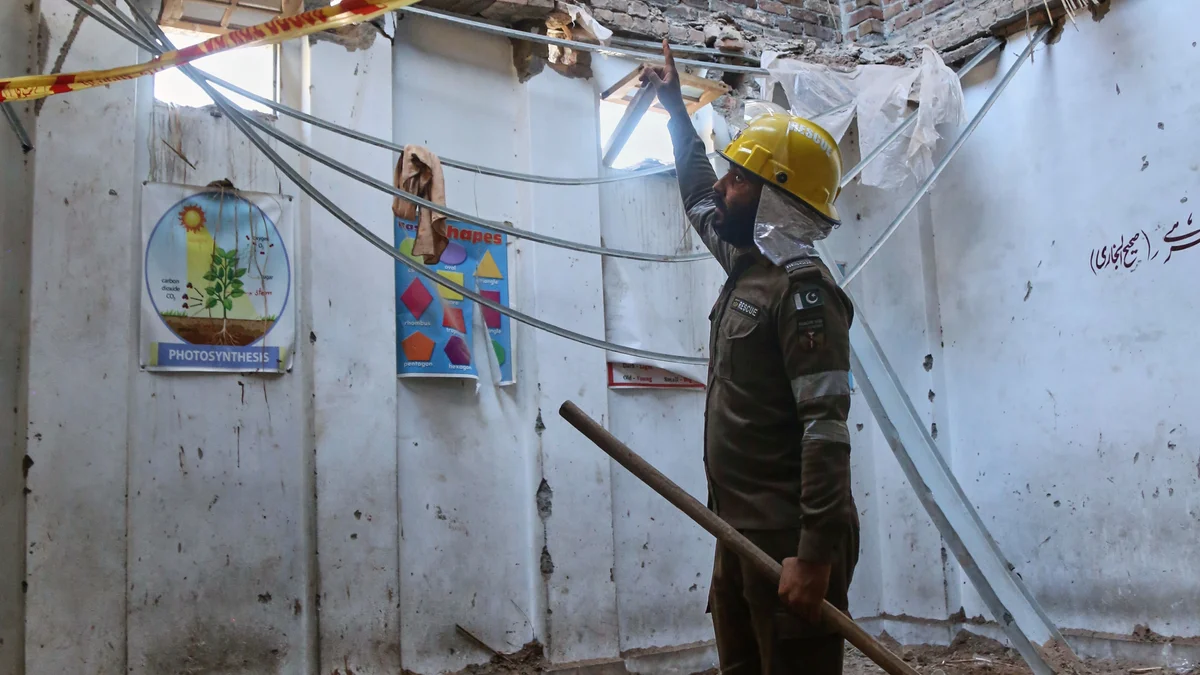
It is essential to investigate the causes of the incident, the condition of the building, the safety arrangements and the responsibilities of those concerned. Other school buildings should also be inspected so that potential hazards can be identified and addressed in time. Measures to protect children must remain a permanent part of routine school management and regulatory oversight, rather than being introduced only after a tragedy occurs.
Schools are not merely places where fees are collected and education is provided; they are the foundation of children’s futures. Protecting this foundation is a shared responsibility of school administrations, the government and the relevant authorities.
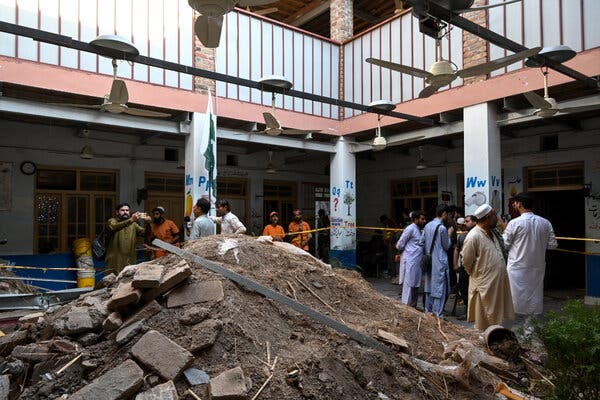
Children go to school to build their future, not to lose their lives. Parents pay fees for their children’s education and also expect their safety to be ensured. Therefore, the lives and well-being of children must be the highest priority in educational institutions.
Note: This article reflects the personal opinion of the author, which does not necessarily represent the views of the organisation.

Comments
No comments yet. Be the first 🙂