


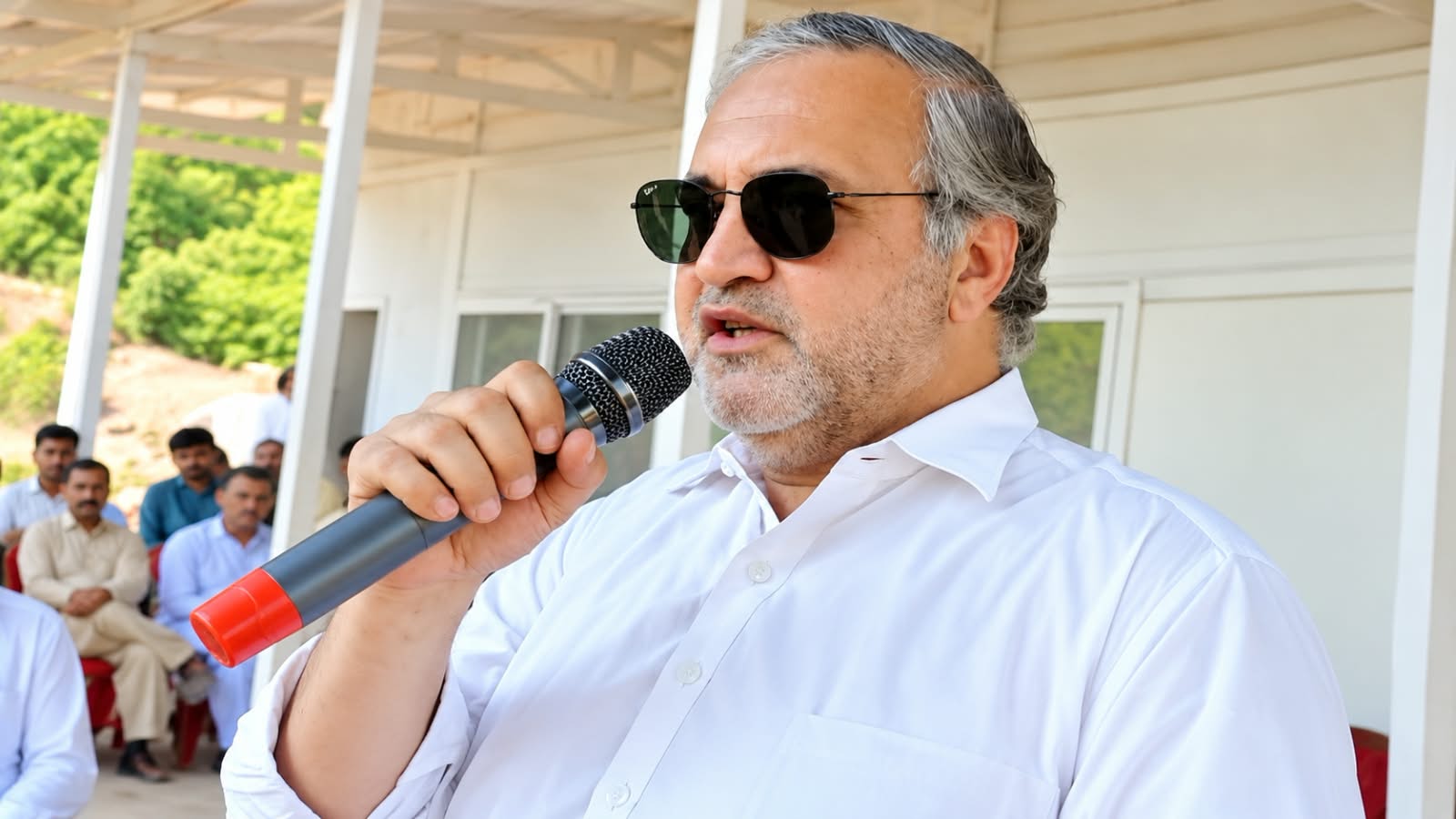
Political and legal circles have expressed differing views on the powers, public representation and administrative structure of the Area Representative and Development Council (ARDC), established for the former tribal districts and southern districts of Khyber Pakhtunkhwa.
Former federal minister Hamidullah Jan Afridi has proposed making the council elected, autonomous and empowered, while also suggesting that the tribal districts be given the status of a separate province. Meanwhile, Awami National Party (ANP) district vice president Siddiq Chiragh Afridi has criticised the imposition of an emergency in 12 districts, stressing that public welfare should be prioritised.
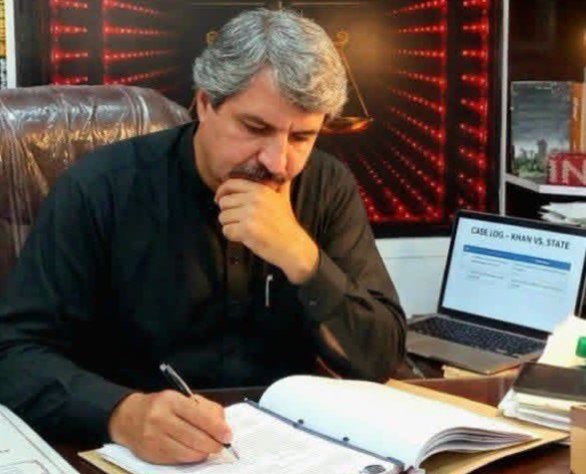
On the other hand, former president of the Khyber Bar Association, Advocate Farhad Afridi, has emphasised the need to include experts from relevant sectors and people familiar with local conditions in the council's administrative structure.
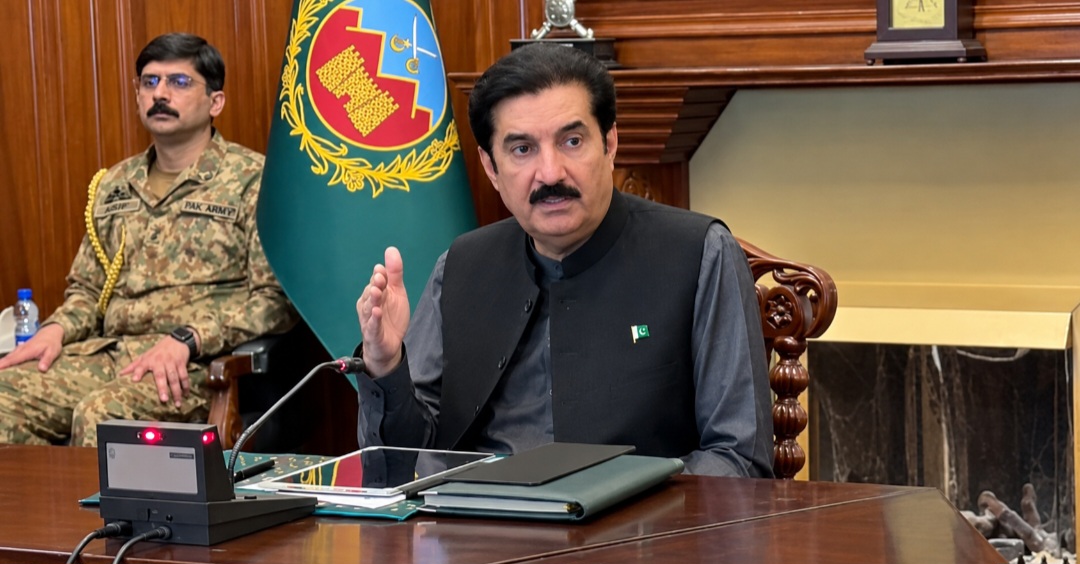
According to a notification issued by the Areas Development Secretariat, the council comprises a total of 48 members from 12 districts of Khyber Pakhtunkhwa. Shaukatullah Khan has been appointed chairman of the council, while Malik Khan Marjan has been appointed vice chairman. The council's initial term has been set at six months.
Additional Chief Secretary Muhammad Yahya Akhunzada issued the notification establishing the council. Copies have been sent to the relevant federal and provincial authorities and district administrations.
According to the notification, the council will include representatives from Bajaur, Mohmand, Khyber, Kurram, Orakzai, North Waziristan, Upper South Waziristan, Lower South Waziristan, Bannu, Dera Ismail Khan, Tank and Lakki Marwat.
Speaking to Tribal News Network (TNN), former federal minister Hamidullah Jan Afridi said he had supported the establishment of an independent council at the former FATA level from the outset. However, he stressed that the council must be elected, autonomous and empowered so that it could play an effective role in maintaining law and order, promoting development and legislating for the tribal areas.
Welcoming the establishment of the current council, he said all tribal districts had been given representation and that the council was expected to be granted powers relating to regional development and law and order.
According to him, if the purpose of the council is to resolve the problems of tribal people, make development decisions through local representatives and empower the public, he supports the initiative.
However, Hamidullah Jan Afridi said it was essential to grant the council genuine powers and autonomy. He warned that if it had been established for other purposes, it could produce negative consequences and trigger a strong reaction among the tribal population.
He proposed including public representatives elected through national and provincial assembly elections in the council and granting them clear powers regarding development, law and order, and legislation. This, he said, would help ensure that the council becomes an effective institution for resolving public issues rather than merely an administrative structure.
Hamidullah Jan Afridi further suggested that, in the next phase, the tribal districts should be granted the status of a separate province, where local representatives could legislate in accordance with their customs and traditions.
He said successive federal and provincial governments had treated the tribal districts like a stepchild in the past. He added that the time had come to grant the tribal districts their own province so that the problems of the local population could be addressed more effectively.
Meanwhile, speaking to TNN, ANP district vice president Siddiq Chiragh Afridi criticised the federal government's imposition of an emergency in 12 districts of Khyber Pakhtunkhwa.
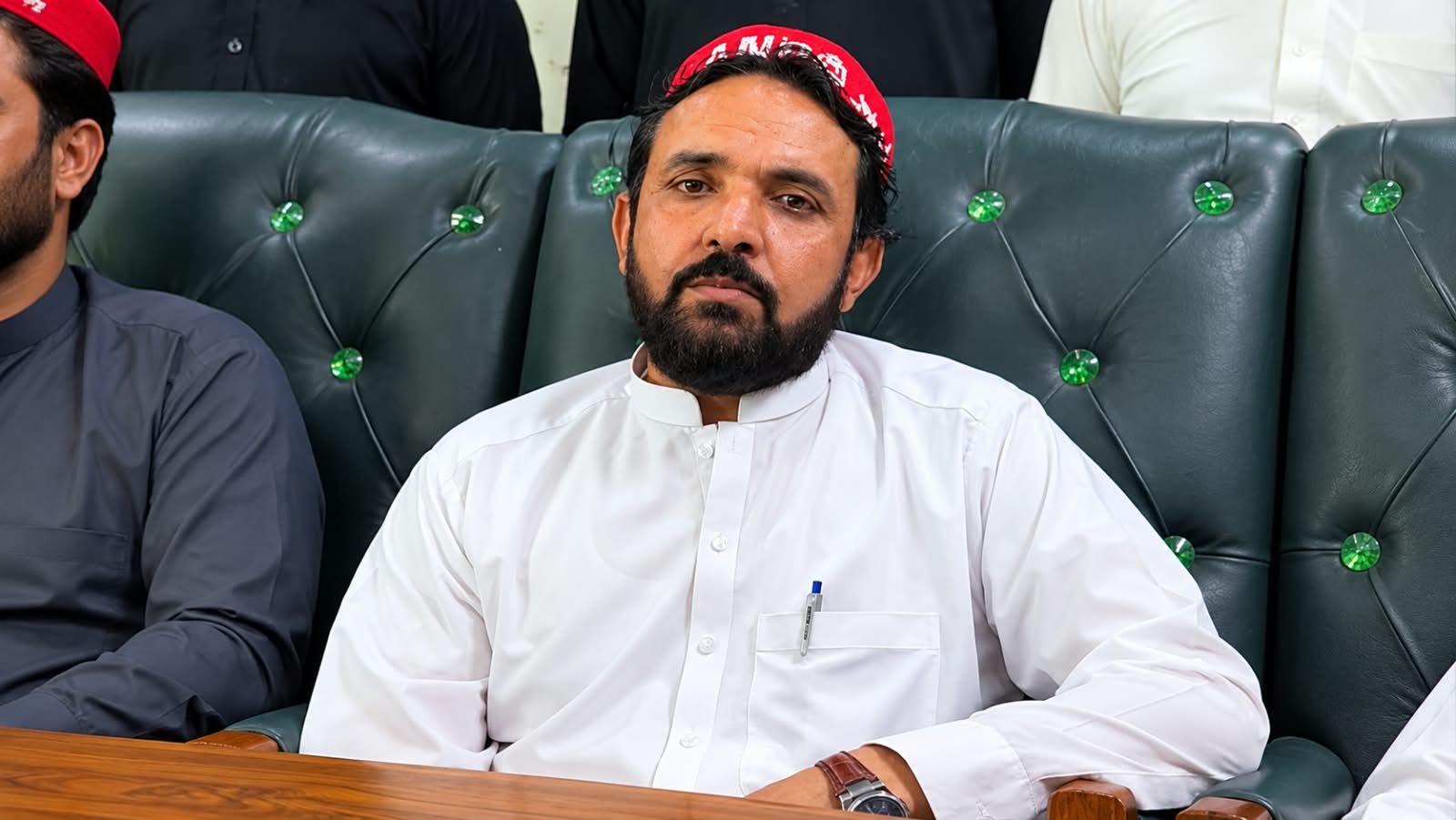
He said that from the former Frontier Crimes Regulation (FCR) to the recent emergency, laws and administrative measures had repeatedly been introduced for the tribal population, which, in his view, were seen as mechanisms for controlling the people.
Siddiq Chiragh Afridi said that in developed societies, laws are designed to facilitate the public, improve their standard of living and create opportunities for development. However, he said, tribal people have repeatedly been subjected to treatment that makes them feel like third-class citizens.
He said there was a need to introduce policies and laws for the tribal districts and other affected areas that prioritise public welfare. According to him, special attention should be given to education, healthcare and economic stability to ensure that local communities have access to basic facilities and equal opportunities for development.
He warned that if decisions were made by ignoring public interests and democratic principles, the Awami National Party (ANP) would launch a political struggle against such measures.
Meanwhile, former president of the Khyber Bar Association, Advocate Farhad Afridi, told Tribal News Network (TNN) that the council established to manage the administrative affairs of the region appeared to be primarily administrative in nature, raising questions among the public.
He said that measures to maintain law and order were important. However, public reaction could not be ignored when assessing the benefits and drawbacks of any new administrative system. It was essential to determine whether local people accepted the system and the extent to which it could achieve the objectives of public welfare, prosperity and development.
Advocate Farhad Afridi said security measures could be expected to improve the situation. However, he stressed that the existing administrative structure needed to include experts from relevant sectors and people familiar with the ground realities of the region.
According to him, qualified individuals who understand local problems and can propose effective solutions are needed to oversee development and administrative affairs.
Pointing out the lack of specialised and experienced professionals in the current administrative structure, he said experts from relevant sectors, local representatives and public interests should be given due importance in decisions concerning the region's future.
The establishment of the Area Representative and Development Council (ARDC) is being viewed as a significant development for managing administrative and development affairs in the tribal and southern districts. However, its effectiveness will depend on the extent of authority it is granted, the effectiveness of its decision-making and its role in resolving public issues.
Following the decision to set the council's initial term at six months, its performance, powers and the transparency of its administrative structure have also become important considerations. According to political and legal circles, prioritising local needs, public representation and accountability under the new system is essential to ensuring security, development and public welfare in the region.


Comments
No comments yet. Be the first 🙂