


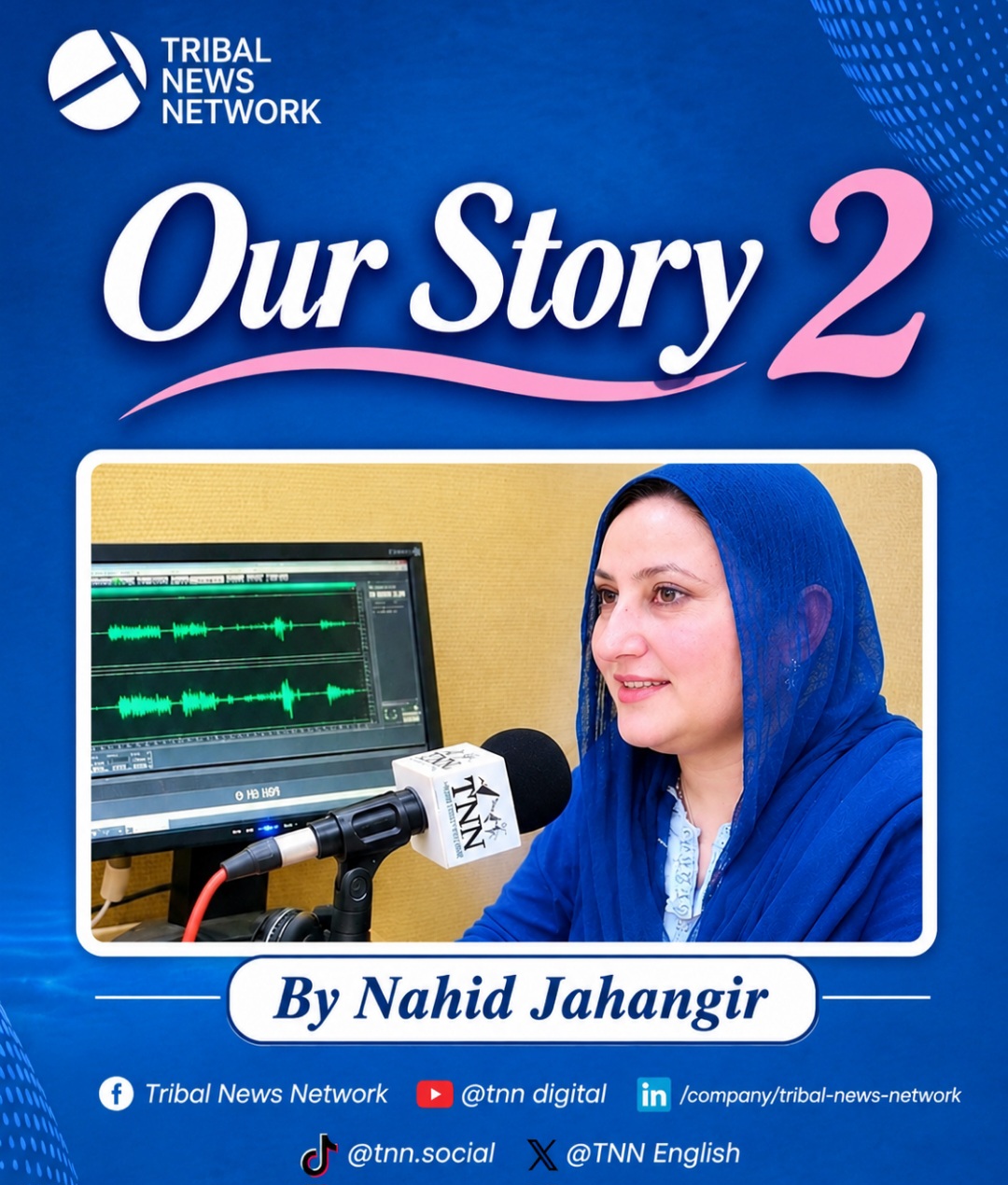
By Nahid Jahangir
Her father left their village to provide his daughters with better educational opportunities, but Nahid Jahangir had to overcome far more than academic challenges to achieve her goals. She faced social resistance, family pressure, threats and even physical assault. At times, her decision to attend college was questioned, while her appearance on television screens was linked to the family's honour. Despite these challenges, she refused to abandon journalism. Today, she serves as Assistant Media Manager at Lady Reading Hospital (LRH), and parents in her neighbourhood encourage their daughters to pursue their ambitions by following her example.
“My father always used to say that the only difference between men and women is their gender. In terms of abilities, responsibilities and rights, both are equal.” He was particularly passionate about ensuring that his daughters received an education. When it was time for us to begin our education, my parents decided to leave our village in Shabqadar, Charsadda district, and move to Peshawar. My father believed that the city would offer his daughters better educational opportunities and allow them to prove their abilities. He always encouraged us and never allowed anyone to interfere in our education or personal decisions.
After completing my matriculation, I enrolled in college, but some relatives and members of society began raising objections. People questioned why a girl needed to attend college, why she had to leave the house and why she was studying alongside boys. However, my father stood firmly by me despite these objections. His support gave me the courage to continue my education and struggle for my dreams.
I completed my master's degree in Mass Communication and Journalism from the University of Peshawar and later earned an MPhil in Media Studies from the Islamia University of Bahawalpur. After completing my education, I began my professional career with Radio Pakistan and Pakistan Television (PTV).
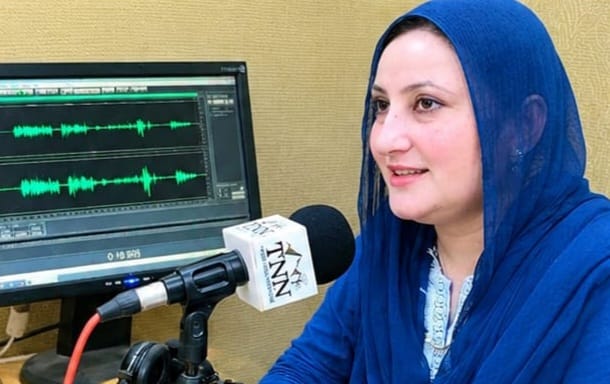
I subsequently worked with Khyber TV and Khyber Sahar before joining Tribal News Network (TNN), where I remained associated for four years. Working at TNN allowed me to strengthen my journalistic skills and gain valuable practical experience.
During my time at TNN, I became the first woman to present Facebook Live news in the Pashto language. Initially, the experience was not easy for me. During live broadcasts, some users posted inappropriate comments, which sometimes affected my confidence. On one occasion, I even decided to quit presenting Facebook Live news. However, the organisation's director, Syed Nazir, encouraged me not to give up. He explained that moving forward required ignoring negative comments and staying focused on my work. His guidance helped me reconsider my decision and continue my work with determination.
Alongside journalism, I also had the opportunity to work with organisations such as the Digital Rights Foundation, Pakistan Press Foundation and Media Matters. Through various exchange programmes, I travelled to different destinations, including the United States, Qatar, Dubai and Abu Dhabi. These visits allowed me to gain new experiences and broaden my professional knowledge.
Also Read : Wah Gardens: Where Mughal History, Natural Beauty and Family Memories Come Together
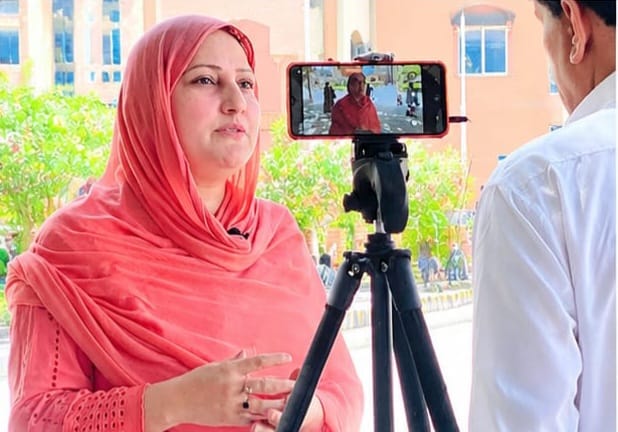
Objections to my presence in the media continued. Some people would call my family to complain that I appeared on television, saying that whenever people gathered in the hujra to watch the news, they would see Nahid on the screen. Some even linked my professional work to the family's honour and criticised me for it. However, apart from my parents and sisters, there were many people who celebrated my achievements, encouraged me and advised me to keep moving forward.
In January 2025, I experienced an extremely painful incident. I was travelling in a rickshaw when my maternal cousins attacked me and my two sisters, punching us repeatedly. The incident deeply affected all three of us. However, the reaction I received from some close relatives and members of the journalistic community was equally disappointing. Some accused me of staging the attack to facilitate my travel abroad, while others dismissed it as an ordinary dispute. These reactions were particularly painful because people were expressing doubts about an incident that had caused us immense distress.
Even today, I continue to face opposition and threats from certain family members, particularly from my maternal relatives. Despite this, I have remained focused on my work and professional growth. I believe that instead of getting caught up in other people's negativity, it is more important to improve one's abilities and continue working hard towards one's goals.
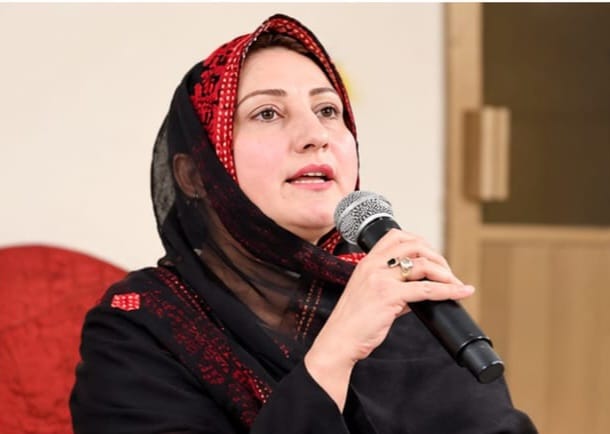
Today, I am serving as Assistant Media Manager at Lady Reading Hospital. I am also active on social media, where I create awareness-based videos. It makes me happy when people search for my name on Google and come across my professional achievements. Sometimes, young girls stop me on the street and ask, "You are Nahid, aren't you?" For me, this recognition and the love I receive from people are no less than an honour.
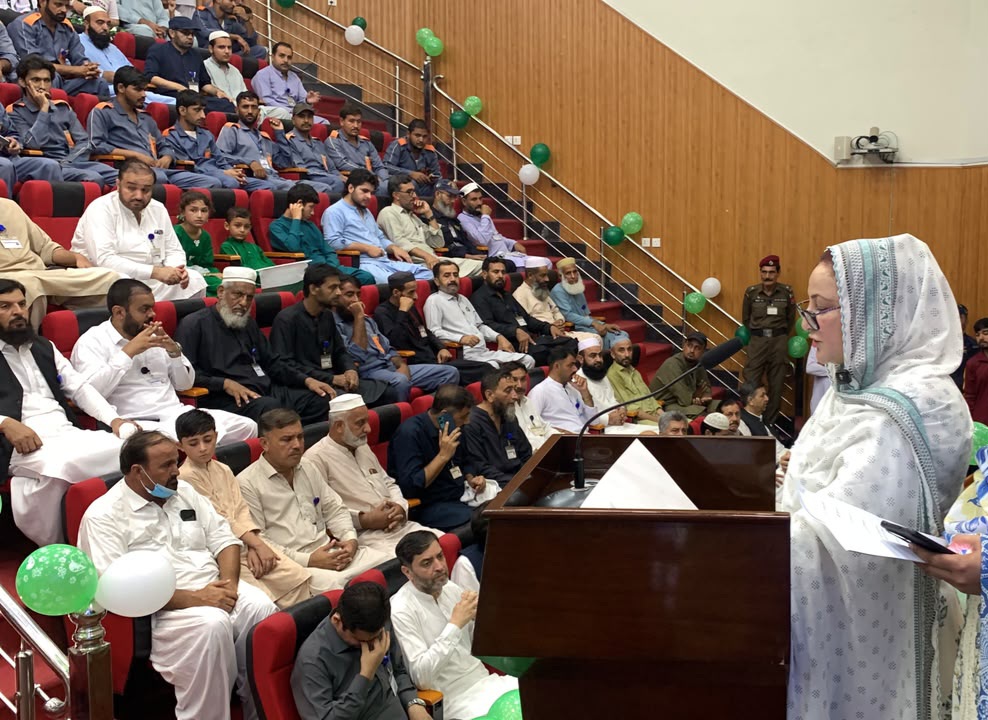
The biggest change in my life is that parents in the same neighbourhood where people once objected to my education and work in the media now encourage their daughters to pursue education and move forward by giving my example. They tell their daughters to study, prove their abilities and establish their own identities. For me, this is no less than an award or achievement: knowing that my struggle has become a source of inspiration for other girls.
Someone once advised me that if certain people were unhappy with my progress, I should focus on improving my personality, abilities and professional standing rather than getting into arguments with them or seeking revenge. I followed that advice and realised that hatred should not be answered with hatred, but with hard work and success. Critics will always exist, but if a person takes every comment to heart and starts living according to other people's expectations, achieving personal goals becomes difficult.
I want my story to reach girls who are thinking of giving up on their dreams because of family pressure, social restrictions and people's criticism. I want them to know that their education, abilities and future matter, and that they have every right to build their own identities.
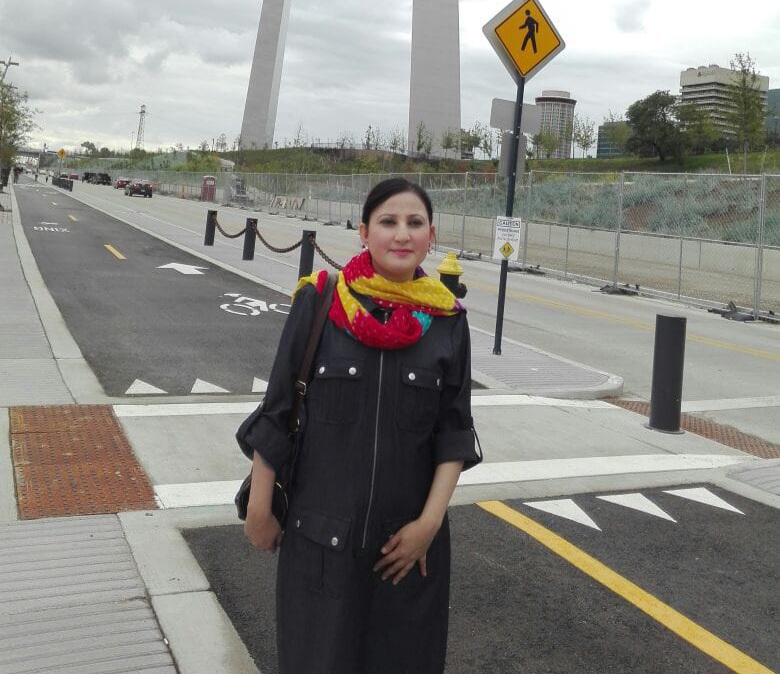
I also appeal to parents not to limit their daughters' educational and professional futures because of social pressure or what other people might say. The same educational and career opportunities they wish for their own daughters should also be extended to other people's daughters. A girl's education does not just transform her own life; it also has the power to change the mindset of an entire family and future generations.
Throughout my life, I have witnessed how a father's belief in his daughter can pave the way for her future. People who once questioned my education and career in journalism now encourage their own daughters by giving my example. For me, this is the greatest achievement: my struggle is no longer limited to my own journey but has become a source of hope and encouragement for other girls to move forward.

Comments
No comments yet. Be the first 🙂