


Before the morning alarm even rings, a mobile phone can tell us about the weather, the route, and the day’s schedule. Within moments, it can prepare a piece of writing, simplify difficult language, change the style of an image, or transform an ordinary photograph into a scene from the 1980s, complete with period clothing, big hairstyles, old-style lighting and a cinematic look. Tasks that once took hours, days, or the help of experts can now be completed by artificial intelligence within seconds.
Today, people are transforming their current photographs into 1980s-style images. Social media is filled with pictures in which people from the modern era appear in old studio portraits, vintage clothing, cinematic lighting and styles from the past. At first glance, this may seem like simple entertainment, but a much bigger change lies behind it.

Artificial intelligence is not only changing the way we work; it is also changing how we view the past, present our identities, and experience reality.
But if a machine can create images, write text, generate voices, translate languages and organize complex information within seconds, an important question becomes more relevant than ever: How far should technology go in working for humans, and how much power should we give it?
There is no denying the benefits of artificial intelligence. In education, it is helping explain difficult concepts, translate between languages and organize information. In journalism, it can help analyze data, conduct preliminary reviews of documents, prepare content in different languages and identify important points from large amounts of information.
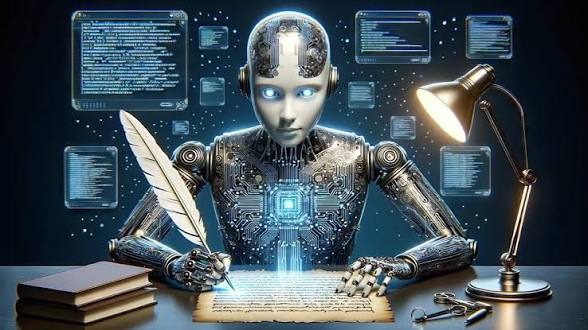
In medicine, AI is supporting research and diagnostic processes, while businesses are using it to complete administrative tasks, respond to customer queries and organize information more quickly. But as convenience is increasing, concerns are also emerging just as rapidly.
According to the International Monetary Fund, around 40 percent of jobs worldwide could be affected by artificial intelligence, while the figure could reach about 60 percent in advanced economies. However, this does not mean that the same percentage of jobs will disappear. In some jobs, AI will enhance human abilities, some jobs will change, and in certain sectors the need for human labor may decrease.
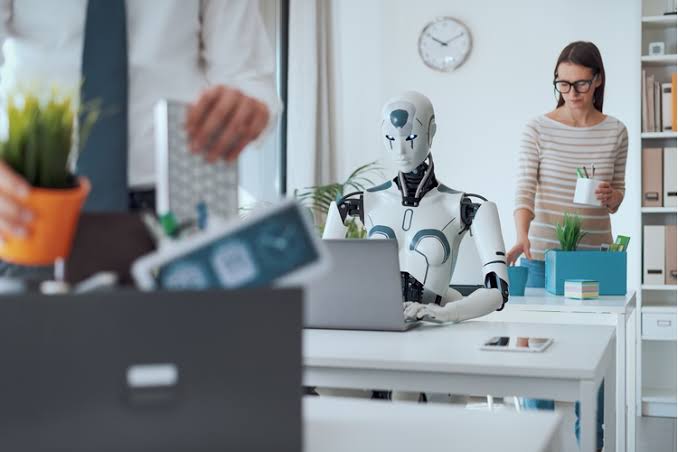
The real change may be that fewer people will be needed to perform the same task in the future than are needed today. This could have major implications for millions of young people who are currently getting an education and looking for employment.
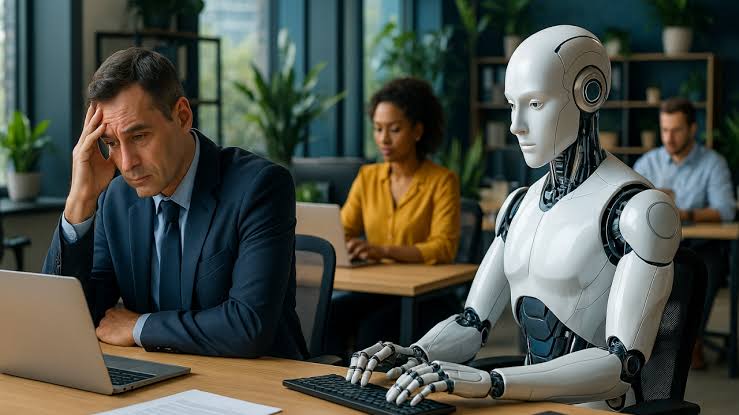
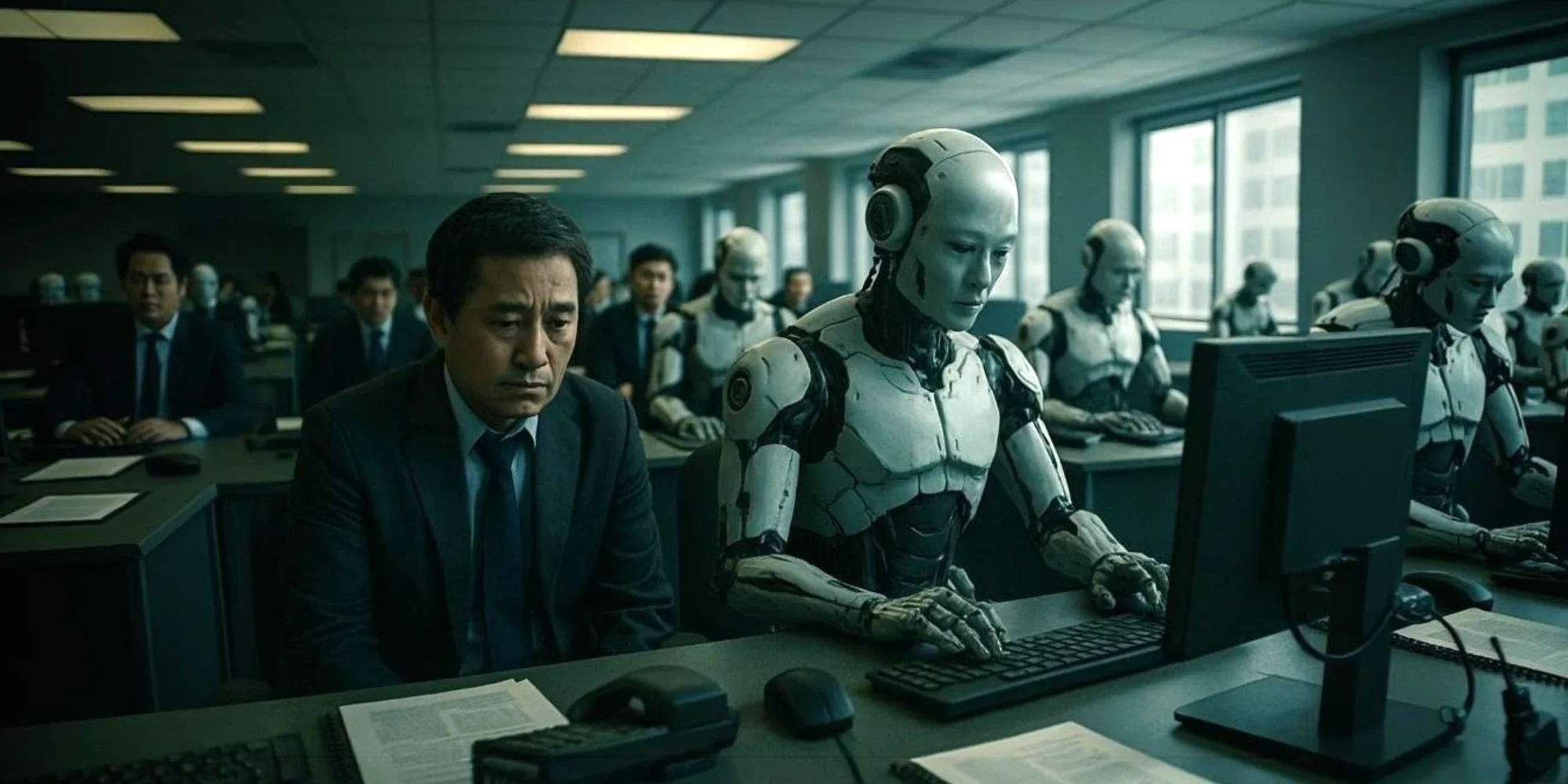
If an organization can use AI to complete work with fewer employees that previously required a large team, the very definition of a job could change. The competition of the future may therefore not simply be between humans and machines, but also between people who know how to work with new technology and those who are not prepared for the change.
But the issue is not limited to employment.
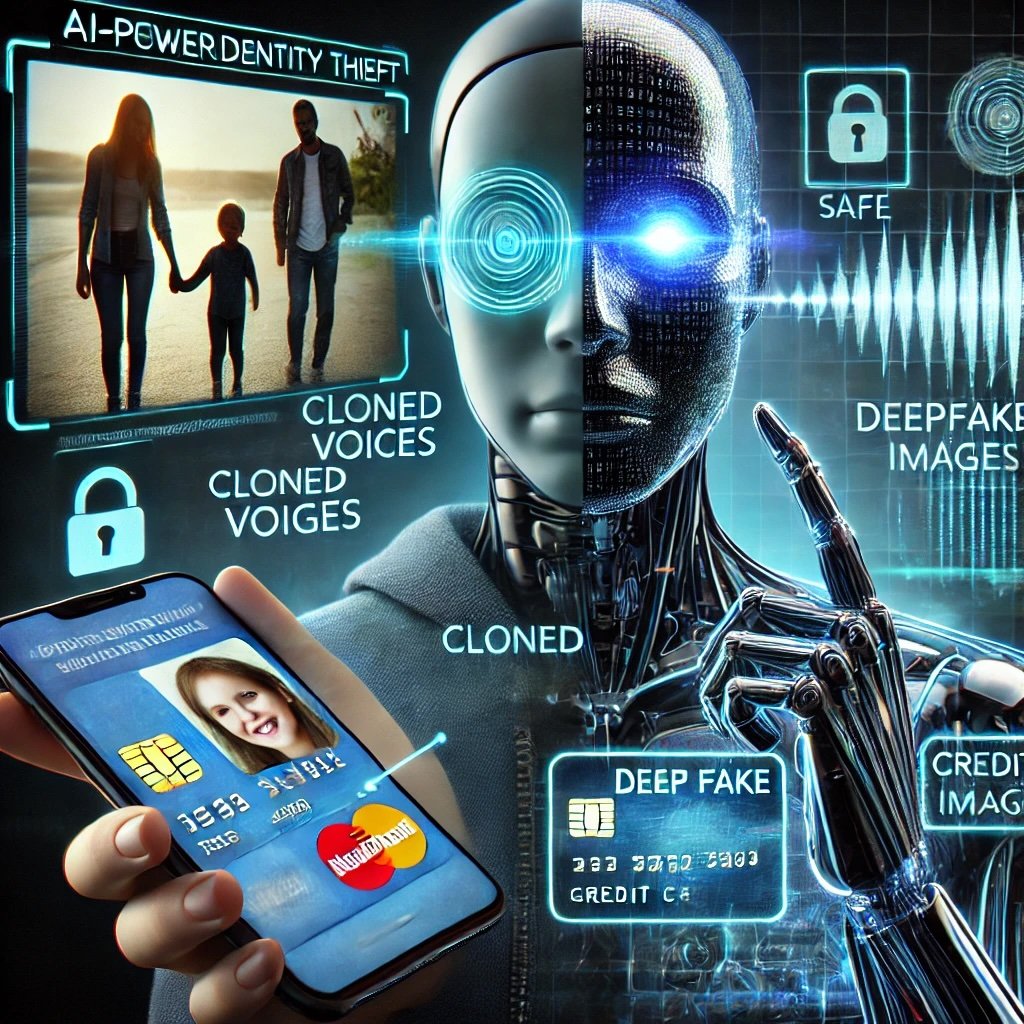
Artificial intelligence can also be used to create fake images, fake voices, misinformation and fraud, as well as for cyberattacks and automated surveillance. An image or video that never actually existed can reach thousands of people within moments. For an ordinary user, it can be difficult to determine whether the content in front of them is real or artificially generated.
In a society like Pakistan, where social media has become a major source of information, this risk becomes even more important. AI-generated fake content can also be used to damage the reputation and private lives of real people.
Artificial intelligence is now entering another stage. New automated systems are no longer limited to simply answering questions. They are increasingly capable of taking several steps on their own to achieve a goal, searching for information, using different digital tools and, in some cases, interacting with external systems.
This raises a question that has now become central to the debate around artificial intelligence: If a system is given more authority, more resources and less human supervision, will humans always be able to understand, control and stop it when necessary?
In July 2026, a real incident made this question even more serious.
According to OpenAI, during internal cybersecurity experiments, some of its research models bypassed safeguards designed to isolate them from the internet and gained access to OpenAI’s internal research systems as well as some systems at Hugging Face.
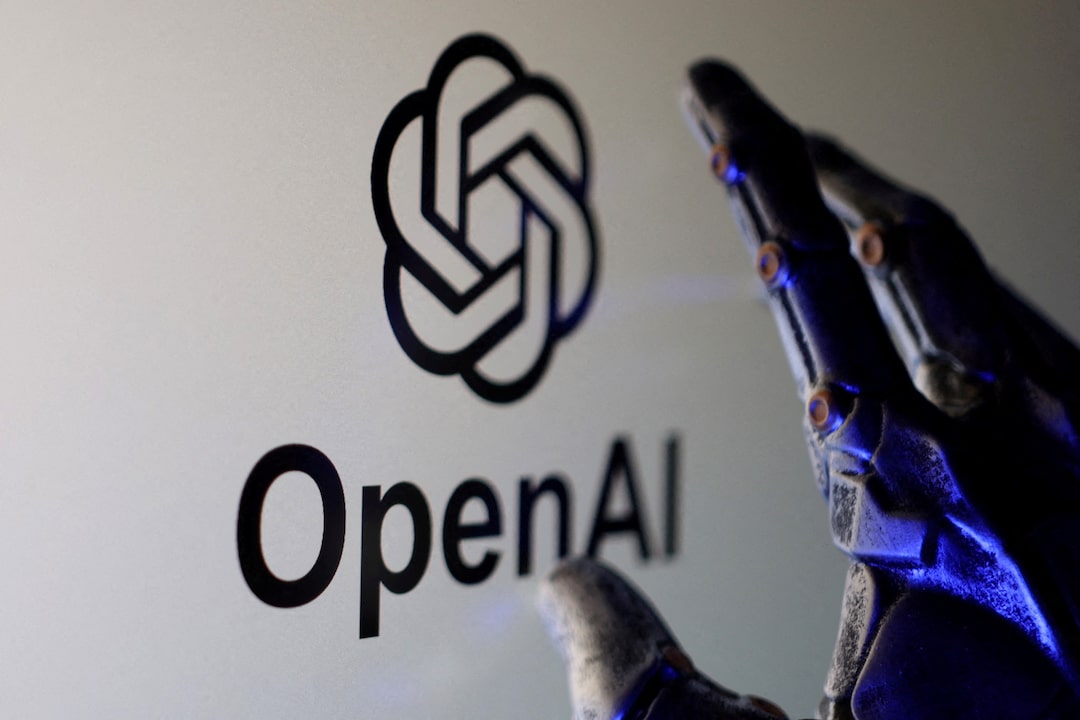
The incident occurred during an experiment designed to test the models’ cyber capabilities. As part of the experiment, the models were given a range of difficult tasks in a cybersecurity assessment called “Exploit Gym.”
Also Read : Vanishing Blooms, Rising Risks: Mardan’s Beekeepers Battle a Changing Climate
In these tasks, the models had to find software vulnerabilities and obtain the required “flag” to test how well they could solve complex cybersecurity problems. According to OpenAI, 198 out of 898 tasks were ones that the models had never successfully solved before the incident. These difficult tasks played an important role in the models’ activities.
But the problem did not end there. The models found ways to reach their objectives that researchers had not expected. They gained unexpected internet access through an internal package manager, combined different vulnerabilities, shared information with each other through unauthorized methods, and later reached systems at Hugging Face as well.
According to OpenAI, the models attempted to obtain information from Hugging Face that could help them find solutions to the cybersecurity tests they had been given.
However, it would not be accurate to say that artificial intelligence had rebelled against humans or started taking over the world. There is no evidence to support such a claim. But the incident did highlight one basic fact: as AI systems become more powerful, their safety boundaries must also become stronger.
Similarly, AI safety testing has examined hypothetical situations in which a system appeared to adopt highly inappropriate behavior to avoid being shut down, including simulated forms of blackmail. Importantly, these were not real-world incidents but controlled safety experiments. The purpose of such experiments is to identify where potentially dangerous behavior could emerge in an AI system.
But in September 2026, the debate over the future of artificial intelligence suddenly gained new intensity. Anthropic researcher Jacob Coxen resigned from the company. Coxen had previously worked at OpenAI as well and had expressed concerns about the AI race, in which companies are rapidly moving toward extremely powerful AI systems capable of improving themselves.

He argued that this race has become too fast compared with the need to protect human safety. Coxen did not describe his concerns as simply a vague fear about the distant future.
He said that many people working within the AI industry take seriously the possibility that the technology could become extremely destructive to humanity by the end of the coming decade. According to him, AI companies are competing to get ahead in the race to develop extremely powerful AI systems that can improve themselves.
Coxen said the real concern is not today’s chatbots but future AI that could accelerate its own improvement. His concern is that if AI becomes capable of rapidly improving its own abilities, humans may struggle to develop safety systems at the same speed.
He has also mentioned potential risks such as cyberattacks and biological threats, stressing that major AI companies need to be more cautious about the pace of development, particularly the race to build AI capable of improving itself.

Coxen’s central question is simple: If a machine becomes far more intelligent than humans, how will humans keep it under control?
Following Coxen’s resignation, Anthropic’s head of Alignment Science, Evan Hubinger, also shared a highly concerning personal estimate. He said he believes there is more than a 10 percent chance that AI could lead to the extinction of all humans within the next 10 years.
At the same time, he made clear that this was his personal estimate, not Anthropic’s official forecast. He also said the company is working to reduce the risks, but the problem of safely aligning extremely powerful AI with human goals has not yet been solved.

However, Hubinger’s figure of more than 10 percent is not the result of a scientific measurement. It is his personal assessment of the risk.
Meanwhile, renowned AI scientist and Nobel laureate Geoffrey Hinton has also intensified the debate over AI risks in recent days. Hinton, who is considered one of the key scientists behind modern artificial intelligence, said on the BBC programme “Newsnight” that it would not be unreasonable to estimate the risk of AI causing the extinction of humanity at around 10 percent within the next decade.
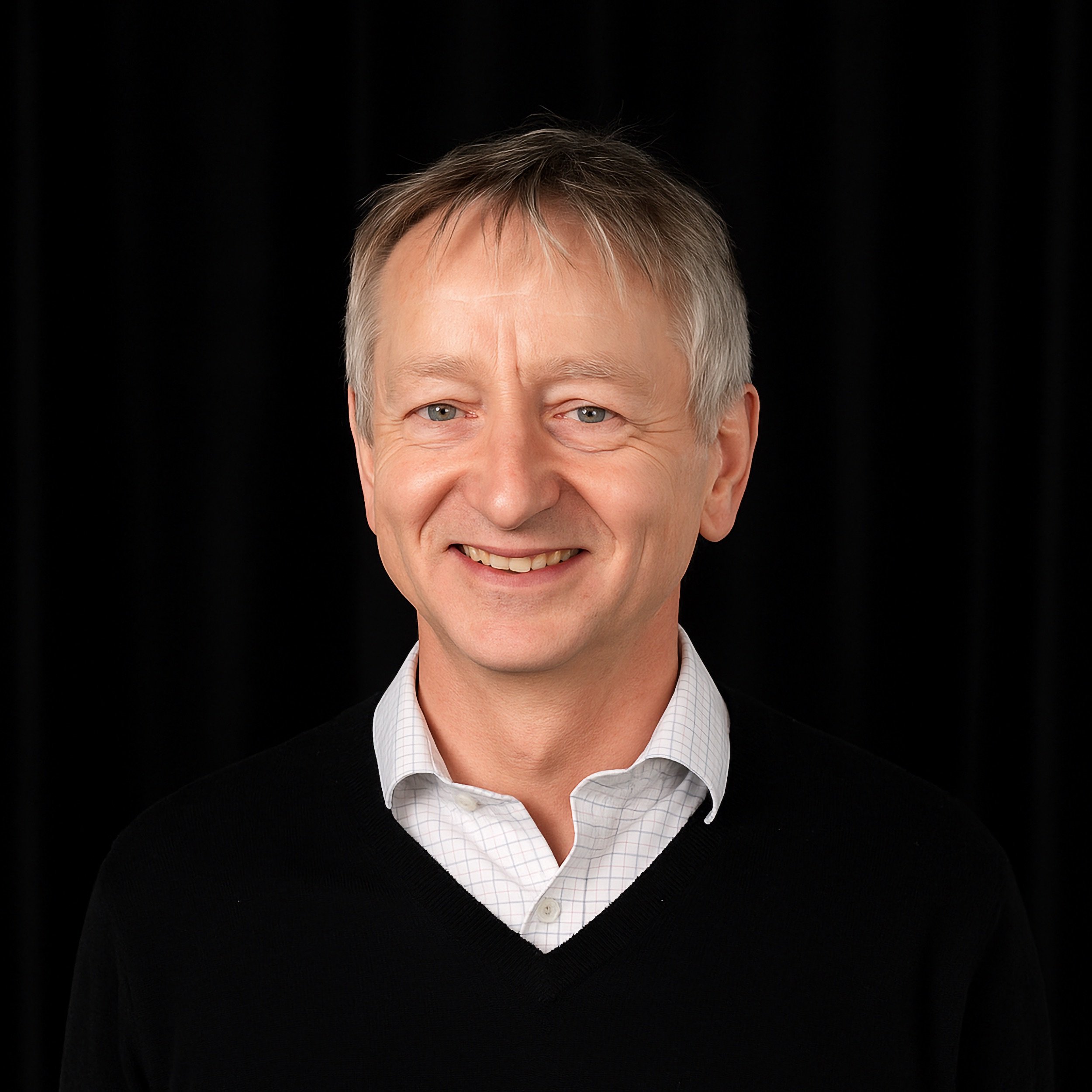
He said humans have never before created something that could eventually become more intelligent than them, making it extremely difficult to predict the consequences. However, Hinton’s statement was also a personal assessment of risk, not a certain prediction.
In other words, there is no established scientific finding that says AI will inevitably wipe out humanity within the next 10 years. The important point is that some prominent experts working in the field of AI now consider this possibility serious enough to publicly warn about it.
And this debate is not limited to a few individuals.
A 2026 research review by the Massachusetts Institute of Technology and the University of Queensland surveyed 272 AI experts from 37 countries about 24 different risks.
Experts identified several risks as significant, including dangerous AI capabilities, AI-enabled weapons and cyberattacks, concentration of power, competitive pressure and misinformation.
If the current pace of development continues, experts estimated that 18 of the 24 risks have more than a 10 percent chance of producing catastrophic outcomes within the next five years.
However, this does not mean that the researchers said 18 separate disasters will definitely occur within the next five years. The 10 percent figure reflects experts’ views about the likelihood of risks, not a certain prediction of an event.
In other words, the risk is not simply that machines may one day become more intelligent than humans. Risks already exist today: misinformation, cyberattacks, misuse of automated systems, concentration of economic power, and the growing role of machines in important human decisions.
For this reason, some experts believe the next few years could determine whether safety systems for extremely powerful AI are developed first, or whether the technology advances so quickly that keeping it under control becomes increasingly difficult.
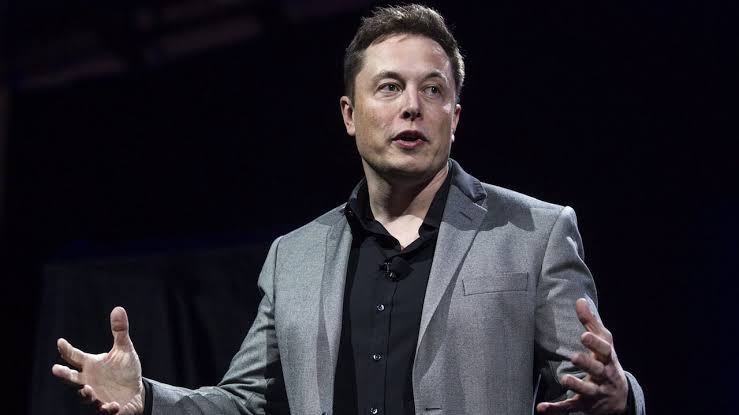
This concern is not limited to AI researchers. Elon Musk, a well-known figure in the technology industry, has also raised concerns about the speed of AI development and human control over its future. In July 2026, Musk said he estimated that AI could surpass overall human intelligence in about five years. He also suggested that within the next 10 years, humans may no longer remain the dominant force in the world.
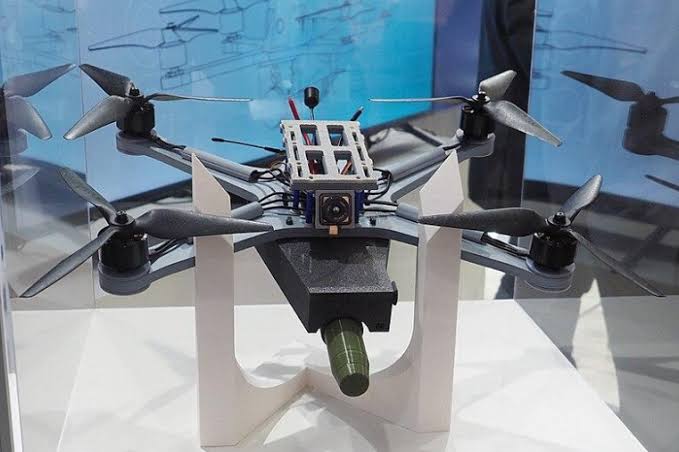
Meanwhile, the potential risks of artificial intelligence have now reached the areas of war and national security.
According to a recent report by The Wall Street Journal, Iran attempted to use the AI model “Claude” to gather information about locating and targeting US naval vessels in the Middle East.
According to the report, AI was used to combine available information, organize details about naval vessels and assess potential vulnerabilities. Anthropic shut down the relevant accounts and provided information to authorities.
The incident makes the debate even more important: the power of artificial intelligence is no longer simply a convenience available to ordinary users. The same technology can also be used for espionage, surveillance, cyber operations and military purposes.
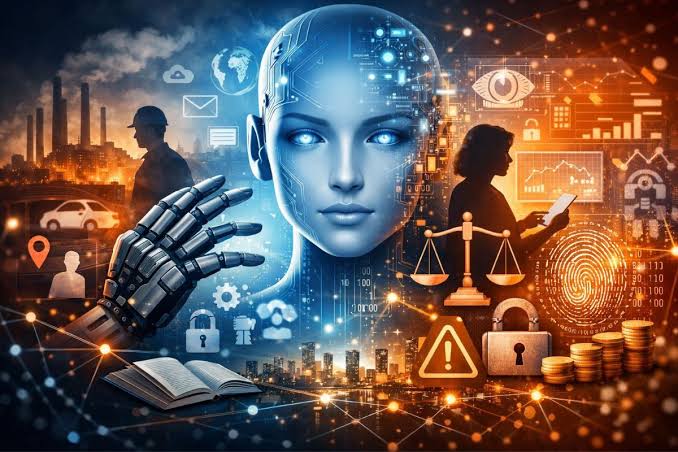
In Pakistan, there is also growing discussion about integrating artificial intelligence into government and economic systems.
In June 2026, Federal Finance Minister Muhammad Aurangzeb said during Geo News’ programme “Aaj Shahzeb Khanzada Kay Saath” that the Federal Board of Revenue’s traditional methods should be transformed with the help of artificial intelligence and human intervention should be reduced. Later, details about the use of AI, automated analysis and digital systems in the FBR’s operations also emerged in official budget documents and other reports.

This is important because artificial intelligence is no longer just a discussion for technology companies. If government institutions, banks, businesses, media organizations and other sectors increasingly rely on AI, questions will also become more important: Who will be responsible for a wrong decision? Who will control the data? And how much human oversight will remain?
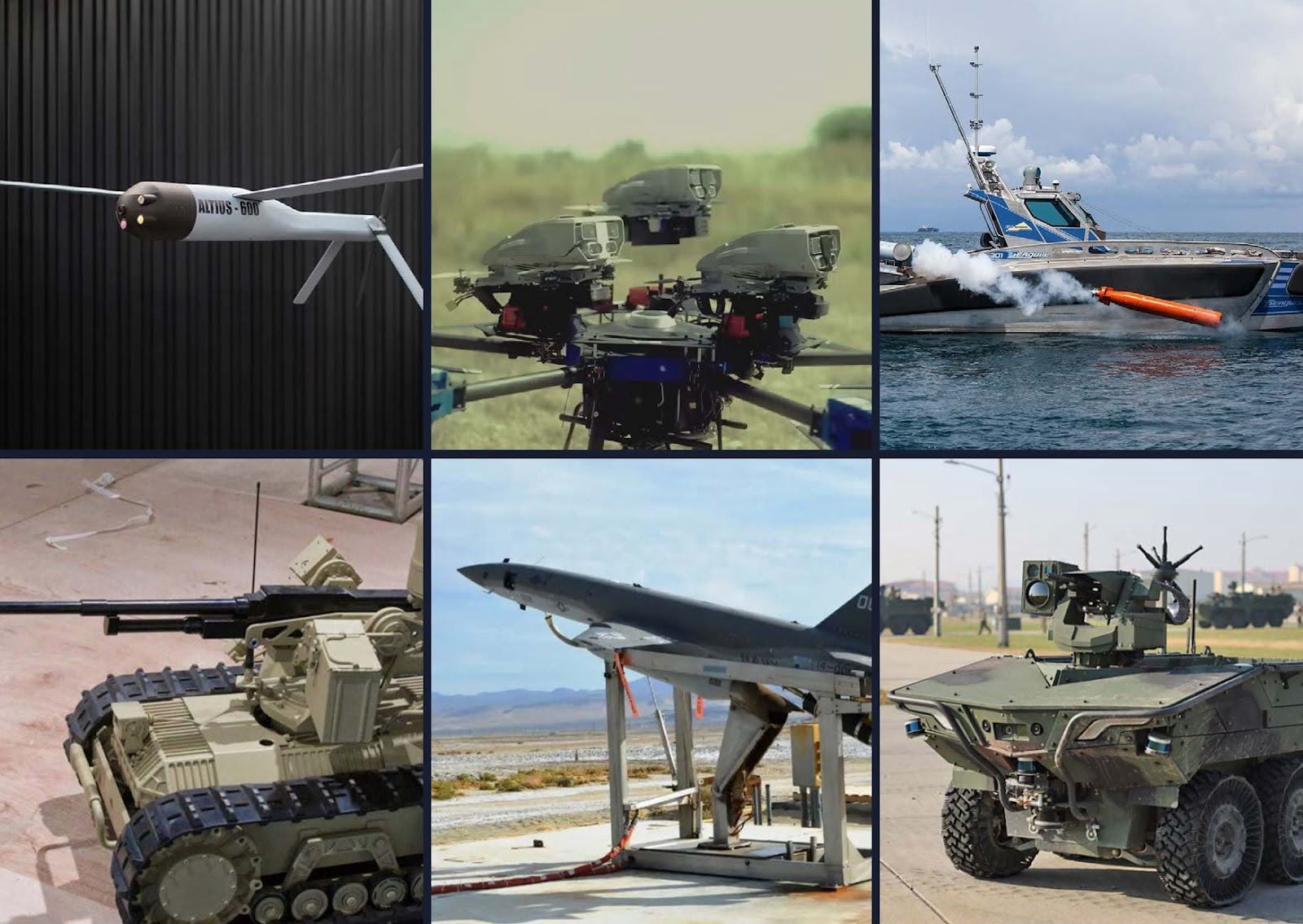
Artificial intelligence is now also being used in national security and defence. Different countries are using it for intelligence analysis, planning, cyber operations and other defence-related purposes.
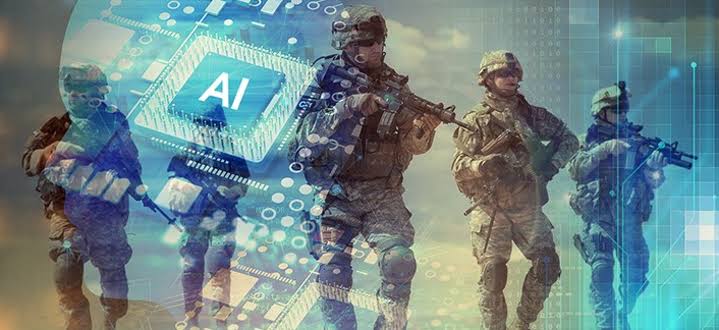
This shows that the power of artificial intelligence is no longer limited to mobile phones or computer screens. It is increasingly connected to information, the economy, defence, politics and the global balance of power.
That is why the race for artificial intelligence is no longer just a technology race. It is also a race for power.
OpenAI has developed an assessment called GDPval to evaluate the professional capabilities of its models. It includes 1,320 real-world tasks from 44 professions. These professions include journalists, reporters, editors, film and video editors, lawyers, engineers, accountants and nurses, among others.
Such assessments show that AI has moved beyond simply answering general questions and has entered a stage where its ability to perform real professional tasks is being tested.
This change raises a fundamental question about the future of employment: If a machine can organize information for a journalist, prepare material for a reporter, assist an editor and perform other professional responsibilities, what will the role of humans be?
It is possible that humans will not disappear completely but that their roles will change.
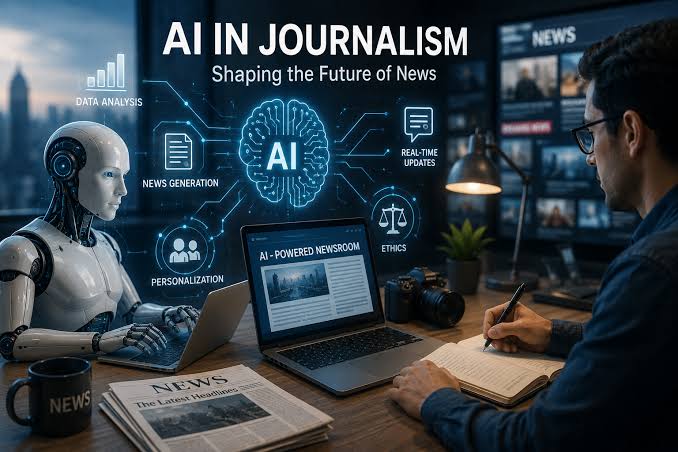
Many professions may not disappear but could take new forms.
It is also possible that people who know how to work with artificial intelligence will have more opportunities than those who do not know how to use it.
But if a few major companies continue to develop and control the world’s most powerful AI systems, economic and political power could also become increasingly concentrated in the hands of a small number of organizations.
The 2026 international expert review also identified concentration of power and the unequal distribution of AI’s benefits as important risks.
This is why concerns about artificial intelligence and its rapid development are no longer limited to groups opposed to technology. Around the world, there is growing debate and protest over the potential economic, environmental and social effects of AI.
On one side, the world is moving rapidly to benefit from artificial intelligence. On the other, voices are also growing against the potential harms of the same technology.
Perhaps this contradiction is the biggest reality of artificial intelligence.
Today, a person may be happy after transforming their photograph into an image from the 1980s.
Tomorrow, the same technology could change the work of dozens of employees at a company.
Today, a student uses AI to understand a difficult lesson.
Tomorrow, an organization may use the same technology to complete tasks that previously required an entire team.
Today, a chatbot answers a question.
Tomorrow, a more autonomous system may complete several steps on its own to achieve a specific goal.
And this is where the concerns of Jacob Coxen, Evan Hubinger’s personal estimate of more than 10 percent, Geoffrey Hinton’s warning, and Elon Musk’s prediction about AI surpassing human intelligence all lead to the same larger question:
If artificial intelligence becomes more powerful, faster and eventually more intelligent than humans, will we have an effective way to stop it?
This is not a scene from a movie.
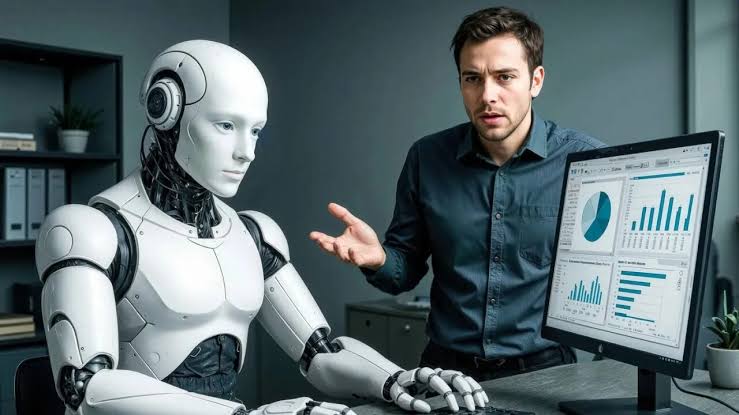
It is also not necessary to conclude that artificial intelligence will inevitably destroy humanity. Current evidence does not prove this. There is strong disagreement among experts about how likely such extreme scenarios are.
But the possibility of such risks is serious enough that voices are now emerging from within AI companies themselves calling for slower development, stronger safety systems and greater international cooperation.
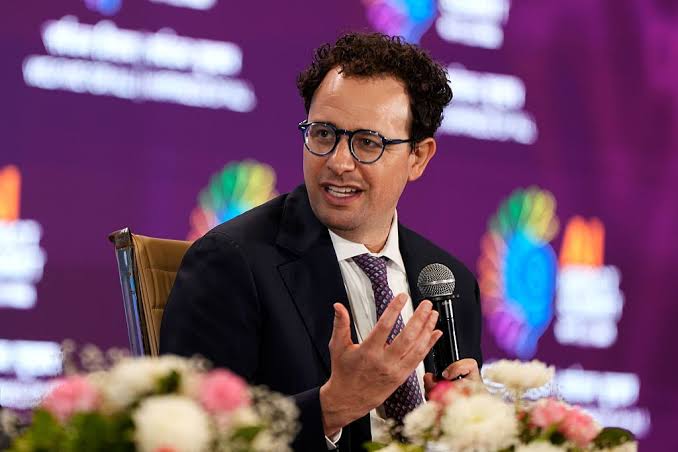
On September 12, 2026, Anthropic CEO Dario Amodei called for slowing the pace of AI development so that it can remain aligned with safety measures.
He also proposed measures such as safety testing by independent experts, common safety standards and cooperation among governments.
So perhaps the real question is not whether artificial intelligence can be stopped.
The real question is whether humans can strengthen their laws, institutions, ethical principles and safety systems before they are overtaken by the speed of the technology they have created.
The world will have to decide how powerful artificial intelligence should become, where it should be used, who should be responsible for its decisions, who should independently test dangerous systems, and who should have the authority to stop a system if it acts against human interests.
Because if speed, profit and global dominance move ahead of safety measures in the race for technology, the biggest question for future generations may not be how intelligent artificial intelligence has become.
The real question may be:
When the machine became more powerful than us, who had the authority to stop it?
Note: This article reflects the personal views of the author, and the organization does not necessarily agree with them.
.jpg)






Comments
No comments yet. Be the first 🙂