


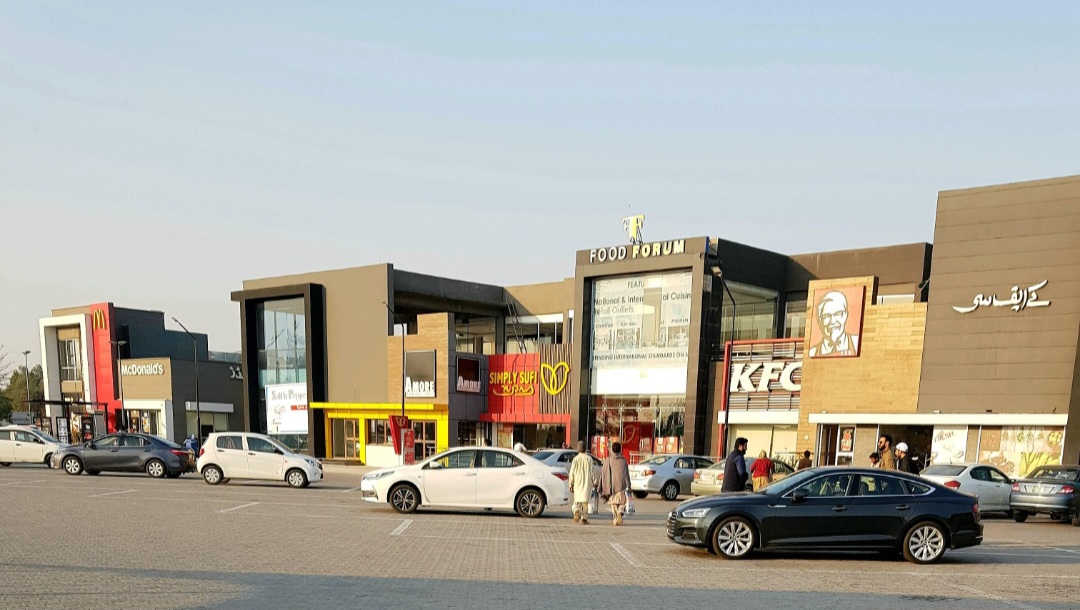
Travel is not just a means of getting from one place to another; it also brings a variety of experiences. During long journeys in particular, different needs arise along the way.
Sometimes you feel thirsty, sometimes you want a cup of tea, and sometimes children ask for something to eat because they are hungry. In such situations, facilities along the route play an important role in making travel easier and giving passengers an opportunity to rest for a while.
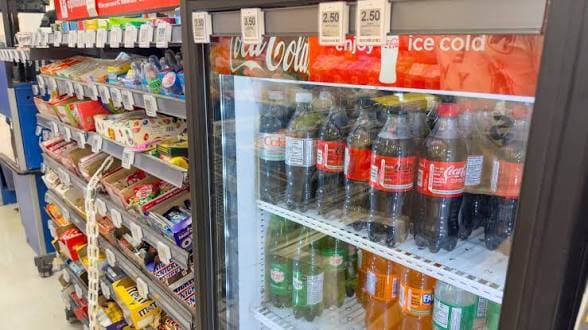
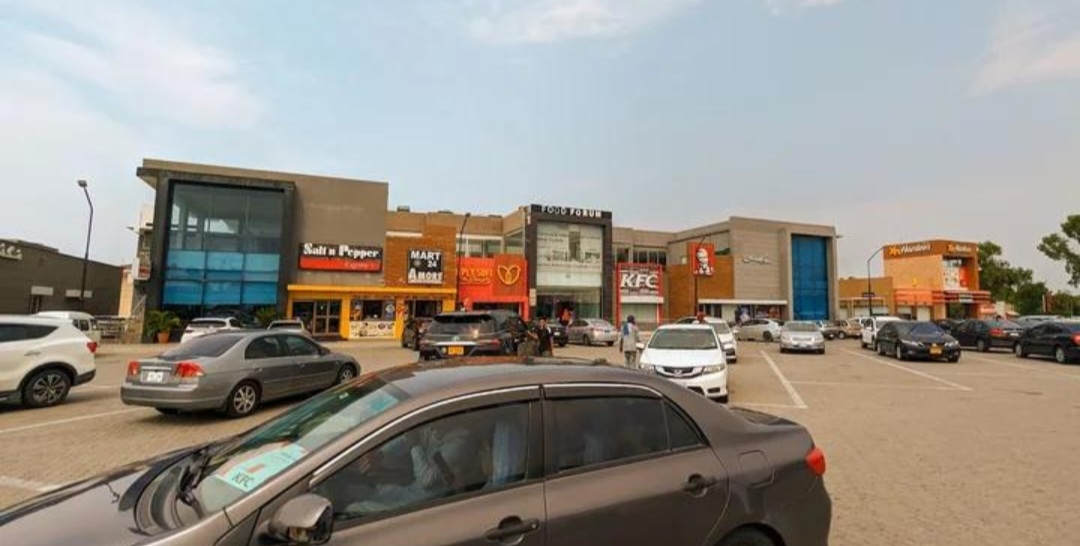
Service areas established along motorways provide passengers with facilities for food, drinks and rest. However, the higher prices of goods at these locations compared with ordinary markets are often a cause for concern. Stopping at these places can sometimes become a necessity during long journeys, leaving passengers with limited alternative options for shopping.
How much more does juice cost on motorways?
I also experienced the difference in prices while travelling on a motorway. When I stopped at a service area to buy juice because I was thirsty, I was surprised to see the price. Juice that costs Rs50 or Rs60 at ordinary shops was available for Rs100 or Rs150 at some motorway service areas, while some products cost as much as Rs200. The price difference may also vary depending on the brand and bottle size.
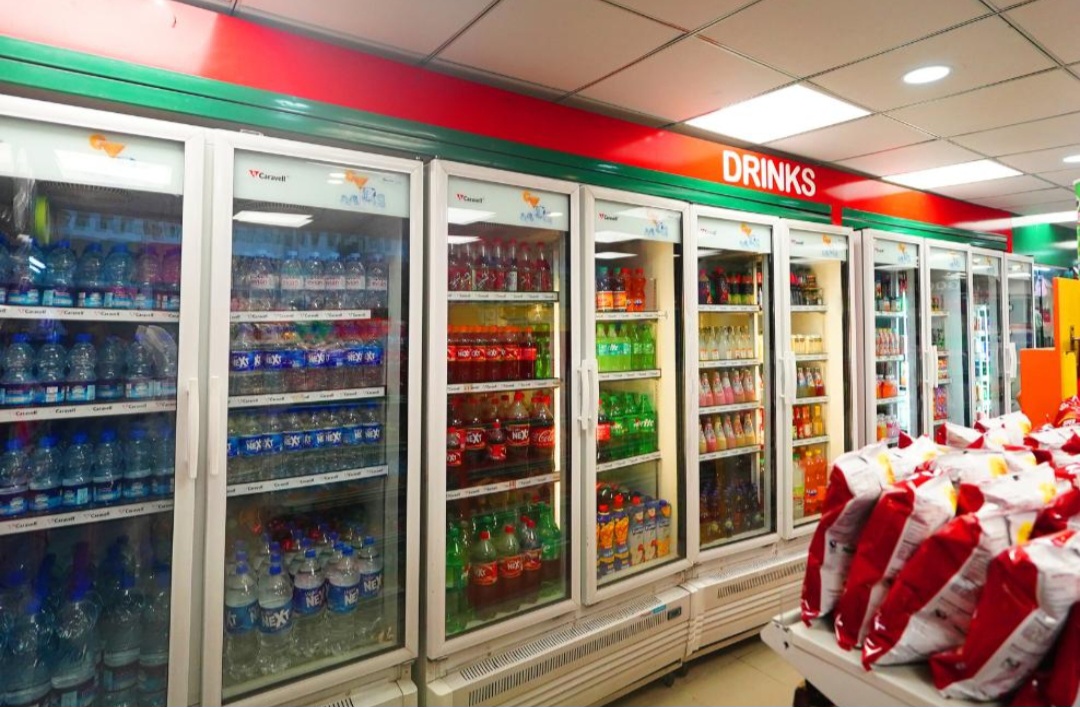
In ordinary markets, buyers can check prices at different shops and purchase items according to their preferences. On motorways, however, reaching the next service area may take time. In such circumstances, passengers often have to make purchases out of necessity, even when prices are higher.
Tea and other items are also expensive
A significant difference can also be seen in tea prices. A cup of tea costs around Rs50 to Rs100 at ordinary shops, while its price can reach Rs200, Rs250 or even Rs300 at some motorway service areas.
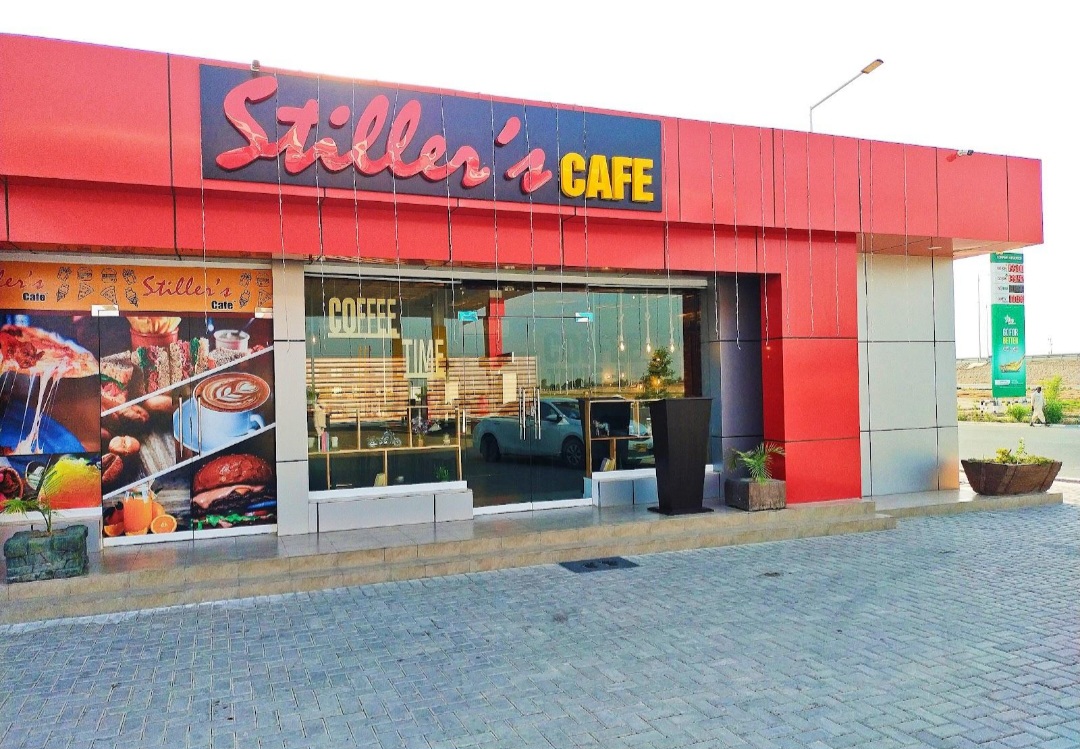
Similarly, the prices of water, chips, biscuits and other food items can also increase passengers' expenses.
When several family members are travelling in one vehicle, the overall cost of buying tea and refreshments can rise considerably. Not everyone has the same financial means, so it is important to consider the purchasing power of ordinary consumers when setting prices at these locations.

Why the additional expense after paying toll tax?
Passengers using motorways already pay toll tax at toll plazas. If they still have to spend considerably more than ordinary market prices to purchase basic necessities, it is natural to question how prices are determined.
Passengers expect that, after paying toll tax, they will have access to adequate facilities along the route and that there will be no unnecessary price differences for food and drinks.
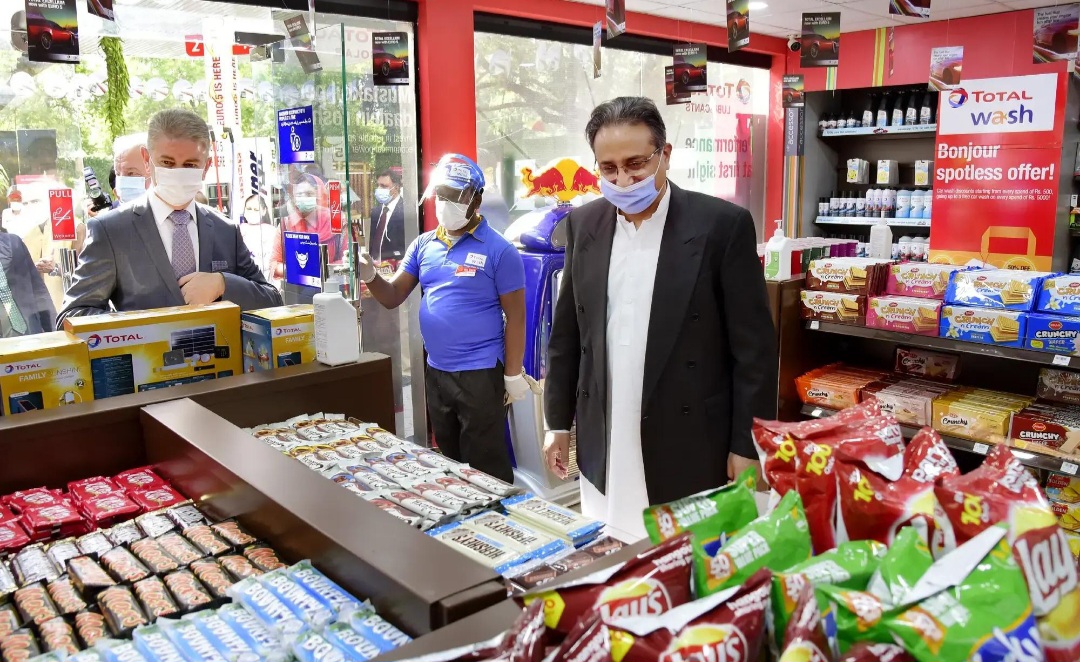
On the other hand, businesses operating in service areas also face expenses. Shop or space rentals, electricity bills, employees' salaries and the transportation of goods all contribute to operating costs. However, the extent to which prices can reasonably be increased on the basis of these expenses should be determined transparently, ensuring that businesses can continue operating without placing an unnecessary financial burden on consumers.
Price Monitoring Is Essential
The management of service areas and relevant authorities should take effective measures to monitor the prices and quality of goods. Price lists should be clearly displayed at shops so that passengers can check prices before making a purchase.

In addition, the prices of various items should be reviewed to determine whether the differences are justified by business expenses or reflect unnecessary markups.
The incident I experienced may appear to be about the price of juice, but it actually highlights a broader issue concerning the cost of food and beverages at motorway service areas.
The question is not simply why a bottle of juice is expensive, but why passengers have to pay more than ordinary market prices for basic necessities during their journeys and what measures are being taken to keep these price differences within reasonable limits.

The purpose of motorway service areas is to provide convenience to passengers during their journeys. To fulfil this purpose effectively, it is essential to maintain a balance between business interests and consumer needs so that passengers are not forced to bear unusually high expenses to meet their basic needs along the way.
Note: This article reflects the personal opinion of the author and does not necessarily represent the views of the organisation.


2.jpeg)
.jpg)

Comments
No comments yet. Be the first 🙂