


.jpeg)
A few days ago, a disturbing case emerged in Peshawar that shocked people. A young man was reportedly exhuming the bodies of children from graves. If the body was that of a boy, he would leave it, but if it was that of a girl, he would sexually assault her. Later, local residents handed him over to the police.
The police were taking the suspect to the crime scene when unidentified people opened fire on the way. According to police, the suspect was also killed in the exchange of fire.
This was not just a news story; it was a shock for every parent and family. While we talk about bringing perpetrators of sexual violence against living girls to justice, on the other hand, even girls buried in graves are not safe.
Every parent wants their children to be safe. They try to provide them with a good education, send them to good schools and protect them from every possible danger.
Yet, in Khyber Pakhtunkhwa and other parts of Pakistan, cases of sexual abuse against children continue to be reported.
Ayat Noor, Ashmal and countless other children were sexually abused and killed. Their names appeared in the news for some time. People expressed grief, demanded justice and then, as time passed, those names gradually faded from our memories.
Whenever we hear about a child being sexually abused, abducted, tortured or killed, we express grief and anger for a few days. Posts are shared on social media, people demand justice and call for the perpetrators to be punished. Then, after a few days, the incident disappears from the news.
But the question is: Does the incident end that quickly for the child?
According to a report by Sahil, a child protection organisation, 1,914 reported cases of violence against children were recorded in Pakistani newspapers during the first six months of 2026, from January to June.
These included 1,015 cases of sexual abuse, 558 abductions, 101 cases of missing children, 35 cases of child marriage and 98 cases involving the production of obscene material or related incidents following sexual abuse. There were also 49 reported cases of newborn babies being abandoned. The data was collected from newspapers across different provinces and regions of the country.
Sahil is a non-governmental organisation working for children’s rights and protection in Pakistan. It collects and publishes data on reported cases of violence and abuse against children. Its reports are used to understand the situation of child protection in Pakistan.
These are not just numbers. Behind every number is a child. A family. A fear. An incident that may affect that child for the rest of their life.
And perhaps the most important point is that these are only the cases that were reported.
Many incidents may never even reach the police, courts, or the media. This raises another question: Why are our children unsafe?
The threat does not always come from a stranger. We teach our children not to go with strangers, not to take things from strangers, and not to talk to unknown people. But we often fail to teach them what to do if someone they know makes them feel uncomfortable.
If someone touches them inappropriately, gives them a gift and asks them to keep it a secret, forces them to keep a secret that makes them uncomfortable, or behaves in any way that makes them feel unsafe, they should not remain silent.
Also Read : Groundwater Crisis Deepens in Peshawar as Water Demand Soars
Sahil's report also found that a large proportion of the alleged perpetrators in reported cases were people known to the children, while around 45 percent of the incidents were reported to have occurred in the children's own homes. This reality also forces us to think about our homes and close relationships.
To understand this issue better, I spoke with Imran Takkar, who has been working for children's rights and protection for many years.
Imran Takkar has long been involved in the field of children's rights and child protection. While discussing the reasons behind cases of sexual abuse and subsequent killings of children, he did not view the issue simply as a crime committed by an individual. Instead, he drew attention to weaknesses at both the societal and governmental levels.
According to him, a lack of awareness among parents about child protection is a major problem in our society. Parents often focus on fulfilling children's basic needs, but protecting children, communicating with them regularly, and listening to them are equally important.
He said the problem is not limited to parents. Teachers, religious seminaries, political representatives, local elders, jirga members, young people, the media, volunteers and social organisations are also part of society.
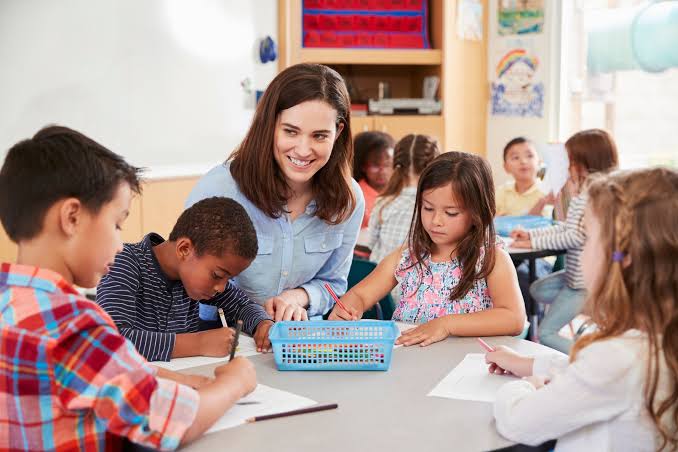
Every sector focuses on roads, bridges, healthcare, education, helping the poor and other issues in its own way. However, the attention required to prevent crimes such as sexual abuse and the killing of children is not always visible.
Imran Takkar also highlighted the responsibility of government institutions. According to him, the police, forensic services, social welfare departments, child protection institutions, relevant human rights bodies, courts, and the health and education departments are all part of the child protection system.
Simply making laws is not enough. Their implementation, coordination among institutions, adequate budgets, forensic facilities, timely investigations and effective proceedings in courts are also necessary.
He also highlighted another important issue: in some areas, cases are not reported at all, or efforts are made to resolve them through traditional jirgas and settlements. At times, affected families are also pressured to reach a settlement. But when a child is abused, silencing the child is not a solution.
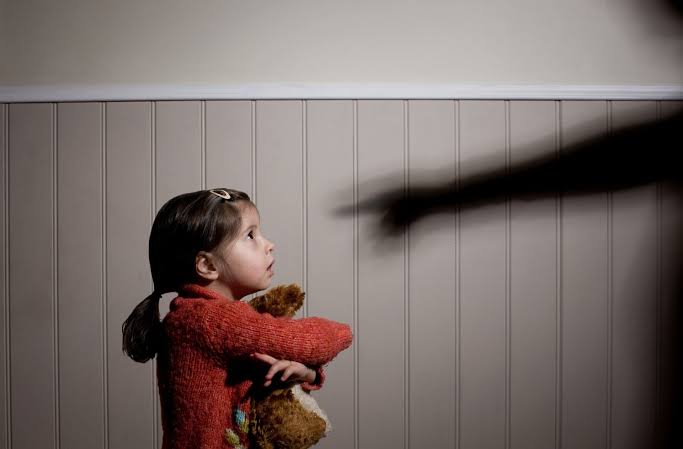
According to Imran Takkar, children depend on adults physically, mentally and emotionally. They trust the adults around them, and sometimes that very trust is used against them.
That is why it is important to teach children that while respecting adults is important, respecting the boundaries of their own bodies is equally important.
He also explained that in some cases, one reason a child may be killed after sexual abuse is to conceal the crime. The perpetrator may fear that the child will tell their family what happened and that legal action will then be taken against them. All of this shows how dangerous silence can be for children.
But what impact does such an incident have on a child's mind?
I discussed this question with psychologist Dr Bushra Sajjad.
Dr Bushra Sajjad is a psychologist involved in teaching and research and has been associated with the Department of Psychology at the Institute of Management Sciences, Peshawar. According to Dr Bushra Sajjad, every case is different. Psychological factors may be involved in some cases, while social and environmental factors may also play a role in others.
When asked how adults can sexually abuse young girls, she explained that there could be four possible reasons.
The first could be that the adult experienced a similar incident during childhood, which may contribute to them engaging in such behaviour toward children later in life.
The second could be that some adults face poverty or homelessness later in life, which may also be a contributing factor.
The third could be the misuse of power and authority. An older family member, uncle, religious cleric, teacher, or anyone else in a position of authority may misuse their power to harass or abuse children.
The fourth could be social factors, meaning that the environment surrounding a child and broader social circumstances may also play a role.
According to her, children depend on adults physically, mentally, emotionally and financially, which can sometimes make them easy targets. She also stressed the importance of boundaries in our joint-family and social environment.
In our society, people often have close relationships with relatives, neighbours and others around them. Children often trust these people, interact freely with them and sometimes even sit in their laps. The problem is that we cannot determine someone's intentions simply by looking at them. That is why it is important to teach children about their personal boundaries.
According to Dr Bushra, experiencing sexual abuse during childhood can have a profound impact on a child's mind and personality. A child may not be able to forget the incident, and its effects can continue to affect their life for a long time.
For parents, therefore, the most important thing is not just supervision but also building a relationship based on trust. A child should know that if something wrong ever happens, they can talk to their parents without fear.
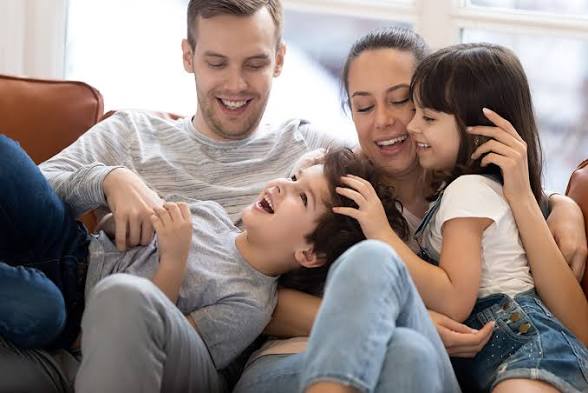
We try to give our children good schools and a better future, but are we also teaching them how to protect themselves?
We need to teach children that their body belongs to them, saying "no" is not wrong, and asking for help is not a weakness.
Child protection is not only the responsibility of parents; it is a shared responsibility of society and the state.
Because every child has the right to a safe childhood and a safe future.
Note: This article reflects the author's personal views, which do not necessarily reflect the views of the organisation.

.jpeg)
.png)
1.jpeg)
1 Comments
Now I am ready tto do my breakfast, when aving mmy breakfast coming ver again too read
further news. auroravpn
Feel freee to syrf to my blog ... <a href="https://tinyurl.com/aurora-vpn">https://auroravpn.org</a>