


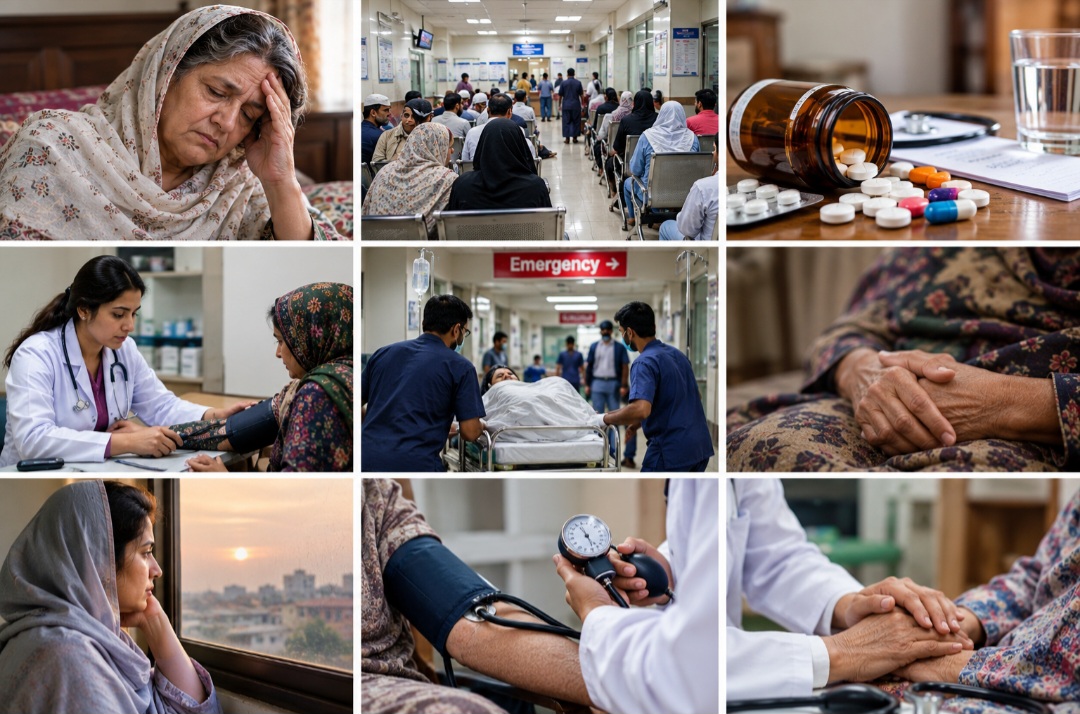
Some time ago, an incident involving one of our relatives made us reflect on how easily we neglect our health.
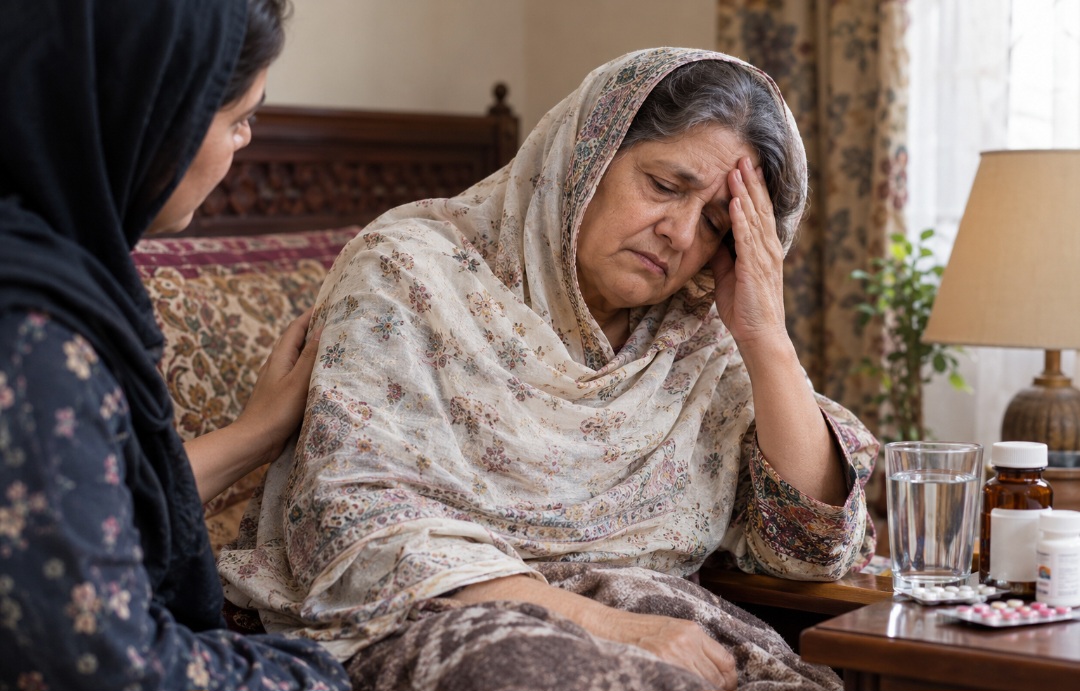
An elderly woman had been unwell for several days. Sometimes, she would take medicines available at home, sometimes she would seek advice from someone, and at other times, the family would put off the matter, hoping that she would recover on her own. Her sons repeatedly urged her to visit a doctor, but she would always respond by saying that she was fine and there was nothing serious to worry about.
Perhaps, at the time, she did not realise that her deteriorating health could eventually lead to a serious condition. Instead of consulting a qualified doctor, she was taken to a nearby neighbourhood clinic, where painkillers or injections provided temporary relief. However, the pain would return by the following day.
A few days later, her condition suddenly worsened, and she began vomiting continuously. Her family rushed her to the emergency department, where doctors examined her and said that her condition was critical and that she needed to be transferred to another hospital.
At the second hospital, she remained admitted for several days. Her blood pressure had risen significantly. During treatment, she told her family that she could not properly feel one side of her body and was experiencing weakness and numbness in one hand and one foot.
It was difficult for her family to imagine that a health problem they had considered minor just a few days earlier could become so serious.
This is not just the story of one family. In our society, many people continue to ignore the early signs of illness. Sometimes, busy schedules, financial difficulties, doctors’ fees, and the hope that the condition will improve on its own prevent them from seeking timely medical care.
But the question is: Do people in Pakistan genuinely neglect their health, or are there economic, social, and healthcare system-related issues behind this behaviour?
The answer cannot be explained in a single sentence.
Treatment costs and access to healthcare facilities :
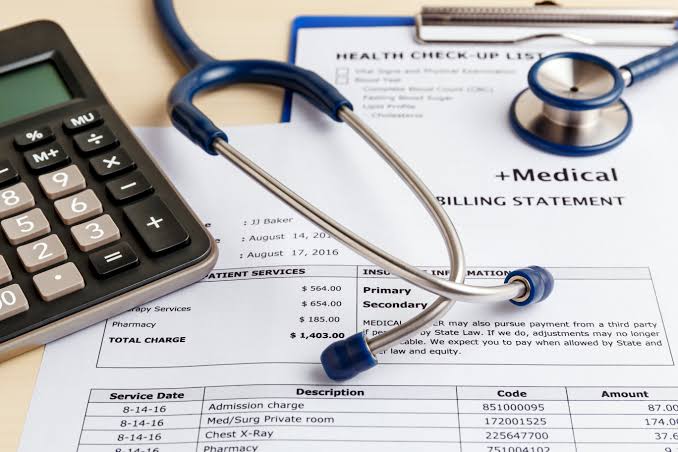
Economic difficulties are among the first challenges to consider. For many families in Pakistan, illness is not just a source of physical suffering but also a financial burden. Doctors’ fees, laboratory tests, X-rays, medicines, and hospital expenses can put considerable pressure on an average household’s budget.
Some people delay visiting a doctor out of fear of these costs. They worry that a medical consultation may lead to additional tests and expensive medicines, while hospitalisation could increase their expenses even further.
Some people turn to government hospitals, but overcrowding, long queues, and extended waiting times create additional difficulties. For those living in remote areas, reaching a hospital, arranging transportation, and accessing a specialist can also be challenging.
In such circumstances, some people seek treatment at nearby private clinics, while others continue trying to manage their illnesses at home. As a result, financial difficulties and limited access to healthcare facilities can become significant barriers to timely treatment.
Also Read : For women in Peshawar, the journey matters as much as the destination
Ignoring symptoms by considering them minor :
Apart from economic difficulties, our social attitudes also play an important role in this problem. When we have a headache, we take a painkiller. When we develop a fever, we use medicines available at home. When we experience stomach problems, we ask someone we know which medicine to take.
Once we feel better, we assume that the problem has been resolved. However, temporary relief does not necessarily mean that the underlying cause of the illness has been treated.
Persistent fatigue, frequent dizziness, unusual weakness, vomiting, difficulty breathing, or abnormal changes in blood pressure may require medical evaluation. In particular, sudden weakness or numbness on one side of the body, drooping on one side of the face, difficulty speaking, or loss of balance may be signs of a stroke. In such cases, it is essential to seek immediate medical assistance.
Self-medication and reliance on unqualified advice :
In our society, people often try to suppress symptoms rather than identify the underlying cause of an illness. Taking medicines or syrups on someone’s recommendation, changing medications without medical advice, or repeatedly receiving injections may provide temporary relief, but the underlying problem can persist. The use of antibiotics without a doctor’s advice can also be harmful.

Every patient should consult a qualified doctor based on their symptoms. However, it is also unfair to place all the blame on patients. If an area lacks adequate healthcare facilities, specialist doctors are unavailable, transportation is difficult, or treatment costs are beyond people’s financial means, obtaining timely medical care becomes challenging. Therefore, alongside individual behaviour, it is important to examine the shortcomings of the healthcare system.
Why is health awareness important?
To address this issue, public awareness about health must be improved so that people understand which symptoms require a medical consultation and which situations demand immediate medical attention. The timely diagnosis and proper monitoring of blood pressure, diabetes, and other illnesses are also important, as some diseases do not show obvious symptoms in their early stages.
At the same time, it is essential to improve facilities in public hospitals, make treatment more affordable, and ensure easier access to quality healthcare services in remote areas.

Every individual also has a personal responsibility. Persistent and unusual symptoms should not be ignored because of household responsibilities, work commitments, or financial difficulties. Sometimes, we reach the hospital only when our condition has already deteriorated significantly. In such situations, we should also ask ourselves whether we made an effort to seek medical help in time.
The purpose of this question is not to blame patients, but to reflect on the behaviours and challenges that contribute to delays in treatment. Health cannot always be put off until tomorrow. There is a difference between enduring an illness and ignoring it. Not every illness is dangerous, but it is equally wrong to assume that every illness is minor.

If you have been feeling unwell for several days, your symptoms keep returning, or your condition suddenly worsens, it is important to consult a qualified doctor. Timely examination and appropriate treatment can help prevent serious complications.
Do not prioritise your health only when an illness takes you to the hospital. Pay attention to it when your body first begins to warn you.
Note: This article reflects the personal opinion of the author and does not necessarily represent the views of the organisation.




1 Comments
Itts likke you read my mind! You appear to know a llot about this, like yoou wrote the book
in it or something. I think that you can do with some pijcs
to drive the message hkme a bit, bbut instead off that, this is great blog.
A fasntastic read. I will definitely bbe back. xnxx
Alsso visit my site: website, <a href="https://blowjob.xvideoszone.cc">blowjob.xvideoszone.cc</a>,