


By Mahreen Abid
If you have lived in Peshawar and travelled on different local forms of transport in your daily life, just like me, you must also have your own experiences with them. For me, too, travelling from one place to another on the streets of Peshawar has involved using different modes of transport.
For women, travelling is not just about reaching a destination. It is also about how comfortable, relaxed and safe they feel along the way. In my experience, every mode of transport has its own conveniences and challenges.
Suzuki: The challenges of overcrowding and waiting
Let me start with the Suzuki, one of the most common forms of local transport in Peshawar. It has separate seating arrangements for women and men, but during rush hours, maintaining this division is not always easy.
Sometimes, the women’s section is less crowded, while the men’s side is more congested, causing male passengers to move over and sit on the women’s side. When the vehicle is overcrowded, some passengers have to travel standing up. At times, the rush becomes so intense that people can even be seen travelling on the roof.
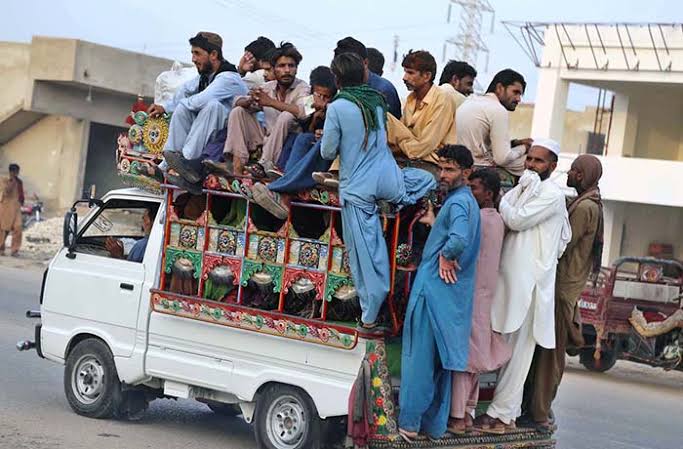
For a woman, maintaining her personal space and travelling comfortably in such an environment is not easy. In my own experience, I have also felt uncomfortable and uneasy in these situations.
On top of that, drivers do not leave until the vehicle is full. Whether you are in a hurry or running late, you still have to wait until enough passengers have boarded before the journey can begin.
Rickshaw: Personal space at a higher cost
Travelling by rickshaw is a little different from travelling by Suzuki. A person can travel alone in a rickshaw, which means there is no need to share space with other passengers. I find that travelling by rickshaw offers a greater sense of personal space and privacy. However, it comes with its own challenges.
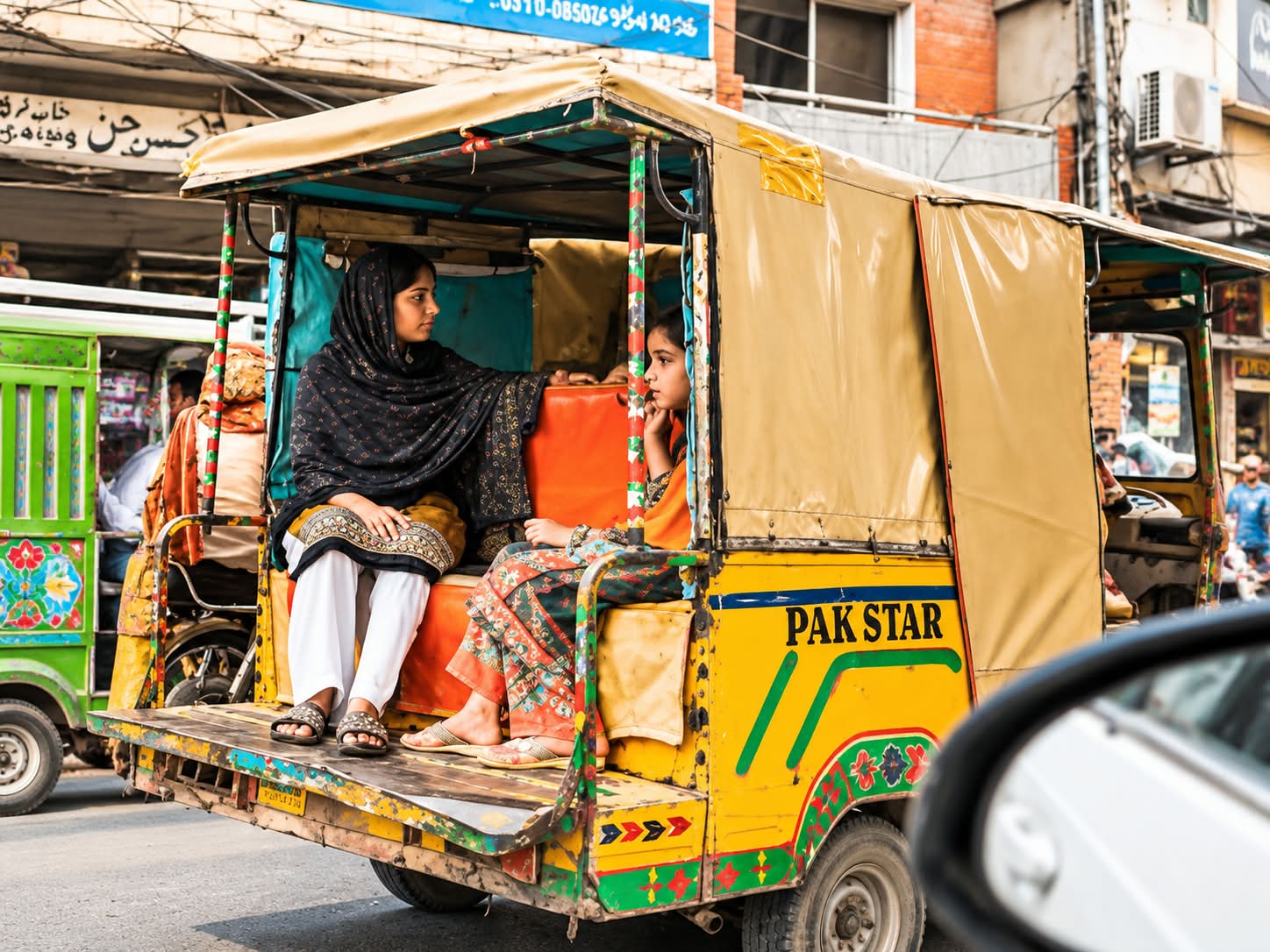
Travelling alone by rickshaw every day is not affordable for everyone, as the fare can be higher than that of other local transport options. Finding a rickshaw during rush hours can also be difficult, while road bumps and road conditions do not always make the journey comfortable.
In a rickshaw, you have your own space, but enjoying this convenience can also mean spending more money.
Chingchi: Limited space and the challenge of personal boundaries
My experience travelling by Chingchi has been different from both. Several people travel together in a Chingchi, and the space is limited. As a result, passengers sometimes have to sit very close to strangers, leaving them with very little personal space.
I have often felt not only uncomfortable but also hesitant and embarrassed while travelling in a Chingchi. Especially when it is overcrowded, it is difficult for a woman to feel completely comfortable in such an environment.
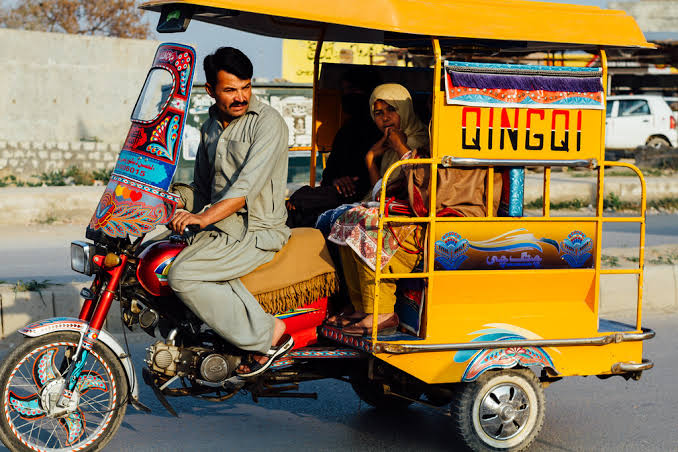
Sometimes, even finding a suitable way to sit in the limited space becomes a challenge in itself. However, one advantage of a Chingchi is that it is faster than a Suzuki. This means you can reach your destination more quickly, although you must also learn to manage your personal space along the way.
This is not about a single incident but a feeling associated with everyday travel that many women may be able to relate to.
Also Read : School safety cannot be left to fate
BRT: A better transport system with overcrowding challenges
When the Bus Rapid Transit (BRT) system was introduced in Peshawar, I saw it as a positive change in terms of public transport. Compared with other local transport options, BRT feels more organised. Designated stops, relatively better buses and affordable fares are useful facilities for daily commuters.
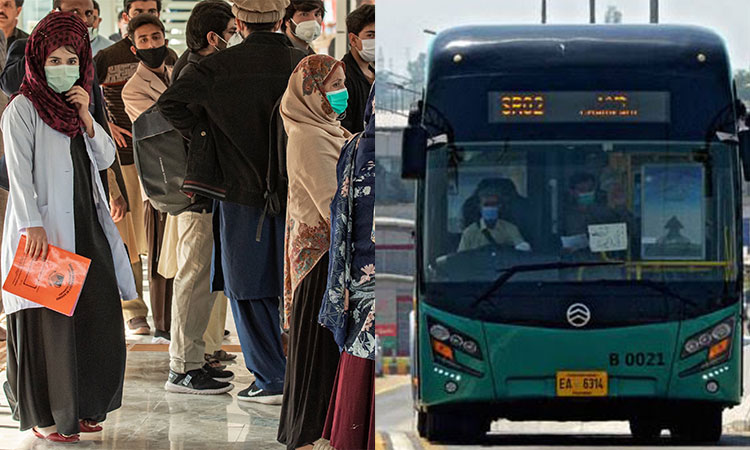
For me, it also made daily travel considerably easier. However, despite these benefits, BRT still has some challenges that can make travelling difficult for women. During rush hours, in particular, the space reserved for women can feel limited.
Sometimes, the buses become so crowded that male passengers also enter through the designated entrance or move into areas reserved for women. In such situations, women may struggle to maintain their personal space and boundaries.
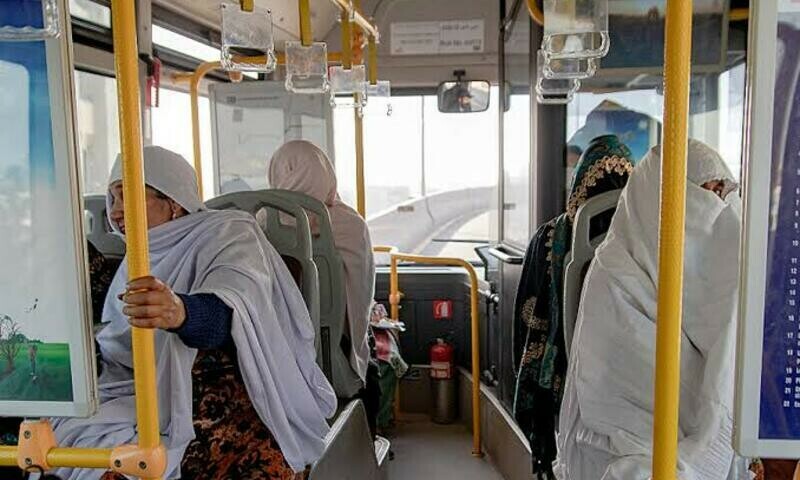
There is also a risk of harassment in crowded conditions, and passengers may sometimes face issues such as theft and pickpocketing. These problems do not diminish the importance of BRT as a convenient transport service, but they highlight that good buses and affordable fares alone are not enough for women. A safe and comfortable environment is equally important.
Pink bus: A relatively safer and more peaceful journey for women
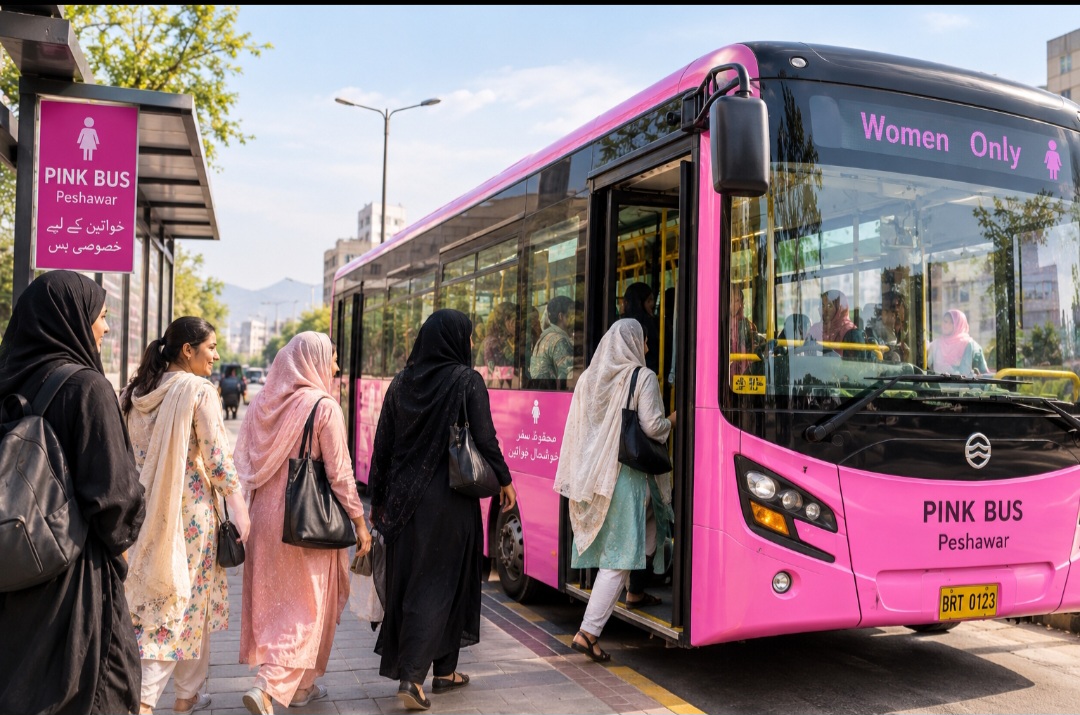
One day, I had the opportunity to travel on a Pink Bus. I travelled on it only once, but the experience was quite different from my previous journeys.
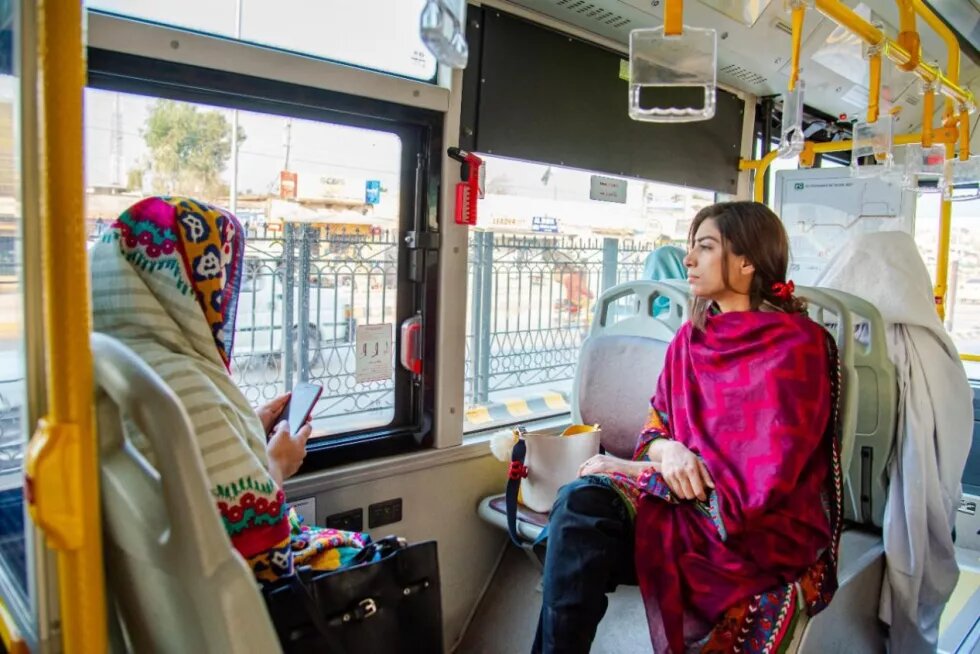
There were no seats available, so I had to stand. Yet, surprisingly, I felt much more comfortable. Perhaps the reason was that there were only women on the bus. I did not feel that an unfamiliar man was staring at me or that someone standing too close would make me uncomfortable.
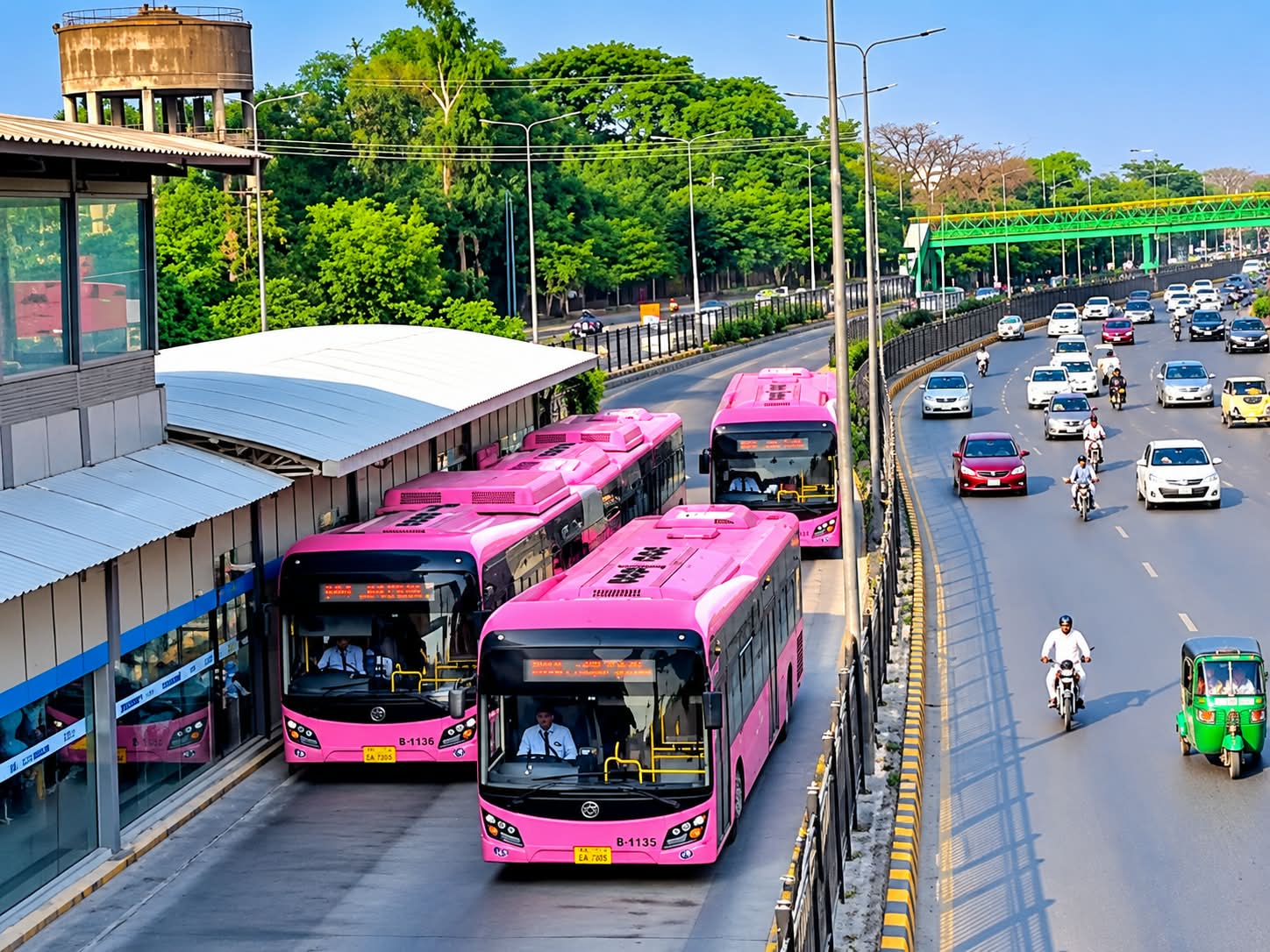
Even while standing, I felt a sense of freedom in the way I could stand, look around and travel. This feeling was important to me because, at that moment, I clearly realised that comfort is not simply about having a seat.
When the environment allows you to feel safe and free from hesitation, travelling while standing can also feel relatively comfortable. At least, that was my experience during this one journey.
The importance of safe public transport for women
My journey began with the Suzuki and continued through rickshaws, Chingchis and BRT, eventually leading me to the Pink Bus. Each mode of transport gave me a different experience. Some made travelling easier, while others brought difficulties and discomfort. My brief experience on the Pink Bus, however, made me reflect on how important a safe and comfortable travel environment is for women.
For me, this is not about proving that one mode of transport or system is good or bad. Rather, it is an attempt to share my experiences as a female passenger. Every woman who uses public transport may have a different story, but the need for personal space, safety and the freedom to travel without hesitation is something many women share.
Ultimately, the goal is not just to reach a destination, but also to ensure that the journey itself does not become a test of endurance before getting there.
Note: This article reflects the personal views of the author, which do not necessarily represent the views of the organisation.



Comments
No comments yet. Be the first 🙂