


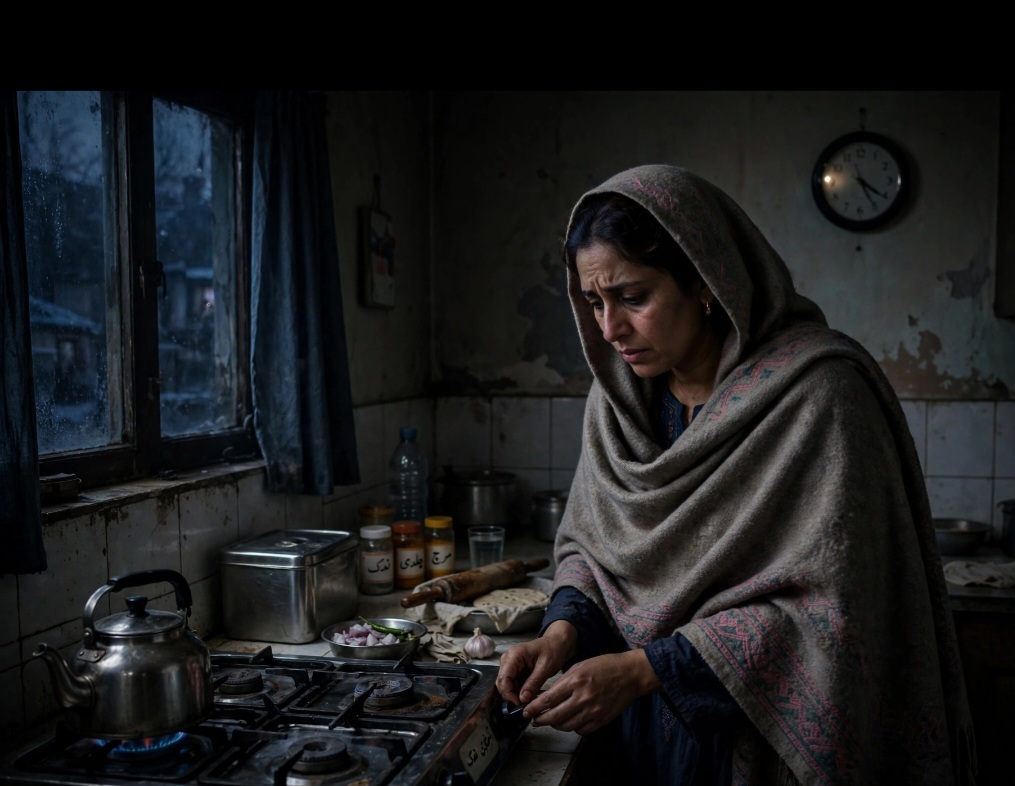
As winter sets in, households across several parts of Pakistan face reduced gas supply and low pressure, making it difficult to prepare breakfast, get children ready for school and manage daily chores. Many families wait until late at night or wake up early to check whether gas is available.
My mother also wakes up at night or around 3am, 4am or 5am during winter to check the gas supply. When it becomes available, she quickly prepares food and completes essential household tasks to avoid difficulties later in the day. This routine continues for days, affecting her sleep as she is responsible for preparing breakfast for the family.
The impact of gas shortages goes beyond cooking. Women have to spend extra time managing household chores, children’s breakfasts are delayed, and the routines of people going to school or work are disrupted. Much of this additional burden falls on women, who already manage several daily responsibilities.
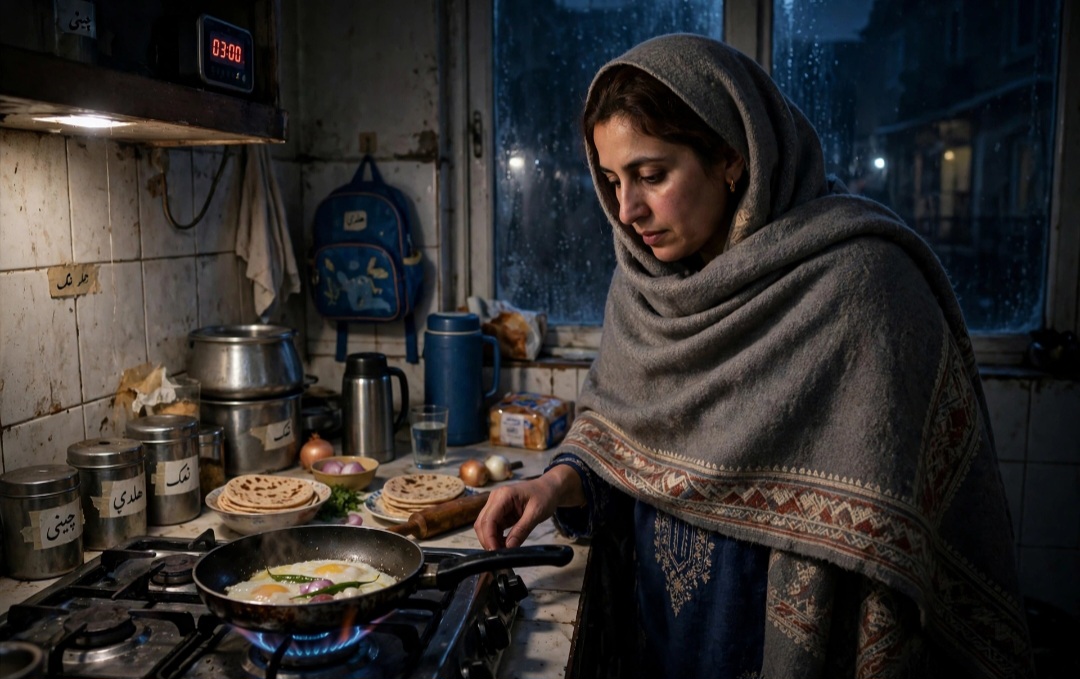
Demand for gas rises during winter as households use heaters, water heaters and stoves more frequently. At the same time, declining domestic natural gas production and limited availability remain major challenges for Pakistan. The gap between demand and supply can lead to low pressure and prolonged outages in some areas.
Persistent shortages also lead some people to seek unsafe ways of storing gas. Reports of households collecting gas in large plastic balloons and bags highlight the risks people may take to meet their daily needs. Such practices are extremely dangerous, as gas leaks can cause fires or explosions, putting residents and neighbouring households at risk. Improvised storage is not a safe alternative.
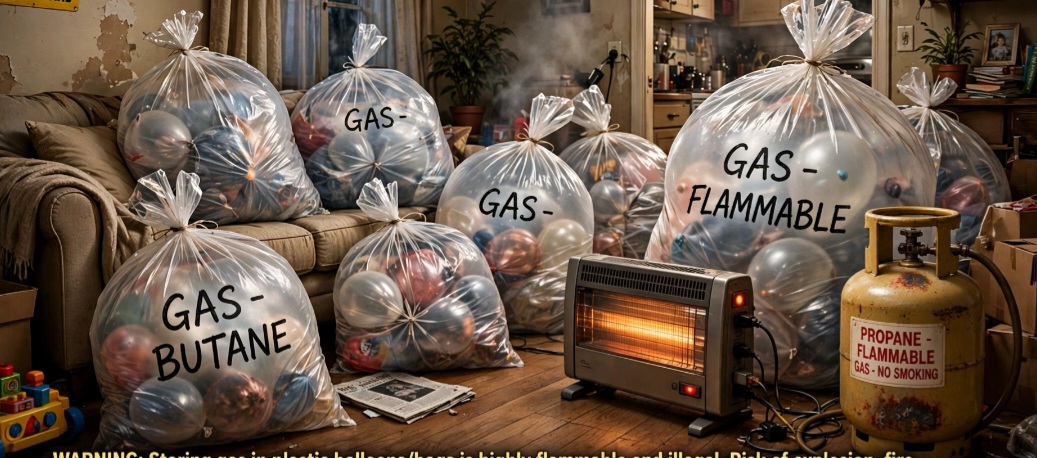
Families should not have to put their safety at risk just to keep their stoves running for a few hours. While gas shortages create serious difficulties, unsafe storage practices can make the situation even more dangerous. Public awareness and access to safe alternatives are essential.
Sui Northern Gas Pipelines Limited (SNGPL) and Sui Southern Gas Company (SSGC) should focus on pipeline maintenance, preventing gas leaks and wastage, and identifying areas facing low pressure. Reliable gas supply during key cooking hours and clear schedules for outages could also help households plan their routines.
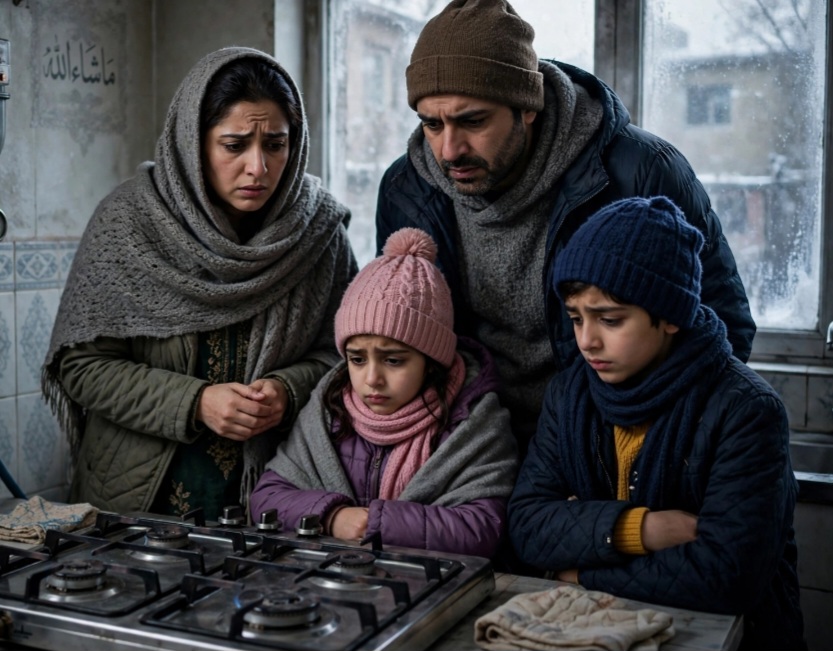
The government should assess demand and supply before winter, improve domestic gas production, plan imported gas arrangements and develop a long-term energy strategy. Affordable and safe alternative fuels should also be made available to low-income households.
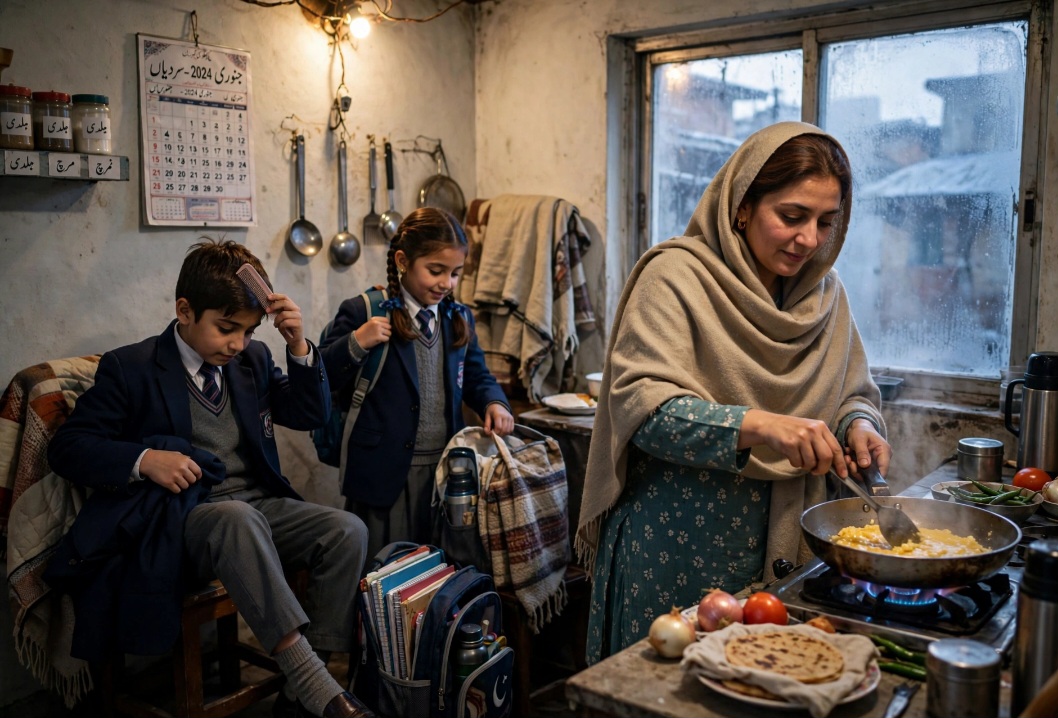
Gas shortages are not merely an energy issue; they disrupt household routines and add to women’s unpaid work. Like my mother, many women wait until late at night or wake up before dawn to prepare meals for their families. A lasting solution is needed so that mothers do not have to sacrifice their sleep to prepare breakfast, and families are not driven towards dangerous ways of storing gas.





Comments
No comments yet. Be the first 🙂