


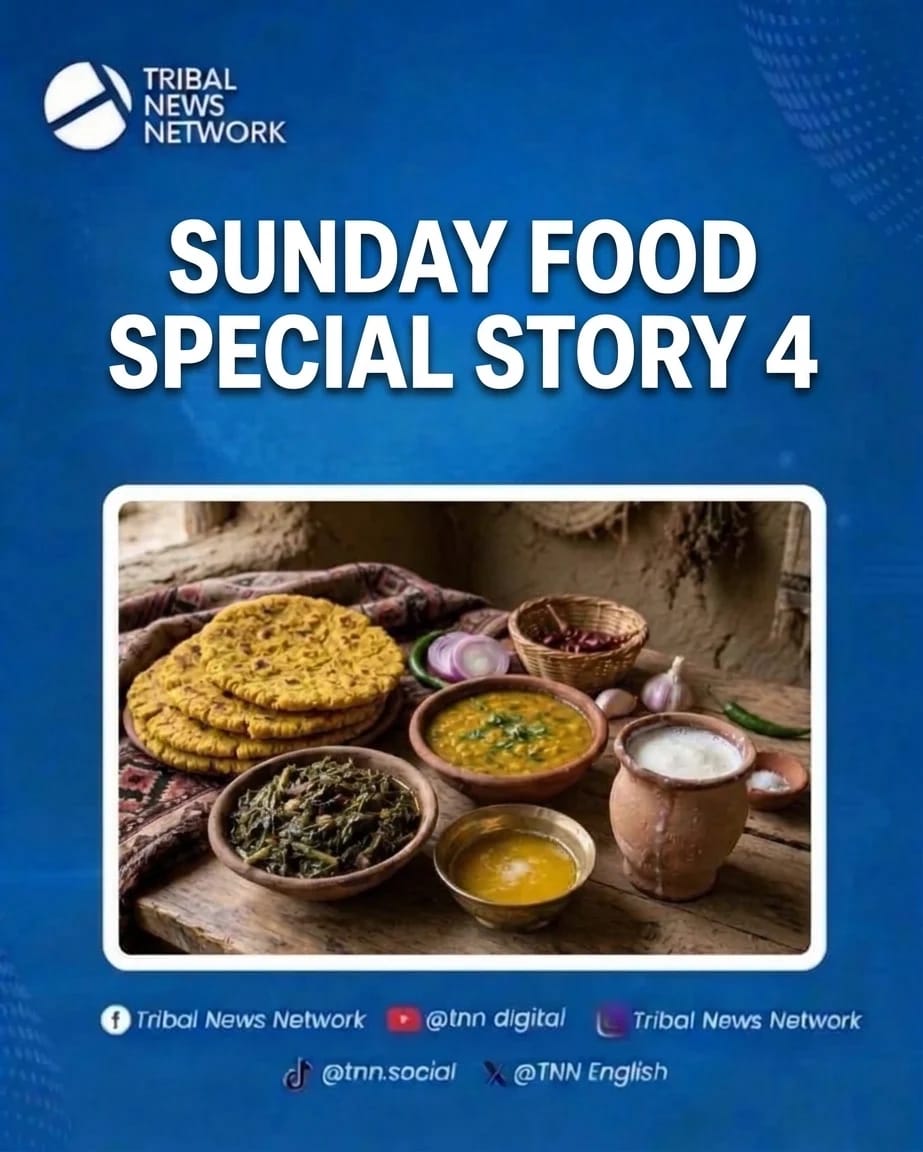
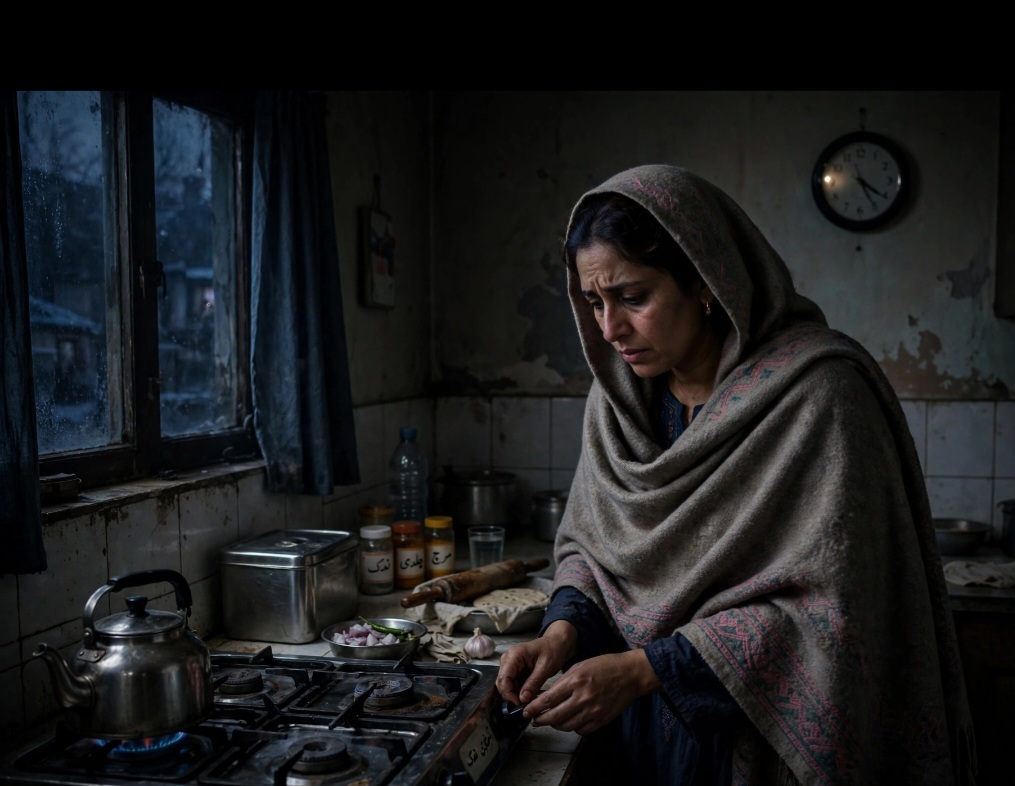
Khyber Pakhtunkhwa's traditional cuisine has long reflected the province's culture, history and hospitality. In the past, household meals commonly included corn and wheat bread, leafy greens, lentils, milk, yoghurt, buttermilk and foods prepared with traditional clarified butter. Families largely relied on locally grown crops, orchards and livestock, while seasonal availability shaped their everyday diets.
In rural communities, corn bread served with vegetables, lentils and buttermilk was once a regular meal. Vegetables were dried and stored for winter, while some mountainous communities preserved meat by drying it, a traditional practice known as Landi. Preparing butter, clarified butter and other dairy products at home was also part of everyday life.
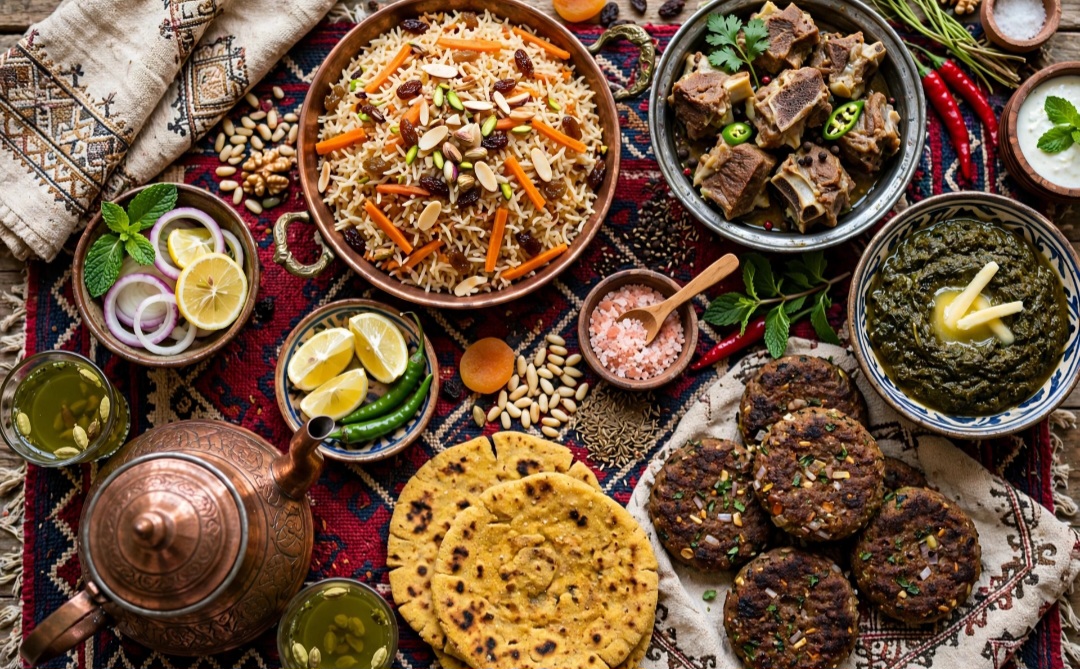
Different parts of the province developed their own distinctive dishes based on local ingredients and cultural traditions. Peshawar's chapli kebab, Namak Mandi's traditional salted meat, lamb karahi, tikka, Kabuli pulao, chapli-style meat dishes and dum pukht are among the region's well-known foods. Penda is popular in southern districts, while Charsadda and other areas also have their own traditional specialities.
The province's cuisine has also evolved through cultural exchange and historical contact with neighbouring regions. The Khyber Pass served as an important route for trade and travel, bringing different communities and culinary influences into contact. Rice-based dishes, meat preparations and the use of dried fruits became part of the region's diverse food traditions. Kabuli pulao, prepared with rice, meat, carrots and raisins, is one example of this culinary influence.
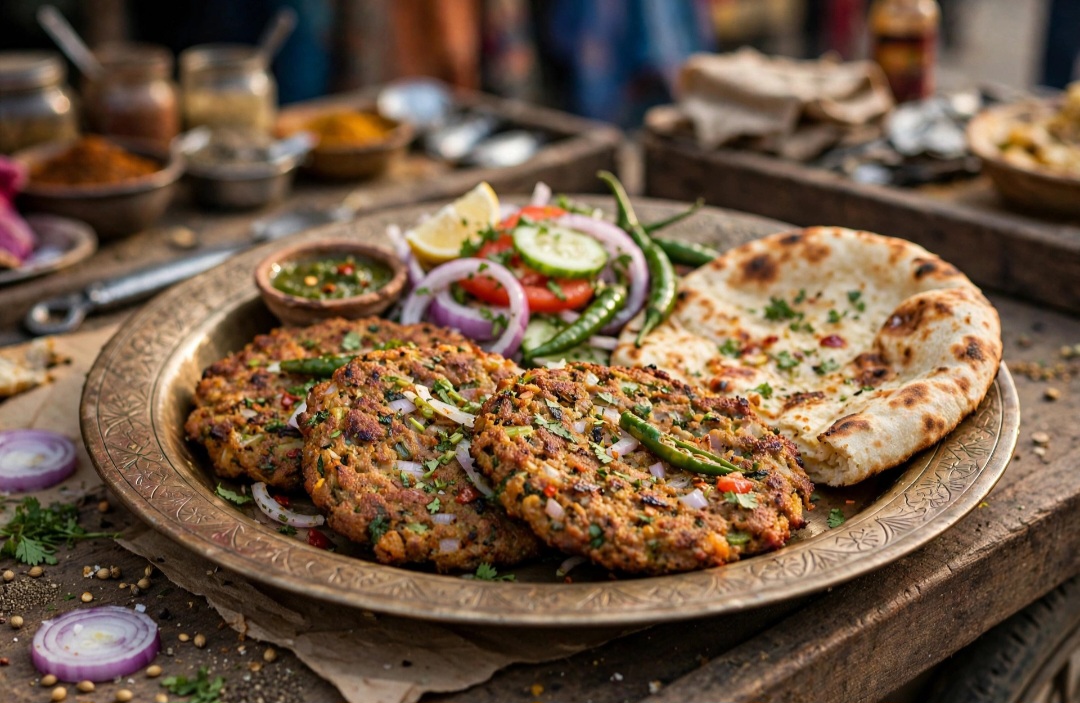
Traditional cooking was largely based on simple ingredients and locally available produce. Meat was often prepared with salt and black pepper, while cooking over wood fires, charcoal and traditional ovens was common. Homemade bread, fresh yoghurt and green tea were important parts of meals. Serving special dishes to guests also remained an important expression of hospitality in Pashtun society.
However, changing lifestyles, urbanisation, expanding markets, media and global food trends have gradually influenced eating habits across the province. Pizza, burgers, shawarma, sandwiches, fries and other fast-food items have gained popularity alongside traditional dishes. Modern restaurants and fast-food outlets have become increasingly visible in urban centres such as Peshawar, Mardan and Swat, giving families more dining choices.
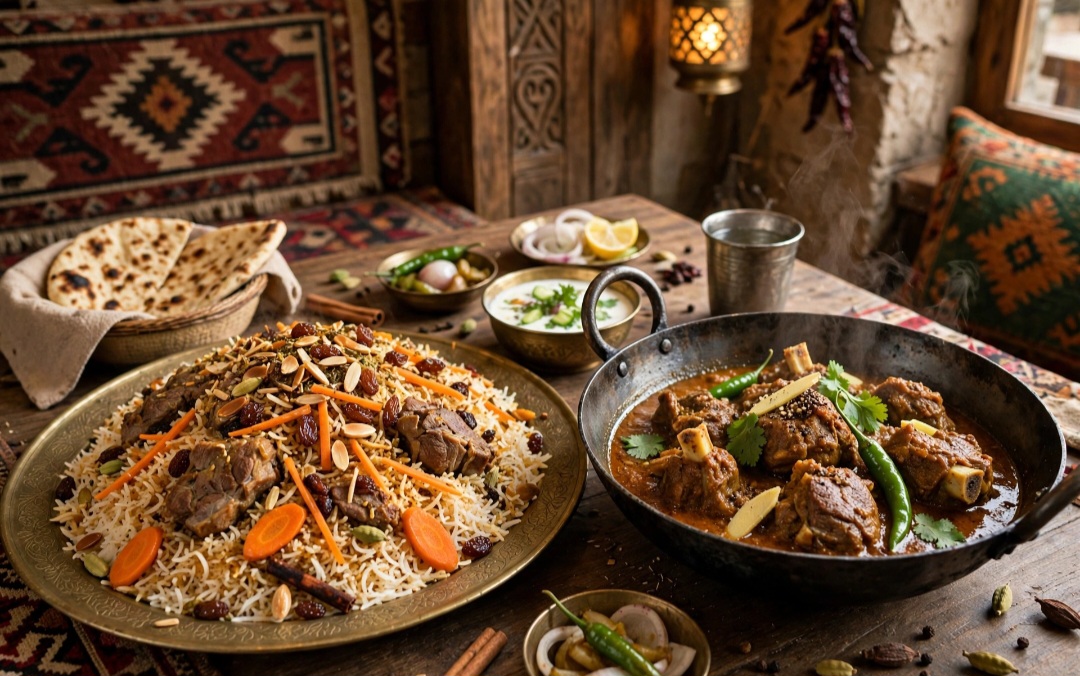
The growing popularity of junk food has also raised concerns about dietary habits. Regular consumption of foods high in unhealthy fats, salt and sugar, along with sugary drinks and heavily processed products, can increase health risks. The World Health Organization warns that unhealthy diets contribute to non-communicable diseases, including heart disease and diabetes. Healthier eating habits include fresh fruits, vegetables, lentils and balanced meals.
Today, Khyber Pakhtunkhwa's dining tables reflect a combination of traditional and modern food choices. While burgers, pizza and other fast-food items are increasingly popular among younger generations, chapli kebab, salted meat, Kabuli pulao, penda, leafy greens, corn bread and green tea remain important parts of the province's culinary identity. Preserving traditional recipes, local ingredients and cooking practices while making informed food choices can help keep this culinary heritage alive.




Comments
No comments yet. Be the first 🙂