


By Mian Waqas Ahmed
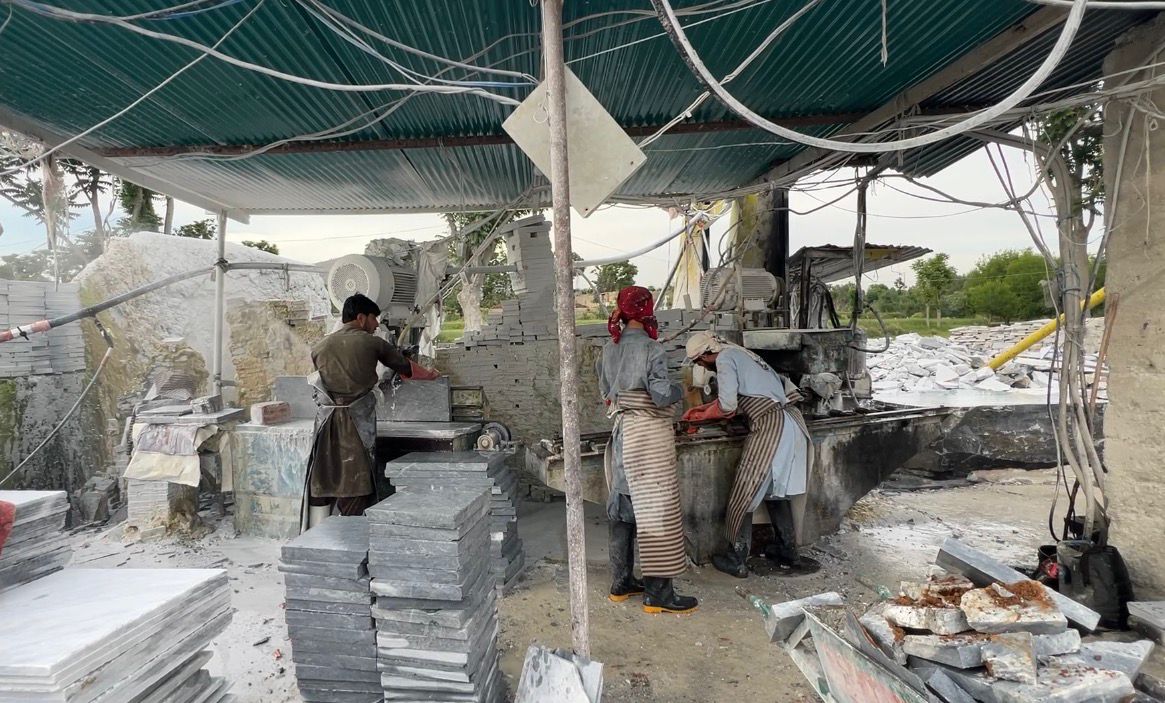
In Bajaur, the marble industry is considered a major source of the local economy and employment. However, hundreds of workers associated with this industry are still deprived of basic legal and safety rights.
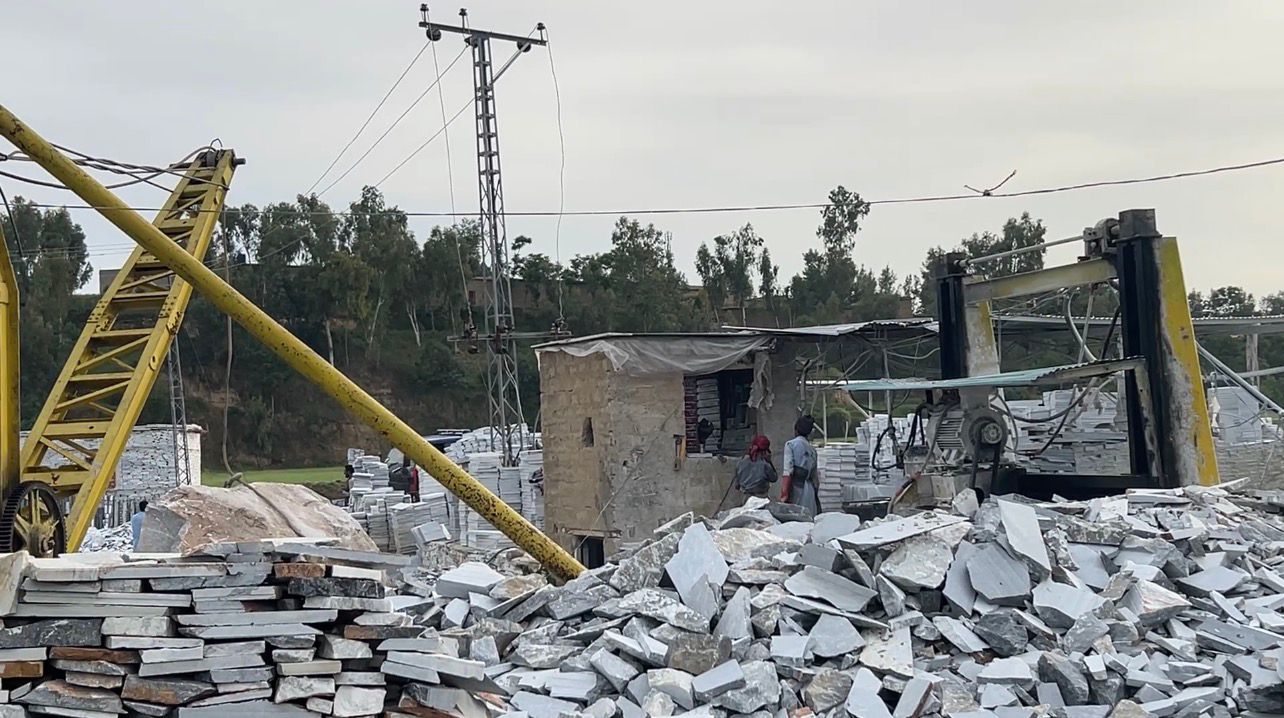
According to official statistics, 33 marble factories are operating in the district, while unofficial estimates suggest that around 500 workers are employed in these factories daily. Workers say they face issues such as long working hours, low wages, and inadequate safety facilities.
A worker who has been employed at a marble factory for the past 13 years, on condition of anonymity, said that his duty starts at 7:30 a.m. and continues until 6:00 p.m.
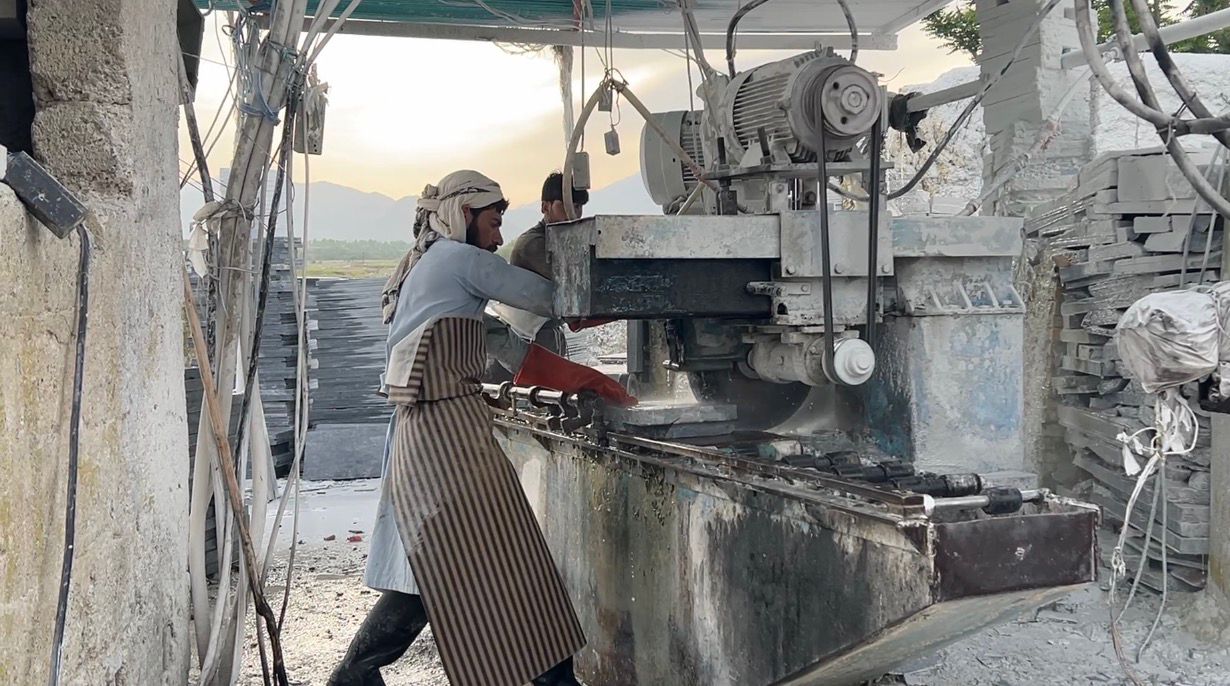
“We stand in front of machines continuously for nearly 11 hours every day, but in return for this hard work we receive only Rs30,000 in salary, out of which Rs10,000 is spent on transportation expenses.”
According to the worker, safety arrangements in factories are almost non-existent, and now instead of clean water, contaminated water is being repeatedly used for marble cutting, which could prove dangerous to workers’ health.
On the other hand, marble factory owner Fazal Rahman rejected these allegations, saying that workers are provided with masks, gloves, and safety shoes. According to him, if any worker suffers an accident, all treatment expenses are borne by the factory administration.
Also Read : Fancy Number Plates Up for Grabs as KP Excise Holds Major Auction
Fazal Rahman said that workers are paid salaries ranging from Rs30,000 to Rs45,000 based on experience. However, he added that the government is also failing to provide the required facilities to factory owners.
Abrarullah, provincial president of the “Mazdoor Labour Federation,” expressed concern over the situation and said that according to labour laws, the minimum monthly wage for an unskilled worker is Rs40,000, while daily working hours are limited to eight hours.
He said that providing appointment letters and social security facilities to every worker is a legal requirement, but most factories are not implementing these laws. According to him, the implementation rate of labour laws in Khyber Pakhtunkhwa is less than 5 percent.
Abrarullah further stated that workers who raise their voices for their rights fear losing their jobs, which is why they cannot openly file complaints.
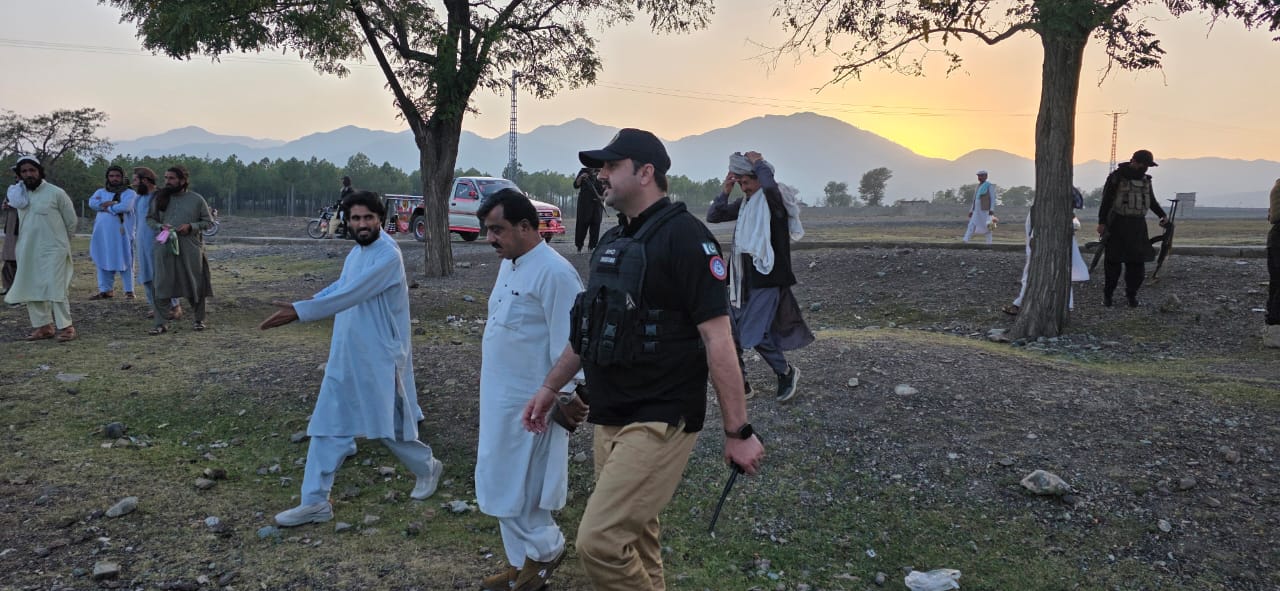
In this regard, Bajaur Labour Department Inspector Umar Hayat said that the department takes action against factories violating labour laws.
“We visit factories, issue notices in case of violations, and then send the case to the labour court. Imposing fines or punishments is the court’s authority; the department cannot directly seal a factory.”
Workers associated with Bajaur’s marble industry are still waiting for labour laws to move beyond paperwork and bring real improvement to their lives. The workers demand that the government and relevant institutions take practical steps instead of making mere claims, and ensure them their basic rights.
.jpeg)





Comments
No comments yet. Be the first 🙂