


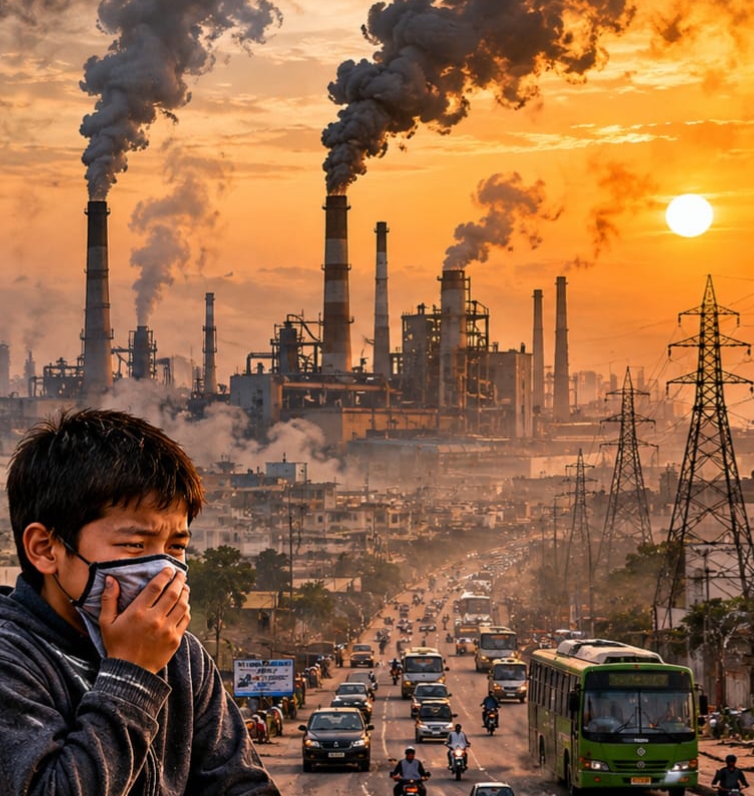
Melting snow in the north, smog in the plains, and pollution in cities… is this merely a coincidence or a glimpse of a larger crisis?
Are we leaving behind a green, safe, and healthy planet for our coming generations, or are we deepening the environmental crisis?
World Environment Day is observed globally on 5 June. This day was initiated after the United Nations Conference on the Environment in 1972, and it was first observed in 1973. Its purpose is to raise global awareness about environmental protection, the wise use of natural resources, and environmental challenges.
Today, the world is facing serious issues such as climate change, rising temperatures, air pollution, deforestation, water scarcity, and the increasing use of plastic.
Severe heatwaves, unexpected rainfall, floods, and droughts are becoming common in different parts of the world. These impacts have severely affected human health, agriculture, the economy, and natural systems.
Pakistan is also among the countries severely affected by climate change. Rising temperatures, changing rainfall patterns, water shortages, smog, deforestation, and rapidly melting glaciers are prominent issues in the country.
The effects of environmental change are not limited to statistics; ordinary citizens are also experiencing them in their daily lives.
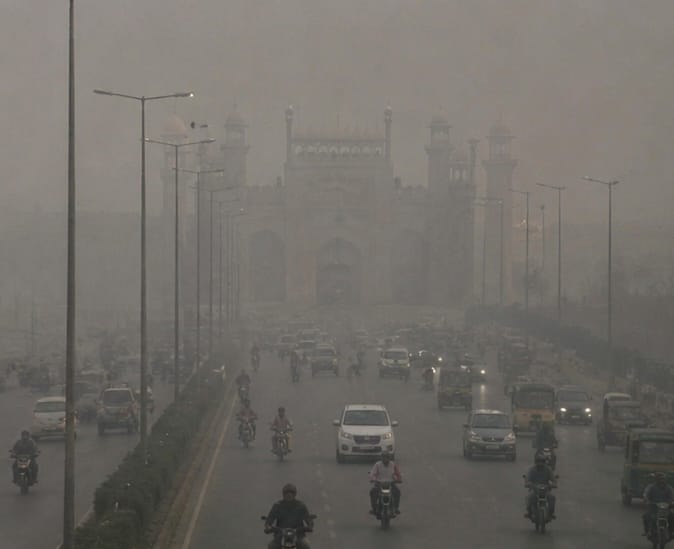
Asma from Lahore says that smog and air pollution are the biggest environmental problems in her area. According to her, in winter, smoke and fog make breathing difficult. She says that in recent years, heat intensity has significantly increased, while rainfall patterns have also become unpredictable.
According to Asma, every year heatwaves are felt more intensely, and due to smog, cases of eye irritation, coughing, and respiratory diseases are increasing. She believes the government should take effective action against polluting elements, while citizens should plant more trees.
On the other hand, Tahseen from Karachi says that garbage piles, air pollution, and contaminated water are major environmental issues in her city. She notes that the weather now feels hotter and more unbalanced than before, and the combination of humidity and heat sometimes becomes unbearable.
Also Read : Gunmen Kill Two Sons of Tribal Elder in South Waziristan Bazaar
According to her, due to dust and air pollution, complaints of allergies and respiratory diseases have become common. Tahseen says that the sanitation system needs improvement, waste should be properly disposed of, and public awareness about cleanliness must be promoted.
According to experts, these problems experienced in urban areas actually indicate a larger environmental crisis, whose effects are spread from the northern regions to the coastal belt of the country.
In this regard, environmental expert and senior journalist Fazal Khaliq from Swat says that Pakistan is among the countries with a large number of glaciers. According to him, there are about 7,500 glaciers in the northern regions of the country, particularly in the Himalayan, Hindu Kush, and Karakoram mountain ranges.
He says these glaciers are an important source of groundwater for Pakistan’s plains, especially Punjab and Sindh. When these glaciers melt, their water reaches rivers and eventually flows to coastal areas and the sea.
According to Fazal Khaliq, in the past 10 to 15 years, environmental pollution and rising temperatures have continuously affected water resources and irrigation systems. He says that due to increasing heat, glaciers are melting rapidly, which in some places leads to the formation and bursting of glacial lakes.
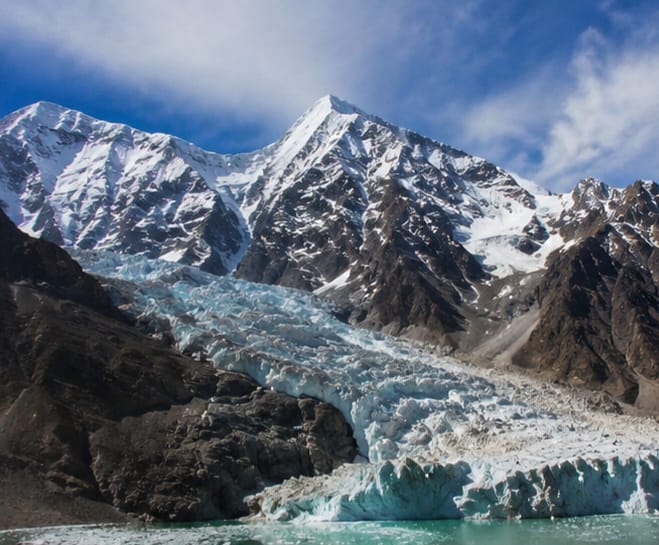
This phenomenon is called a Glacial Lake Outburst Flood (GLOF). He explains that when such an event occurs, a powerful flood carries large rocks, debris, and trees, destroying houses, bridges, roads, and settlements along its path, causing massive destruction.
He further says that smog has become a serious issue in various plains including Mardan, Rawalpindi, Lahore, and Karachi.
According to him, water shortages and air pollution, among other factors, are worsening the smog problem, reducing visibility and increasing the risk of diseases.
Fazal Khaliq says that Pakistan’s environmental challenges are not only due to local factors but also regional and global influences. He notes that neighboring countries such as India and China, along with other industrial regions, produce large-scale industrial emissions, which affect the entire region.
He says Pakistan is also bearing these impacts, even though its contribution to global pollution is relatively small.
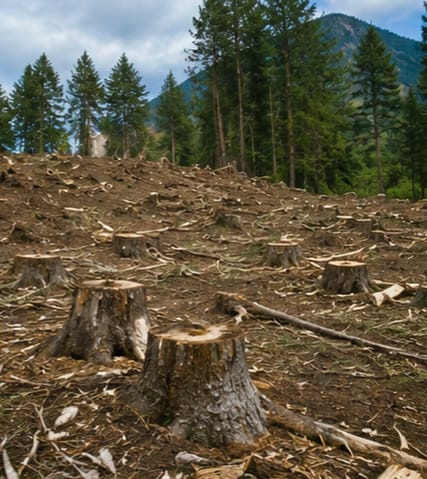
Fazal Khaliq also expresses concern over continuous deforestation in northern areas. According to him, illegal logging and timber smuggling in some regions are severely damaging forests, leading to changes in rainfall patterns, rising temperatures, and environmental imbalance.
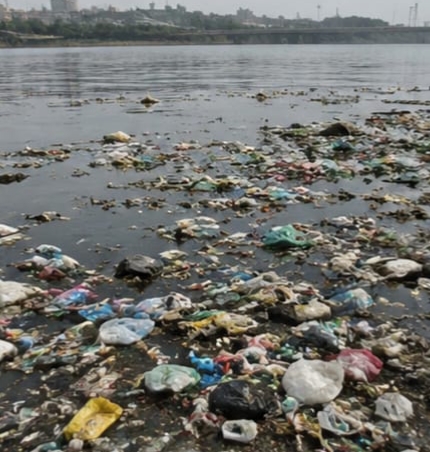
He further says that the excessive use of plastic bags is also a major threat to the environment. Plastic does not decompose easily and remains in the environment for a long time.
It reaches rivers and oceans, polluting water and contributing to the spread of diseases. According to him, aquatic life, especially fish, is being affected, while the lack of an effective waste management system is worsening the situation.
He says that it is possible to reduce the impacts of climate change, provided that serious and effective measures are taken. According to him, proper planning should be made to protect populations living in areas at risk of glacial lake outburst floods.
He says that deforestation must be stopped, large-scale tree plantation should be carried out, emissions from industries and vehicles should be reduced, and environmentally friendly policies should be promoted.
He further suggests installing modern flood alert systems so that timely warnings can help reduce human and financial losses. According to him, such systems already exist in some areas of Swat and should be expanded to other parts of the country.
According to Fazal Khaliq, public awareness is extremely important in addressing environmental issues. He says that educational institutions such as schools and colleges should raise awareness about environmental protection so that future generations can play their role in building a better, safer, and more sustainable environment.
Melting glaciers in the north, spreading smog in the plains, and increasing pollution in cities clearly indicate that the environmental crisis is no longer a future problem—it is a present reality.
According to experts, if timely action is not taken, the consequences could become even more severe. That is why World Environment Day is not just about observing a day, but about renewing the commitment that protecting the environment is a shared responsibility of all of us.



.jpg)
Comments
No comments yet. Be the first 🙂