


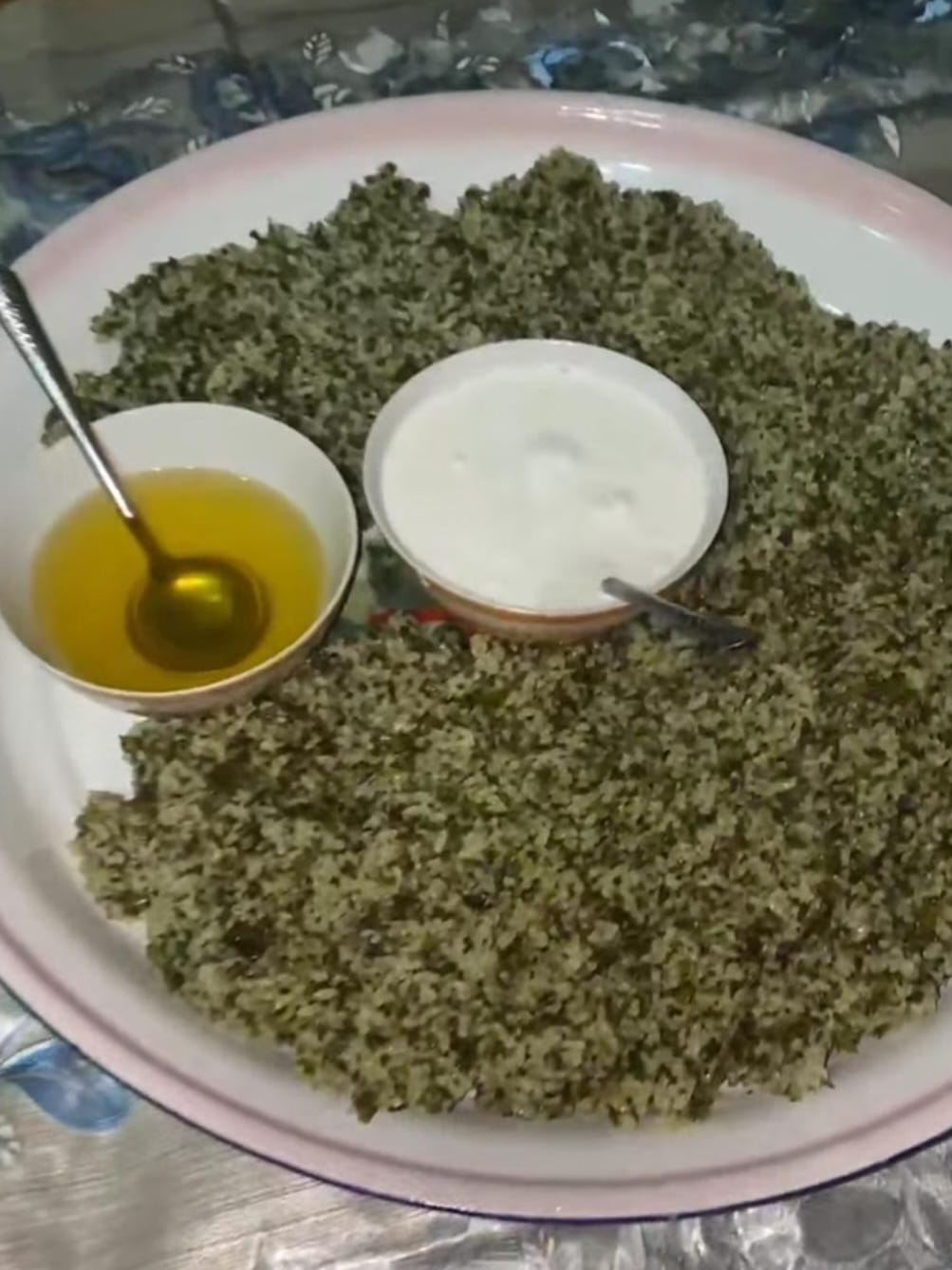
Swat’s lush green valley is not only famous for its natural beauty, fruits, and cool climate, but also for its local cuisine and traditional flavors that define the region’s identity. Among these traditional tastes, an important name is JP-5 rice, locally known in everyday language as Begumai rice.
This Begumai rice once held a special place in the homes, fields, and markets of Swat. Due to its aroma, taste, and soft texture when cooked, it was popular not only among locals but also in other parts of the country.
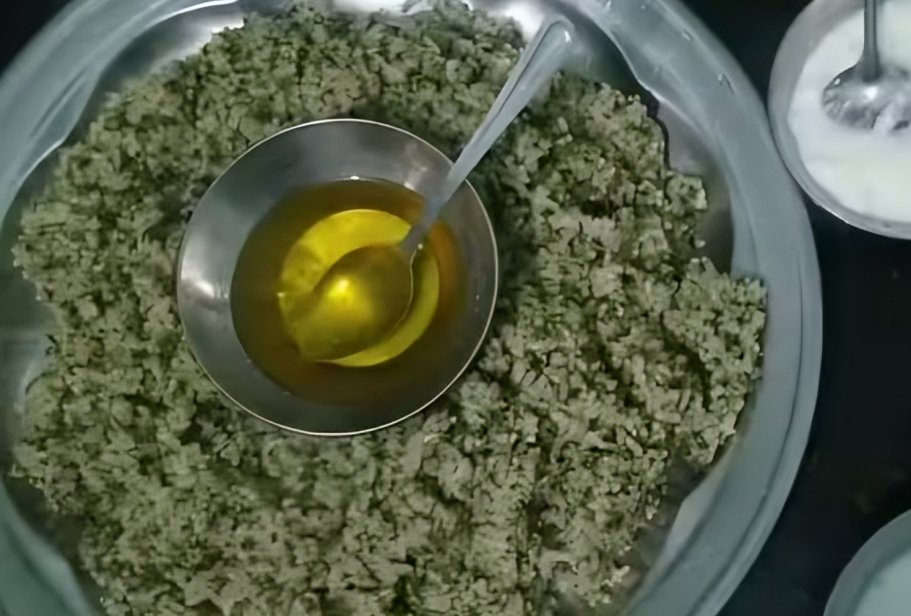
In Swat, Begumai rice is not just a crop but a part of the local food tradition. According to local women, Swat’s famous traditional dish “Warjali” is also prepared using Begumai rice. Warjali is made with local greens such as saag, shotal, shalkhi, spinach, and green garlic, and the flavor of Begumai rice gives it a unique identity. This is why many people in Swat still say that the aroma and taste of cooked Begumai rice cannot be found in other varieties.
Also Read : How Swat’s Sweetest Fruits Became a Fading Memory
However, over time, this local rice has gradually disappeared from the fields. What was once considered Swat’s agricultural identity is now rarely cultivated. According to farmers, traders, local consumers, and the agriculture department, its production has significantly declined, and in many areas, the crop has nearly vanished.
In its place, higher-yielding varieties, especially Fakhr-e-Malakand rice, are now being cultivated more widely. Despite this, the demand for Begumai rice still exists, and due to its scarcity in the market, its price is much higher than that of regular rice.
A resident of Swat, Bakht Zareen, says that Begumai rice has always been a favorite in her home and is not just food but a symbol of taste and tradition.
She says: “I really like Begumai rice. Its aroma and taste are completely different from other varieties. It used to be easily available in the market, but now it is very rare. Because of this, we have also reduced cooking rice, as other varieties do not offer the same taste. Traditional dishes like Warjali are also best made with this rice, and without Warjali, winter feels incomplete.”
According to local farmers, cultivating Begumai rice is no longer as easy or secure as before. Abdul Rahman, a farmer from Engron Dherai in Mingora, Swat, says that his family has been cultivating Begumai rice for generations, but over time, various issues have forced farmers to shift to other varieties.
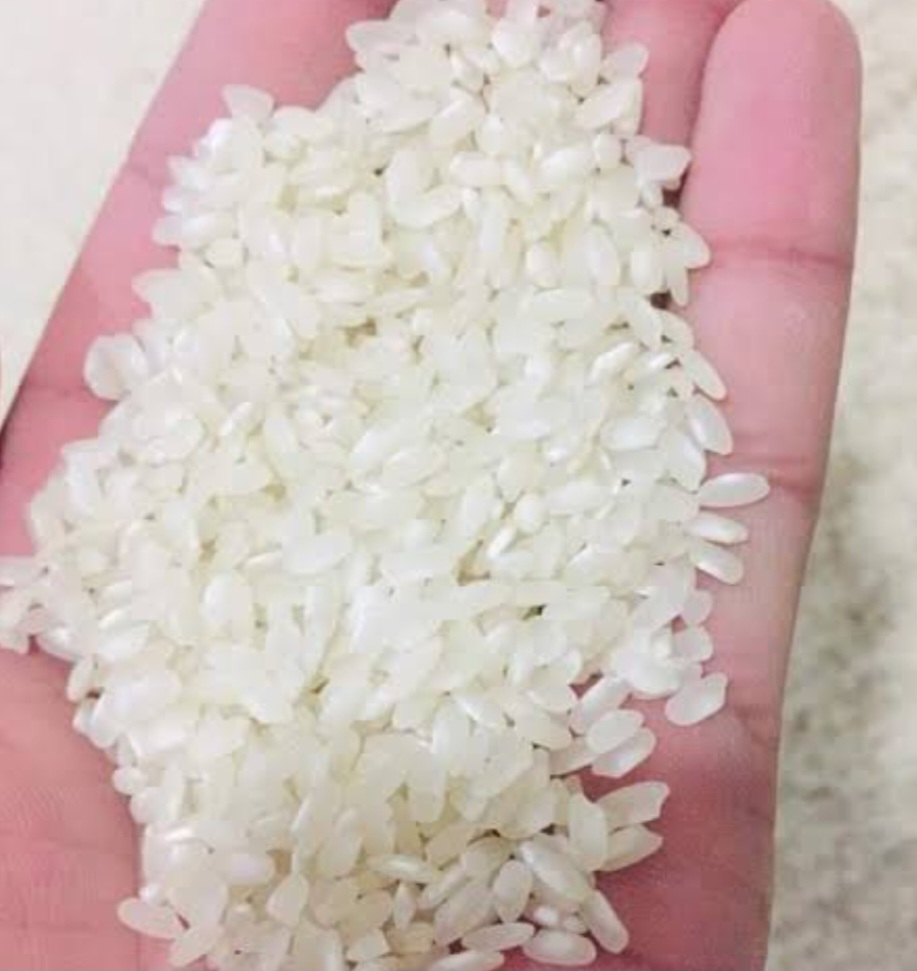
He says: “We were cultivating Begumai rice around forty years ago, and our ancestors did the same. Previously, its yield was more than fifty maunds per acre, but over time many problems emerged, especially empty grains in the panicles, locally called ‘jaal.’ Additionally, stem-boring pests became more common, and sometimes the entire crop would be destroyed.”
According to him, there may not have been any major sudden changes in land, water, or climate, but new and harmful issues have increased over time, making its cultivation difficult. This is why farmers have shifted to high-yield varieties like Fakhr-e-Malakand.
He adds: “We started growing other varieties like Fakhr-e-Malakand because they produce more and have comparatively fewer problems.”
He further explains that while the cost of production is not very different, the overall income from Begumai is lower due to reduced yield, which has economically pushed farmers away from it.
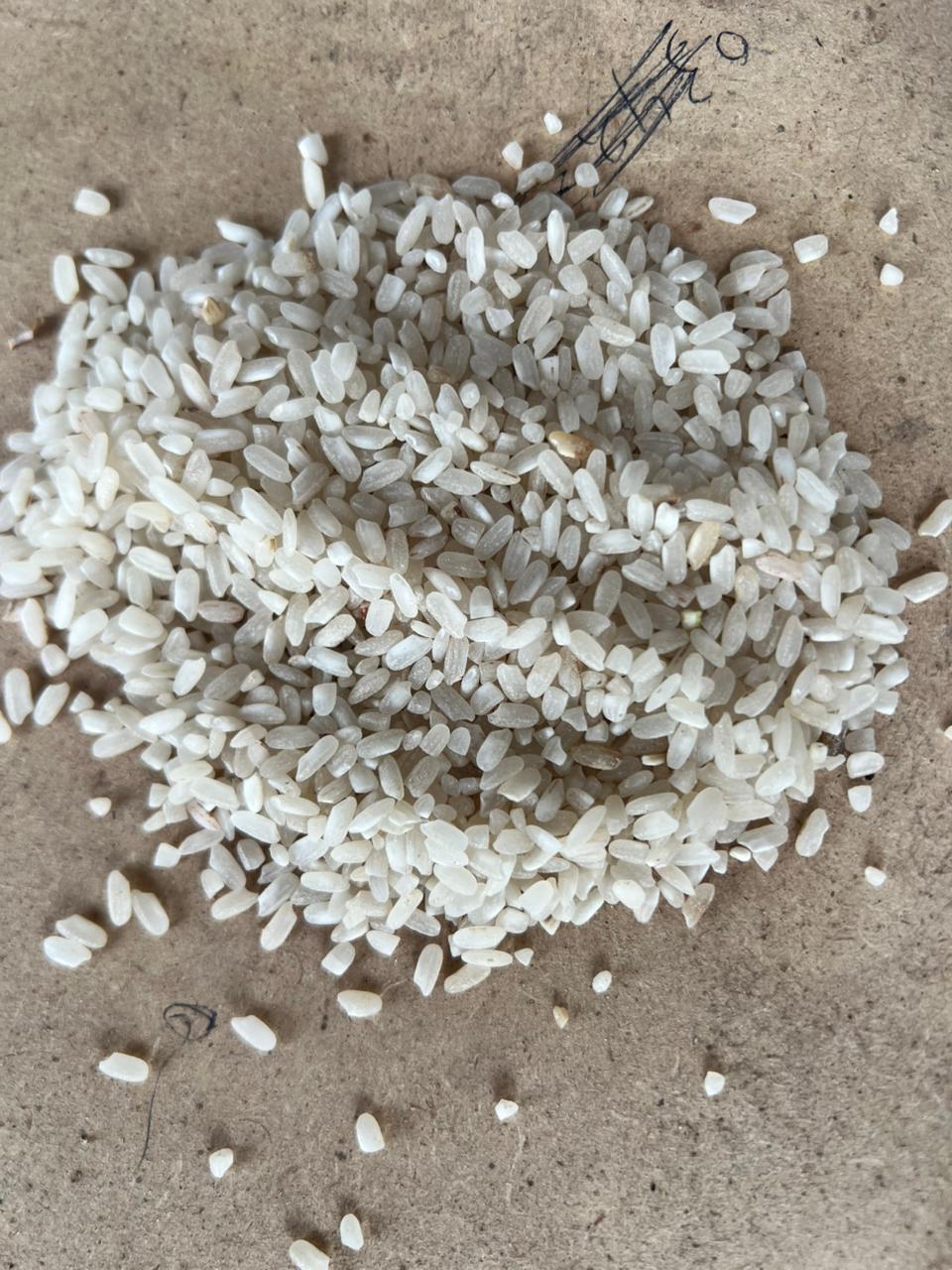
“Costs are almost the same, but when you compare yield and price, the overall income from Begumai is lower because its production has declined.”
Despite this, he emphasizes that demand for Begumai rice remains high, and its price can reach up to 290 rupees per kilogram, while Fakhr-e-Malakand sells for around 149 rupees per kilogram.
He also expresses hope that if the government provides quality seeds, fertilizers, and proper guidance, farmers may return to cultivating it.
Despite its scarcity, Begumai rice has not lost its popularity.
According to Sajid Ali, a rice trader from Manglor, the demand for Begumai (JP-5) is still very high in the market. Buyers come not only from Swat but also from cities like Karachi, Mardan, and Charsadda.
He says that although Fakhr-e-Malakand is widely available, many people do not consider it a substitute for Begumai due to clear differences in taste and cooking quality. Currently, Begumai rice makes up only about 7 to 10 percent of market availability.
According to the Agriculture Department, Begumai rice is an ancient local variety of Swat and the Malakand division. It is not just a crop but part of the region’s agricultural heritage and cultural identity. Dr. Iftikhar Ahmad, Deputy Director of Agriculture in Swat, says that both the cultivated area and production of this rice have steadily declined over the past years.
He states: “Over the past 15 to 20 years, the cultivated area of Begumai rice has significantly decreased, and in many regions, its cultivation has nearly disappeared. There has been around an 80 percent decline in both area and production.”
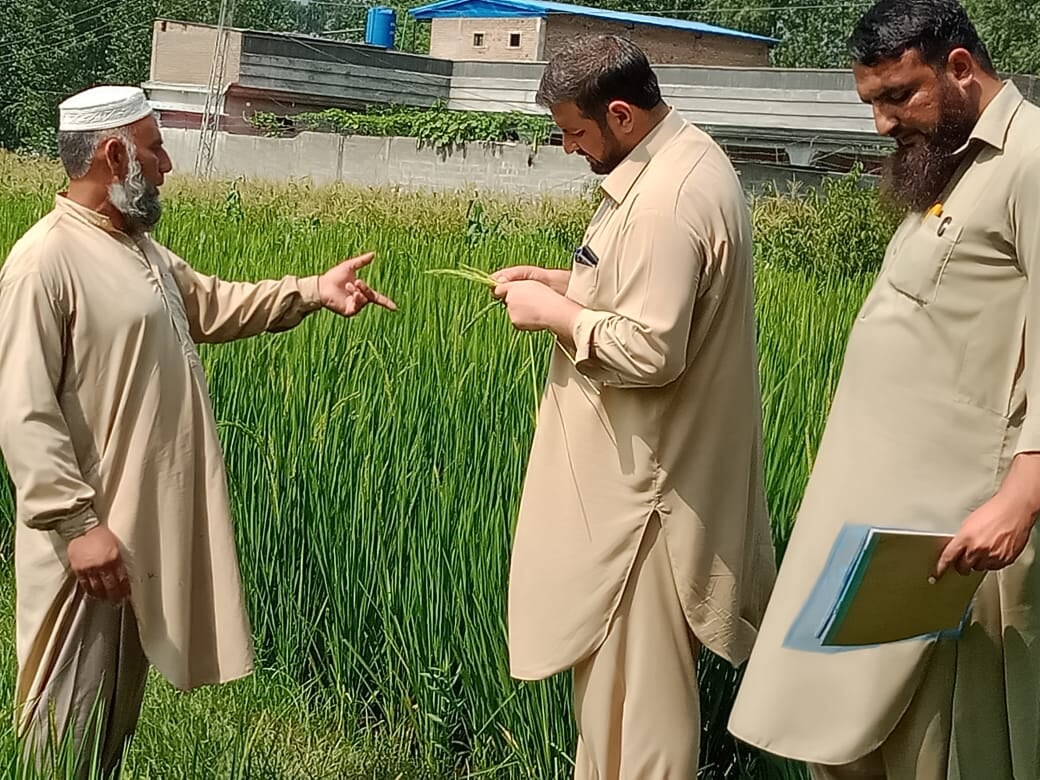
According to him, several factors are responsible for this decline, including the spread of high-yielding varieties, lack of pure seeds, climate pressure, diseases and pests, and farmers’ shifting economic decisions.
He explains: “New varieties like Fakhr-e-Malakand yield more, mature faster, and provide better profit. That is why farmers are moving toward them. On the other hand, the availability of pure seeds for local varieties like Begumai is also decreasing.”
The Agriculture Department says efforts are being made to preserve the pure seeds of this local rice, and farmers will be trained in its cultivation, management, and protection from diseases to help revive it.
Begumai rice is not just a local crop—it is part of Swat’s soil, food, and tradition. With timely attention, preservation of local seeds, support for farmers, and recognition as a unique agricultural identity of Swat, it is possible that this fading flavor may once again return from the fields to homes and dining tables.



.jpg)

1 Comments
in this country how mich billing systum trst whoch ids desgin pmid