


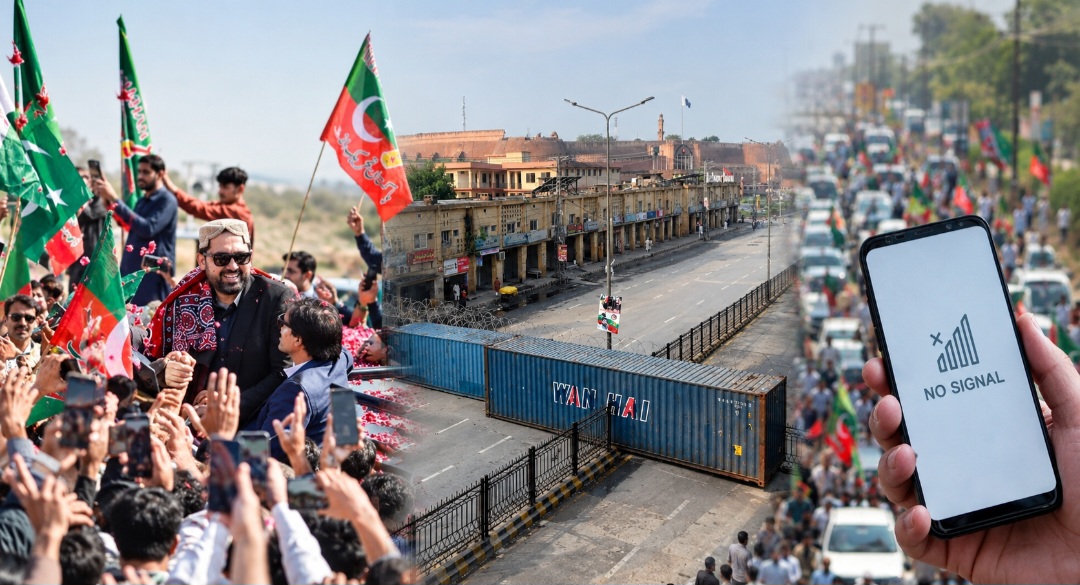
Whenever political tensions rise in Pakistan, particularly in Khyber Pakhtunkhwa, and sit-ins, long marches or measures such as governor’s rule come under discussion, the effects are not limited to politics. They also affect the daily lives of ordinary citizens.
Road closures, internet disruptions and difficulties in transportation create obstacles for people’s livelihoods, education and other essential activities. In such circumstances, the question arises: why should ordinary citizens pay the price for political disagreements and tensions when they have no direct role in these situations?
For ordinary citizens, one of the biggest challenges in such circumstances is the disruption of their daily routines. Roads are blocked, internet services are affected, and people face difficulties travelling from one place to another.
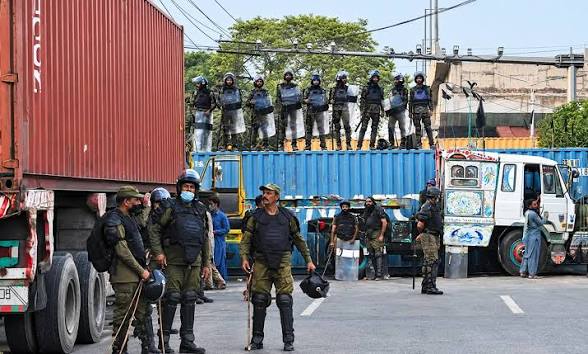
Those who suffer the most are people who work hard every day to support their families and depend on daily earnings to meet their basic needs.
Road closures and livelihood challenges:
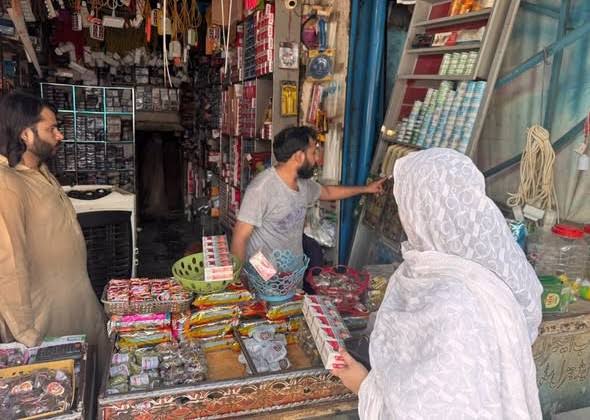
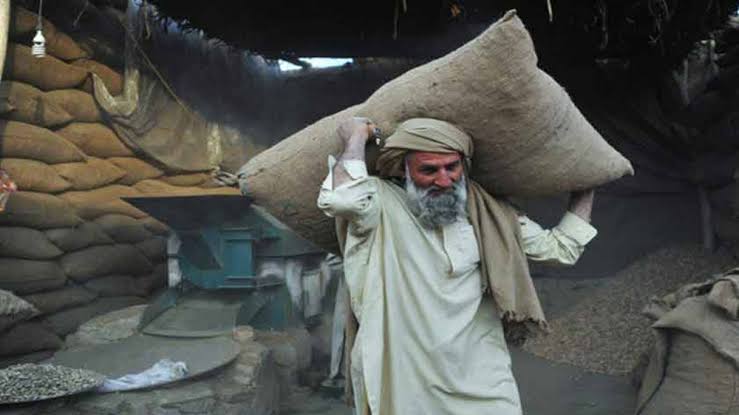
Many people earn a living through daily labour to support their families. These include daily-wage workers, street vendors, fruit and vegetable sellers, rickshaw drivers and small shopkeepers.
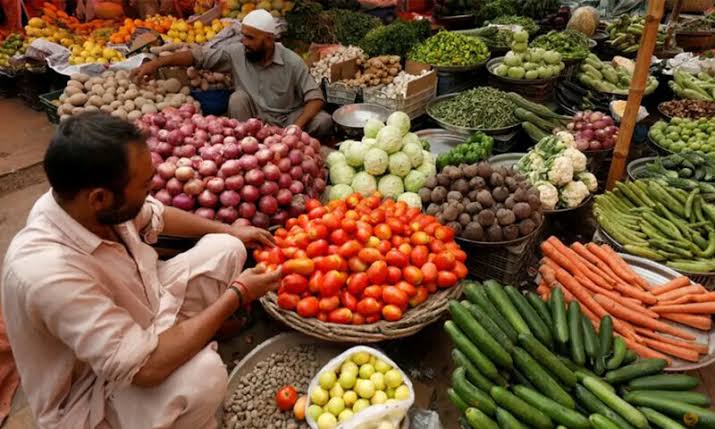
Road closures prevent labourers from reaching their workplaces, stop street vendors from selling their goods and leave rickshaw drivers without passengers. As a result, losing a day’s work or being unable to run a business affects their income and makes it difficult to meet household expenses.
The consequences are not limited to losing a day’s earnings. They also make it harder for families to cover their regular expenses. Children’s school fees, house rent, electricity bills and food expenses remain the same, even when a person’s daily income comes to a halt.
In such circumstances, it is essential to consider ordinary citizens’ mobility and livelihoods while making arrangements for protests and security, so they do not face unnecessary financial difficulties.
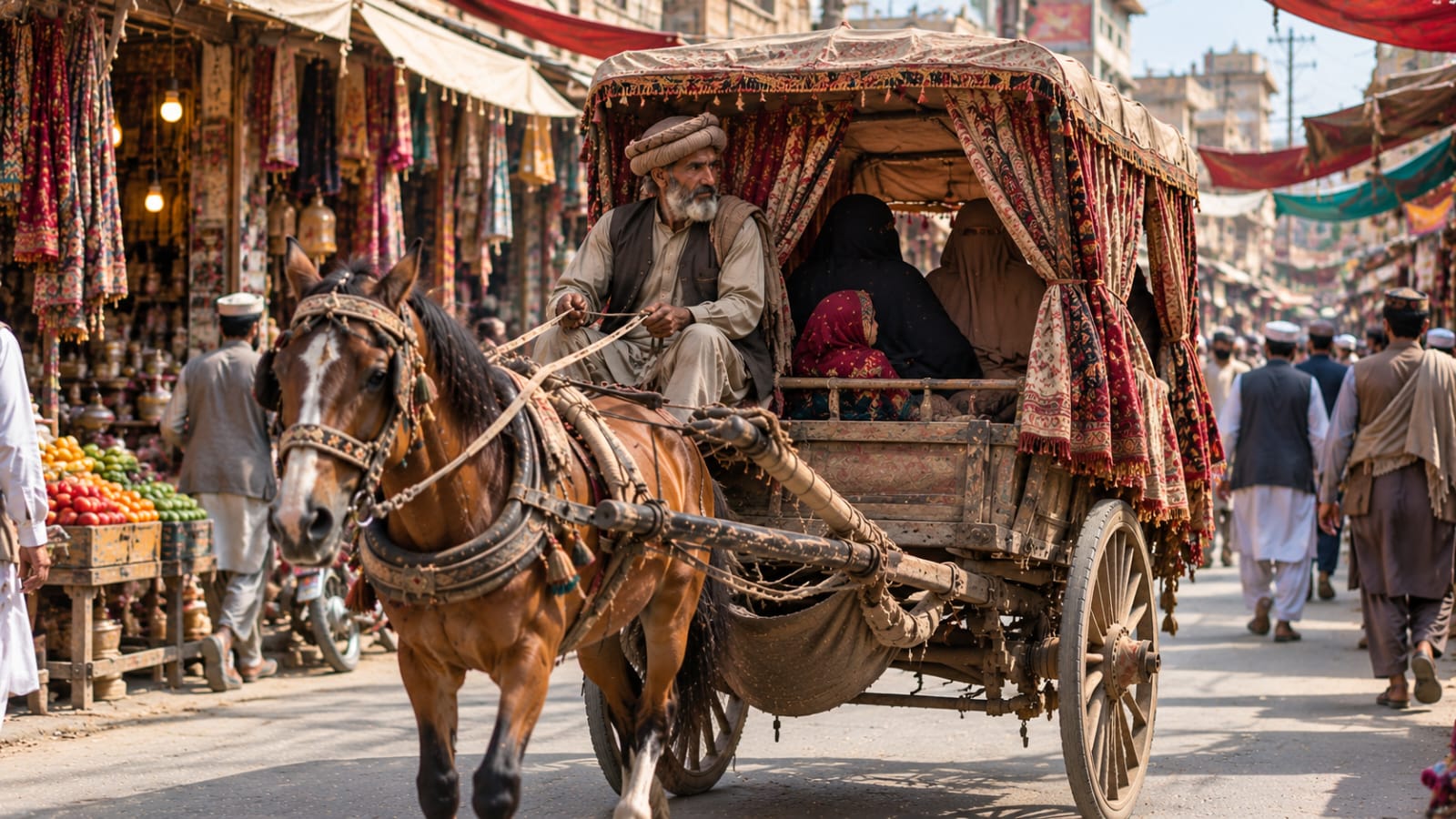
Also Read : When horses ruled the streets of Tank
Internet shutdowns, daily life and the spread of rumours:
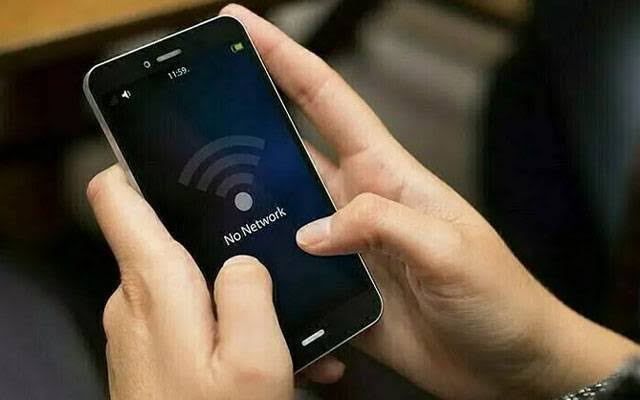
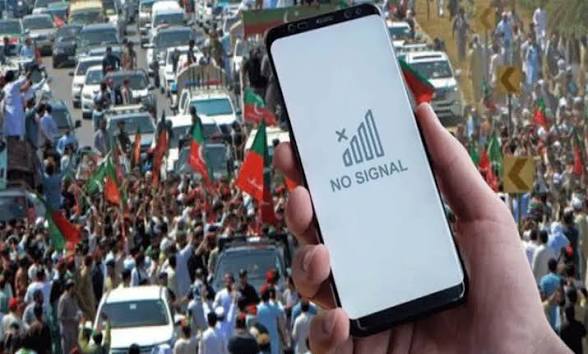
In the modern era, the internet is no longer just a source of entertainment; it has become an essential part of everyday life. People use it to stay in touch with their families, run businesses, support their children’s education and access important information. Many people also work online to cover their family expenses.

When internet services are suspended or their speed is reduced, all these activities are disrupted. Students face difficulties attending online classes and accessing educational materials. Shopkeepers and people who work online experience business losses, while staying in touch with relatives living abroad also becomes difficult.
Another concerning aspect of internet shutdowns and the lack of timely information is the spread of rumours and unverified news. When people cannot access accurate and timely information about a situation, their anxiety and uncertainty increase.
Someone may receive a message claiming that firing has taken place at a particular location, while another person reports that a certain road is closed. Meanwhile, someone else may be circulating a completely different account of the situation. Not all these reports are accurate, but fear and uncertainty sometimes lead people to share such information with others without verifying it.

Even a minor rumour can cause considerable distress. Citizens become worried about the safety of their children, relatives and family members. At times, unverified reports prompt people to cancel their travel plans or avoid leaving home even for essential tasks.
To address this issue, the government and relevant authorities must provide the public with timely, clear and reliable information. If a road is closed or a security issue arises in a particular area, an official announcement should be made.
Citizens should be informed about which routes remain open and which areas they should avoid. At the same time, the public also has a responsibility not to forward news or messages without verifying them, helping prevent panic and the spread of misinformation.
Disruptions to education and healthcare:
During periods of political tension, special attention must be given to people who require urgent assistance. If a sick person needs to reach a hospital but cannot get there because of a road closure, their health and life may be put at risk. Pregnant women, elderly people and children may also face serious difficulties.
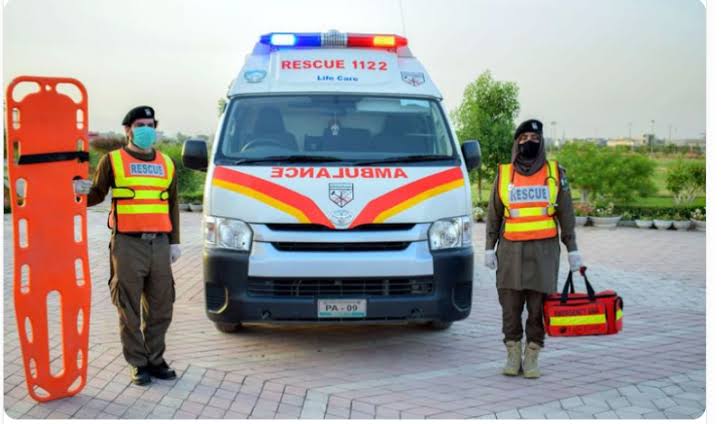
The government and administration are responsible for ensuring uninterrupted access to hospitals, the movement of ambulances and the provision of other essential medical services. Where road closures are unavoidable, timely information about alternative routes should be provided so that people do not face additional difficulties during emergencies.
Education is another sector that can be negatively affected by political tensions. School closures, disrupted examinations and a lack of internet access can hinder students’ education. The situation is particularly difficult for children who have no alternative means of accessing online learning.
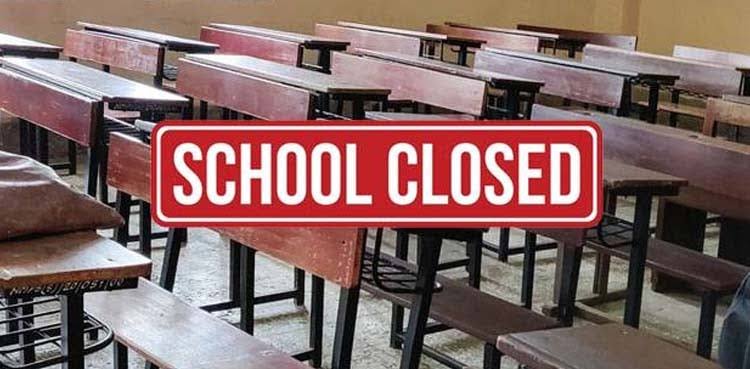
Repeated disruptions to education can affect students’ learning continuity. It is therefore essential to take possible measures to ensure that educational activities continue during such circumstances.
Responsibilities of the government and political parties:
Maintaining law and order is one of the government’s fundamental responsibilities, but protecting citizens’ fundamental rights is equally important. Before taking any action, the government should assess its potential impact on ordinary people’s lives.
If suspending internet services or restricting road traffic becomes necessary, clear information should be provided about the reasons, expected duration and alternative arrangements. This would allow citizens to plan according to their needs.
Political parties, too, must recognise their responsibilities. Holding protests, presenting demands and expressing differences of opinion are part of the political process. However, it is equally important to prevent ordinary citizens from facing unnecessary difficulties during such activities.
Dialogue and negotiations should be prioritised to resolve political differences so that businesses, education, healthcare and everyday activities suffer as little disruption as possible.
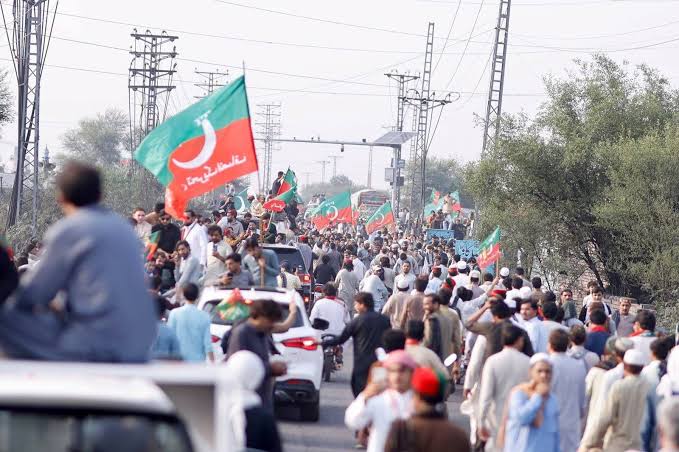
The government and political parties must understand that the effects of political activities are not limited to the struggle for power. Their decisions and actions also affect ordinary people’s lives, livelihoods and access to essential services. Therefore, public interest must be given priority in every decision.
Why is protecting ordinary citizens’ rights essential amid political disagreements?
The political situation in Khyber Pakhtunkhwa compels us to consider how the rights of ordinary citizens can be protected amid political disagreements and security challenges. A labourer, student, patient or small shopkeeper is neither responsible for creating political tensions nor in control of these circumstances. Yet, they are the ones who bear the brunt of their negative consequences.
The government, administration and political parties need to understand the difficulties faced by ordinary people and take measures to minimise disruptions to their daily lives. Accurate information must be provided to the public, effective communication systems must be in place to prevent rumours, and essential services such as employment, education, healthcare and transportation should continue as far as possible.
Ultimately, the question remains: if an ordinary citizen cannot go to work because of the political situation, a student cannot continue their education, or a patient cannot reach a hospital in time, who will take responsibility for these losses? Regardless of the political circumstances, ordinary citizens must not be deprived of their fundamental rights and access to essential services.
The success of any government and society is measured not only by its ability to maintain law and order but also by its ability to provide an environment in which people feel safe, continue their daily activities and meet their basic needs without facing unnecessary difficulties.
Political differences may persist, but the rights, safety and basic needs of ordinary citizens must always remain a priority.
Note: This article reflects the personal opinion of the author and does not necessarily represent the views of the organisation.
.jpeg)

.jpeg)
Comments
No comments yet. Be the first 🙂