


Khyber Pakhtunkhwa is a region of Pakistan where towering mountains, lush valleys, crystal-clear lakes, historic landmarks and centuries-old traditions come together. From its northern mountain communities to its historic cities, every destination has its own landscape, language, customs, clothing and way of life.
The province is home to diverse cultural traditions, including Pashtun, Hindko, Kohistani, Chitrali and Kalash heritage. Tourism in Khyber Pakhtunkhwa is not just about exploring scenic landscapes; it also offers an opportunity to discover the history, traditions and everyday lives of its communities.
1. Kalam Valley, Swat: Natural Beauty and Pashtun Hospitality
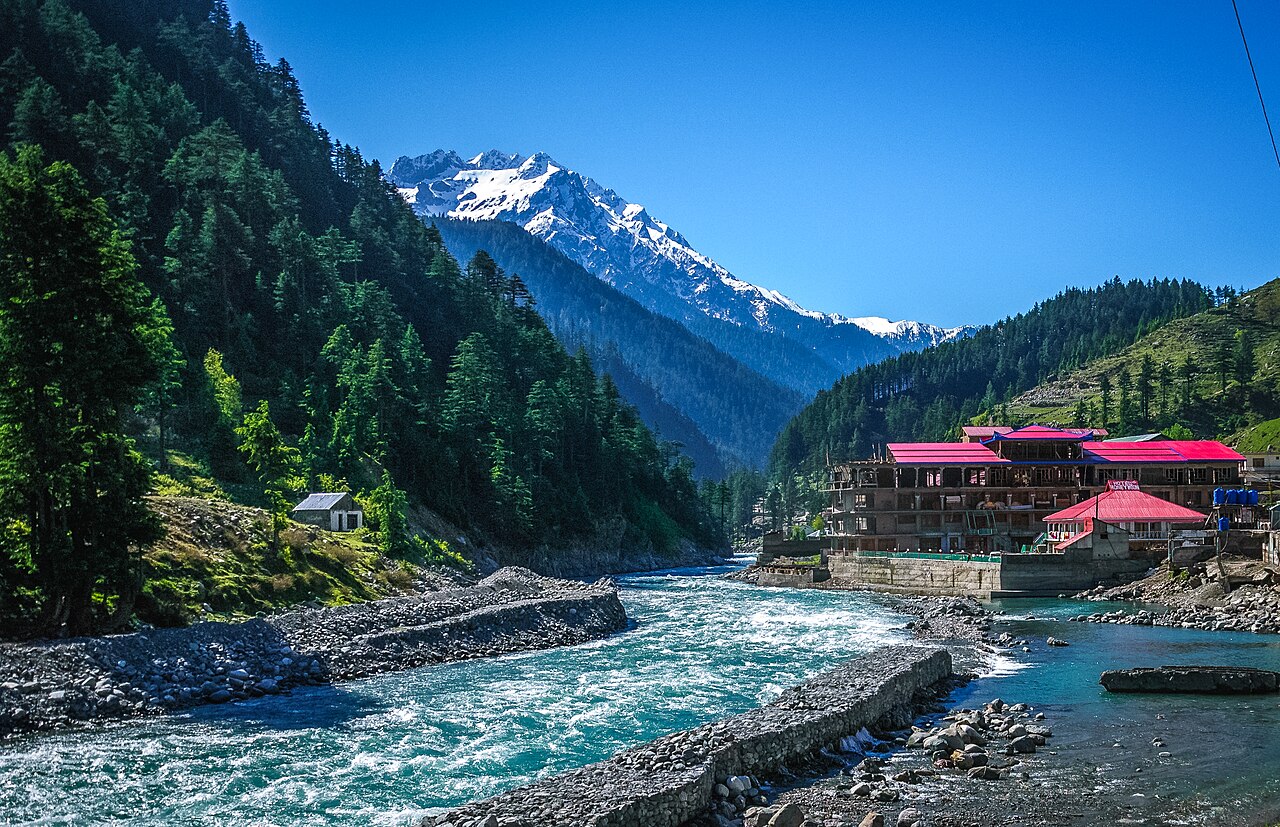
Located in Swat district, Kalam Valley is a popular tourist destination known for its towering mountains, dense forests, Swat River and natural springs. Mahodand Lake, Ushu Forest and Utror are among its prominent attractions.
Alongside Pashtun traditions, the culture of Kohistani communities is also prominent in the area. Local residents speak languages including Pashto, Torwali and Gawri. Traditional clothing, shawls, wood carving, local cuisine, music and hospitality are important parts of the region's cultural identity.
2. Kumrat Valley, Upper Dir: Forests and Kohistani Culture
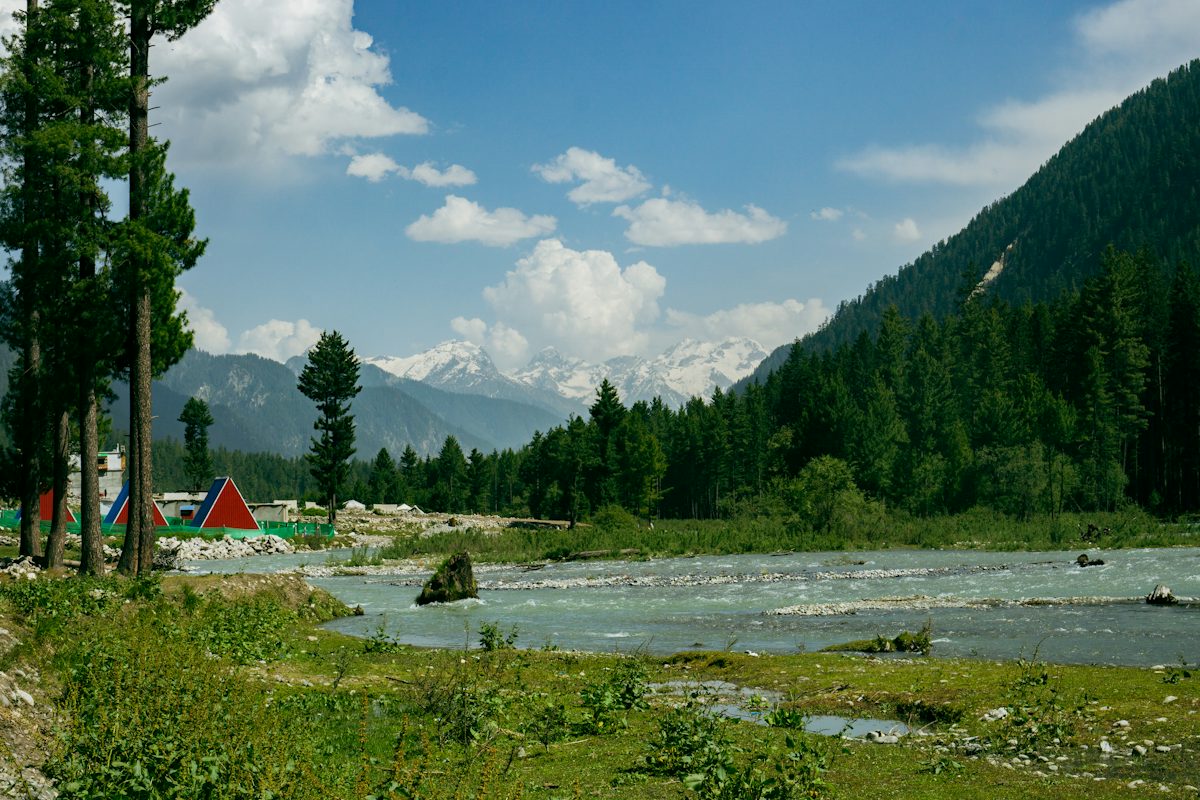
Kumrat Valley in Upper Dir is known for its towering deodar trees, green meadows, Panjkora River and waterfalls. Jahaz Banda and Katora Lake are among its notable scenic attractions.
Kohistani and Gujjar communities live in Kumrat and surrounding areas. Local languages include Gawri and Pashto. Livestock rearing, agriculture, seasonal grazing and traditional hospitality remain important aspects of everyday life.
3. Kalash Valleys, Chitral: Unique Heritage and Colourful Festivals
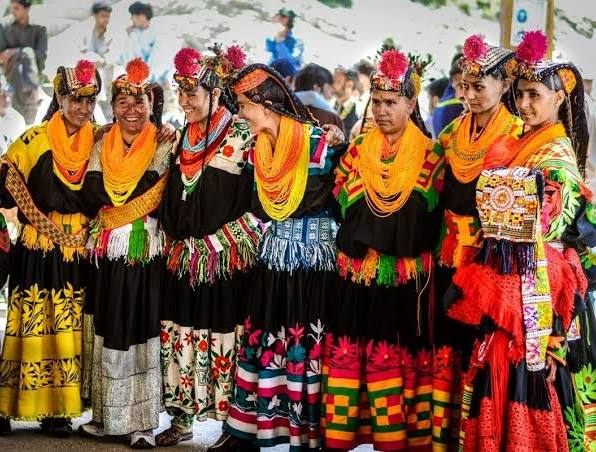
The Chitral valleys of Bumburet, Rumbur and Birir are internationally recognised for their natural beauty and the distinctive culture of the Kalash community. Traditional wooden houses, mountain settlements and green landscapes give the region its unique character.
The Kalash community has its own language, traditional clothing, music and festivals. Women's traditional black dresses, colourful embroidery and bead-adorned headwear are distinctive cultural features. Chilam Joshi, Uchau and Choimus are among the community's major festivals, featuring traditional dances and music.
4. Naran and Kaghan, Mansehra: Lakes, Mountains and Hazara Traditions
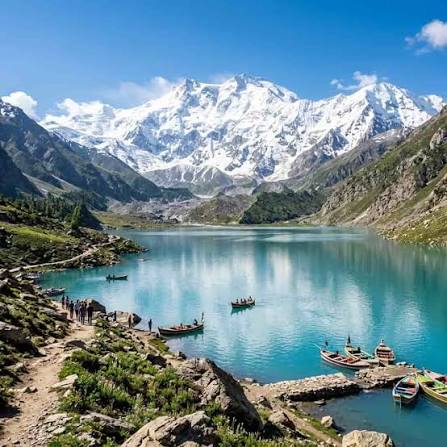
Naran and Kaghan valleys in Mansehra district are famous for their snow-covered mountains, Kunhar River, waterfalls and scenic lakes. Lake Saif-ul-Malook, Lala Zar and Babusar Top are among the region's major tourist attractions.
Hazara traditions shape much of the area's cultural identity. Hindko and other local languages are spoken here. Traditional cuisine, handicrafts, folk songs, hospitality and a simple mountain lifestyle are important elements of local culture.
5. Galiyat, Abbottabad: Deodar Forests and Mountain Life
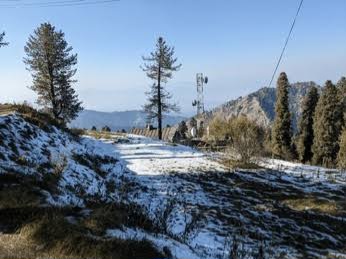
The Galiyat region of Abbottabad includes popular destinations such as Nathia Gali, Dunga Gali, Ayubia and Changla Gali. Its dense forests, pleasant weather and mountain scenery attract visitors throughout the year.
The region reflects the local culture of Hazara, with Hindko language, traditional food, folk music and family hospitality playing an important role. Local lifestyles remain closely connected to the mountainous environment and traditional social customs.
6. Shandur, Chitral: Home to One of the World's Highest Polo Grounds
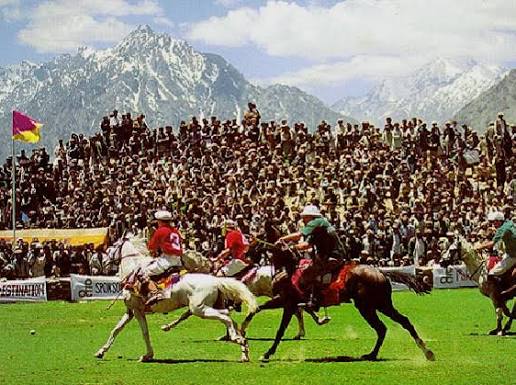
Located between Chitral and Gilgit-Baltistan, Shandur lies at an altitude of approximately 3,700 metres above sea level. Its vast green plateau, surrounding mountains and famous Shandur Polo Ground make it a distinctive destination.
The annual Shandur Polo Festival brings teams from Chitral and Gilgit-Baltistan together for traditional polo competitions. Khowar language, traditional music, clothing, dance and hospitality are important features of Chitral's cultural identity.
7. Takht-i-Bahi, Mardan: A Historic Legacy of Buddhist Civilisation
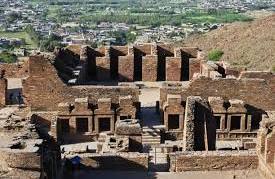
Located in Mardan district, Takht-i-Bahi is one of Khyber Pakhtunkhwa's most significant historical and cultural sites. Its ancient Buddhist monastic ruins date back to the first century CE and are recognised as a UNESCO World Heritage Site. The complex is an important reminder of Gandhara civilisation, its history and architectural achievements.
Pashtun traditions and the Pashto language are prominent in the culture of Mardan and surrounding areas. Traditional clothing, hujra, jirga and hospitality remain important parts of local social life. Regional cuisine, folk music and traditional festivals also reflect the area's cultural heritage.
These seven destinations offer only a glimpse of Khyber Pakhtunkhwa's natural beauty, historical legacy and cultural diversity. Every valley, city and community has its own distinct identity. This diversity makes the province one of Pakistan's important destinations for tourism and cultural exploration.



Comments
No comments yet. Be the first 🙂