


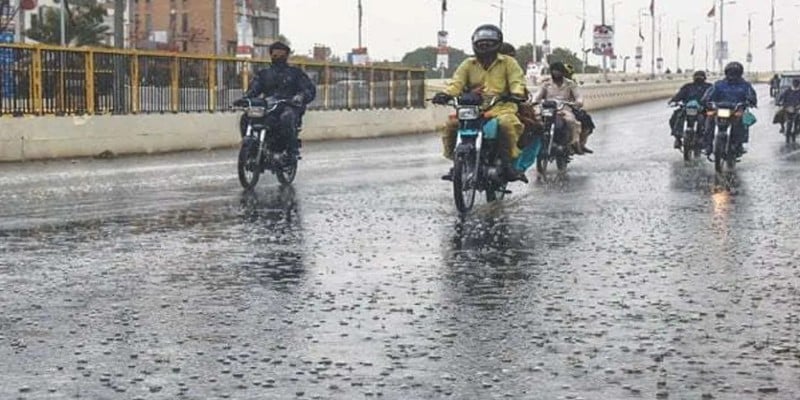
The Provincial Disaster Management Authority (PDMA) Khyber Pakhtunkhwa has issued a high alert for the Malakand and Hazara divisions, as well as other northern districts, due to the forecast of heavy rainfall, flash floods, Glacial Lake Outburst Floods (GLOFs), landslides, strong winds, and thunderstorms during the upcoming monsoon spell.
According to the PDMA, a new weather system of westerly winds will enter the upper parts of the province tonight. Moist currents from the Arabian Sea and the Bay of Bengal will also contribute to the system.
Heavy rainfall is expected to intensify from July 1, while rising temperatures are accelerating glacier melt, increasing the risk of GLOFs and flash floods in northern areas.
The PDMA has directed all district administrations, Rescue 1122, Civil Defence, and other relevant departments to keep emergency operation centers active 24/7, continuously monitor vulnerable areas, and ensure that rescue machinery, heavy equipment, dewatering pumps, boats, and relief supplies are ready in advance. Authorities have also been instructed to closely monitor roads, bridges, and rivers to enable a swift response in any emergency.
Also Read : Gold Loses Shine as Prices Fall Nationwide
The public has been advised to avoid crossing flooded streams, rivers, and fast-flowing water channels during rainfall, keep children away from water bodies, and move immediately to safer, higher ground if water levels begin to rise.
Residents of glacial regions and tourists have been urged to avoid unnecessary travel and not stay near glaciers, glacial lakes, or riverbanks. In case of a sudden rise in water levels, unusual sounds, or official warnings, they should immediately move to a safe location and inform the local administration.
Due to the risk of landslides, the PDMA has also advised against unnecessary travel in mountainous areas. People should stay away from rocky slopes, steep hillsides, and previously affected routes, and use alternative roads where landslide risks exist.
During windstorms and thunderstorms, citizens are advised to remain inside sturdy buildings or safe shelters and avoid open fields, tall trees, mountain peaks, and electricity poles.
Tourists have been advised to check the latest weather and road conditions before travelling, avoid trekking, hiking, camping, and recreational activities near rivers or glaciers during heavy rainfall, carry essential food, drinking water, medicines, and emergency supplies, and stay only in safe hotels or guest houses.

.jpg)

Comments
No comments yet. Be the first 🙂