


By :Imran Ali Yousafzai
Tobacco growers, dealers, exporters, and owners of small local industries in Pakistan's Khyber Pakhtunkhwa have intensified their protest against the federal government's recent tax policies by announcing an indefinite sit-in outside Parliament House in Islamabad starting July 20.
The protesters are demanding that tobacco be officially recognized as an agricultural crop, the withdrawal of the Rs390 per kilogram Federal Excise Duty (FED) and export tax, and the introduction of a separate tax slab for local and small-scale tobacco industries.
Speaking to the Tribal News Network (TNN), Tobacco Dealers Association Central President Iqbal Khan of Shewa said that tobacco growers, dealers, workers, and small industry owners from across the province would march to Islamabad on July 20 and continue their sit-in until their demands are accepted.
He alleged that the federal government's current policies and actions by the Federal Board of Revenue (FBR) were causing widespread unemployment and had led to an almost 40 percent decline in tobacco exports. He also criticized Prime Minister's Principal Secretary Tauqeer Shah, claiming that the existing policies primarily benefit multinational companies. However, the relevant authorities had not responded to these allegations by the time of filing the report.
Also Read : Father Held Over Alleged Killing of Wife and Teenage Daughter in North Waziristan
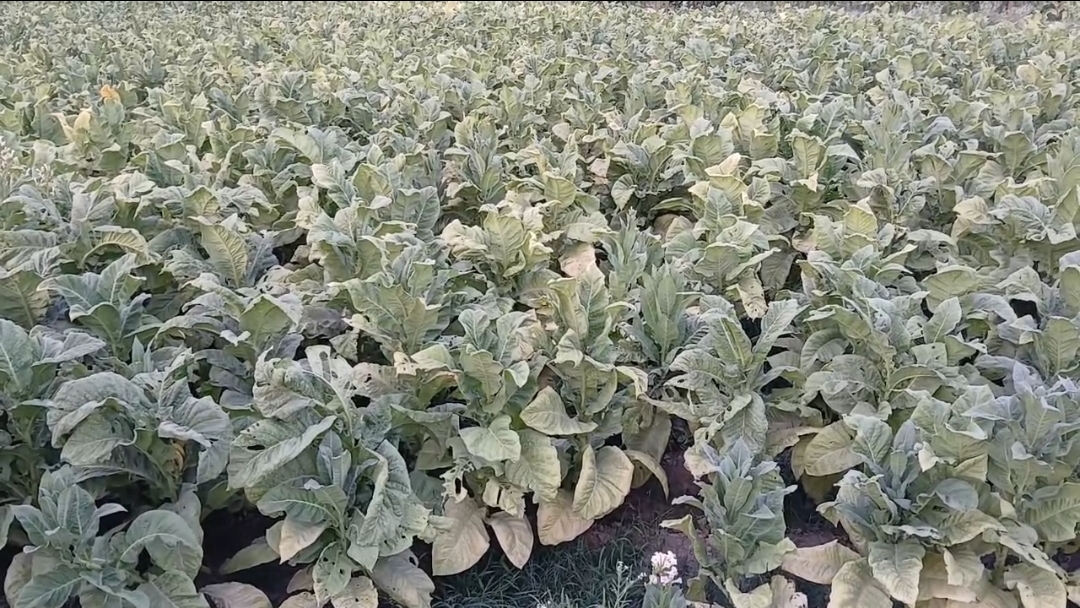
Chairman of the Tobacco Action Committee Khyber Pakhtunkhwa, Irshad Khan, told TNN that millions of people across nine districts of the province depend on tobacco cultivation, trade, and related industries for their livelihoods. He said the new taxes introduced in the recent federal budget had placed severe financial pressure on local farmers and small industries.
Irshad Khan further alleged that the current tax regime favors multinational companies while local growers and manufacturers are struggling to survive. He warned that if the situation continues, many small businesses may shut down, resulting in increased unemployment.
He claimed that the tobacco sector contributes more than Rs3 billion annually to the national exchequer but continues to face strict regulatory actions and enforcement measures that are hurting business activities.
The Tobacco Action Committee has urged the government to grant tobacco the status of a regular agricultural crop, similar to wheat, sugarcane, and cotton, so that growers can benefit from legal and policy protections available to other agricultural sectors. The committee also reiterated its demand for the withdrawal of the Rs390-per-kilogram FED and export tax, along with a separate tax structure for local and small-scale industries.
The committee warned that if the government fails to address its demands, the protest movement will be expanded further. TNN attempted to obtain the federal government's position on the matter, but no official response had been received by the time the report was filed.
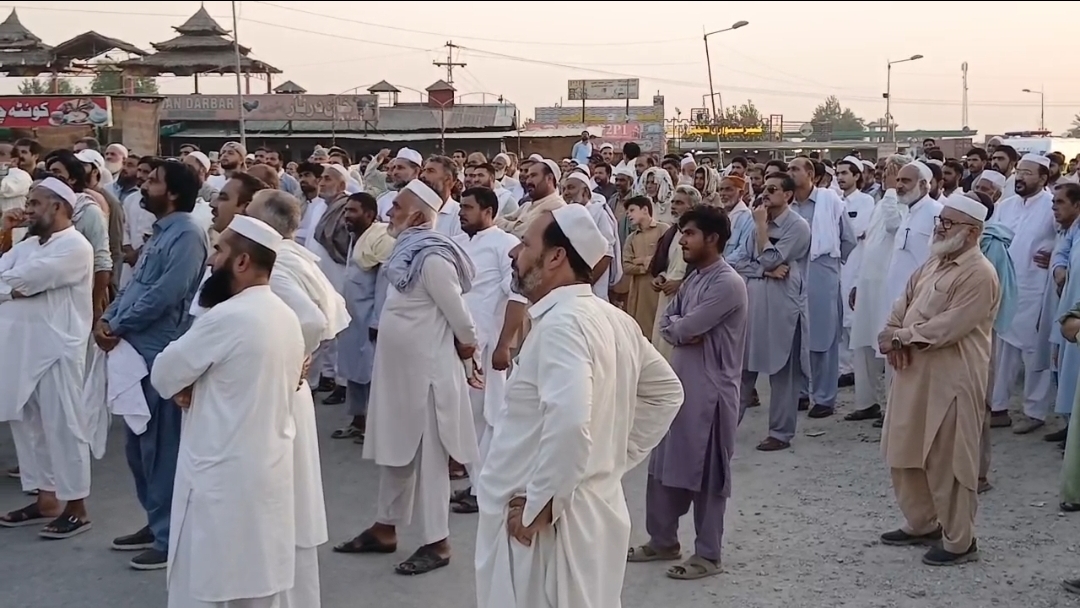
The ongoing protest movement includes tobacco growers, local manufacturers, dealers, and exporters from tobacco-producing districts including Mardan, Swabi, Charsadda, and Buner. Protesters say the recent tax policies have severely affected the local tobacco industry and placed the livelihoods of thousands of farmers, workers, and others associated with the sector at risk.
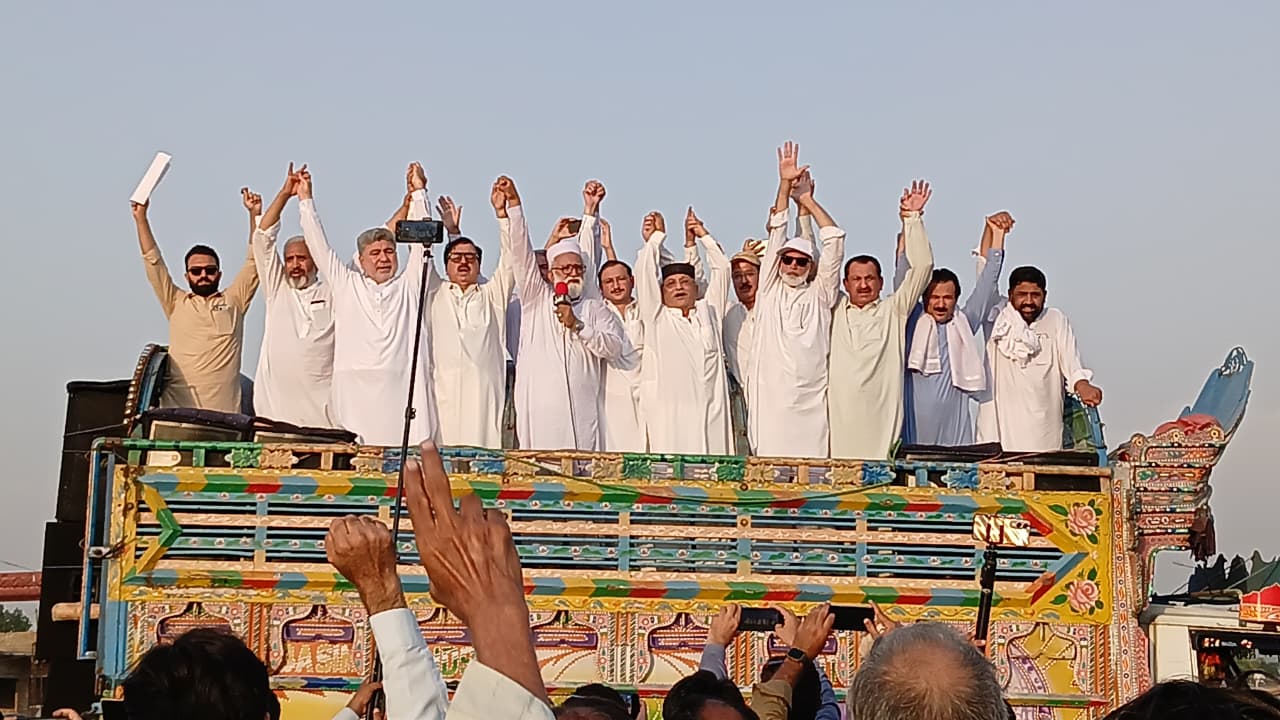
As part of the campaign, protest rallies and demonstrations are continuing in Swabi district. Recently, an All Parties Conference (APC) was held at Anbar Interchange, where representatives of political parties, farmers' organizations, and industrial groups joined tobacco growers from different districts.
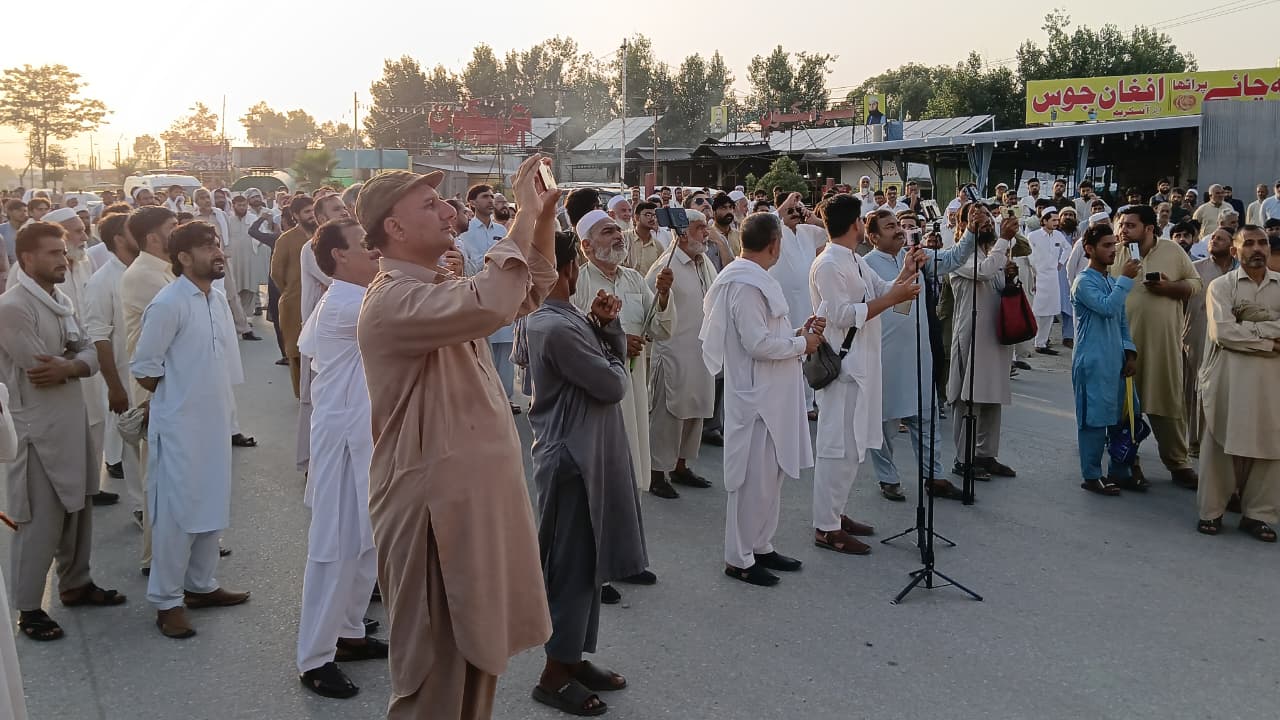
During the protest, the main highway remained closed to traffic for a short period while demonstrators chanted slogans against the government's tobacco policies and the alleged monopoly of multinational companies.
Tobacco production is considered a key part of the local economy in several districts of Khyber Pakhtunkhwa. The protest movement is gaining momentum at a time when growers argue that the government's tax policies threaten their economic future, with the planned July 20 sit-in in Islamabad expected to mark a significant phase of the campaign.

.jpeg)
Comments
No comments yet. Be the first 🙂