


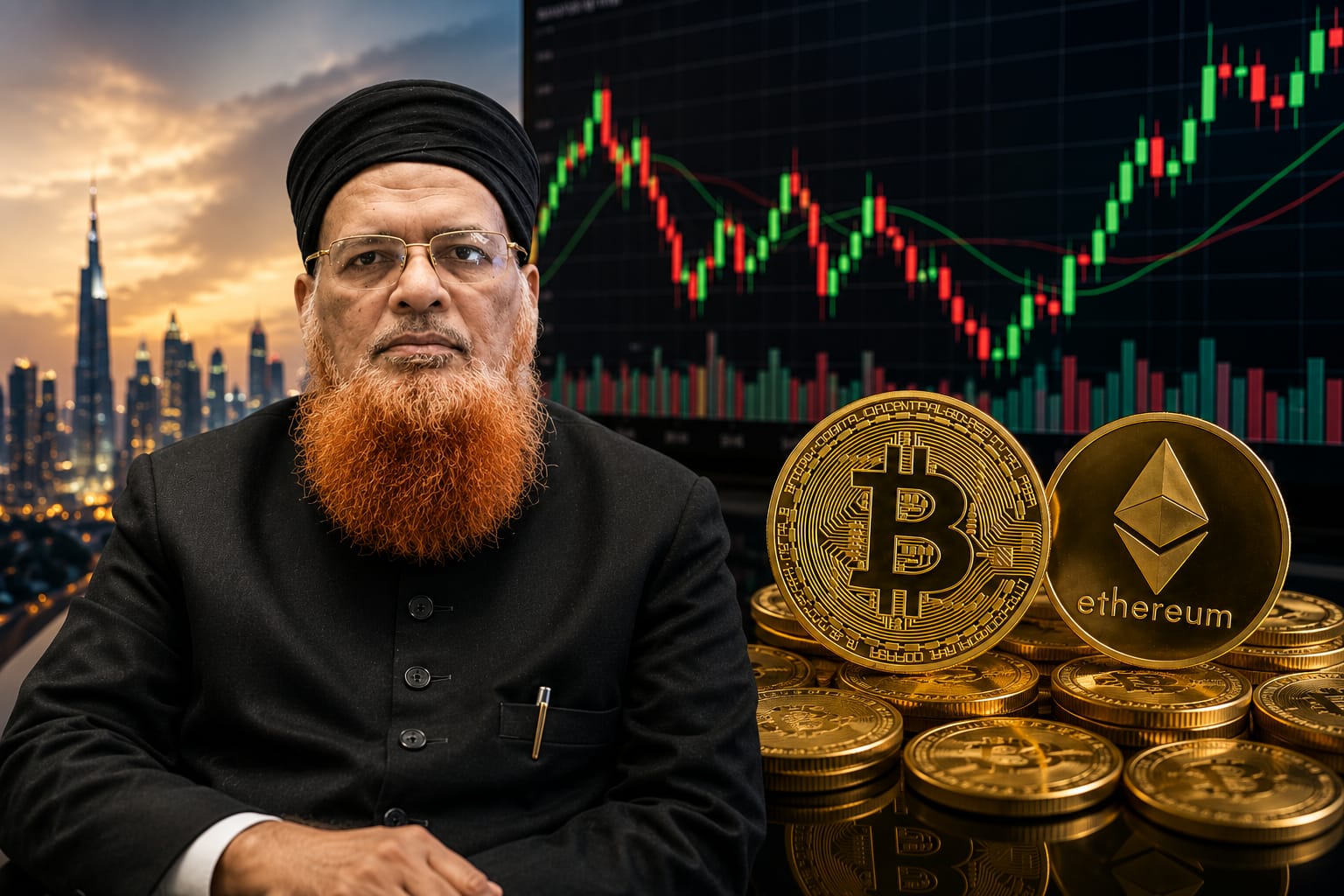
The recent religious opinion regarding cryptocurrency in Pakistan has sparked a nationwide debate. While many people have decided to distance themselves from the sector after prominent religious scholars declared cryptocurrency impermissible (haram), thousands of young people, freelancers, and individuals associated with the digital economy are now facing uncertainty about their future and livelihoods.
At a time when the world is rapidly moving toward digital economies, modern financial systems, and emerging technologies, various stakeholders in Pakistan are expressing concerns over the possible economic and social implications of this development.
According to the religious opinion attributed to Darul Uloom Karachi and the stance of renowned Islamic scholar Mufti Muhammad Taqi Usmani, cryptocurrencies involve several Shariah and financial concerns, including excessive uncertainty, extreme price volatility, the absence of a tangible underlying asset, and other religious considerations. Based on these factors, Muslims have been advised to avoid cryptocurrency. The ruling states that cryptocurrency does not meet the Islamic definition of wealth or property (maal).

Following this religious opinion, concerns have particularly grown among young people who, over the past few years, have come to rely on cryptocurrency and other online income streams as an important source of financial stability.
“Young people need alternatives”
Commenting on the challenges facing youth and the need for alternative opportunities, journalist and entrepreneur Haris Khan Yousafzai from Swat said that employment opportunities in Pakistan are already extremely limited, and online businesses have become a ray of hope for young people.
"Government jobs in Pakistan are already scarce, which is why many young people turned to online businesses and cryptocurrency," he said.

“Now that it has been declared impermissible, and since we live in an Islamic country, it is natural that Muslims would prefer to earn through halal means. However, the biggest challenge is where young people will find employment if they also leave this source of income. Rising inflation, unemployment, and limited business opportunities have already made life difficult for the youth.”
Yousafzai added that industrial activity in Swat is almost non-existent, leaving very few employment opportunities. As a result, many young people either seek jobs abroad or have, over the past five years, increasingly relied on cryptocurrency and various online platforms for income.
Also Read : Plundering Paradise: How Illegal Mining Is Destroying the Swat River
“Many young people have achieved financial stability through this sector. I myself have been earning through cryptocurrency for the past year. If this avenue also disappears, conditions—particularly for the youth of Swat—will become even more difficult.”
He further noted that many leading Pakistani business figures have invested in Bitcoin, while globally several major companies and investors have also entered the sector.
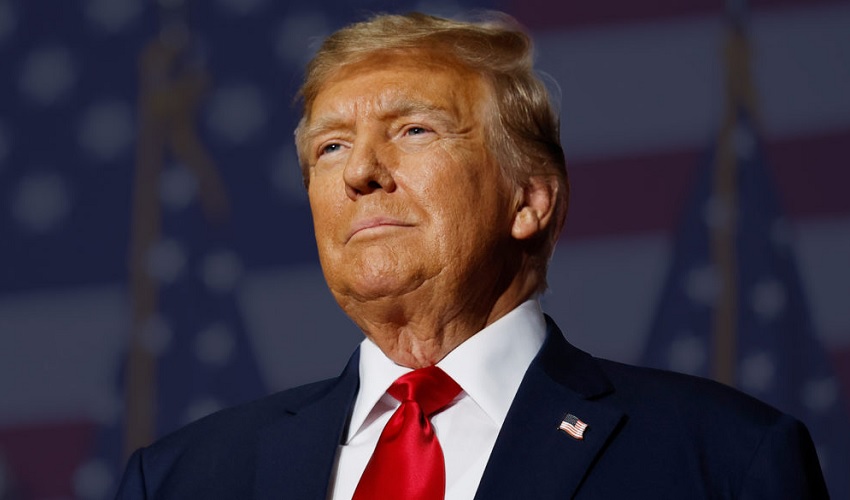
“US President Donald Trump also introduced his own digital coin, attracting investors. Around the world, people are earning through different online platforms. But if Pakistan imposes restrictions or tighter controls on this sector, young people will be affected the most because they have very few alternative sources of income.”
At the same time, he stressed that because Pakistan is an Islamic country, adherence to Islamic teachings should remain a priority.
“However, it is also the government's responsibility to create alternative employment opportunities for young people. The government should promote new avenues of online business, encourage global companies to establish operations in Pakistan, and create jobs in emerging sectors such as artificial intelligence, software development, e-commerce, and other technology-driven industries. This would enable young Pakistanis to work with international markets and earn a dignified livelihood.”
Economists call for policy support and skills development:
Economists believe that although the religious opinion may initially create anxiety among those associated with cryptocurrency, its impact can be reduced through sound government policies and by helping young people transition toward modern skills and technology-based careers.

Dr. Naveed Ali, Assistant Professor of Economics at the University of Swat, a gold medalist and economist, said that in a religious society like Pakistan, the opinions of respected Islamic scholars significantly influence people's financial decisions.
"In Pakistan, religious opinions often shape economic behavior. If young people withdraw from cryptocurrency because of this ruling, they may face short-term uncertainty—especially those whose primary income came from cryptocurrency trading or related services," he said.
However, Dr. Naveed Ali emphasized that a distinction must be made between cryptocurrency trading and working on blockchain or Web3 technologies, suggesting that while trading may be subject to religious debate, the broader technology ecosystem offers legitimate opportunities for innovation, employment, and economic development.
Many young Pakistanis provide services to international companies through blockchain development, smart contracts, cybersecurity, and software engineering. Global demand for these technical skills remains strong. Therefore, if appropriate guidance and alternative opportunities are provided, young people can continue to utilize their expertise in lawful and sustainable sectors.
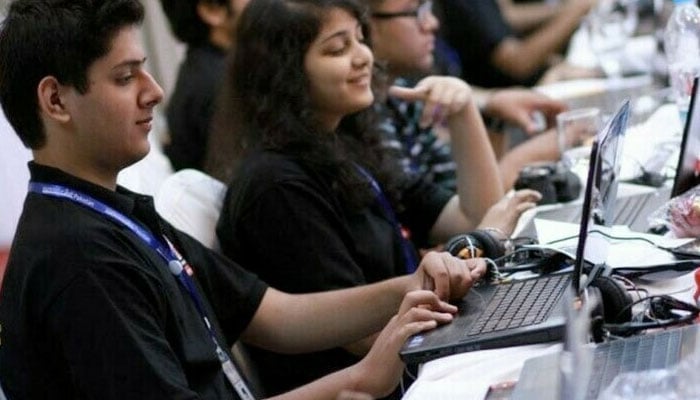
Dr. Naveed Ali believes that if a large number of young people leave the cryptocurrency sector, the consequences will extend beyond employment and could also affect Pakistan's economy and foreign exchange earnings.
According to him:
"If a significant number of young people exit this sector, there could be short-term impacts on employment and foreign exchange inflows, particularly for those who were receiving payments from international organizations or clients, or exporting blockchain-related services.
However, if these young professionals redirect their skills toward fields such as artificial intelligence, cloud computing, cybersecurity, data analytics, financial technology (FinTech), and conventional software development, the long-term economic impact can be minimized. The real asset is not the crypto market itself, but the digital skills possessed by young people."

He added that the world is rapidly moving toward a digital economy, and Pakistan must also create alternative opportunities that align with modern technological demands.
Dr. Naveed Ali said:
"Pakistan should focus on building a digital economy that is modern, legally compliant, and, wherever possible, consistent with Islamic principles. To achieve this, the government, universities, and the private sector should work together to invest in artificial intelligence, non-financial applications of blockchain, cybersecurity, cloud computing, digital payment systems, Islamic financial technology (Islamic FinTech), software exports, IT freelancing, and digital entrepreneurship. This would enable young Pakistanis to remain active participants in the global digital economy while also contributing to the country's economic growth."
According to Dr. Naveed Ali, the most urgent need at present is a clear government policy and an effective regulatory framework so that young people can move beyond the current uncertainty.
Recommendations for the government:
Presenting his recommendations, Dr. Naveed Ali stressed that it is essential to strike a balance between religious guidance, economic stability, and technological progress.
He said:
"The government should establish a joint advisory forum comprising Islamic scholars, the State Bank of Pakistan, the Securities and Exchange Commission of Pakistan (SECP), the Ministry of Information Technology, economists, and technology experts.
A clear legal and regulatory framework should be developed for digital assets, blockchain, and financial technology. Training programmes should be launched to help young people transition from cryptocurrency trading to high-value IT skills such as artificial intelligence, cybersecurity, and software exports.
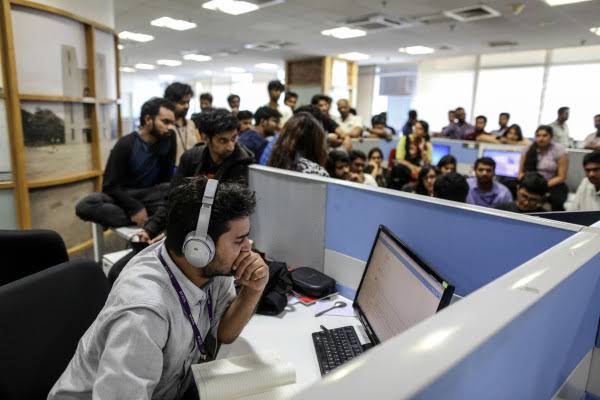
With the support of Islamic financial institutions, digital financial models that comply with Shariah principles should be developed. At the same time, financial literacy should be promoted so that investment decisions are based on research, legal compliance, and a sound understanding of risks. Determining Shariah rulings is the responsibility of qualified religious scholars and Islamic institutions, while economic policy should focus on creating opportunities that protect young people's skills, expand employment, and enable Pakistan's economy to adapt to global digital transformation."
A differing religious opinion:
Meanwhile, Maulana Muhammad Bashir Farooq Qadri, Chairman of Saylani Welfare International Trust in Karachi, said that cryptocurrency is permissible (halal) and noted that a religious ruling supporting this view had been issued 13 months ago.
He said that the fatwa had also been forwarded to the Council of Islamic Ideology, the State Bank of Pakistan, and the relevant ministry, adding that Saylani supports the state's policy regarding cryptocurrency.
Conclusion
The latest religious opinion on cryptocurrency has once again raised an important question: How can Pakistan strike a balance between the demands of a modern digital economy, employment opportunities for its youth, and compliance with Islamic principles?

.jpg)




Comments
No comments yet. Be the first 🙂