


.jpg)
Swat is a valley blessed with some of nature's finest creations. Snow-capped mountains, lush green forests, flowing waterfalls, fruit-laden orchards, and crystal-clear streams make it one of Pakistan's most breathtaking destinations. These stunning landscapes continue to captivate visitors from across the country and around the world.
At the heart of this valley flows the Swat River, long known for its clear blue waters and its role as the region's defining natural feature. There was a time when the river reflected the sky so perfectly that it resembled a blue sea nestled among the mountains. This beauty has made Swat one of Pakistan's most renowned tourist destinations.
A Valley Rich in History:
Swat has also held historical significance for centuries. During the Buddhist era, it served as an important center of learning, culture, and religious activity. Later, its pleasant climate, scenic landscapes, and pristine rivers attracted travelers from around the world.
Although foreign tourists had been visiting Swat since the early twentieth century, the rise of social media has significantly increased its global popularity. Today, many visitors travel to Swat after seeing its breathtaking landscapes in photos and videos shared online.
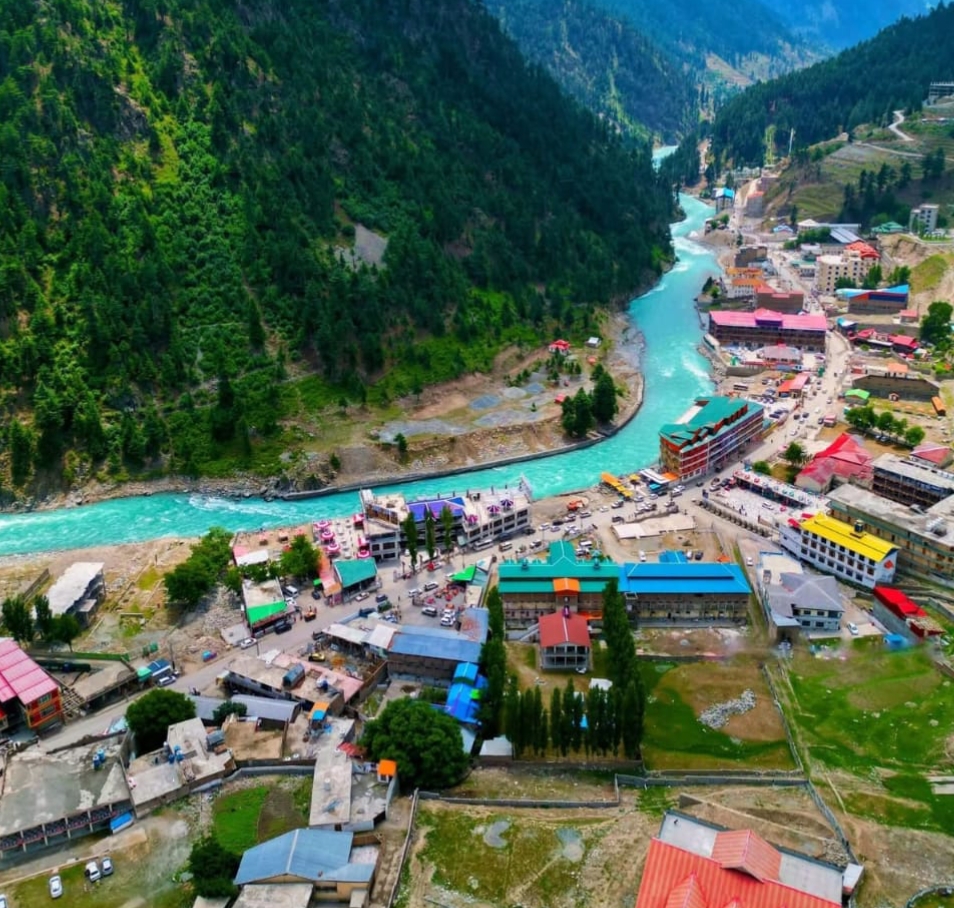
The Swat River: A Lifeline for the Valley
For centuries, the Swat River has been far more than a body of water. It has been central to the valley's culture, agriculture, environment, economy, and tourism. Its banks once featured green fields where children played, families gathered for picnics, birds nested, and fish swam freely in its clear waters. For local communities, the river has always been a source of identity and cherished memories.
However, over the past two decades, the situation has changed dramatically. Following the restoration of peace after years of militancy, tourism returned to Swat in large numbers. Social media further boosted the valley's popularity, attracting millions of visitors each year. At the same time, some influential groups began treating the river as a commercial resource.
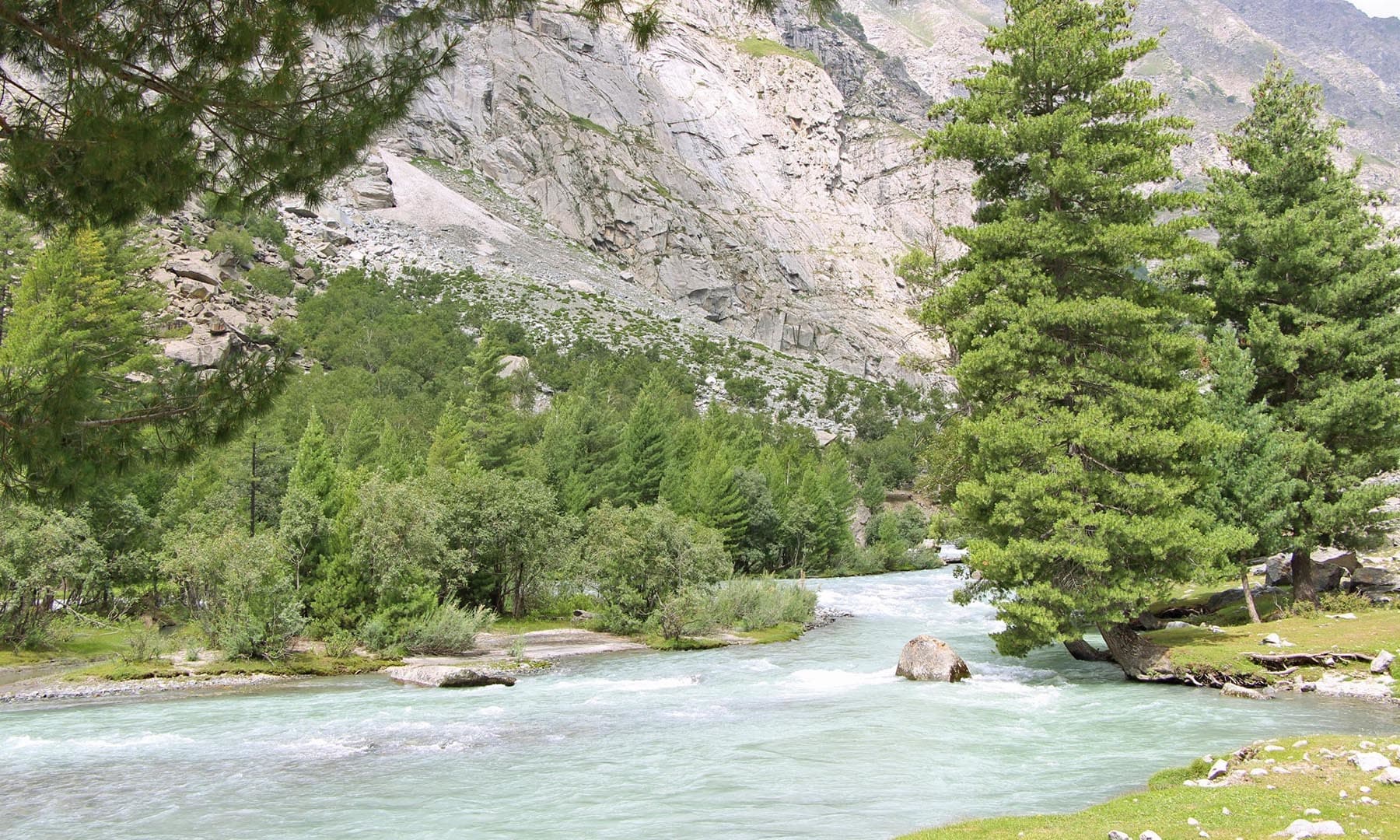
From Traditional Practices to Heavy Machinery:
Local resident Muhammad Bashir recalls that the Swat River once flowed naturally, allowing residents to understand its seasonal patterns. Experienced locals knew where the water ran deep, where it was safe to cross, and how the river behaved during different times of the year.
Also Read : A Buzzing Industry in Danger: Afghan Beekeepers Fear Collapse of Pakistan’s Honey Sector
He explains that after peace returned to Swat, demand for construction materials increased. Influential groups and mining operators began extracting sand, gravel, and stones on a large scale using heavy machinery.
In the past, stones were collected only in limited quantities using horses. Skilled workers carefully removed materials from selected locations without disturbing the river's natural balance. This traditional practice did not create deep pits or damage the riverbanks, nor did it pose risks to residents or tourists.
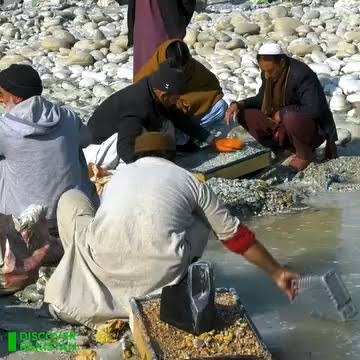
Artificial Pits Increase Drowning Risks:
According to Muhammad Bashir, the river has now been transformed by constant excavation. Heavy machinery digs into the riverbed at multiple locations, creating deep underwater pits and causing severe erosion along the banks.
These pits remain hidden beneath the water, making them particularly dangerous for tourists and even local residents unfamiliar with their locations. People often step into these unexpectedly deep sections, leading to drowning incidents. Bashir says several lives have been lost in recent years due to these artificial pits.
He adds that experienced locals who once understood the river's behavior can no longer accurately judge its flow because heavy excavation has fundamentally altered its natural structure.
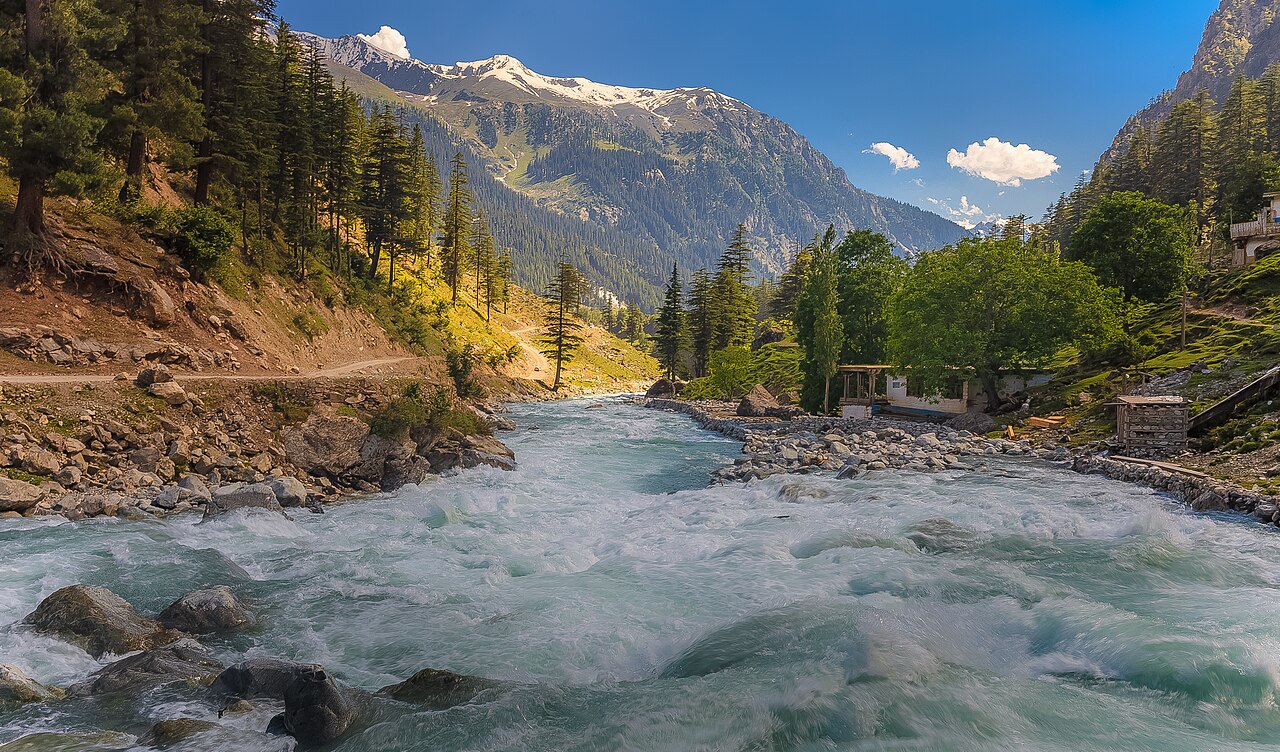
Bashir also claims that much of the mining is carried out by people from outside the area, who transport the extracted material to other cities.
A River Losing Its Natural Beauty:
Columnist Jan Alam Khan says the Swat River was once surrounded by dense trees, open fields, and abundant birdlife, making it a favorite recreational spot for local families.
He notes that traditional stone collection caused little environmental damage because experienced workers extracted only limited amounts. Today, however, rising land values have encouraged people to construct homes, farms, and restaurants within the riverbed itself.
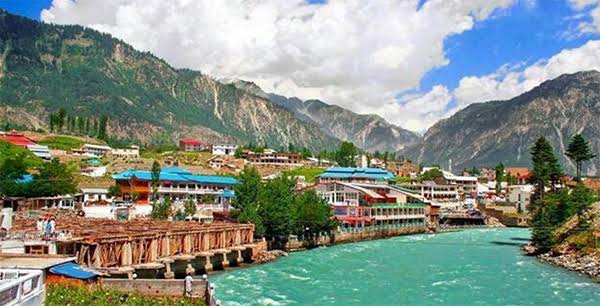
At the same time, heavy machinery has replaced traditional methods, creating deep pits throughout the river and making its flow increasingly dangerous.
According to Khan, the birds, forests, and natural surroundings that once defined the river are gradually disappearing. The river's ecosystem has changed so dramatically that even longtime residents can no longer predict its behavior. Because of the growing dangers, authorities have imposed restrictions on entering and swimming in parts of the river.
Environmental Experts Warn of Severe Ecological Damage:
Dr. Sanaullah, Assistant Professor in the Department of Environmental Sciences at the University of Swat, warns that extracting stones and gravel from rivers has serious environmental consequences.
He explains that species such as trout, mahseer, and carp lay their eggs between clean river stones, where oxygen levels are suitable for reproduction. Removing these stones destroys their natural breeding grounds.
Without rocky shelter, young fish become easy prey for larger predators. Flattening the riverbed also raises water temperatures and reduces oxygen levels. Fine sediment released during excavation covers fish eggs and aquatic insects, disrupting the entire food chain.
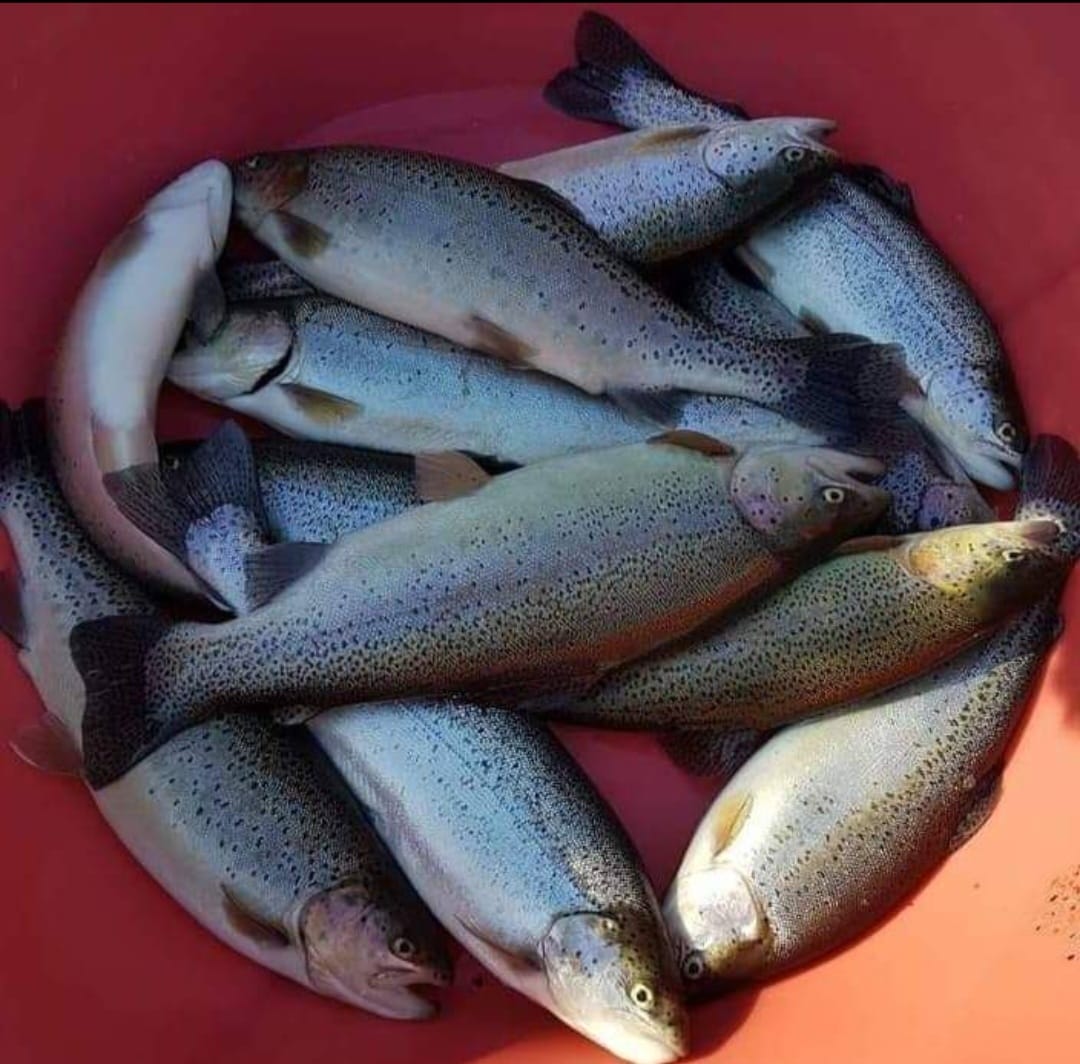
Dr. Sanaullah adds that river stones naturally slow water flow. When they are removed, currents become stronger, accelerating bank erosion, damaging farmland, and increasing flood risks.
What the Law Says:
According to Muhammad Ali Khan, Royalty Inspector at the Khyber Pakhtunkhwa Minerals Department, anyone extracting stones from rivers must obtain a valid license. Unauthorized mining is illegal.
He says inspection teams regularly monitor river areas and conduct operations with police support whenever illegal activities are reported. However, many operators work under the cover of darkness, making enforcement difficult.
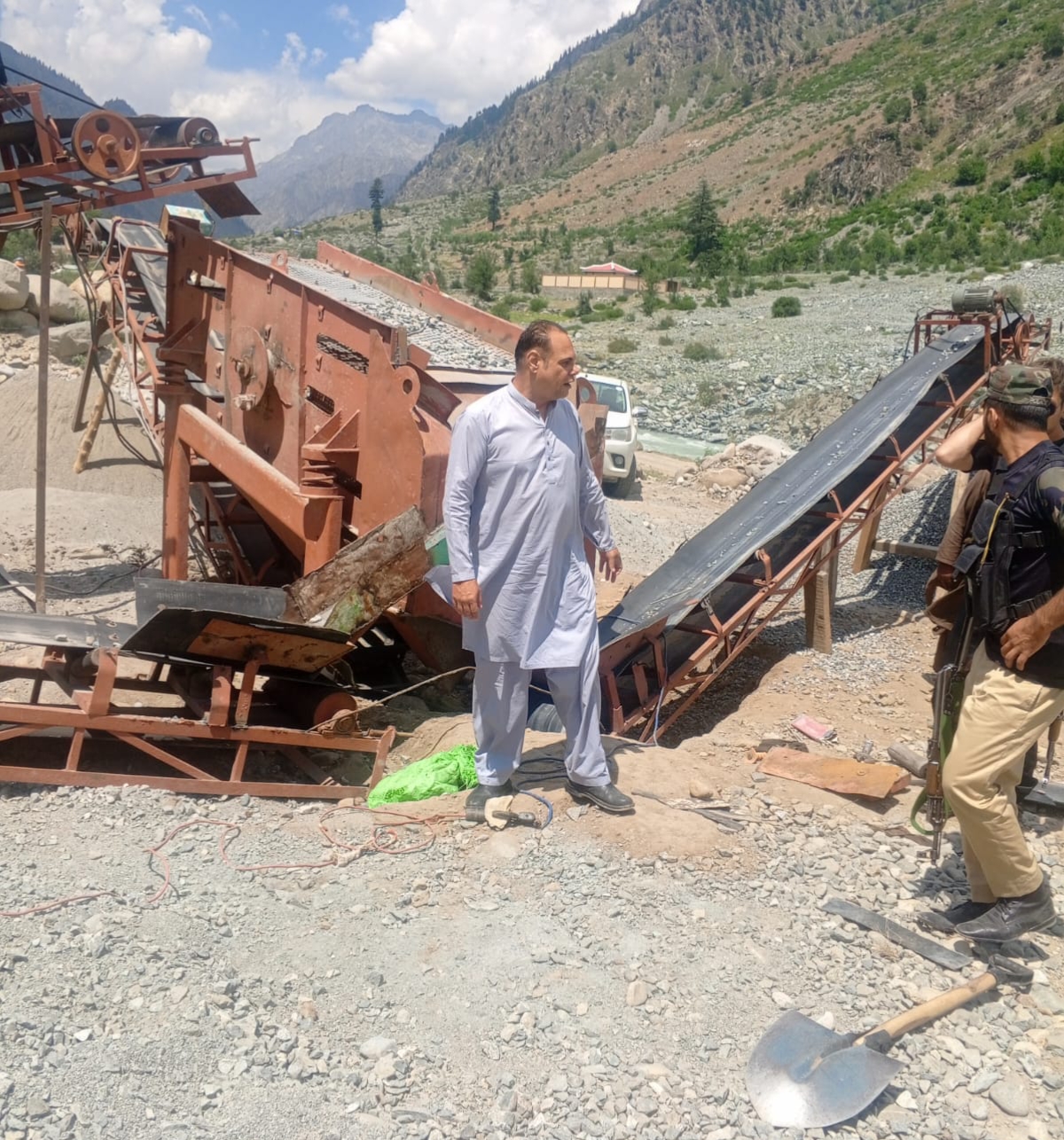
Under the Khyber Pakhtunkhwa Mines and Minerals Act 2017, illegal mining is punishable by imprisonment ranging from six months to five years and fines between PKR 500,000 and PKR 2 million. Authorities may also cancel mining licenses, blacklist repeat offenders, and require mined areas to be restored to their original condition.
More Than Just a River:
The Swat River is not simply a flowing stream of water. It is a living ecosystem that connects forests, wildlife, fisheries, agriculture, tourism, and local communities. Unregulated extraction of stones and gravel does more than hollow out the riverbed—it threatens the valley's entire ecological balance.
Swat's natural beauty can only be preserved if its river is protected in its original state. Because a river is more than water—it is life.

.jpeg)
.png)
1.jpeg)



Comments
No comments yet. Be the first 🙂