


Every year on May 20, the world observes World Bee Day to highlight the vital role these tiny creatures play in maintaining environmental balance, food security, and agricultural development.
However, in Pakistan this year, the day is being marked under the shadow of a serious economic and administrative crisis that could pose severe threats to the country’s honey industry, worth billions of rupees.
Government decisions regarding the repatriation of Afghan refugees and strict restrictions on movement have pushed Afghan beekeepers — who have spent decades building this industry through hard work and dedication — into a dead end. As a result, Pakistan’s honey export industry is also facing uncertainty.
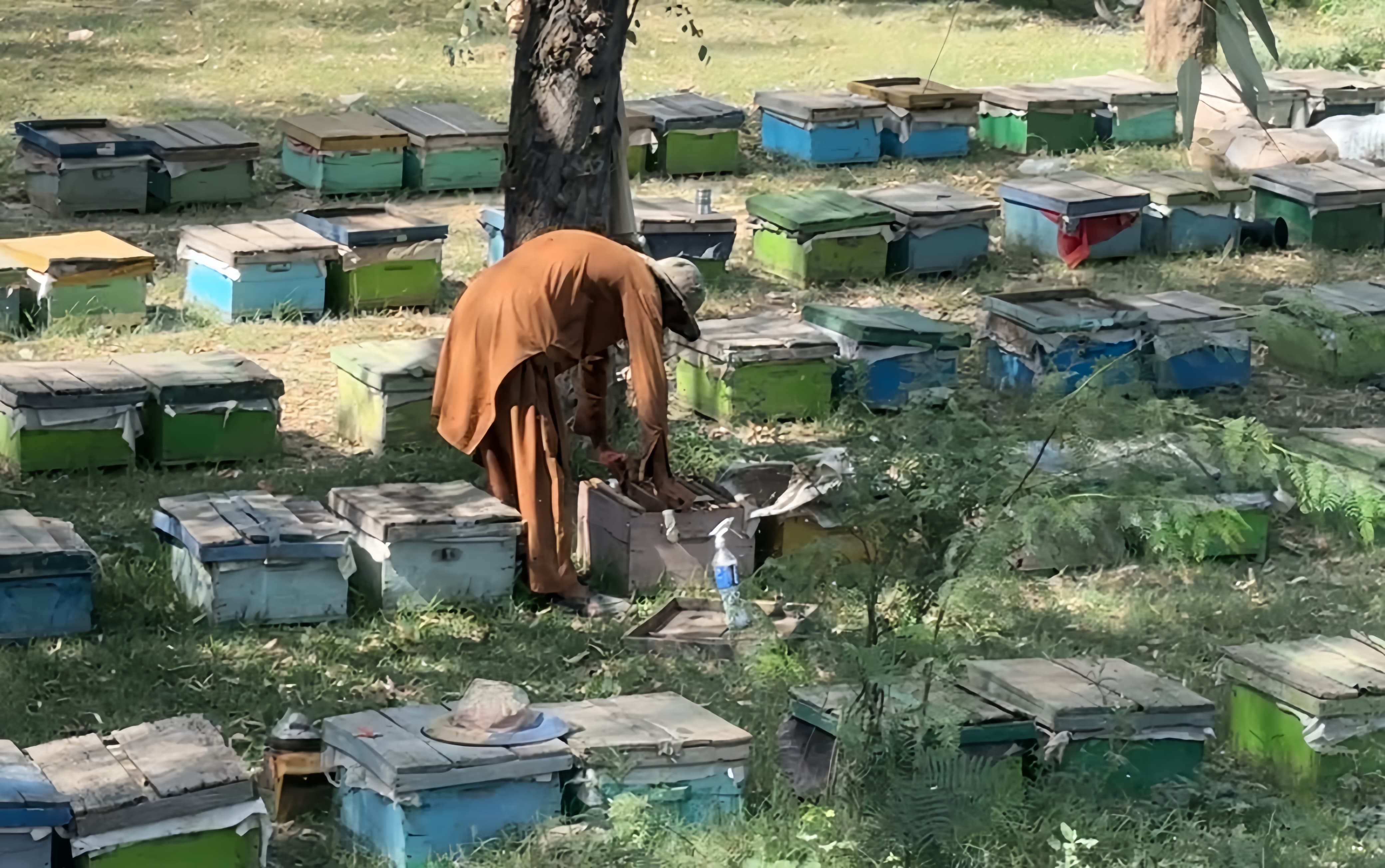
The stories of Afghan families associated with this business are deeply painful. Forty-year-old Mohammad Agha, originally from Afghanistan, who has been involved in beekeeping across different parts of Pakistan for the past four decades, expressed deep concern over the current situation. He said that more than 1,000 of his bee boxes are currently stranded in Mianwali.
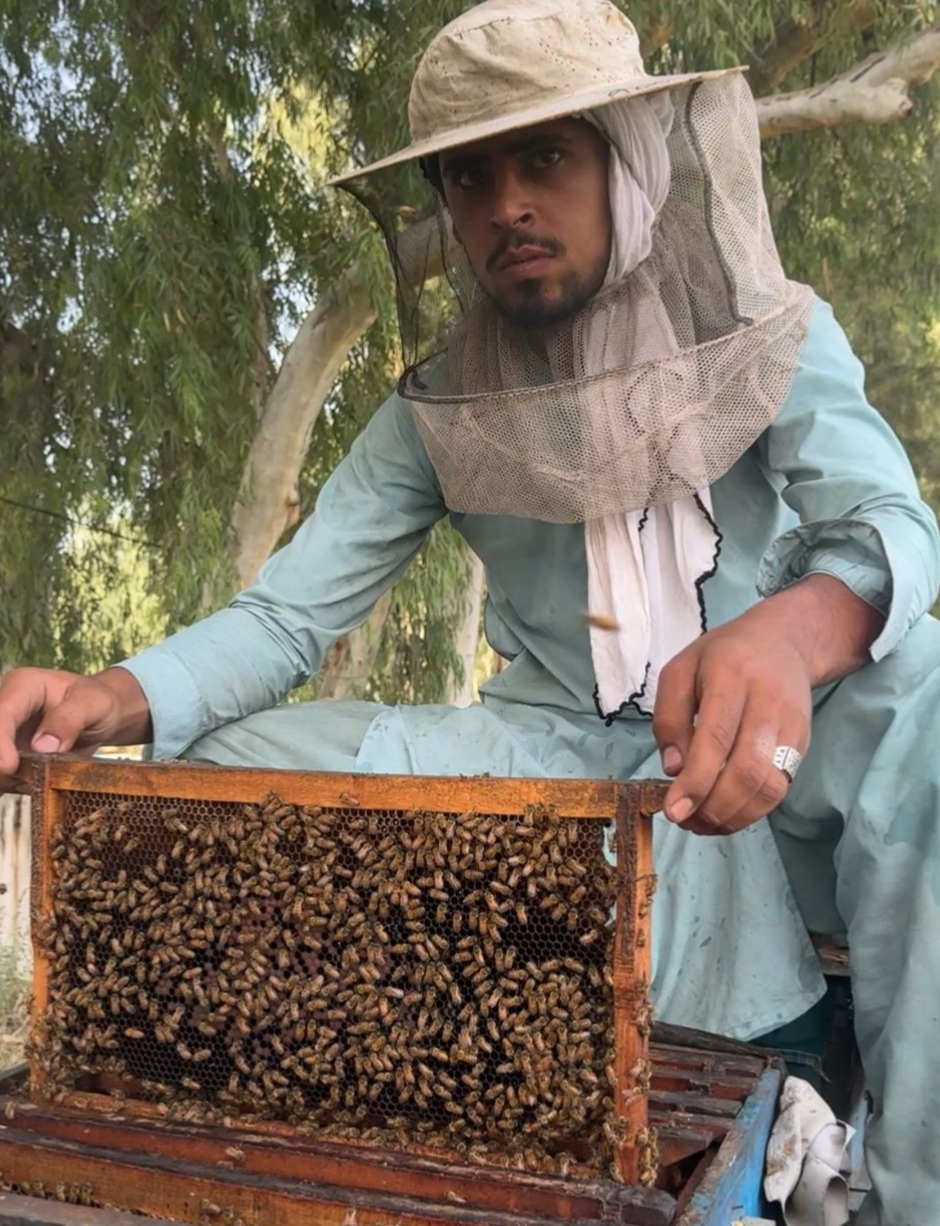
According to him, the authorities are neither allowing him to continue his business as usual nor permitting him to transport the bee boxes to Afghanistan. Mohammad Agha says this uncertainty has placed his lifetime savings at serious risk.
Also Read : Three Students Suspended Following Incident Involving Female Lecturer at Islamia College
He further explained that due to fear of arrest and deportation, many Afghan beekeepers are being forced to sell their bee boxes at massive losses. A box worth 8,000 rupees is being sold for just 2,000 rupees because if the boxes are not properly managed in time, the bees inside will die and the entire investment will be lost.
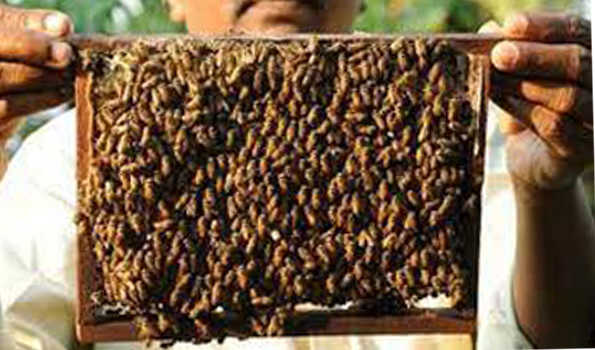
A similar sense of economic distress was expressed by Shakeel, a young beekeeper from Afghanistan’s Paktika province, whose family has been associated with this profession in Pakistan for the past 30 years. According to Shakeel, their farm, consisting of 800 bee boxes, is the family’s only source of income.
He said they are willing to endure every hardship rather than abandoning the bees helplessly. According to him, the constant fear of police raids and arrests has forced them to go into hiding and leave their farms behind.
Shakeel says they are not demanding financial assistance from the government; they are only requesting permission to stay until the end of the berry season or legal authorization to transfer their bee boxes to Afghanistan so they can continue earning a dignified livelihood back home.
Highlighting the economic realities of the industry, Sher Zaman Mohmand, President of the All Pakistan Beekeepers Exporters and Honey Traders Association, described the current government policy as a major blow to the national economy.
According to him, since 1979, Afghan beekeepers have contributed nearly 60% toward making Pakistan self-sufficient in honey production and helping the country access international markets.
He stated that Pakistan exports approximately 4.5 million kilograms of high-quality honey annually to Saudi Arabia, the United Arab Emirates, and Central Asian countries.
According to him, if these skilled Afghan beekeepers are forced to leave the country, India and China could replace Pakistan in the global market because there is currently not enough trained local manpower to manage the beekeeping system on such a large scale.
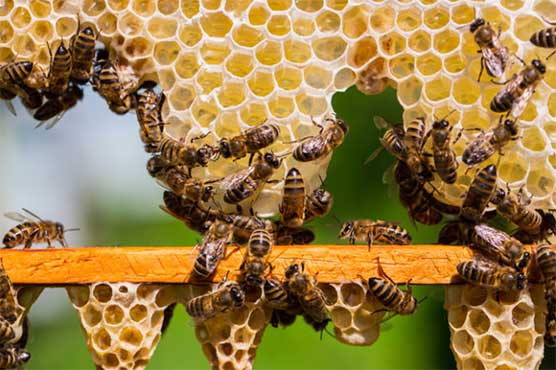
Discussing the possible consequences of the crisis, Sher Zaman Mohmand said the impact would not be limited to honey exports alone, but would also affect Pakistan’s agriculture sector. According to him, bees play a fundamental role in pollination, naturally increasing the production of various crops by up to 30%.
He further said that meetings have been held with senior officials of the Ministry of Industries to provide legal protection to Afghan beekeepers in light of this sensitive situation.
According to him, all stakeholders associated with the industry unanimously demand either temporary permission for Afghan beekeepers to stay until the end of the current season or immediate modern beekeeping training programs for local people in every district so that Pakistan can save this valuable industry from destruction and major economic losses.
.jpeg)
.png)
1.jpeg)



Comments
No comments yet. Be the first 🙂