


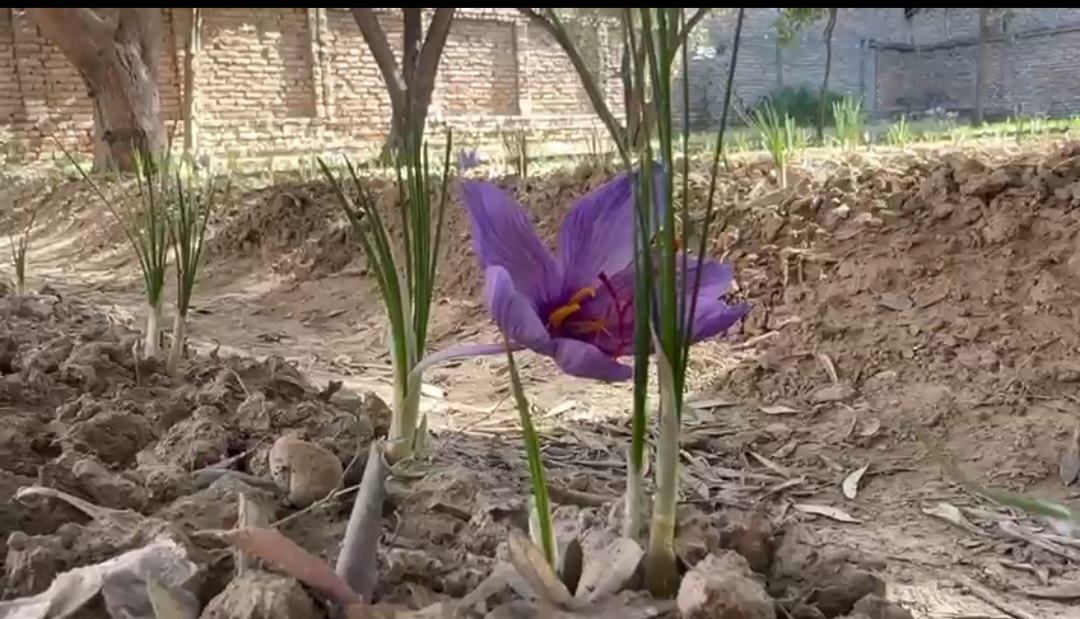
Saffron cultivation in Swat has recently gained significant attention, where it is being seen as an alternative and profitable crop in the context of climate change.
According to local farmers, after traditional crop yields were affected, interest in saffron cultivation has clearly increased.
Saffron is a valuable and aromatic crop obtained in the form of delicate red threads. It is widely used around the world due to its unique aroma, color, and flavor. It is used in food, sweets, milk, herbal drinks, beauty products, and certain medicines as well.
According to medical expert Dr. Tahira, saffron helps increase physical energy, reduce mental stress, and improve memory. She also says it supports skin improvement and enhances complexion.
Farmers in Swat are now turning towards alternative crops due to changing weather patterns and declining yields. In this situation, saffron has emerged as a strong hope.
Also Read : The disappearing taste of Swat: Why Begumai rice is fading away
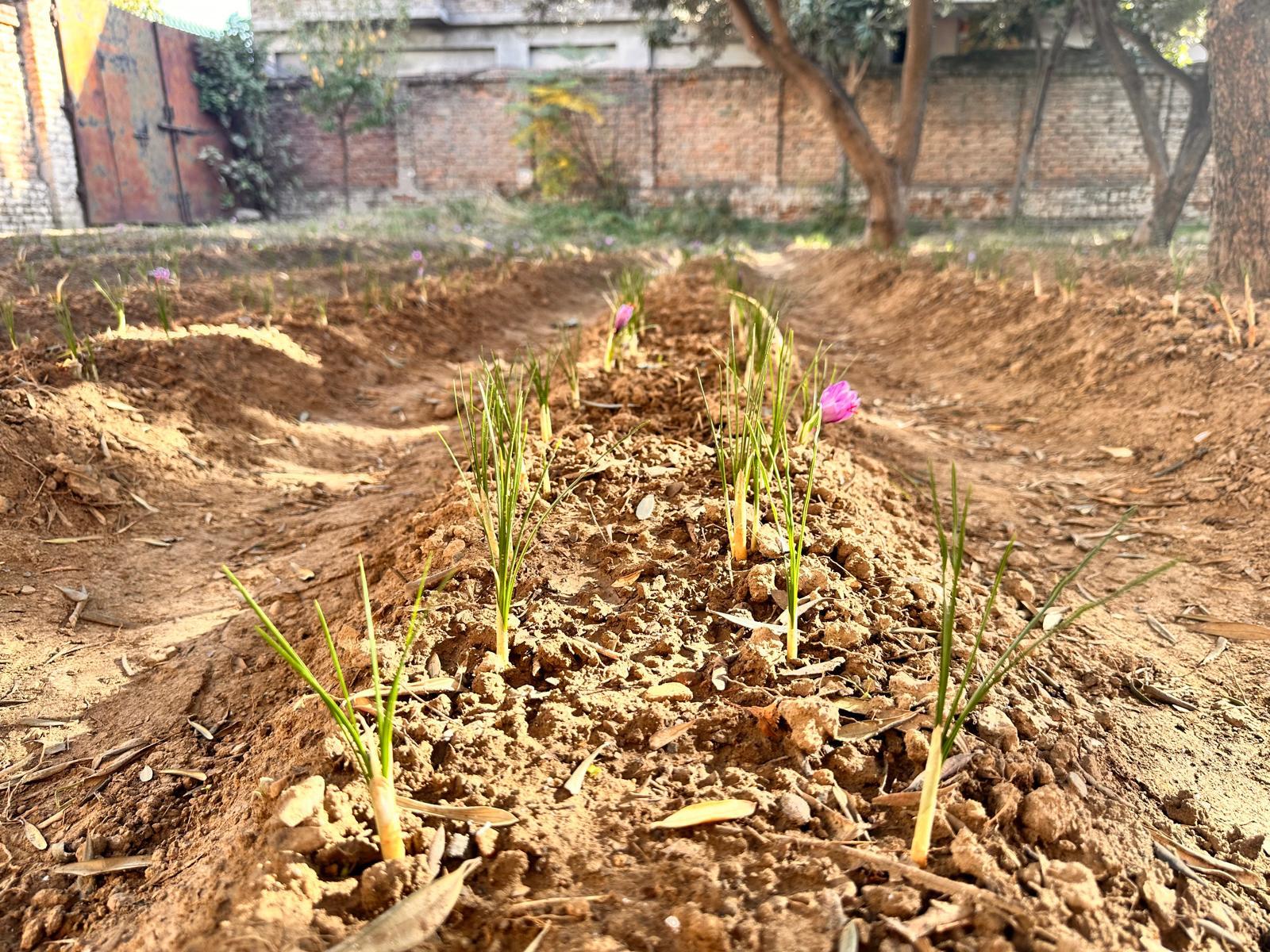
According to farmer Qaiser Ali from Bar Qila Manglawar, Bishbanr, he started saffron cultivation for the first time in September 2025. He previously cultivated rice and wheat, but due to climate change their production was affected, after which he shifted to saffron.
He says that although the initial cost of saffron cultivation is high, it is a highly profitable crop, which is why it is called “red gold.”
The government is also taking practical steps to promote this crop, under which farmers are being provided with seeds (corms), fertilizers, pesticides, and training.
In this regard, District Director Agriculture (Extension) Swat, Dr. Iftikhar Ahmad, says that the Khyber Pakhtunkhwa government has launched an important project titled “Introduction and Promotion of Saffron in Potential Districts of Khyber Pakhtunkhwa.”
Under this project, farmers are being provided with free seeds, fertilizers, and agricultural chemicals, while exposure visits and practical training are also being arranged to teach modern cultivation methods.
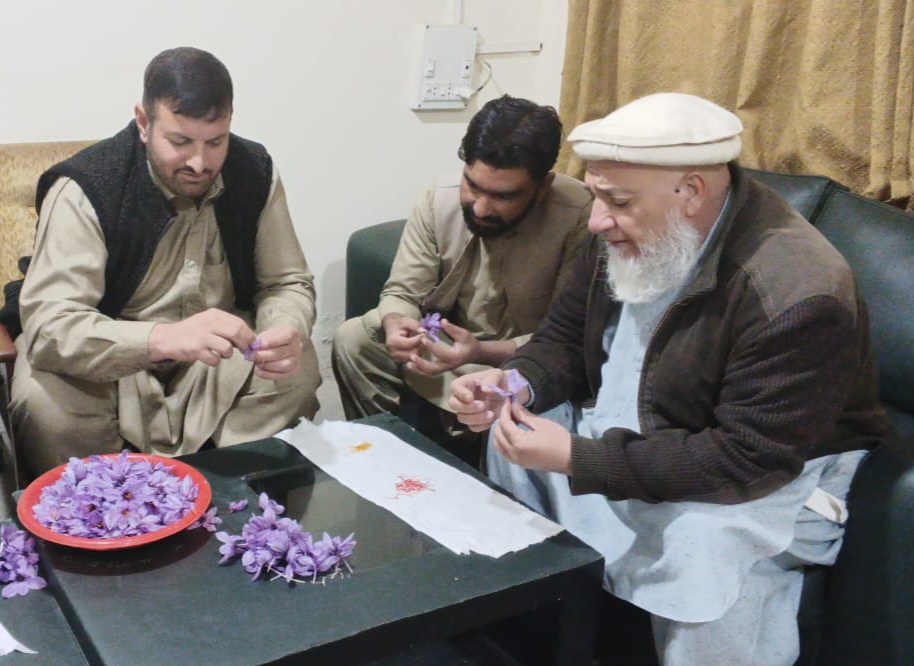
According to Dr. Iftikhar, the training consists of two parts: formal training with classroom lectures, and informal training where agricultural experts visit fields and provide practical guidance.
He adds that Swat’s climate, soil, and cold weather are highly suitable for saffron cultivation. Areas located above 3,500 feet altitude are especially suitable for this crop. However, excessive rainfall, standing water, and high temperatures are harmful for it.
The government has also introduced a support policy under which land in Swat affected by climate change—where traditional crops are no longer performing well—is being utilized for saffron cultivation.
He further explains that the true quality of saffron is identified by its unique aroma and characteristics. When placed in boiling water, it does not release color immediately; instead, it gradually releases a deep red color after two or three immersions, not a yellowish tone.
Regarding the market, he says that demand for saffron in Pakistan is still limited, while major international markets include Spain, Iran, the United States, China, and Japan. In Pakistan, its price ranges approximately from 400,000 to 1,500,000 rupees per kilogram.
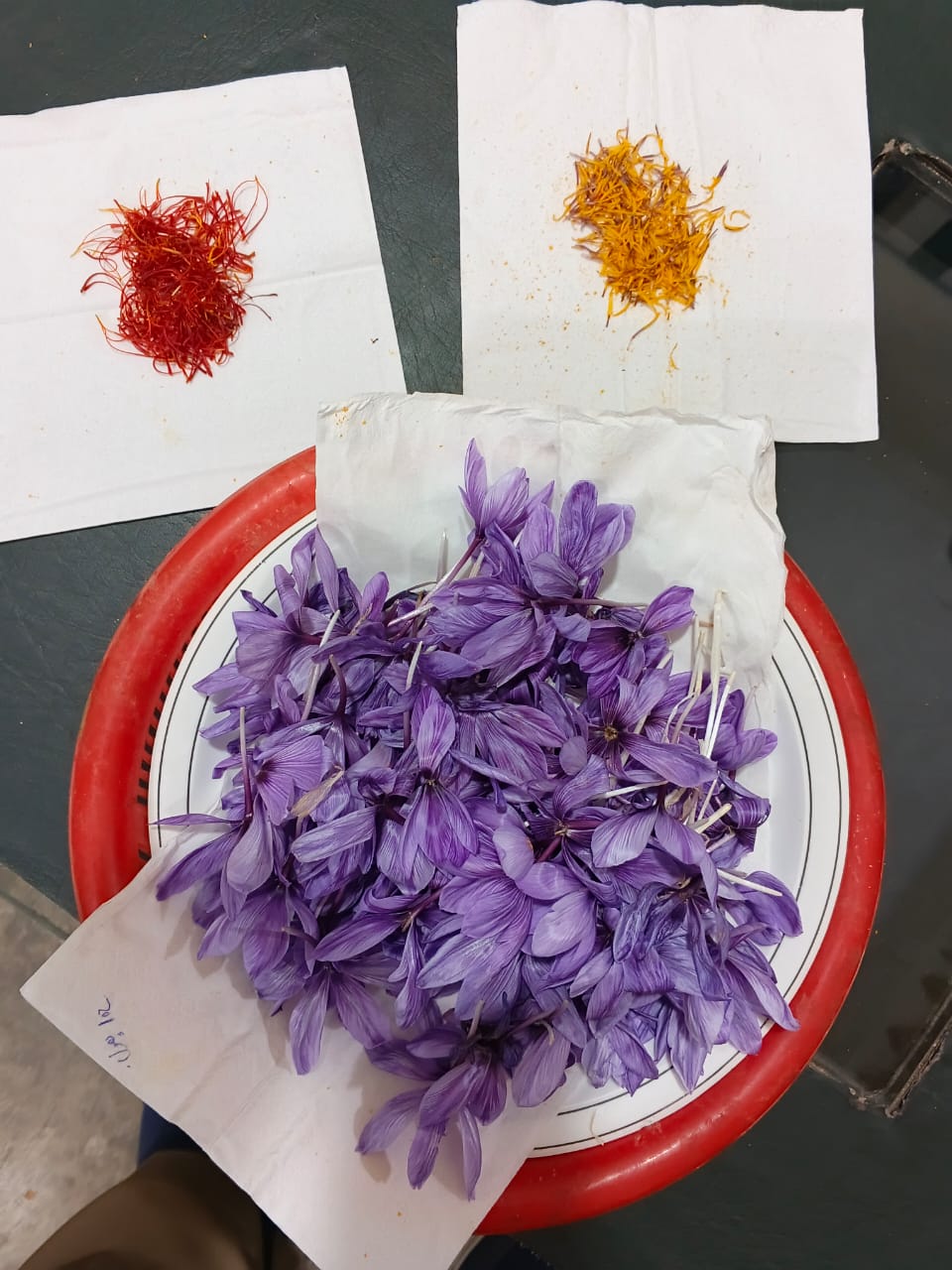
He further explains that saffron’s price depends on its quality and the quantity of chemical compounds such as crocin and safranal, which are tested in laboratories. The higher their concentration, the higher the price.
According to him, people locally prefer imported saffron because it is produced using modern technology and better methods abroad. However, efforts are ongoing to train local farmers in modern scientific techniques.
He added that September and October are the most suitable months for saffron cultivation, while it is difficult to grow in other months.
He also stressed that the crop must be protected from standing water, as it affects production, and irrigation should be limited and done at intervals.
Dr. Iftikhar Ahmad said that recently, 325 grams of saffron from Swat was exported to the United States, where it received a positive response. Different American companies appreciated its quality and flavor and expressed interest in future trade agreements. However, efforts are being made to further increase local production to meet demand on time.
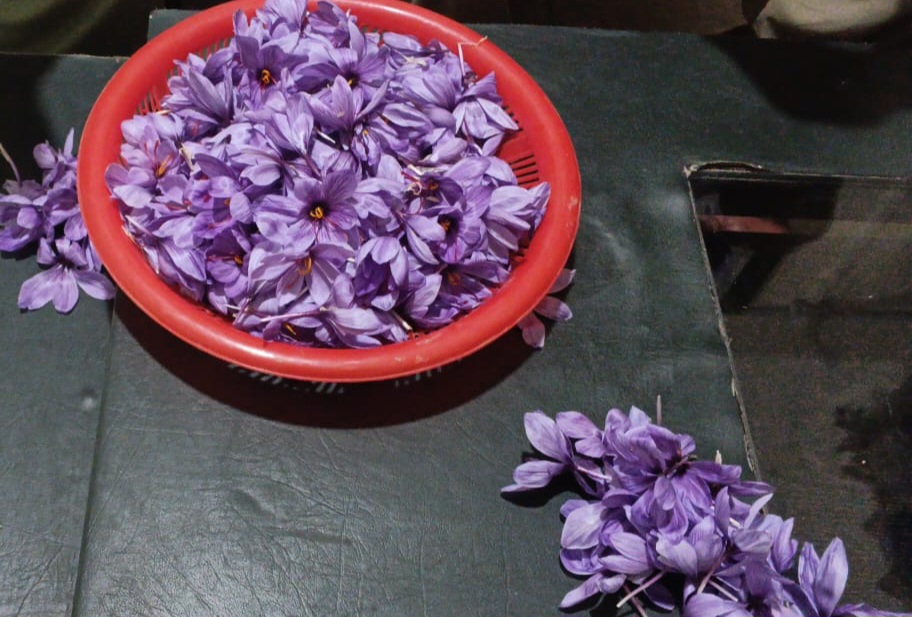
According to local farmers, if modern agricultural methods are adopted and continuous training is provided, saffron can become not just a crop but an economic revolution.
It is important to note that due to climate change, traditional crops in Swat are being affected, and saffron is emerging as an alternative and sustainable solution.
Government initiatives and farmers’ interest indicate that in the coming years, this crop can play an important role in the region’s economy.
.jpeg)
.jpeg)




Comments
No comments yet. Be the first 🙂