


.jpg)
By : Ayaz Mandokhil
On July 6, a deadly attack targeting police personnel in Ziarat district, Balochistan, claimed the lives of several officers. Following the incident, the bodies of the fallen policemen were shifted to Quetta, where they were kept at the Trauma Center of Civil Hospital. Later, the victims' families launched a sit-in at Quetta's Coal Depot (Koila Phatak) under the supervision of an All Parties alliance.
The protest brought together the families of the martyrs, leaders and workers of various political parties, lawyers, members of civil society, women, and thousands of people from different districts of Balochistan.
The demonstrators presented several demands to the government, including the establishment of a judicial commission to investigate the Ziarat attack, effective measures to eliminate terrorism, insecurity, and illegal armed groups, the restoration and strengthening of the Levies Force, a review of the distribution of powers among law enforcement agencies, and the protection of the legitimate rights of the martyred Ziarat police personnel.
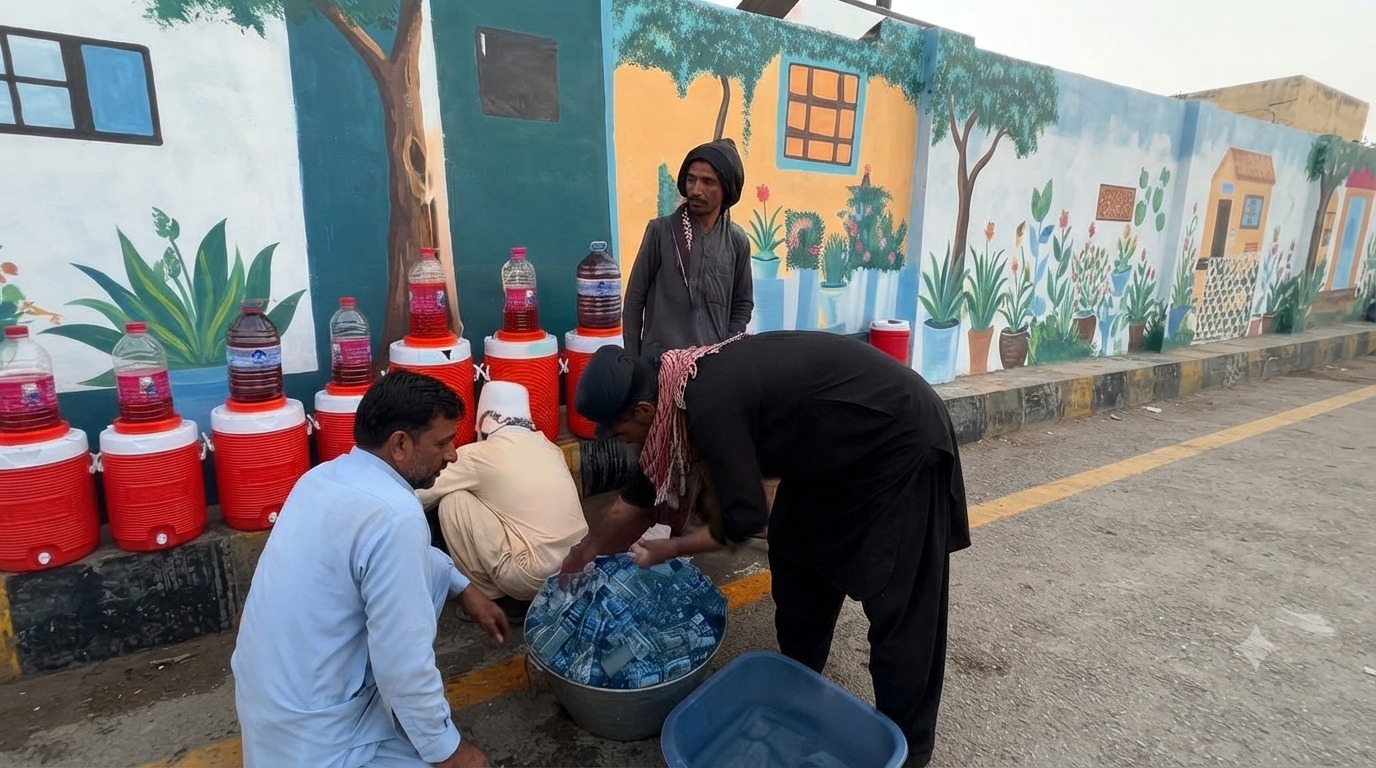
While news coverage largely focused on the protesters' demands, government negotiations, and political developments, another story quietly unfolded in the background—one of humanity, compassion, and collective service. Though it received little attention, its significance was no less remarkable.
Many participants had traveled from remote areas of Balochistan, making accommodation, food, bedding, and other basic necessities a major challenge. At this difficult time, the people of Quetta stepped forward on their own initiative, doing everything they could to support the protesters.
Also Read : Major terror plot foiled in South Waziristan as CTD eliminates wanted militant
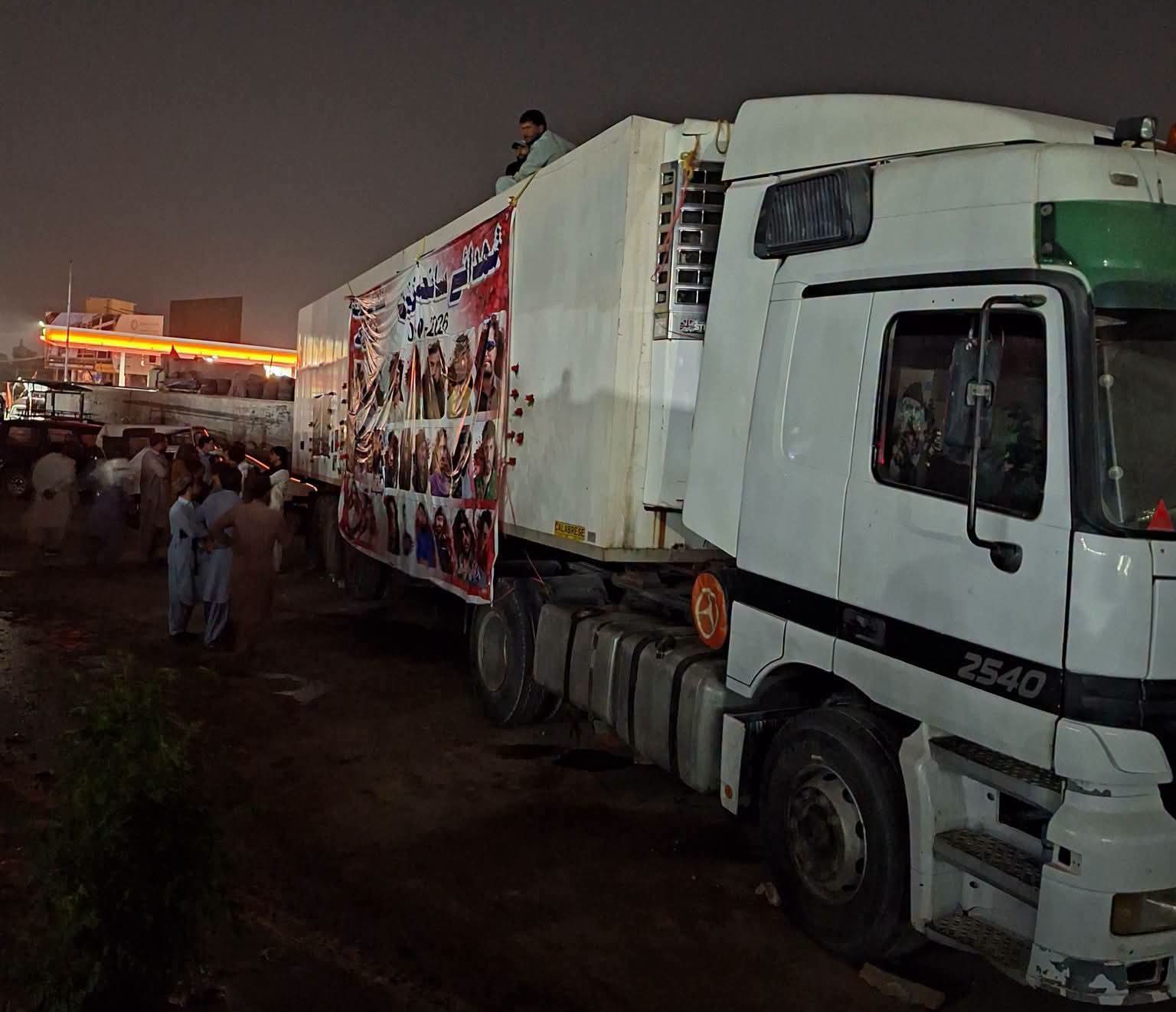
According to members of the sit-in committee and those associated with the protest container, local businessman Haji Sadu Khan Bianzai provided his air-conditioned container free of charge to preserve the bodies of the martyrs. They said the container remained dedicated to this purpose until the sit-in ended.
Those responsible for maintaining the container said it required approximately 100 liters of diesel every day to remain operational. Despite this significant expense, no rent or payment was charged for its use.
The sit-in committee stated that only one Easypaisa account was officially designated for financial contributions to ensure transparency. The public was requested to donate only through that account, and no other collection points or fundraising campaigns were authorized.
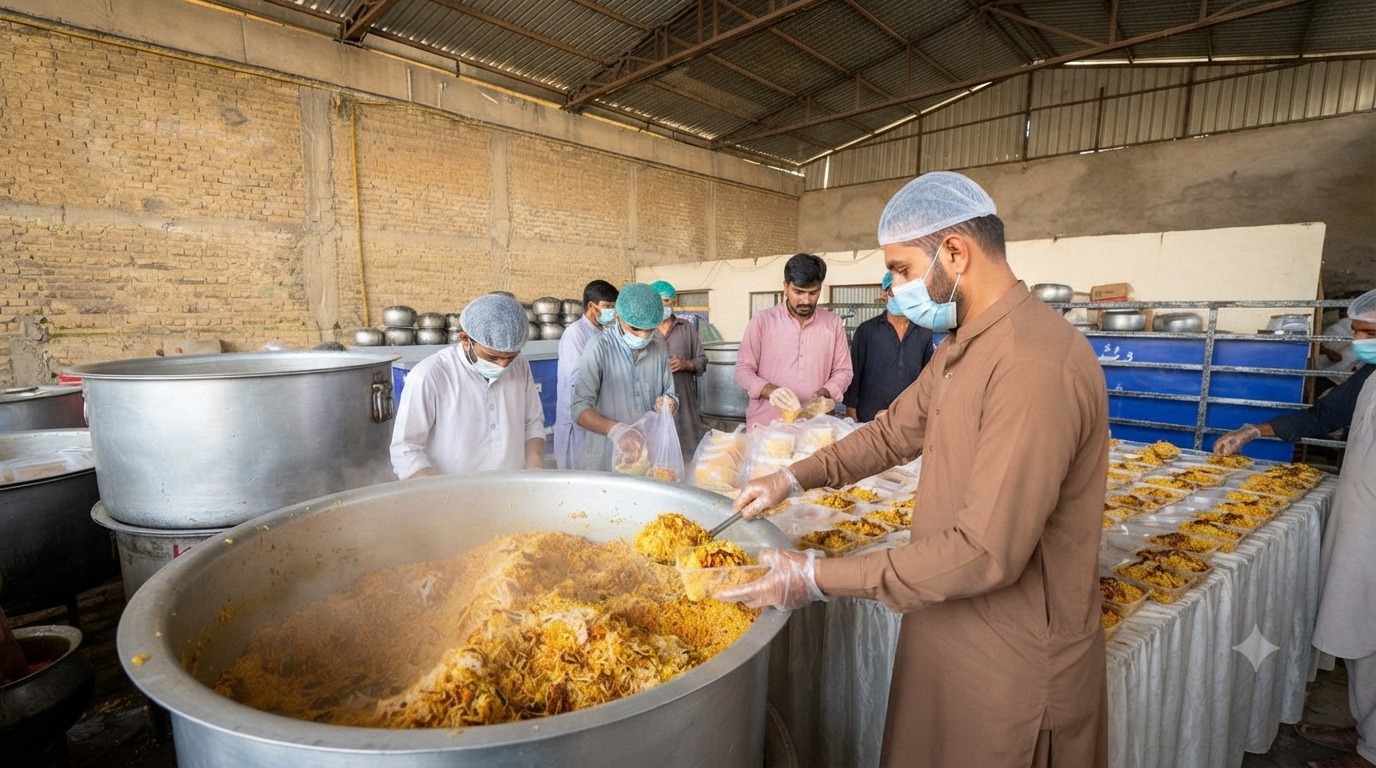
Meanwhile, Quetta's youth also set an inspiring example of public service. Through self-organized fundraising, they arranged daily meals for thousands of participants. Volunteers worked around the clock distributing food, supplying drinking water, and managing other essential services.
This spirit of service extended beyond the youth. Residents from different parts of the city arrived in their vehicles carrying drinking water, juice, soft drinks, biryani, tea, biscuits, and other necessities for the protesters. Some donated medicines for those in need, while many women contributed financially according to their means.
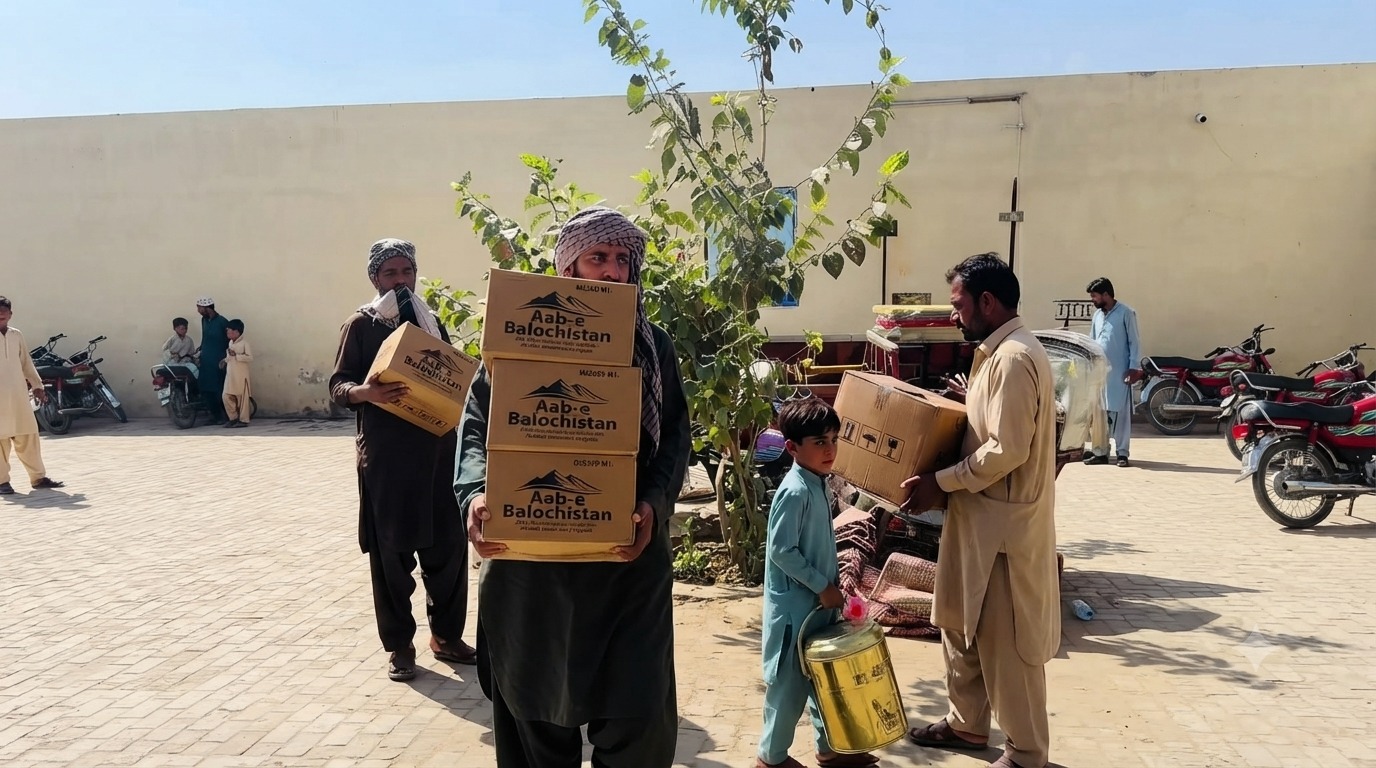
As nighttime approached and the need for bedding increased, several local shopkeepers also supported the volunteers by providing blankets, sheets, and other essential items at discounted prices, which were later distributed among the protesters.
None of these efforts were part of any formal institutional plan. Rather, they reflected the collective conscience, sense of responsibility, and humanitarian spirit of ordinary citizens, traders, young people, women, and volunteers.
These acts demonstrated that the true strength of a society in times of crisis lies not only in its resources but also in its willingness to stand together, share one another's burdens, and fulfill collective responsibilities.
The story of the Ziarat martyrs' sit-in is therefore not just the story of a protest movement. It is also a powerful example of compassion, social unity, and mutual support. During this period of grief and hardship, people from all walks of life stood by one another, proving that collective solidarity is among the greatest strengths a community can possess in times of crisis.
The unnamed benefactors, volunteers, young people, women, and traders of Quetta serve as a reminder that a society's resilience depends not only on institutions but also on the mutual trust, civic responsibility, and spirit of service of its people.
Perhaps this quiet generosity, selfless cooperation, and shared humanity will remain the most dignified, enduring, and memorable legacy of the Ziarat martyrs' sit-in.
.jpg)

Comments
No comments yet. Be the first 🙂