


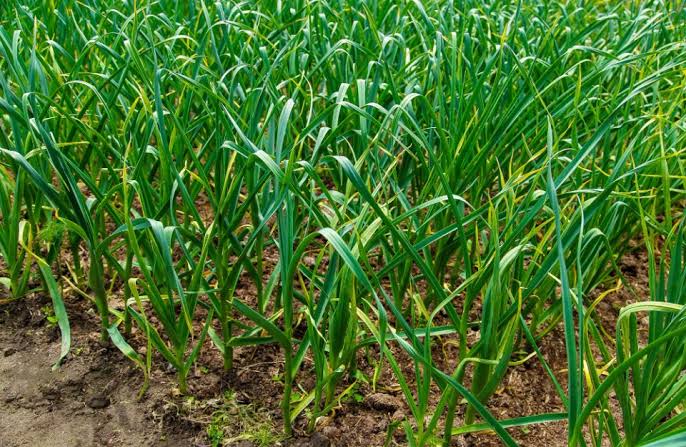
Pakistan cultivates garlic over an estimated 7,000 to 9,000 hectares annually, yielding around 70,000 to 90,000 metric tons. Punjab leads production, contributing 40% to 50% of the national output. Locally grown garlic is exported to the UAE, Qatar, Afghanistan, and other Gulf countries, generating an estimated $10 to $15 million in annual revenue.
In South Waziristan, a region covering 6,620 square kilometers with only 198 square kilometers of arable land, agriculture remains the backbone of the economy. In recent years, farmers in areas such as Makin, Tiarza, and Sarwakai have begun experimenting with garlic cultivation, and early results appear promising.
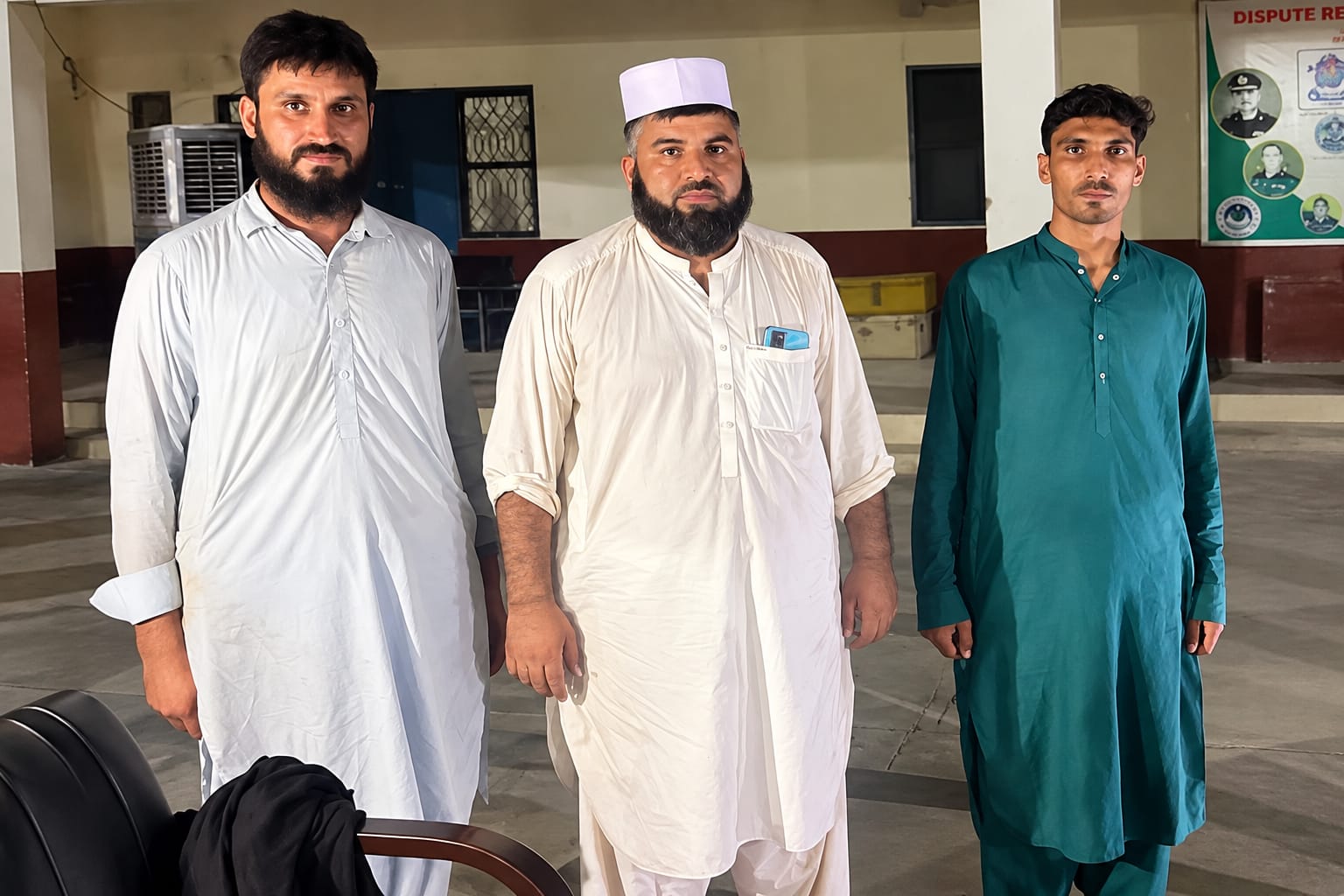
Local youth Jamal Malyar shared his experience of growing garlic in Barwand Tor Ragzai on less than one kanal of land. Using 70 kilograms of seed, he produced a harvest of around 350 kilograms.
Similarly, Yaseen Malik from Mole Khan Sarai Diba planted 60 kilograms of seed and harvested nearly 500 kilograms of garlic.
Despite these encouraging outcomes, farmers have expressed frustration over the lack of attention from the government and the agriculture department.
They cite the unavailability of quality seed, fertilizer, and modern training as major barriers to scaling up production. Farmers believe that with proper support and technical guidance, garlic could significantly boost their income and improve the region’s economy.
Dr. Anwar Bhattani, former in-charge of the Agriculture Department in South Waziristan, noted that the department had provided free seed, fertilizer, and training to 15 farmers in the Tuda China area of Makin tehsil. The farmers were given the G1 garlic variety, which showed excellent results. Encouraged by the outcome, local growers are now cultivating garlic alongside other crops.
Elder Haji Noor Badshah emphasized that Waziristan’s land is well-suited for garlic cultivation. He stressed that with training to mitigate climate impacts and improve yields, garlic farming could not only raise local income but also create employment opportunities for the youth.
The success of garlic cultivation has sparked hopes of an agricultural shift in South Waziristan, but for that hope to translate into sustainable progress, the region needs consistent government support and a coordinated policy framework that allows farmers to fully benefit from this high-potential crop.
.jpeg)
.jpeg)


Comments
No comments yet. Be the first 🙂