


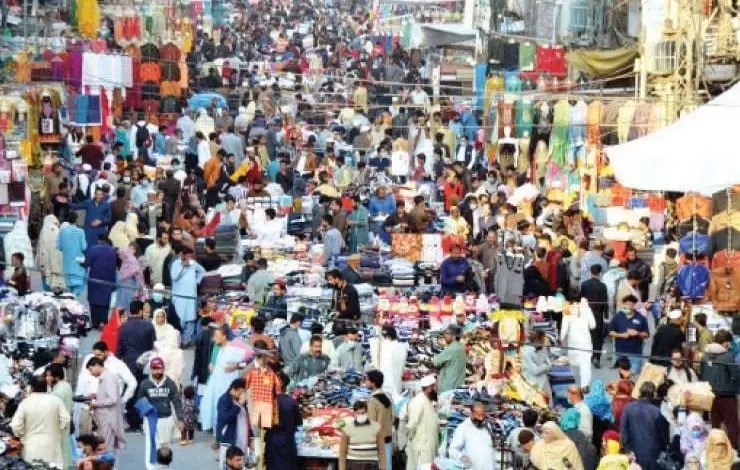
A recent public opinion survey conducted jointly by Gallup Pakistan and Global Pakistan has revealed deep public dissatisfaction with governance, economic conditions, and access to basic services across Khyber Pakhtunkhwa.
The survey was conducted through direct interviews with 3,000 citizens across the province between February and March 2025, with the findings compiled between April and June.
Lack of Basic Facilities
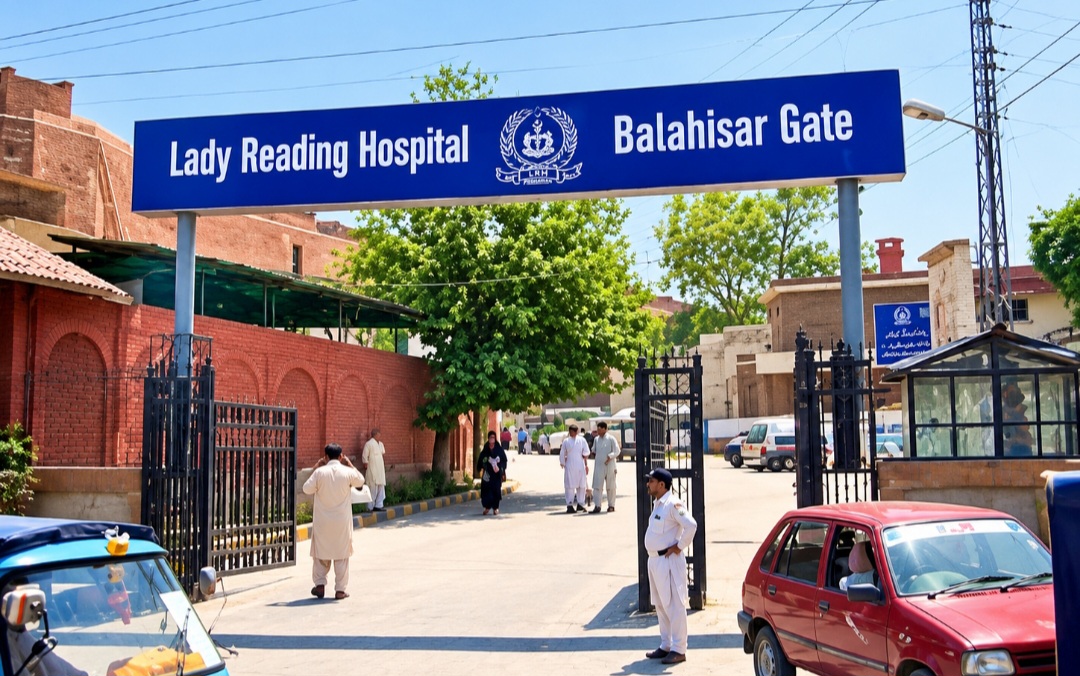
According to the report, only 63% of respondents said they had access to healthcare, with availability being even lower in southern and rural areas.
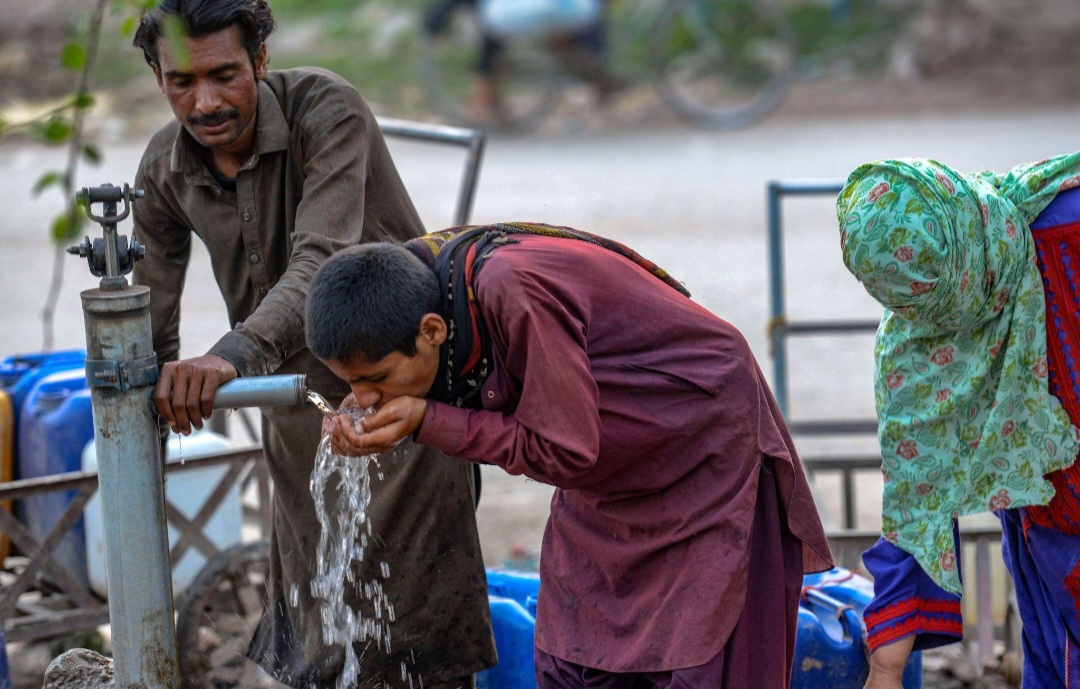
Access to education and clean drinking water was reported by 74% of participants, but stark regional disparities were observed. A significant 66% said they lacked access to natural gas, while 49% complained of electricity outages or poor supply.
Bleak Outlook for Youth Welfare
The situation for youth development is especially concerning. The report notes that 77% of young respondents lacked access to parks, 81% to libraries, and 70% to community centers. Moreover, 73% of young people said that personal connections, not merit, were the key to getting things done.
Also Read: Six Dead, One Injured as Heavy Rains and Lightning Strike Khyber Pakhtunkhwa
Skepticism Over Development Projects
While some improvement in roads and transport infrastructure during PTI’s 13-year rule was acknowledged, progress was perceived to have slowed since 2024. Only 43% acknowledged improvement in road infrastructure, and 37% in transport services.
Notably, 49% of PTI supporters themselves expressed dissatisfaction with the province's development, and 52% of respondents suspected corruption in the disbursement of development funds.
Security, Judiciary, and the Jirga System
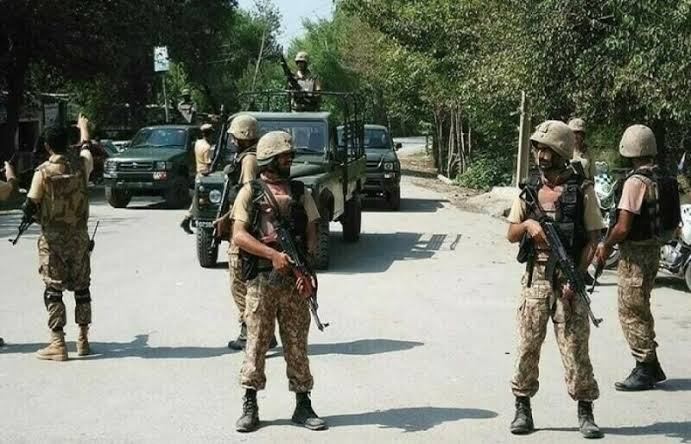
Despite 58% expressing satisfaction with police performance, 57% said they were still worried about terrorism.
Trust in the judiciary remained low, with 70% frustrated by delays in court decisions. In contrast, a large majority — 84% — viewed the traditional jirga system as effective in delivering justice.
Mixed Opinions on Health Card and Federal Relations
The Sehat Card scheme was widely appreciated, with 83% expressing satisfaction. Similarly, 85% favored improved cooperation between the provincial government and the federal center.
However, 60% believed the provincial leadership was wasting time in protest politics rather than focusing on governance.
Public Support for Afghan Repatriation Policy
The decision to repatriate Afghan citizens received overwhelming support, with 85% of respondents expressing satisfaction. Furthermore, 79% believed the move would lead to better law and order, while 48% expected it to positively impact local employment.
Concerns About Social Media Use
The survey revealed strong public concern over social media. About 75% believed it was harmful to society, and 80% supported the idea of stricter content regulation.
Nearly half (47%) said the ban on ‘X’ (formerly Twitter) was justified, and 74% described social media news as unreliable.
Other Key Findings
59% reported rising unemployment.
66% of voters accused their MPAs of breaking promises.
55% rated provincial infrastructure as poor.
Only 21% had access to parks, 15% to libraries, and 30% to community centers.


Comments
No comments yet. Be the first 🙂