


Located in northern Pakistan, the Swat Valley is one of nature’s rare masterpieces, where breathtaking beauty is on full display. Towering snow-capped mountains, lush green valleys, the crystal-clear Swat River, picturesque lakes, dense forests, waterfalls, and pleasant weather give this region a unique identity.
From the snowy slopes of Malam Jabba to Kalam, Ushu, Utror, Gabin Jabba, Bahrain, and Mahodand Lake, every corner of Swat attracts visitors. In spring, the valleys bloom with colorful flowers; in summer, cool breezes provide relief; autumn paints the landscape in shades of gold; and winter blankets the mountains in snow. This year-round charm has earned Swat the title of the “Switzerland of Pakistan.”
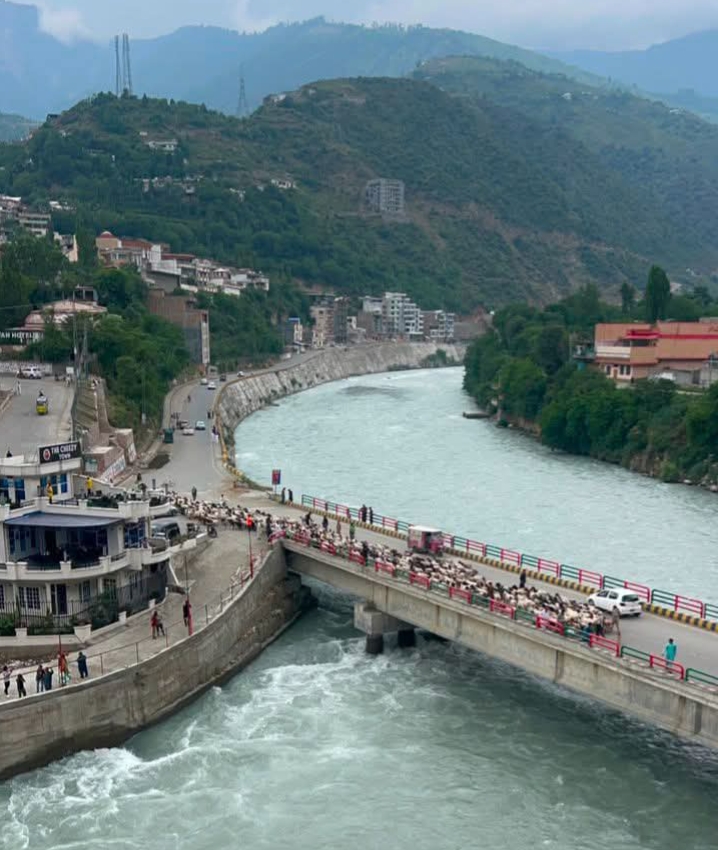
Every year, millions of local and international tourists visit the valley to enjoy its stunning natural beauty. However, Swat’s greatness is not limited to its landscapes and tourist attractions. The valley has also produced remarkable individuals who have made significant contributions in various fields, bringing pride not only to Swat but to Pakistan as a whole.
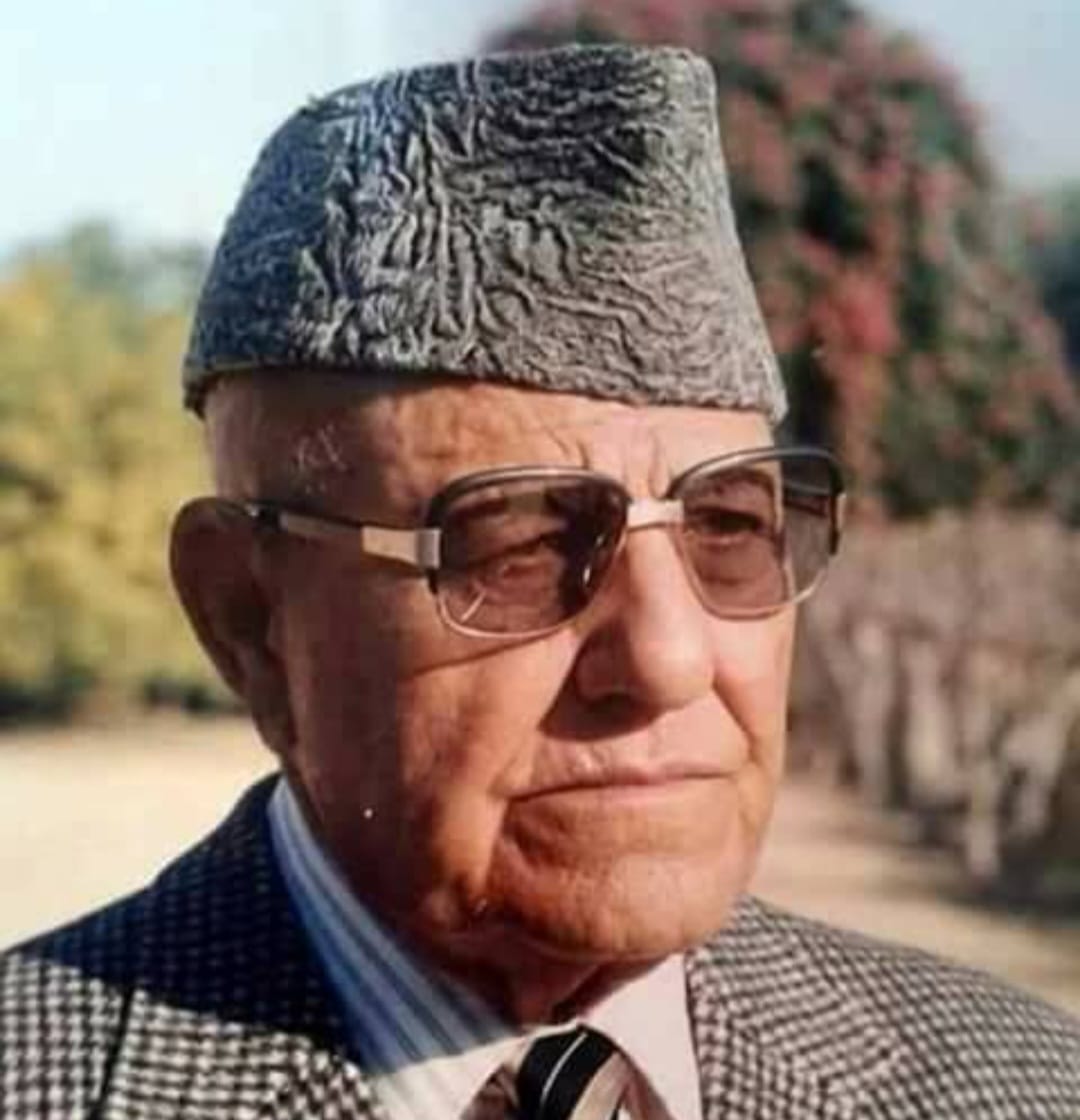
When discussing the modern history of Swat, the name of the last Wali of Swat, Miangul Abdul Haq Jahanzeb, stands out first. Under his leadership, the State of Swat achieved remarkable progress in education, healthcare, governance, and public administration. Schools, hospitals, roads, and other public institutions were established during his era, creating an exemplary administrative system.
He rendered invaluable services for the promotion of education and oversaw the establishment of Jahanzeb College, which remains one of Swat’s most prestigious educational institutions. Even today, many elderly residents of Swat remember his reign as a period of development and prosperity.
In the field of education, Malala Yousafzai is Swat’s most internationally recognized personality. Her journey from an ordinary schoolgirl to a global advocate for peace and education is a story of courage and determination.
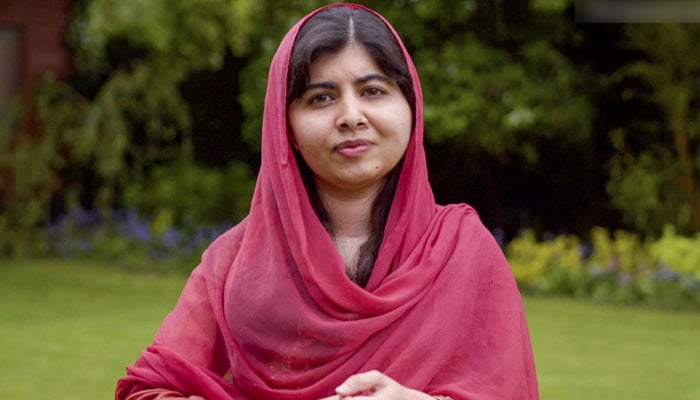
Her campaign for girls’ education drew worldwide attention to Swat, and she became the youngest-ever recipient of the Nobel Peace Prize. Malala’s achievements have inspired a new generation of young people, especially girls, to pursue education.
In the field of medicine, Dr. Gyan Prakash holds a distinguished place. Known as a child specialist, he is widely respected for his contributions to pediatric healthcare. Alongside his professional excellence, he has also promoted the spirit of public service.
In journalism, several individuals from Swat have earned national recognition. Fayyaz Zafar, Fazal Khaliq, and Amjad Ali have highlighted Swat’s issues, culture, tourism, and public life through their professional work, bringing them to national and international audiences.
Meanwhile, Dr. Jamal, Dr. Rafiullah, and Sadia Younas have played an important role in educating and mentoring journalism students. Their academic and research contributions continue to help shape the next generation of journalists.
Also Read : Landi Kotal's First Dialysis Unit Brings Hope, Demand for Better Facilities Continues
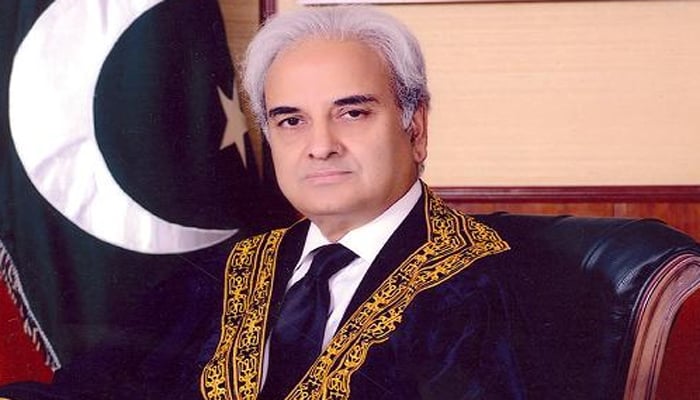
In law and the judiciary, Justice (Retd.) Nasir-ul-Mulk is among Pakistan’s most distinguished personalities. He served as the Chief Justice of Pakistan and later as the country’s Caretaker Prime Minister. He is widely respected for his impartiality, integrity, and commitment to the Constitution.
Similarly, Dr. Shaheen Sardar Ali is an internationally renowned legal scholar, human rights expert, and former associate of various United Nations bodies. Her academic achievements have brought international recognition to Swat.
In the legal profession, Ali Shah Advocate is also regarded as one of Swat’s prominent figures. He has played an active role in legal practice, public representation, and addressing social issues.
In politics, Afzal Khan Lala remains a respected name who devoted his life to democracy, public rights, and the promotion of Pashtun political awareness. Likewise, Khaliq Dad Khan Haji Sahib holds the distinction of being Swat’s first Member of the National Assembly, representing the people of the valley at the national level.
In the fields of history and research, Sultan-i-Rome and Muhammad Parvez Shaheen have made exceptional contributions. Sultan-i-Rome has extensively researched the political history and social evolution of the State of Swat, while Muhammad Parvez Shaheen has authored numerous books on Swat’s history, culture, notable personalities, and literary heritage.
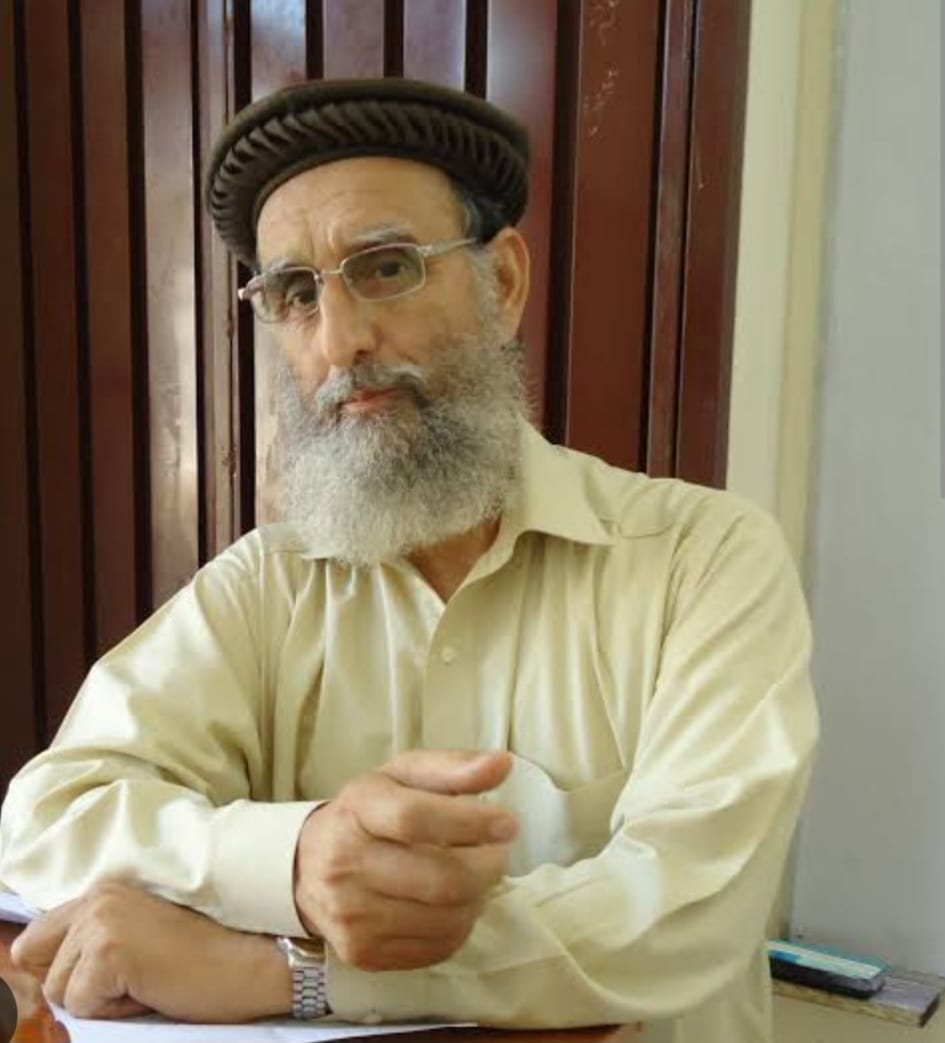
Their efforts played a fundamental role in preserving Swat’s rich historical heritage. No account of Swat’s religious, spiritual, and historical identity is complete without mentioning Saidu Baba. Saidu Baba, whose real name was Akhund Abdul Ghafoor, is regarded as one of the most influential figures in Swat’s history. He left a profound impact on the religious, spiritual, and social spheres and also played a significant role in shaping the political and social foundations of Swat.
Swat has also produced distinguished personalities in the fields of science and research who have established a strong academic reputation. Professor Dr. Habib Ahmad is among Pakistan’s leading geneticists. He has made valuable contributions to biological sciences and genetics and has held prominent academic and administrative positions at universities across the country.
In the field of environmental science and modern research, Dr. Kifayatullah Khan is another notable figure. He has contributed to environmental studies, the conservation of natural resources, and various areas of scientific research.
In engineering, Miangul Adnan Aurangzeb is recognized as a prominent personality. A member of Swat’s royal family, he pursued engineering before playing an important role in public service and national politics. His career reflects a blend of modern education, technical expertise, and dedication to public service.
In sports, Rahim Khan’s name is written in golden letters in the history of Pakistani hockey. He was a member of Pakistan’s 1994 Hockey World Cup-winning team and earned international recognition for his trademark "reverse flick" technique.
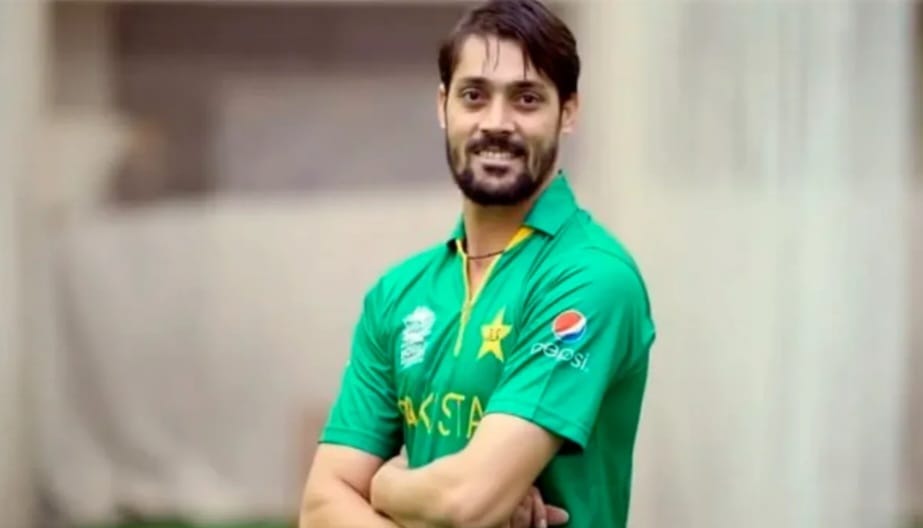
Similarly, Anwar Ali represented Pakistan in cricket. He delivered an outstanding performance against India in the final of the 2006 ICC Under-19 Cricket World Cup, earning the Player of the Match award and playing a key role in Pakistan’s title-winning campaign. He later went on to represent the national team.
Swat has also produced several renowned personalities in the fields of fine arts and music. Nazia Iqbal introduced Pashto music to international audiences, and her voice gained immense popularity among Pashto-speaking communities around the world. Ghazala Javed became an unforgettable name in Pashto music because of her distinctive singing style. Likewise, Kiran Khan earned widespread recognition through her melodious voice and became especially popular among the younger generation.
In acting, Badar Munir represents a golden chapter in the history of the Pashto film industry. Widely regarded as the superstar of Pashto cinema, his performances elevated the industry and made him a beloved figure among audiences for decades.
In literature and poetry, Abdul Rahim Roghani occupies a prominent place. His poetry beautifully reflects Swat’s culture, love, humanity, and social values, and he is considered one of the leading poets of Pashto literature.
In the field of social service, Tabassum Adnan played an extraordinary role. She raised her voice for women’s rights, education, and social justice, and set a new example of women’s empowerment by establishing the "Khwendo Jirga" (Sisters’ Council). Her work has also received international recognition.
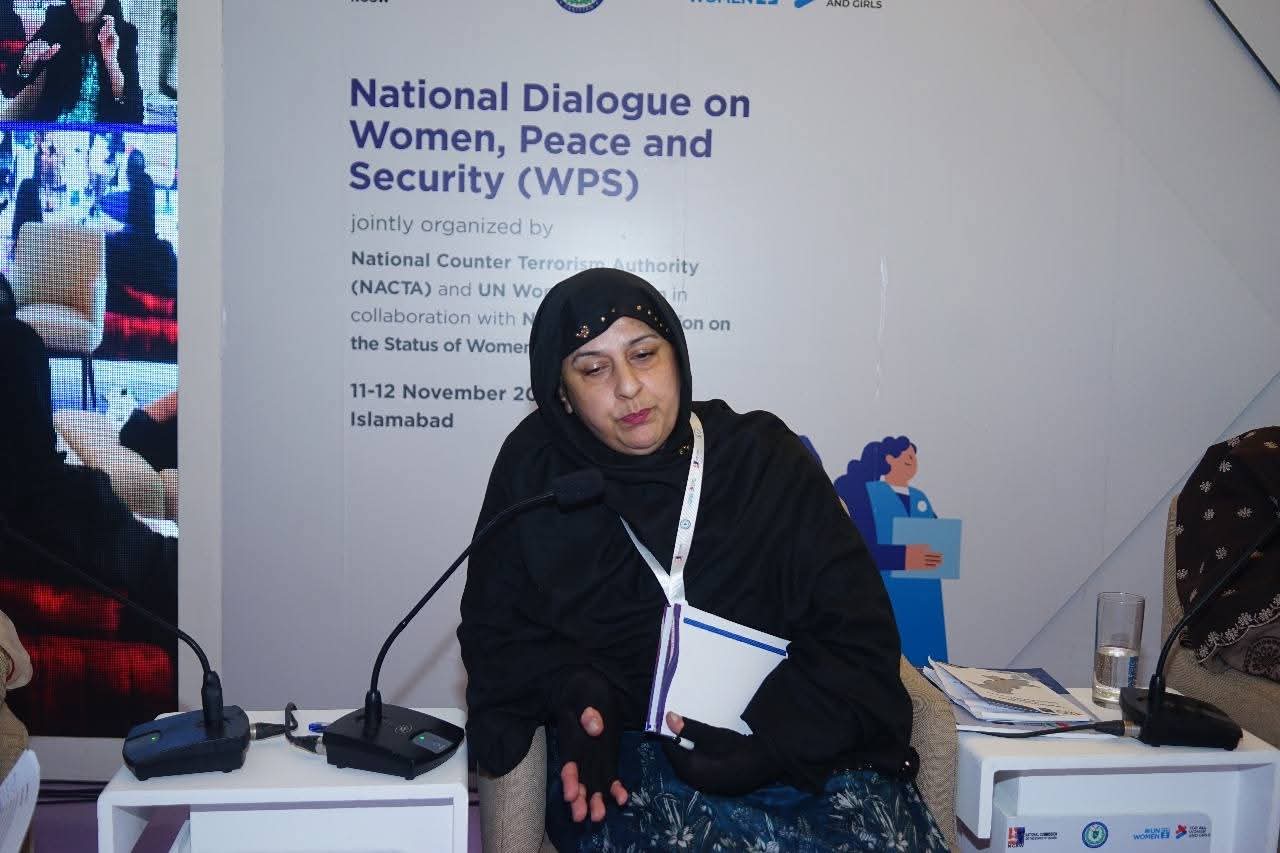
Zeb-un-Nisa Jilani is another respected name in social welfare and humanitarian work. A member of Swat’s royal family, she participated in various initiatives aimed at improving the welfare of women, children, and underprivileged communities.
Likewise, Hazir Gul made significant contributions to social development, community organization, and the protection of workers’ rights, while also working for the welfare of local artisans.
In architecture, Shaukat Sharar; in painting, Murad Artist; in traditional jewelry-making, Ghulam Ghaus Zargar; in woodcraft, Dost Muhammad; and in traditional astronomy, Maulvi Naseer-ul-Haq Ghilzai are regarded as custodians of Swat’s rich artistic heritage. These individuals demonstrate that Swat is not only a land of natural beauty but also a center of art, craftsmanship, and creativity.
Swat’s cultural identity is also deeply connected with its traditional cuisine and folk arts. Merajuddin, popularly known as "Merjo," is renowned for his traditional kebabs, while Begum Bilqees is remembered for local cuisine, particularly the famous “Begumai Rice.”
Begum Bilqees also played a pioneering role in introducing improved sheep breeds to Swat, bringing persimmons from Japan, and promoting the concept of orchards in the valley. Similarly, Sharab Gul, Fazal Rahman Salei, and Fazal Akbar Mano have made valuable contributions to preserving Swat’s folk arts and cultural traditions.
Today, Swat is regarded as one of Pakistan’s most important regions in terms of tourism, education, culture, research, and human resource development. The valley’s true strength lies not only in its majestic mountains, lakes, and rivers, but also in the people whose knowledge, talent, hard work, and public service have brought honor to their homeland. These remarkable individuals represent the true identity of Swat and continue to inspire future generations.
Nature blessed Swat with extraordinary beauty, while its people transformed that beauty into greatness through their talent and achievements. Swat’s history, cultural heritage, and scholarly traditions bear witness to the fact that the valley is not merely a symbol of natural beauty but also a shining example of knowledge, research, culture, public service, and human excellence.
Sources and References
The information in this report has been compiled from various experts, local residents, and relevant personalities, including:
- Dr. Rafiullah — Lecturer, University of Swat
- Fazal Khaliq — Senior Journalist
- Muhammad Tariq Khan — Subject Specialist (Pakistan Studies), Elementary and Secondary Education Department, Khyber Pakhtunkhwa
- Nadeem Iqbal — Radio Technical Expert
- Information collected from local residents of Swat
.jpg)

Comments
No comments yet. Be the first 🙂