


.jpeg)
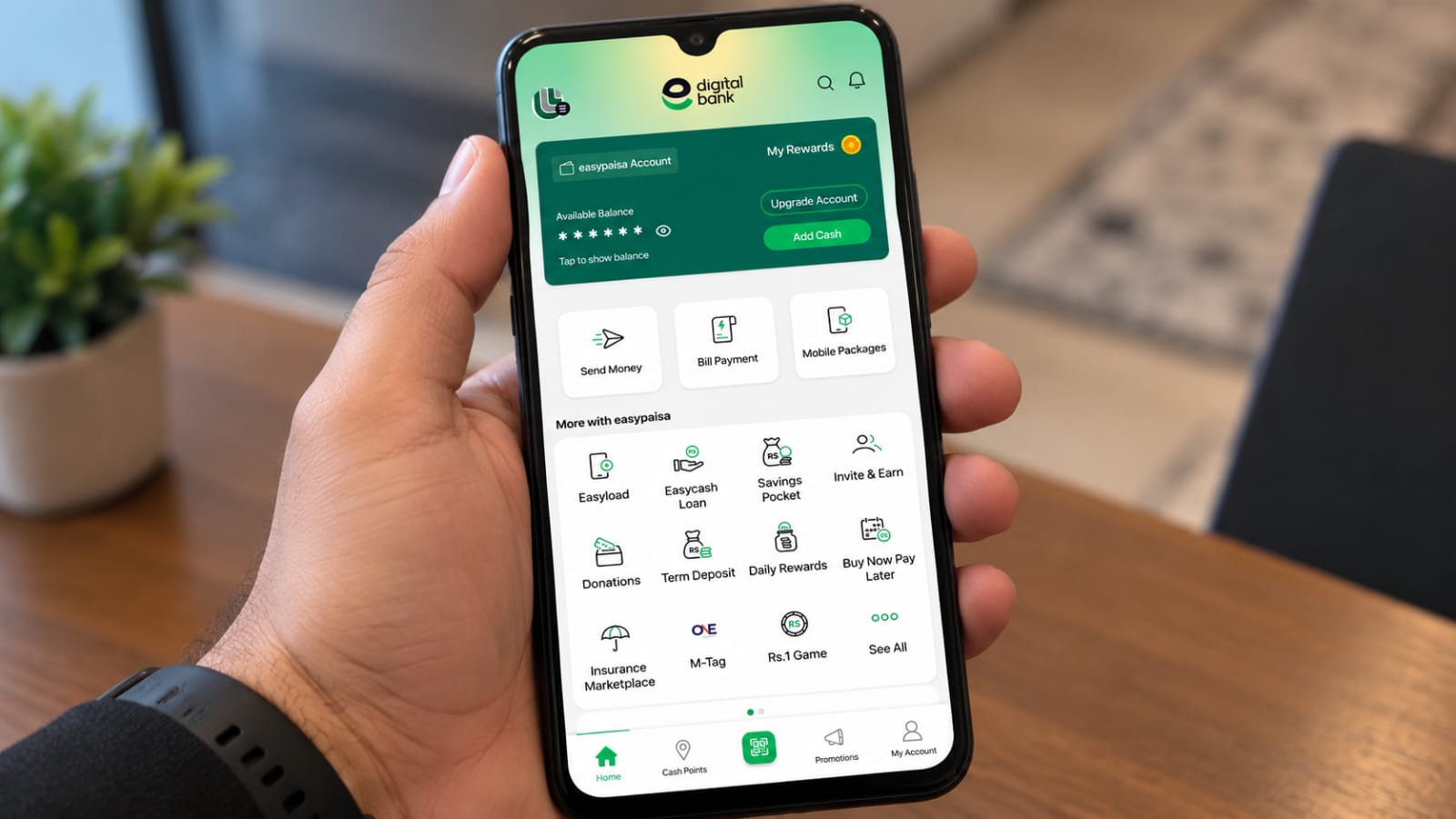
ISLAMABAD/DI KHAN – Since 2010, Pakistan has seen significant progress in digital payments, driven by the rapid growth of mobile phone users and internet access. Services such as Easypaisa (launched in 2009) and JazzCash (2012) have revolutionised the way people send, receive, and pay bills. The introduction of the PRISM system in 2016 enabled instant interbank transfers, while in 2021, the State Bank of Pakistan issued new regulations to further promote digital transactions.
In Khyber Pakhtunkhwa, the provincial government has also taken steps in this direction, including the Khyber Pakhtunkhwa Revenue Authority’s (KPRA) online payment system, which has simplified tax collection and business transactions.
Between 2021 and 2022, modern tools such as QR code payments were introduced, encouraging small traders and businesses to adopt digital methods.
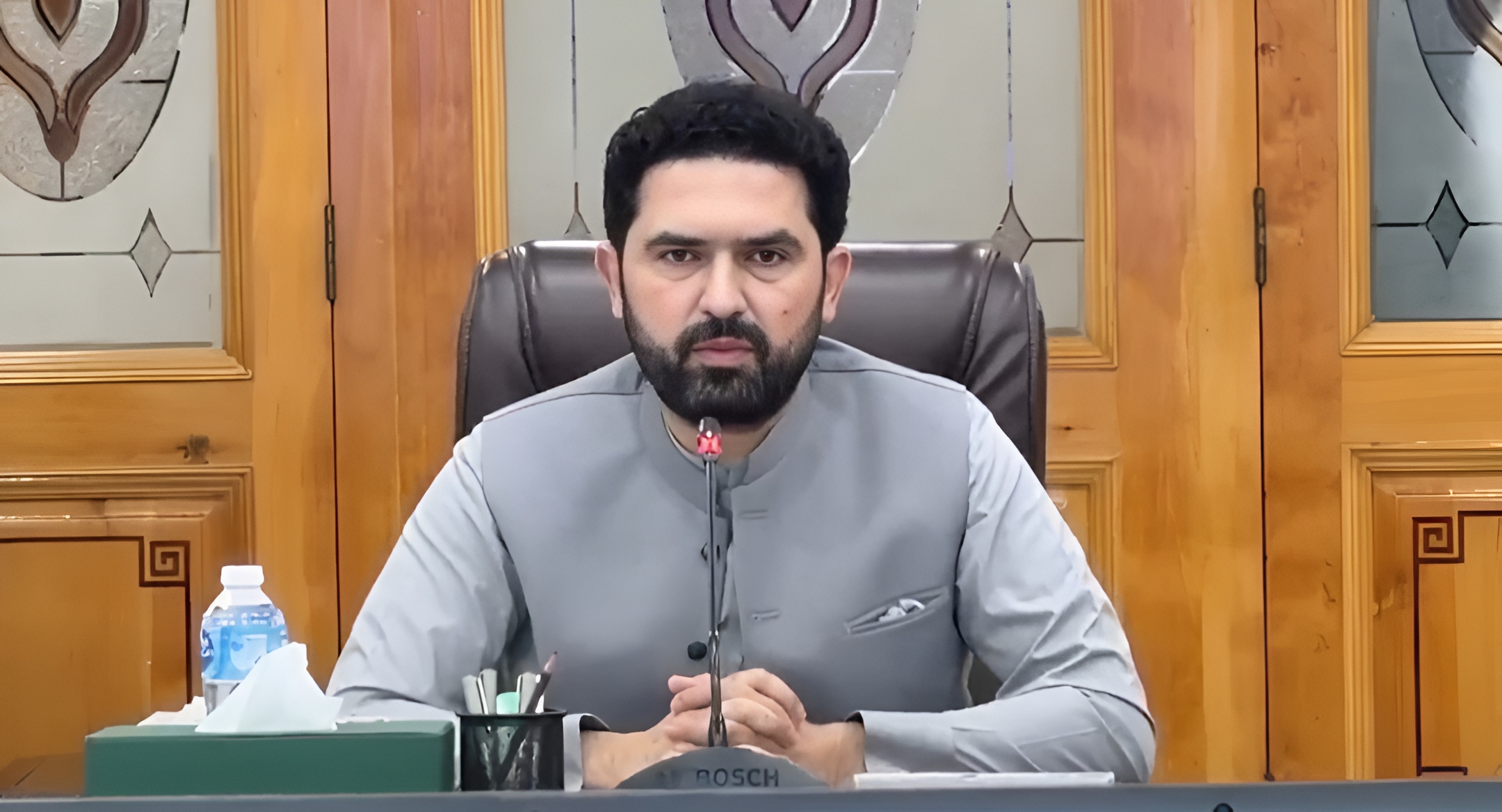
In Dera Ismail Khan, the district administration has now directed traders to conduct all future business transactions exclusively through online and digital platforms. According to Assistant Commissioner Dr. Hamid, all shopkeepers must register mobile wallets within 15 days, display QR codes in their shops, and submit details to the administration. Authorities have also announced the establishment of free Wi-Fi zones in markets to enable customers to make payments conveniently via mobile phones.
Sohail Ahmed Azmi, Vice President of the Khyber Pakhtunkhwa Traders Association, said that the business community had earlier protested budget decisions related to the digital economy and documentation. Following negotiations, it was agreed that e-invoicing would initially be implemented for multinational companies before gradually expanding to other sectors. The government also withdrew the tax on transactions exceeding Rs 200,000.
Local trader Hammad Khalil, who accepts payments via QR code and POS machines at his restaurant, said that in small cities like DI Khan, only 5–10% of customers use digital payment options, with the remaining 90% still relying on cash. He added that bank charges on POS machine transactions remain a concern for traders.
Local resident Irfan noted that the immediate impact of the move, positive or negative,bmay not be apparent to the general public. However, he stressed that mobile applications used for digital transactions must be secure and reliable.


.jpg)
Comments
No comments yet. Be the first 🙂