


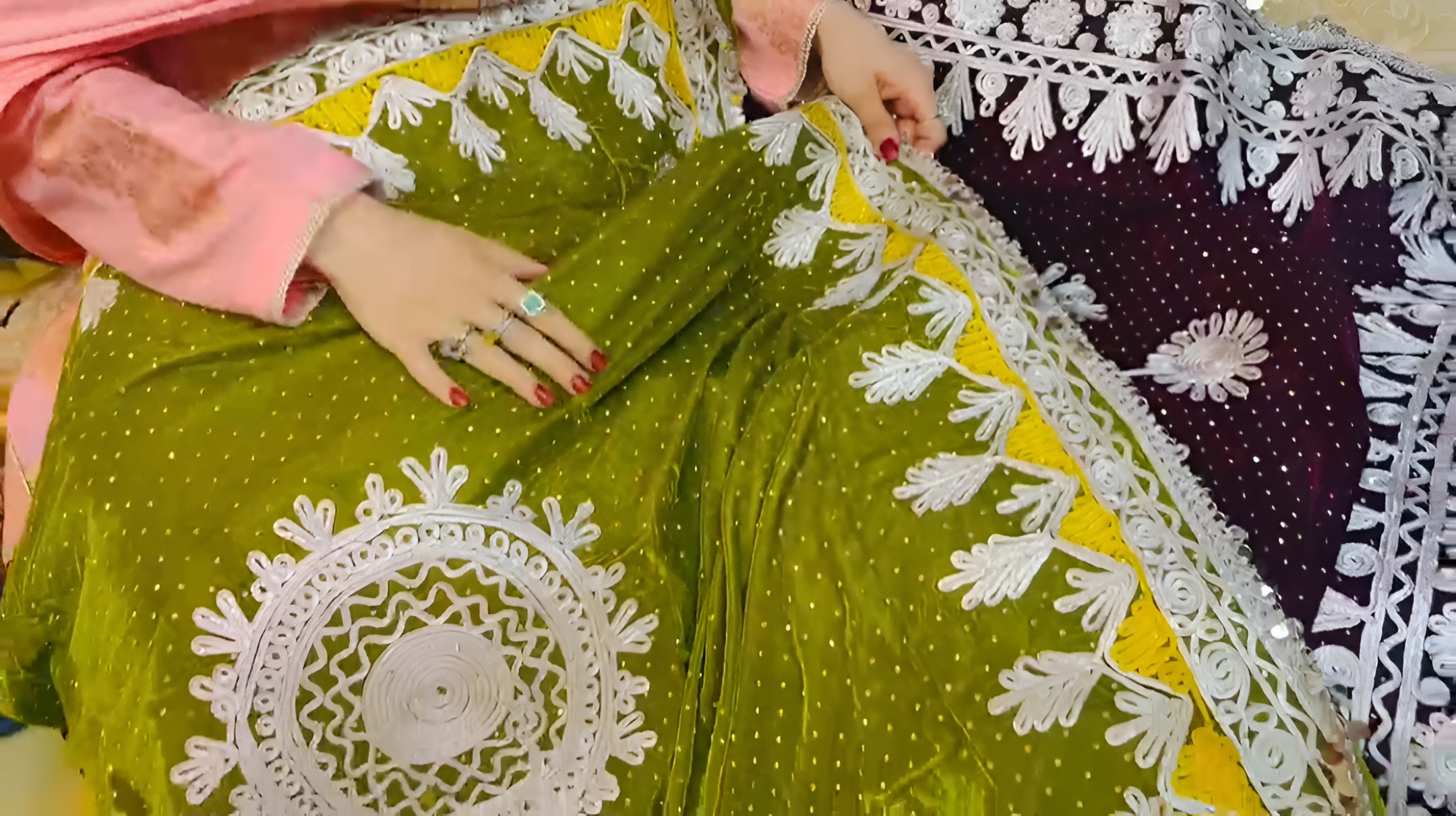
In every culture, certain traditions become timeless symbols of identity, preserving the values, emotions and history of a people. In Afghan culture, the Dusmal—also known as Desmal—is one such cherished tradition. More than a beautifully decorated cloth, the Dusmal is a powerful symbol of love, respect, unity and the beginning of a lifelong bond between two families. For generations, it has remained an inseparable part of Afghan engagement and wedding ceremonies, carrying with it stories of joy, blessings and cultural pride.
The Dusmal is traditionally a lightweight rectangular scarf or shawl, although one of its most recognizable forms is a luxurious velvet cloth created especially for wedding ceremonies. Crafted from rich materials such as velvet, silk or Banaras fabric, it is transformed into a masterpiece through remarkable craftsmanship. Skilled artisans decorate it with intricate embroidery using shimmering gold and silver threads, while colorful stones, pearls, sequins, beads and delicate lace borders add elegance and brilliance.
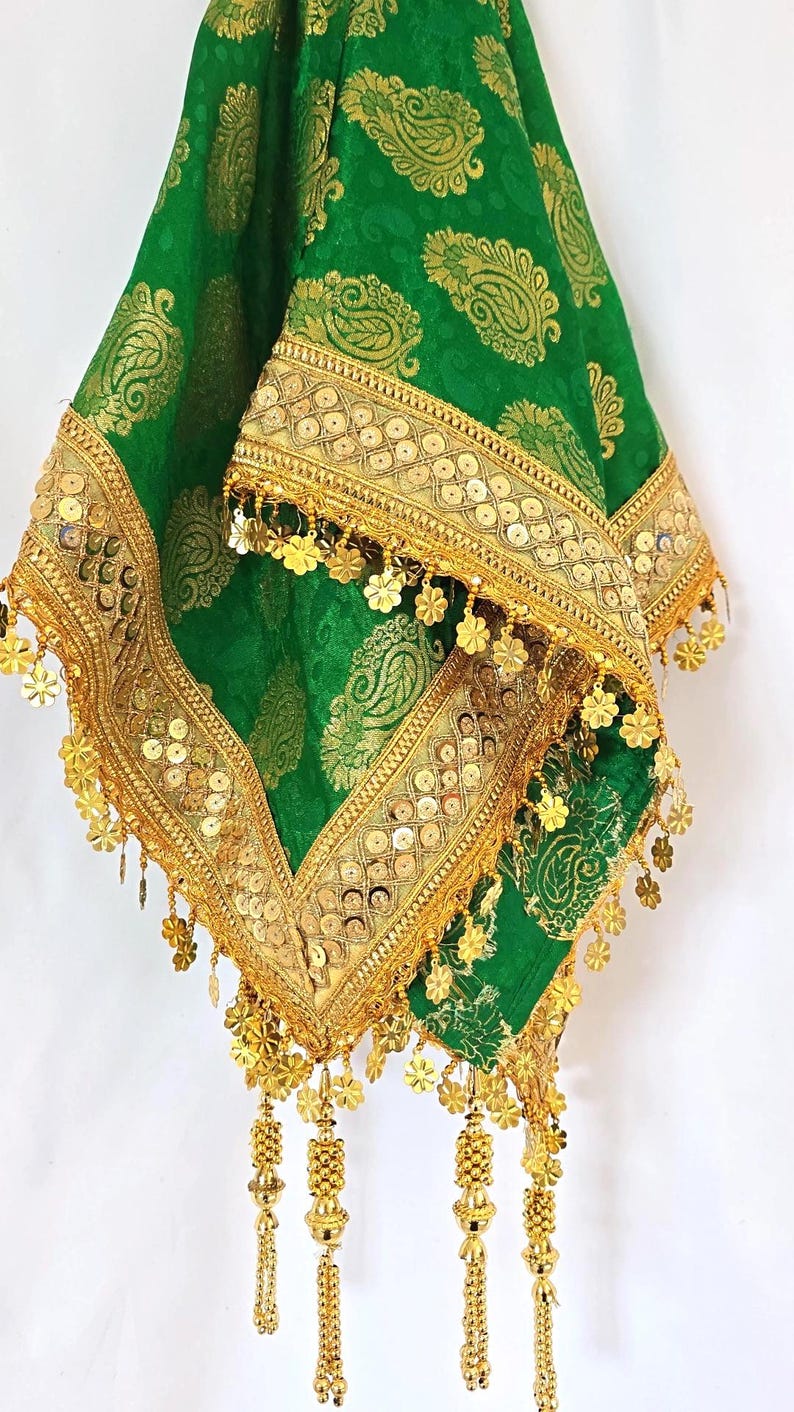
The vibrant shades of red, green, gold, pink and white are carefully chosen to represent happiness, prosperity, celebration and new beginnings. Every stitch reflects patience and artistry, making each Dusmal a unique cultural treasure.
The Dusmal plays a central role during Shirini Khori, the traditional Afghan sweet-eating ceremony that marks the formal acceptance of a marriage proposal. During this celebration, the bride's family presents a beautifully decorated Dusmal, often arranged on an elegant tray alongside sweets, to the groom's family.
This heartfelt gesture symbolizes the acceptance of the proposal and warmly welcomes the groom into the bride's family. It reflects mutual respect, trust and the joyful union of two families embarking on a shared future.
1.jpeg)
Its significance continues on the wedding day. According to Afghan tradition, the bride's family formally presents the Dusmal to the groom's family during the wedding ceremony. The presentation of the Dusmal is regarded as a symbol of new kinship, honor and shared happiness. As part of this cherished custom, the elders of the groom's family place cash inside the Dusmal.
This act is far more than a monetary gift—it represents prayers for prosperity, blessings, good fortune and a successful new life for the newly married couple. It is a heartfelt expression of hope that their home will always be filled with abundance, peace and happiness.
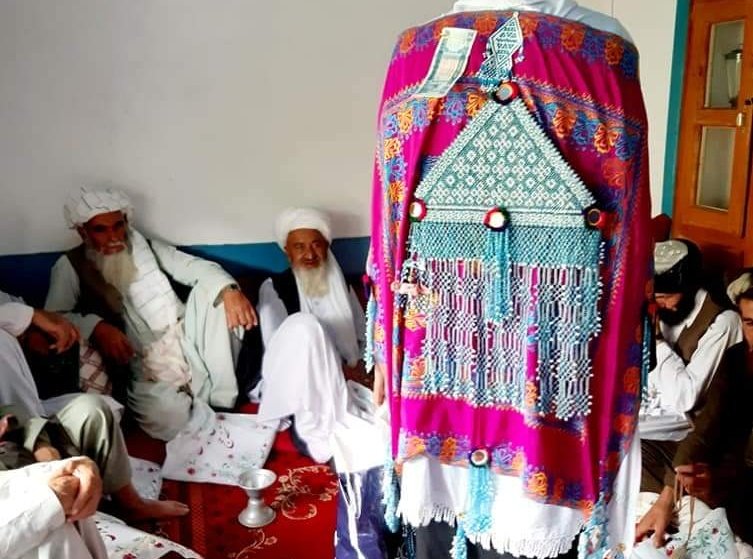
The Dusmal is also used as a mark of honor during wedding celebrations. It is gracefully draped over the shoulders of the groom or respected members of the family as a sign of dignity, appreciation and respect. Beyond wedding ceremonies, the colorful Desmal becomes an important part of Afghanistan's famous Attan dance. As dancers wave the embroidered cloth in their hands, it adds movement, color and rhythm to one of the country's most beloved traditional performances, celebrating both culture and community.
.jpeg)
Although the Dusmal is deeply rooted in Afghan traditions, its cultural importance extends beyond Afghanistan. The custom remains alive among Pashtun communities in Pakistan's Khyber Pakhtunkhwa, particularly among the Shinwari and Afridi tribes, where it continues to be an important part of engagement and wedding ceremonies. This enduring tradition reflects the strong cultural ties shared across borders and the resilience of customs passed down through generations.
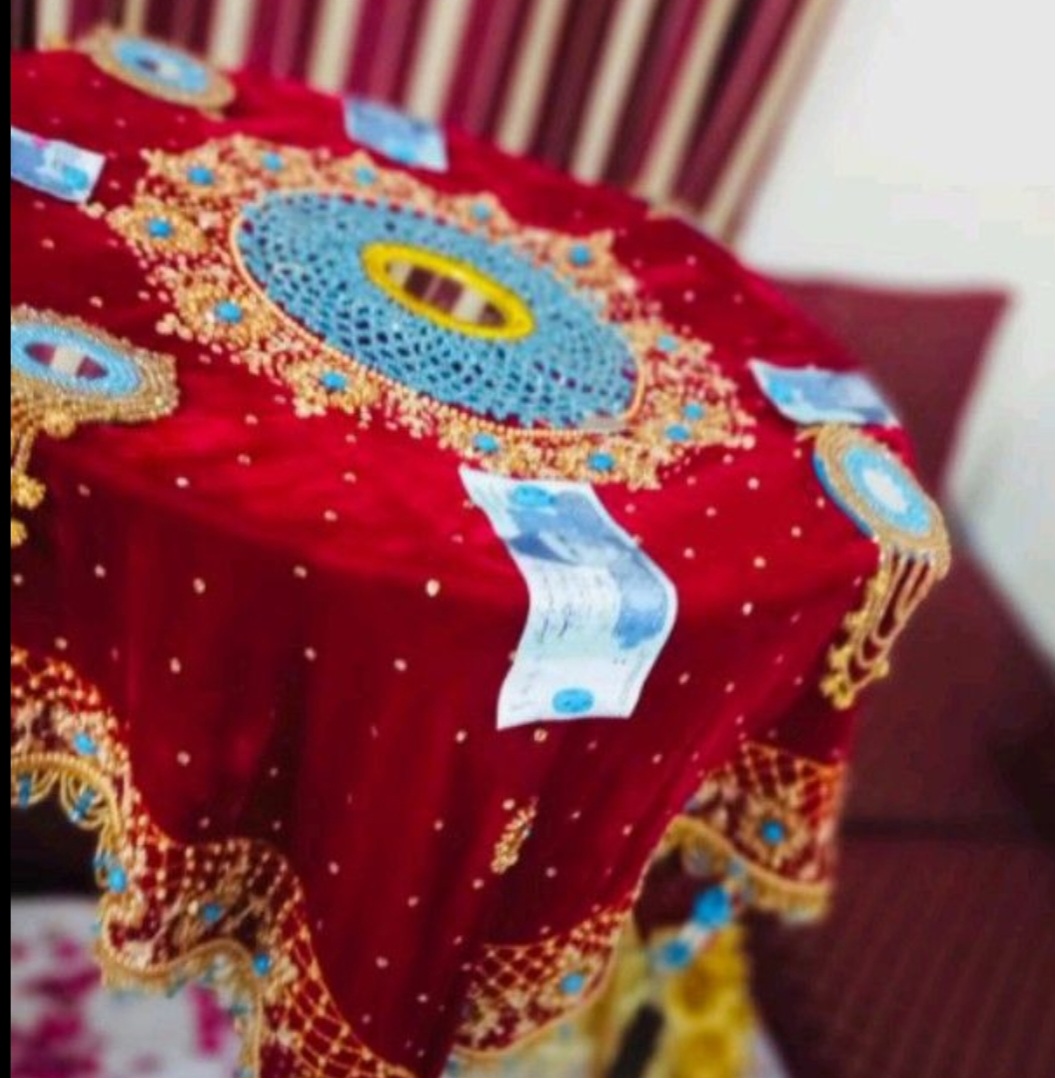
The art of making the Dusmal has survived despite changing times. Many women continue to create these beautiful pieces by hand in their homes, carefully preserving embroidery techniques inherited from their mothers and grandmothers. At the same time, Dusmals are also available in markets in a wide variety of colors, fabrics and designs, allowing families to choose styles that honor tradition while embracing modern tastes.
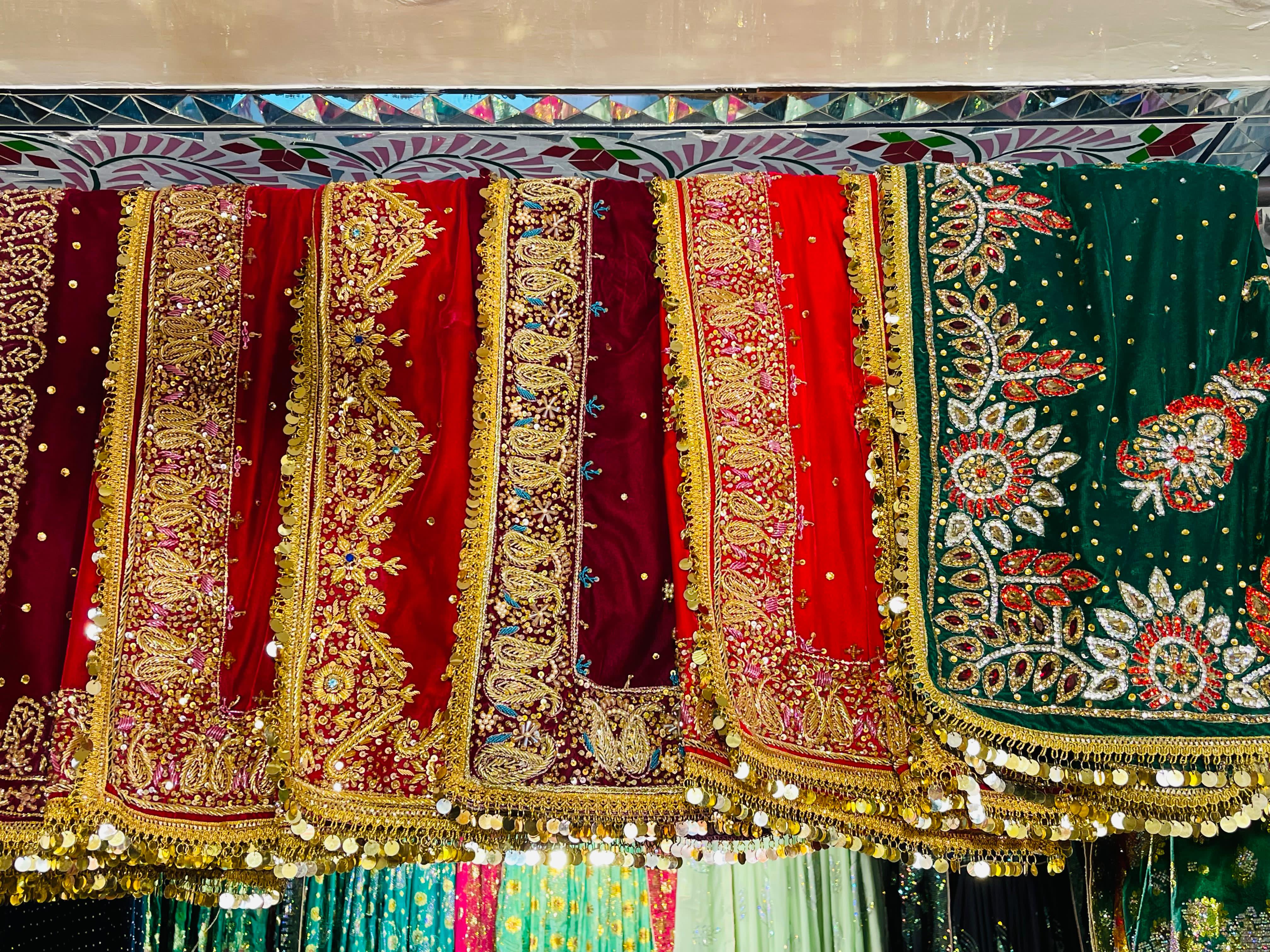
Yet the true beauty of the Dusmal lies not in its luxurious velvet, shimmering threads or sparkling ornaments, but in the meaning it carries. It is far more than a decorative wedding accessory. It is a living symbol of Afghan cultural heritage, representing the unity of families, the warmth of hospitality and the enduring values of love and respect. Every embroidered pattern, every carefully selected color and every embellishment tells a story of celebration, affection and togetherness.
As the world continues to change, many traditions risk fading into history. The Dusmal, however, remains a treasured part of Afghan weddings and engagements. Wrapped within its embroidered folds are generations of memories, blessings and cultural identity. It continues to remind people that while ceremonies may evolve, the values of family, honor and love remain timeless.
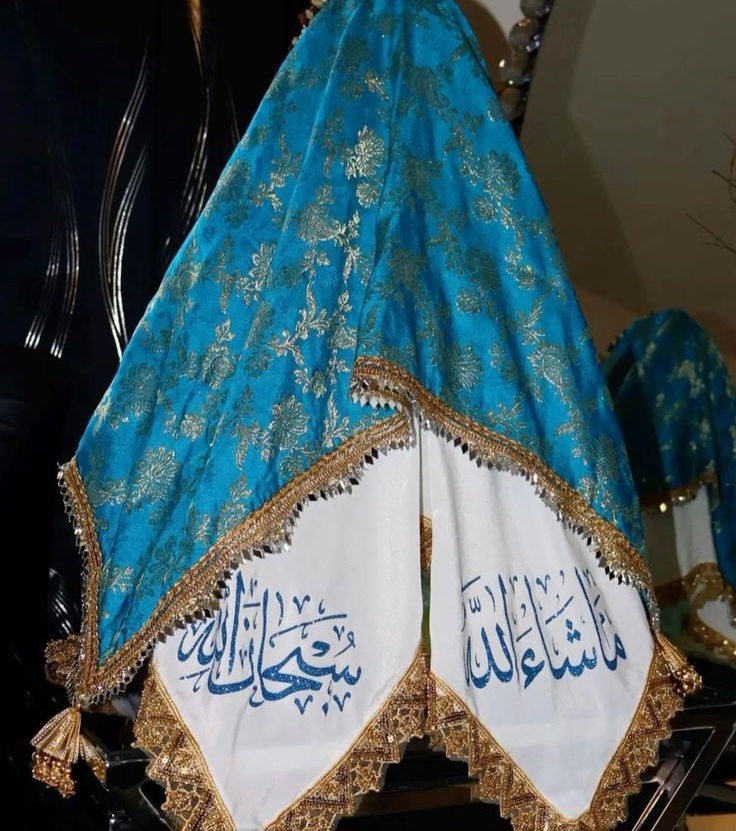
Through every stitch and every celebration, the Dusmal preserves the spirit of Afghan heritage, ensuring that one of its most beautiful traditions continues to inspire future generations.
1.jpeg)

1.jpeg)
1 Comments
Hmm it looks like your blog ate my first comment (it was
super long) so I guess I'll just sum it up what I submitted and say, I'm thoroughly
enjoying your blog. I as well am an aspiring blog writer but I'm still new to the whole thing.
Do you have any helpful hints for rookie blog writers?
I'd definitely appreciate it. xnxx
My website website (<a href="https://xxxhub.missavxxx.com/">missavxxx.com</a>)