


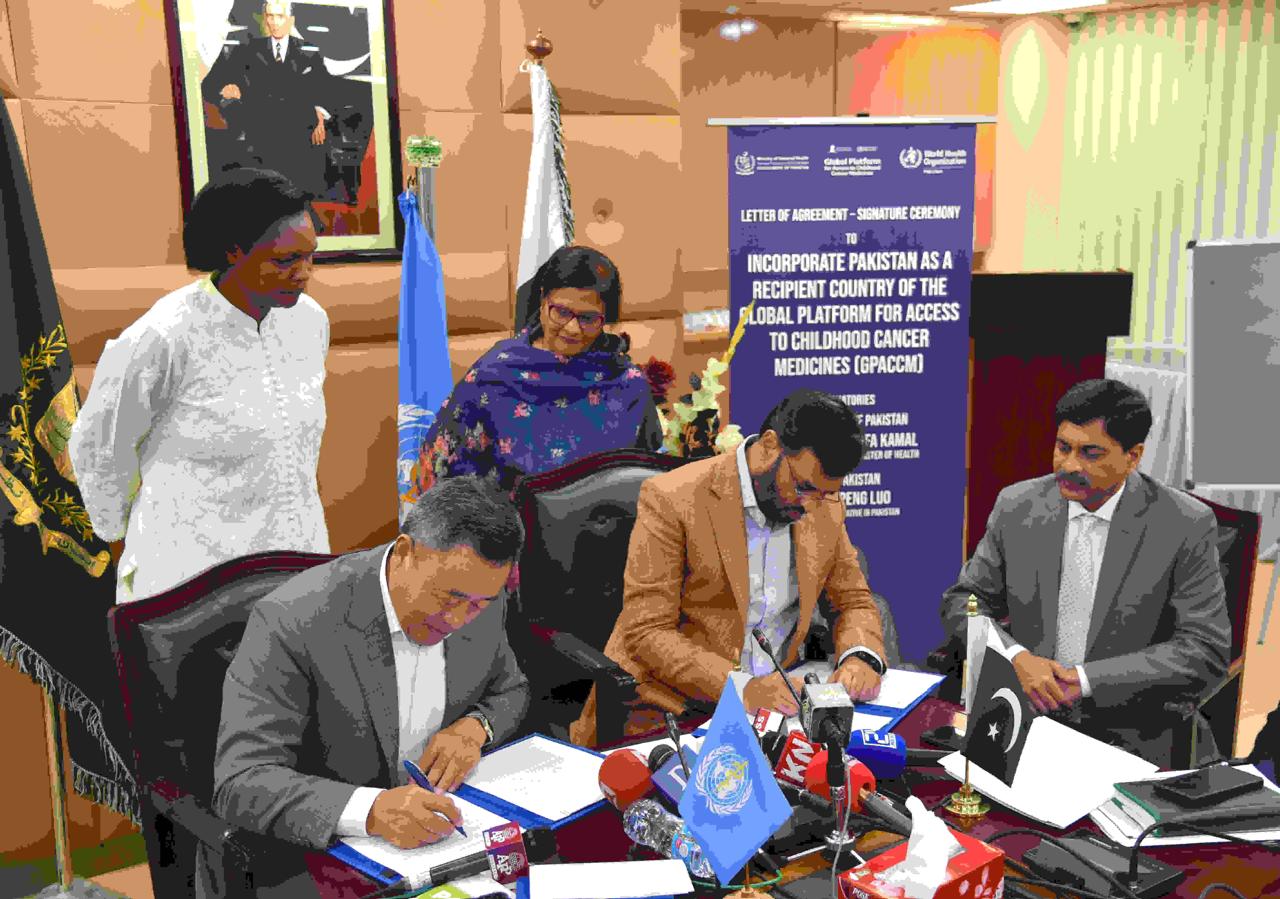
In a significant public health milestone, Pakistan has officially joined the Global Platform for Access to Childhood Cancer Medicines, becoming the second country in the Eastern Mediterranean Region to do so.
The initiative, led by the World Health Organization (WHO) and supported by UNICEF, aims to address the critical shortage of quality-assured cancer treatments for children, with the goal of doubling Pakistan’s pediatric cancer survival rate from 30% to 60% by 2030.
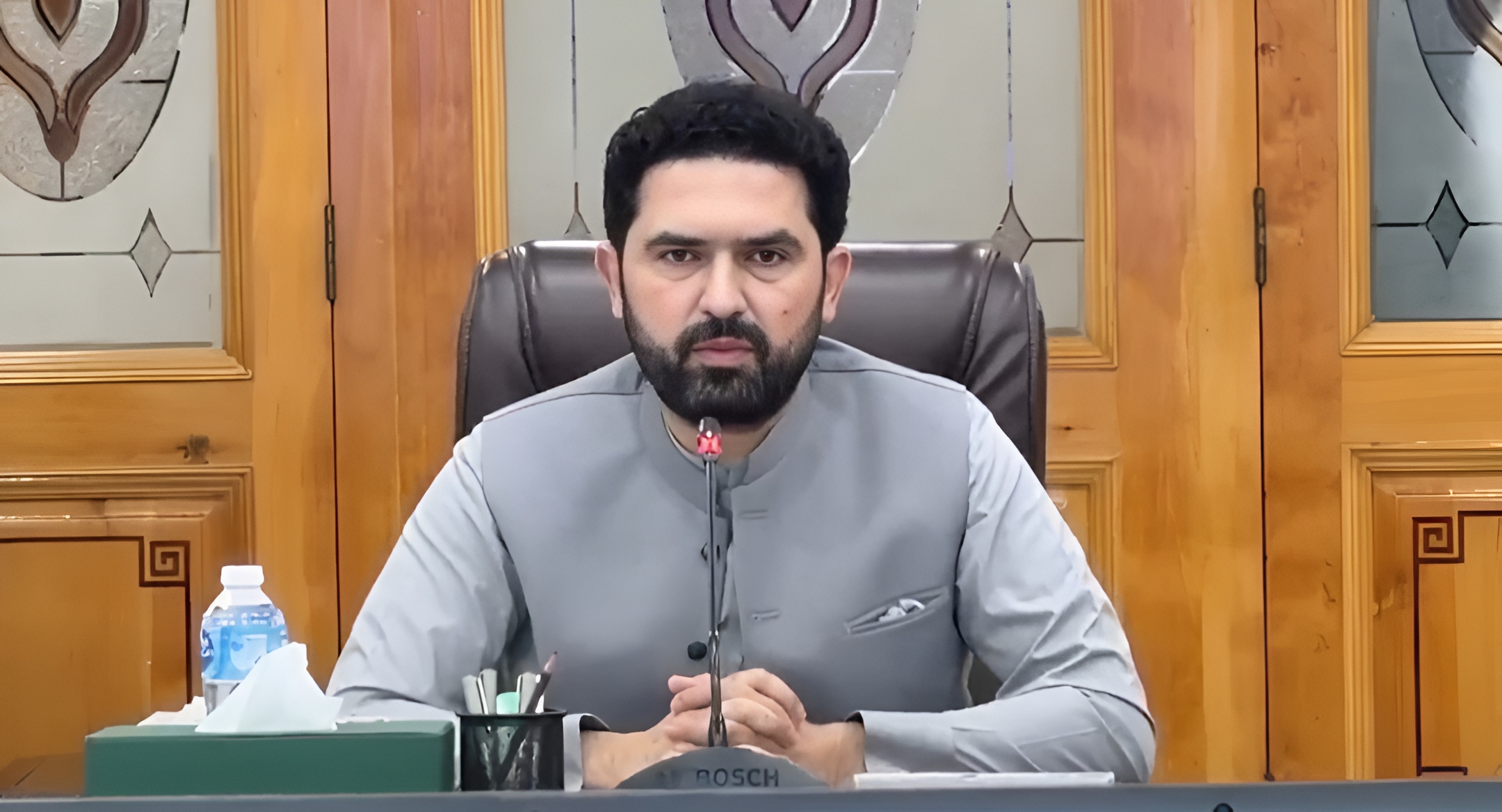
The agreement, signed today in Islamabad by Federal Health Minister Syed Mustafa Kamal and WHO Representative in Pakistan Dr. Dapeng Luo, paves the way for the free provision of certified cancer medicines to eligible children across the country.
Also Read: Tourism in Tirah: The Missed Opportunity
Currently, Pakistan sees over 8,000 new childhood cancer cases annually, with limited treatment access cited as a major barrier to survival.
“Today is a big day for Pakistan,” said Minister Kamal. “This agreement means children battling cancer will now have access to life-saving medicines. If we save even one child, we are saving humanity.”
Dr. Luo emphasized the ethical imperative behind the effort: “No child should die due to lack of access to treatment. WHO stands with Pakistan to ensure no child is left behind, regardless of where they live.”
Founded in 2021 by WHO and St. Jude Children’s Research Hospital, the Global Platform seeks to bridge treatment gaps in low- and middle-income countries (LMICs), where childhood cancer survival rates remain below 30%, compared to 80% in high-income countries. Under this agreement, UNICEF will handle the procurement and delivery of medicines to Pakistan, ensuring a secure and uninterrupted supply chain.
Beyond medicine provision, WHO will continue to offer technical and operational support to Pakistan’s health ministry and provincial bodies to strengthen pediatric cancer care systems nationwide.
The current agreement remains in force through December 31, 2027, with provisions for extension. Health experts say the move marks a pivotal shift in Pakistan’s childhood cancer response strategy, offering renewed hope to thousands of families and aligning national health policy with global equity and survival targets.
An estimated 400,000 children are diagnosed with cancer globally each year, with nearly 90% living in LMICs. Without intervention, the majority remain at risk of delayed or inaccessible care, underscoring the urgency of initiatives like this.
.jpg)
Comments
No comments yet. Be the first 🙂