


Taxation is considered one of the fundamental pillars of any state's economy. Governments use tax revenue to build roads, hospitals, educational institutions, maintain law and order, strengthen national defense, and provide other essential public services. In Islamic history, the Bait-ul-Mal (public treasury) was established to ensure public welfare. During the caliphate of Hazrat Umar (RA), state resources were systematically collected and distributed to meet people's needs while promoting justice and equality.
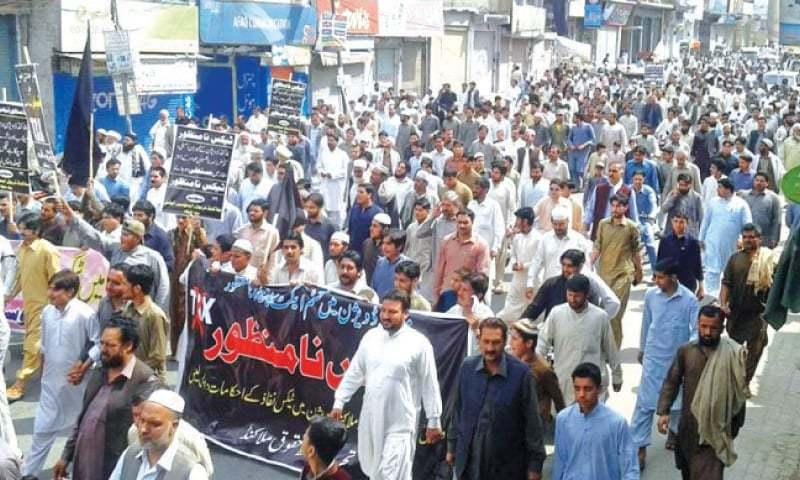
According to experts, taxation is essential for every state, but its implementation should take into account public circumstances, economic capacity, and constitutional and legal requirements. This is the central question now being raised in Swat, where the Federal Board of Revenue (FBR)'s move to enforce taxes has triggered protests, strikes, and widespread concerns across the Malakand Division.
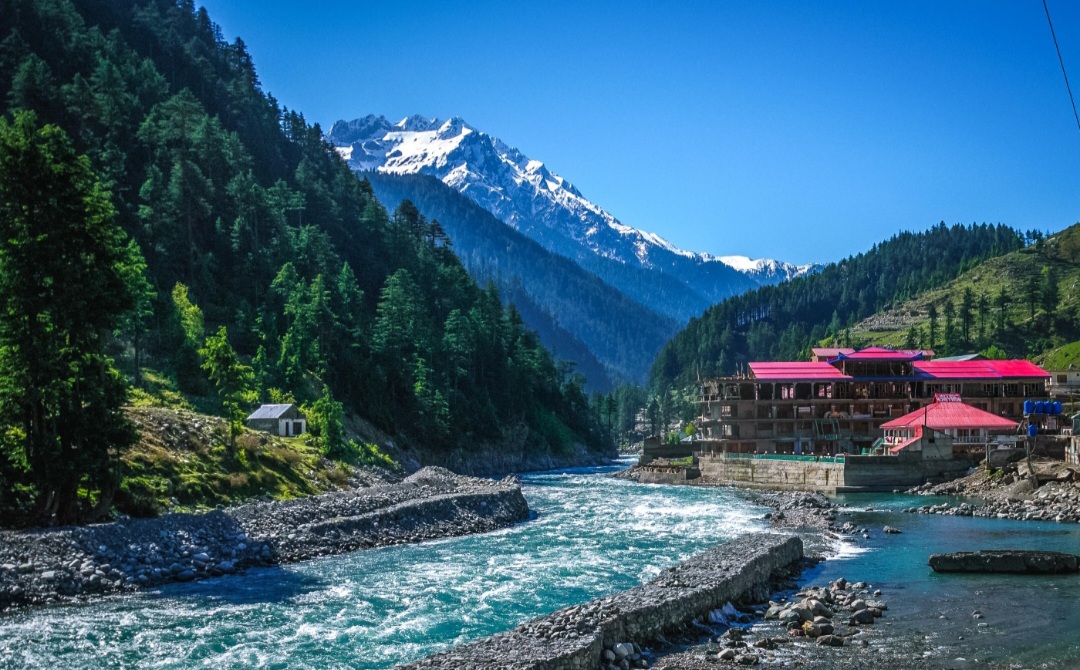
Swat's case is considered different from other parts of Pakistan because it was a former princely state that merged with Pakistan in 1969. Various historical interpretations exist regarding the terms of this merger. Some local leaders, members of the former royal family, and traders' organizations argue that Swat was granted a tax exemption at the time of accession. The government, however, maintains that current tax reforms are part of Pakistan's existing constitutional and financial framework.
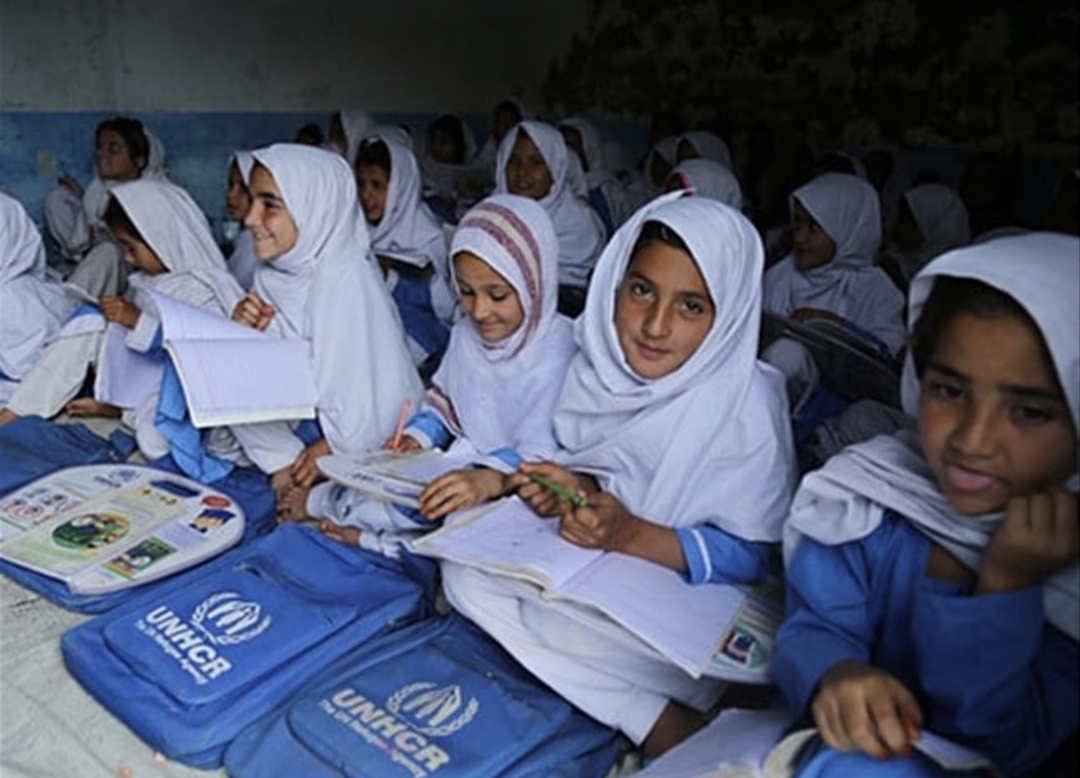
Over the past two decades, Swat has suffered heavily from terrorism, military operations, mass displacement, earthquakes, and devastating floods. These events severely weakened the local economy, damaged tourism, repeatedly disrupted small businesses, and limited employment opportunities for young people. Local traders argue that Swat lacks major industries and economic opportunities available in larger cities, making additional taxes an even greater burden.
Also Read : Media reporting of Assembly proceedings faces tighter curbs under new KP law
Musarrat Bibi, a member of the former royal family and a former member of the provincial assembly, says that according to her understanding, there was never a condition limiting tax exemption to 100 years at the time of Swat's merger with Pakistan. Instead, she claims the assurance was that taxes would never be imposed on Swat, and that this commitment formed one of the foundations of the merger. For this reason, many local residents view the current tax issue as a violation of a historic promise.
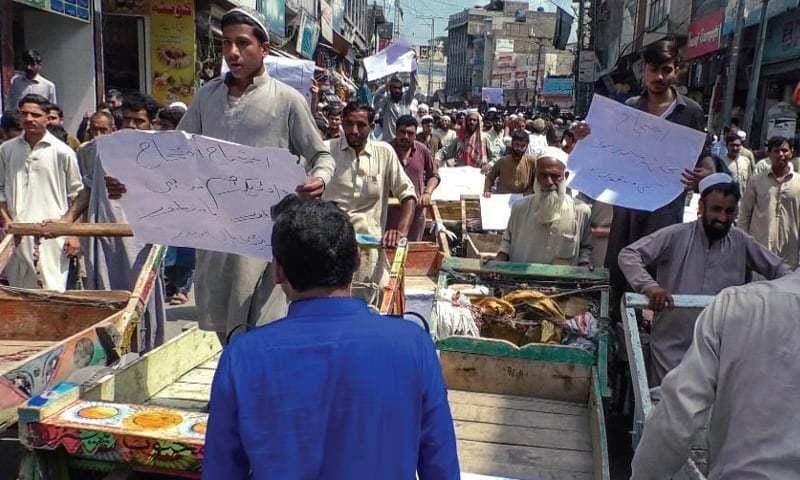
This perception has also created significant unrest in Mingora's markets. Traders say that protests and strikes force businesses to shut down, daily wage workers lose income, supply chains are disrupted, and already struggling businesses suffer further financial losses.
Muhammad Raziq Khan, a shopkeeper from Mingora, says the government is already collecting taxes indirectly through electricity, fuel, and essential commodities, while now imposing additional direct taxes. He explains that he purchases fabric from Lahore, bears transportation costs, supports several employees, and is already facing declining business. According to him, further taxation will make it increasingly difficult for small traders to survive.
Businessman and journalist Haris Khan Yousafzai believes the concerns of Swat's traders go beyond taxation and are deeply linked to the region's fragile economic conditions. He says years of terrorism, military operations, and natural disasters have caused severe economic damage.
While people have long been paying indirect taxes through electricity bills and other charges, the introduction of additional direct taxes has intensified their concerns. He argues that before expanding the tax system, the government should establish industries in Swat, encourage investment, create employment opportunities, and strengthen the local economy so that people are in a better position to pay taxes.
Dr. Khalid Mahmood Khalid, General Secretary of the Swat Traders Federation, argues that there is no legal justification for imposing new taxes in Swat. According to him, the arrangements made during Swat's merger in 1969 and official speeches from that period referred to tax exemption. He further claims that this special status was maintained during the rule of General Zia-ul-Haq.
He also states that former President General Zia-ul-Haq had announced that no taxes would be collected from Swat for 100 years. According to him, Swat fully cooperated during its accession to Pakistan, and therefore the government should seriously consider the historical and legal position of the local population. He adds that Swat lacks large industries and broad employment opportunities, making new taxes an additional burden on its residents.
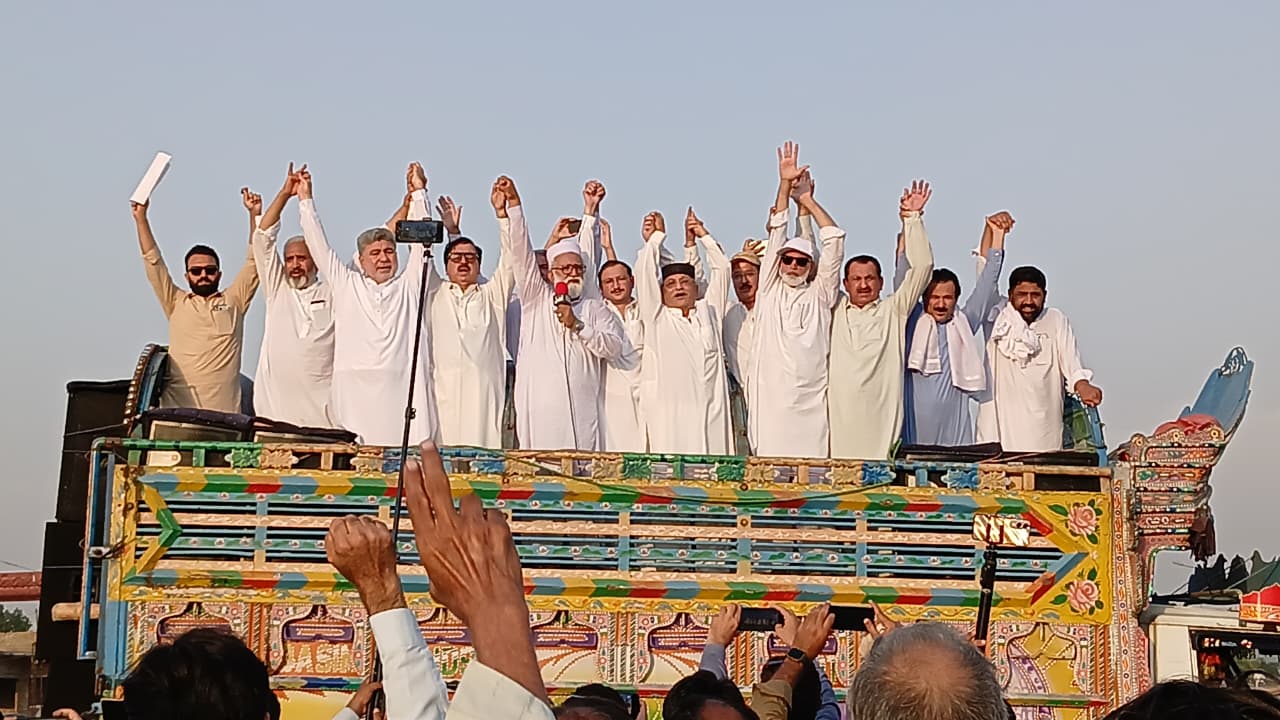
Member of the Provincial Assembly Hamid Khan says he has submitted a resolution in the Khyber Pakhtunkhwa Assembly and informed the Chief Minister about public concerns. According to him, the matter is being pursued through constitutional and legal channels.
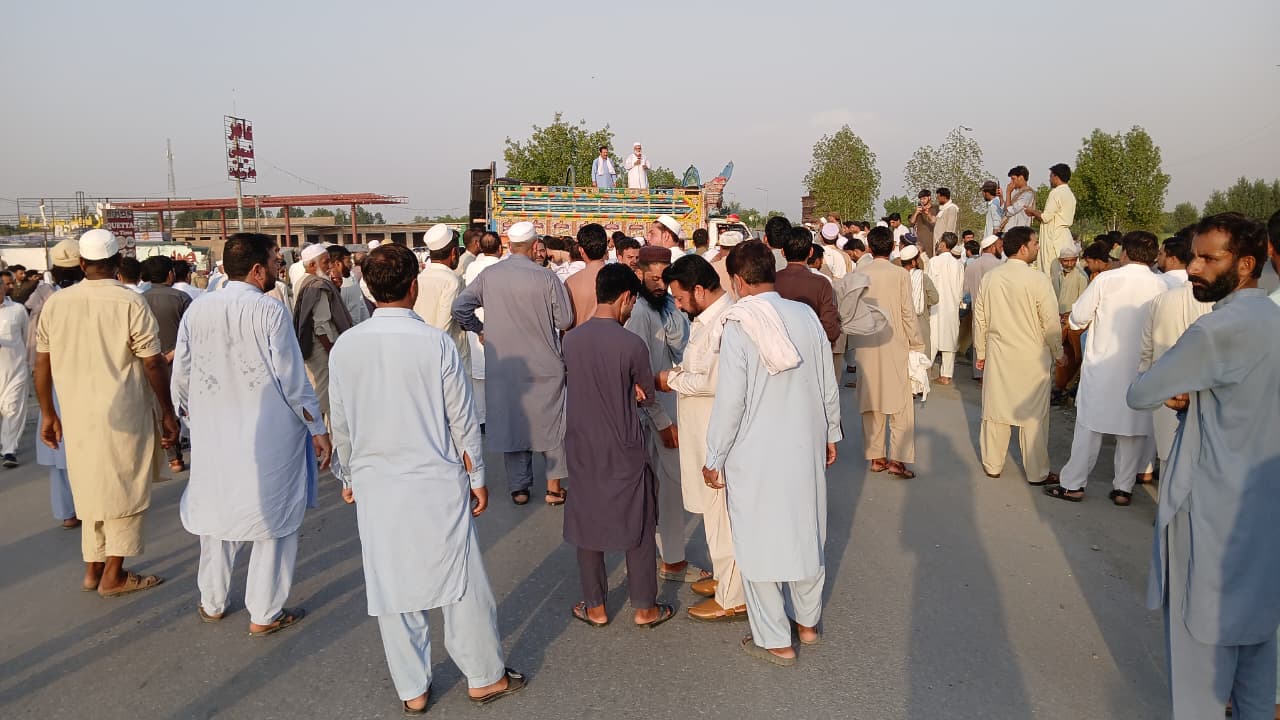
He warns that if public concerns are not addressed within a week, the protests will expand. He says they themselves will lead protests in Kabal, Swat, arguing that the federal government is violating what they describe as a constitutional agreement and the alleged 100-year commitment.
On the other hand, the government and the FBR maintain that tax reforms are necessary to strengthen the national economy and that all taxation measures are being implemented in accordance with Pakistan's existing constitutional and legal framework.
The Swat tax issue is therefore not merely about revenue collection. It has become a complex matter involving historical status, legal interpretation, economic realities, and public trust. A sustainable solution will require constitutional clarity, careful examination of historical records, and meaningful dialogue with local stakeholders so that both the state's governance and public confidence can be preserved.

.jpg)
1 Comments
Swat since Accession in 1947 and then after merger in 1969 till date has remained Tax Free zone until the 25th amendment.
Any region or province, if affected by any amendment, it is stipulated in the 1973 constitution that first the affecting province will give it's consent constitutionally.
In 25th Amendment, the people of Swat or region were not consulted and thus the said Amendment is not binding.
Therefore, the previous condition must prevail.