


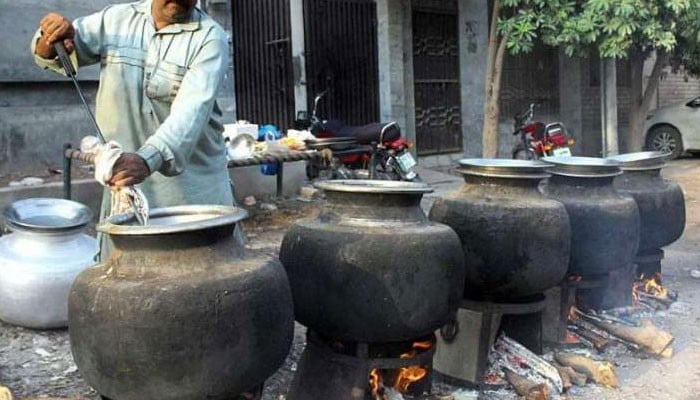
In our society, when a loved one passes away, the family is overwhelmed with grief. Along with the pain of losing someone dear, they must also manage the funeral and other responsibilities. Yet, amid all of this, they often face another burden—one that has little to do with mourning and everything to do with social expectations: the tradition of khairat (charitable meal).
As soon as news of a death spreads, questions begin to arise within a few days. When will the charity meal be held? How many guests will be invited? What will be served? Instead of sharing the family's sorrow, society often places another test before them.
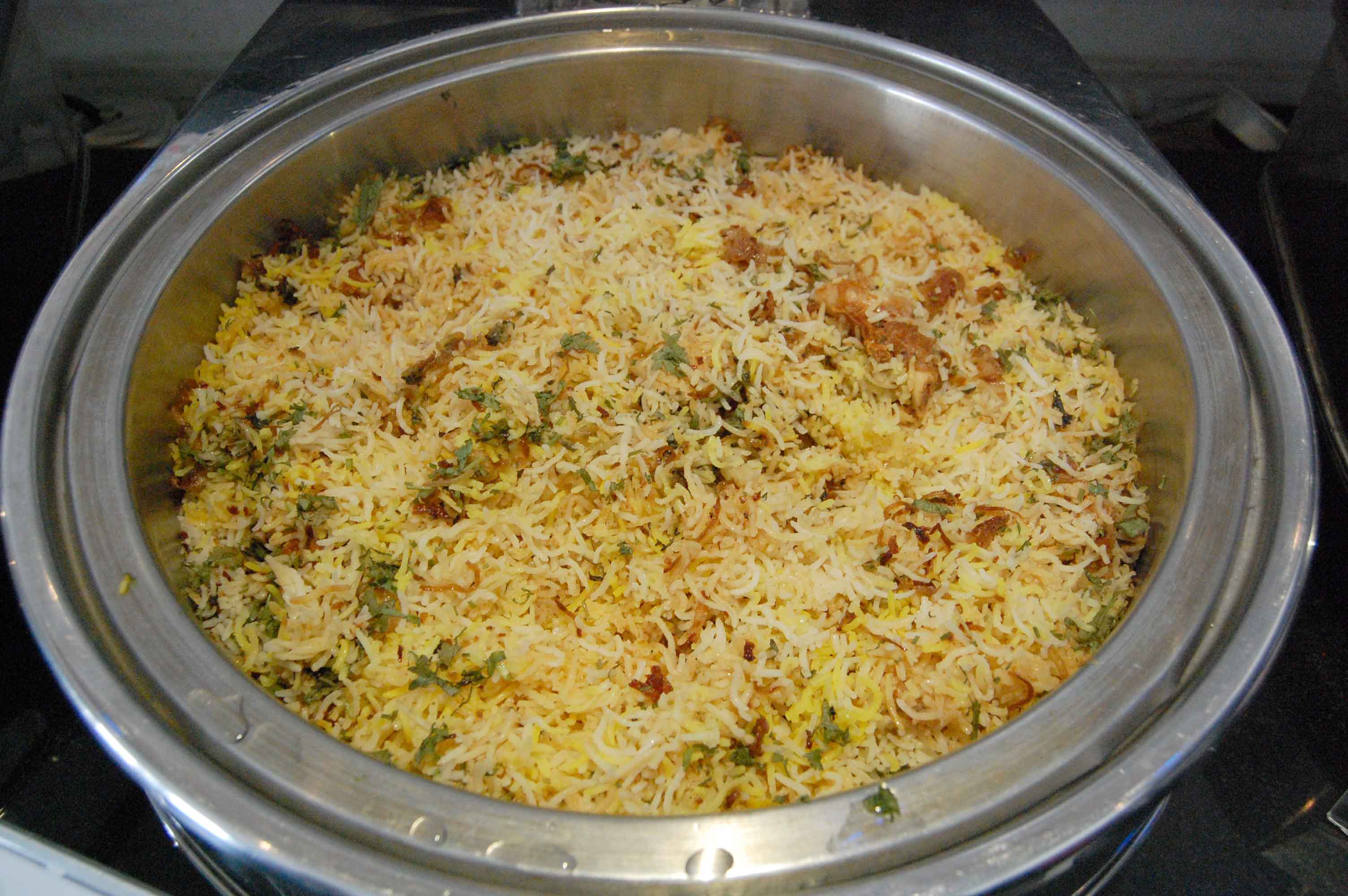
Today, in many households, khairat has become less of an act of worship and more of a social competition. People rarely consider the financial condition of the bereaved family. Instead, they judge the size of the feast, the variety of dishes, and the number of guests. A modest arrangement invites criticism, while a lavish one earns praise. This mindset pressures families into spending beyond their means.
Also Read : Swat: Where Nature's Splendor Meets a Legacy of Knowledge, Courage, and Excellence
Many families take out loans to host these charity meals after the death of a loved one. Some exhaust their savings, while others even sell their jewelry—simply to avoid criticism or social judgment. The question is: is it humane to place such a burden on a grieving family?
What is even more painful is that those who should be offering comfort often unintentionally increase this pressure. Some insist that a large number of guests must be invited, others suggest adding more dishes to the menu, while some compare the arrangements with previous charity meals. As a result, grieving families end up worrying more about people's expectations than coping with their own loss.
We should also ask ourselves: if someone has only a few thousand rupees, should they be expected to spend the same way as someone who earns millions? Certainly not. Every family's financial circumstances are different, yet our society often ignores this reality.
The real issue is not charity itself, but the mindset that has turned it into a social obligation. If khairat is being performed merely because of "what people will say," then it becomes less about charity and more about social pressure.
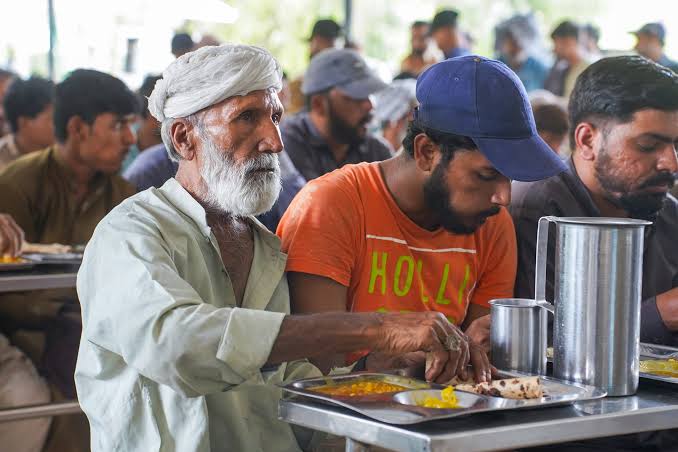
There is no need to prepare extravagant feasts. If resources are limited, one can simply feed a few deserving people, provide groceries to a needy family, support an orphan, or contribute towards the medical treatment of someone in need. Such acts not only ease the burden of those in need but also make the good deed performed in the name of the deceased truly meaningful.
The time has come to change this mindset. Instead of burdening grieving families with unnecessary traditions, we should stand by them and support them. We should not expect them to impress society, but rather remind them that there is dignity in simplicity and that every good deed, done according to one's means, is valuable.
Because the beauty of a society is not measured by how grand a charity meal was, but by how much it helped lighten the burden of a family already weighed down by grief.
Note: This article reflects the personal opinion of the author and does not necessarily represent the views of the organization.
.jpg)
.jpeg)
.jpeg)
Comments
No comments yet. Be the first 🙂