


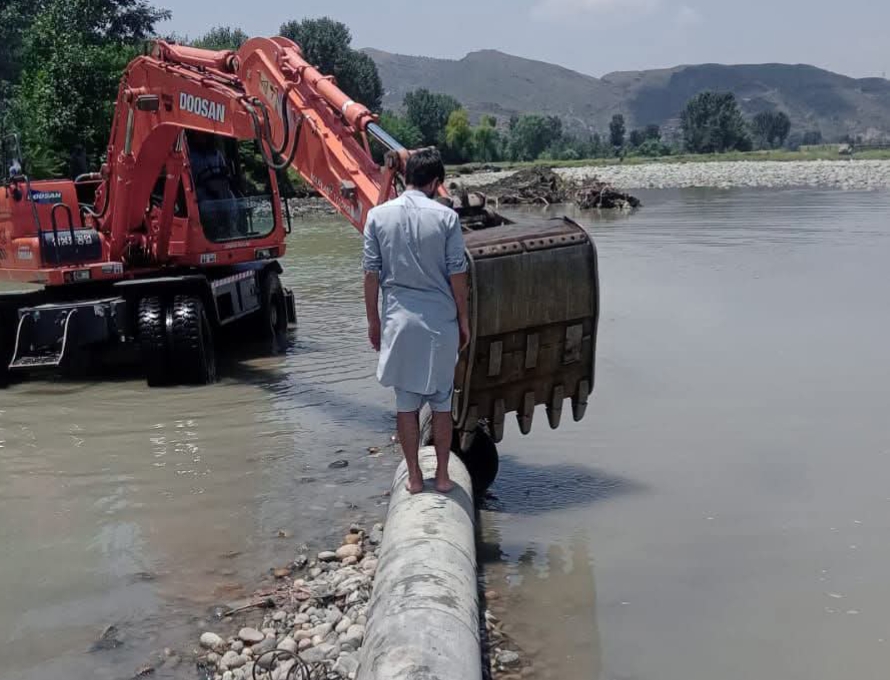
Thousands of residents in Batkhela Town and surrounding areas of Malakand have been facing a severe water shortage for the past eighteen days during the intense summer heat. Water supply has been completely suspended after the main pipeline of the government-run Gravity Water Supply Scheme broke in the Barikot area of Swat District, severely disrupting daily life.
The Batkhela Gravity Water Supply Scheme is a major project of the Khyber Pakhtunkhwa government. Under this scheme, water is transported from the Swat River to Batkhela through the natural slope of the land (gravity), without the use of electricity.
The project was launched in 2012 and completed in 2017 at a cost of approximately Rs. 785 million. Through a 23-kilometer-long pipeline, millions of gallons of water are supplied daily to Batkhela and its surrounding areas.
The scheme provides clean drinking water to thousands of residents in Batkhela and Amandara. According to local residents, it fulfills the daily water needs of a large population in both areas.
Residents say the prolonged suspension of water supply has created serious hardships. They report that meeting household needs has become extremely difficult, while obtaining clean drinking water now requires traveling long distances.
Also Read : Big Relief Ahead: Petrol Prices Likely to Drop Sharply from June 20
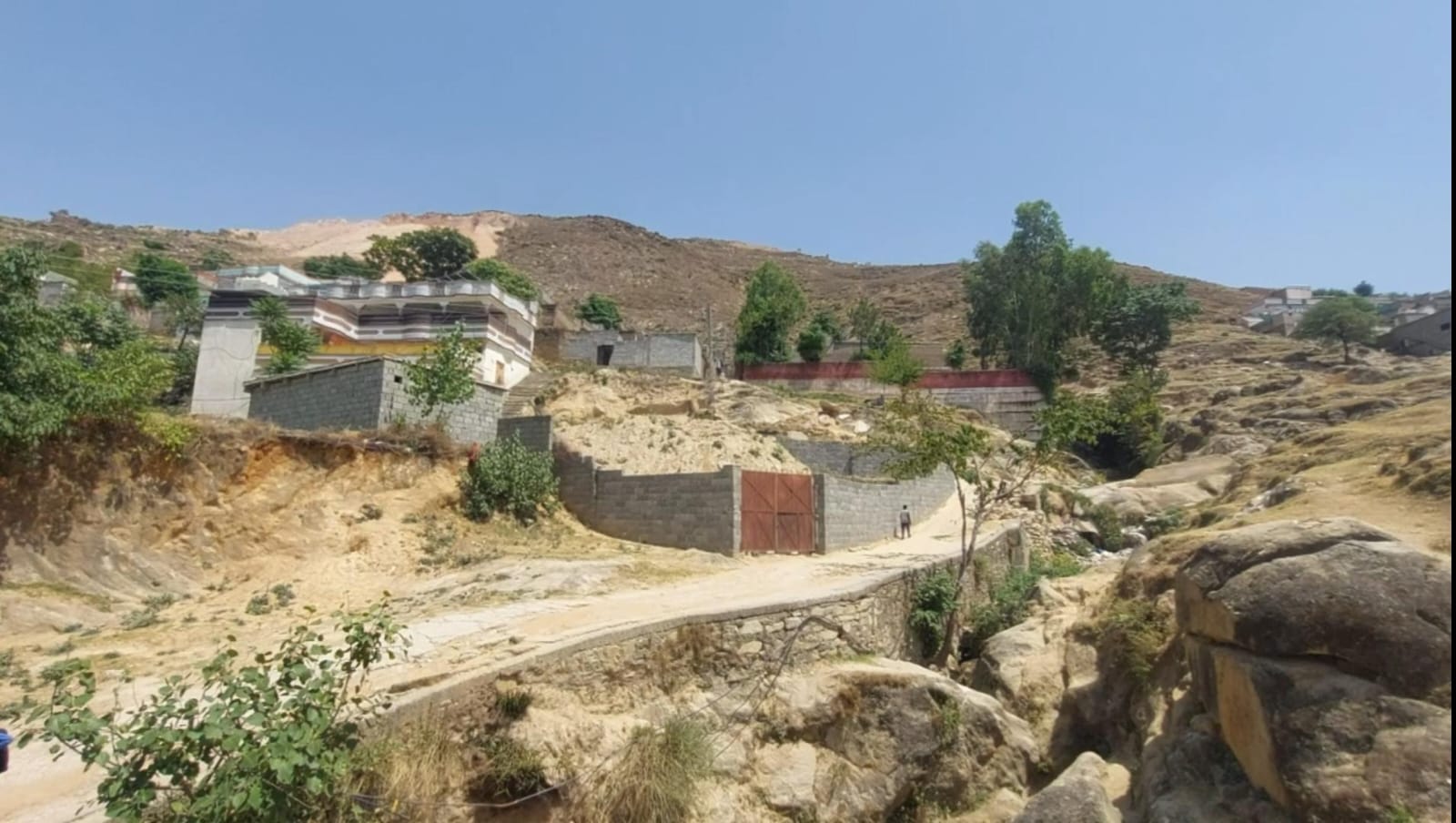
According to locals, wells are almost non-existent in the mountainous areas. As a result, people are forced to rely on the few private wells available, while even those households that own wells are struggling because groundwater levels in these hilly regions are very low.
Speaking to TNN, local resident Jawad Hussain said that the extreme heat has made the situation even worse. “There is not a single drop of water in our homes. Women and children are forced to travel several kilometers to fetch water. The concerned authorities should find a permanent solution to this issue as soon as possible,” he said.
Due to the continued disruption in water supply, many residents of Batkhela have been forced to purchase water from private tanker services at high prices. Locals claim that a single water tanker costs between Rs. 3,000 and Rs. 5,000, making it increasingly unaffordable for ordinary families.
In mountainous areas where roads are unavailable, water is transported to homes by donkeys, with charges reaching up to Rs. 500 per trip. Residents say the water crisis has significantly increased their household expenses.
Another resident, Karim Khan, said that buying water from private tankers is beyond the means of many families. He added that the eighteen-day suspension has caused unprecedented difficulties for the local population.
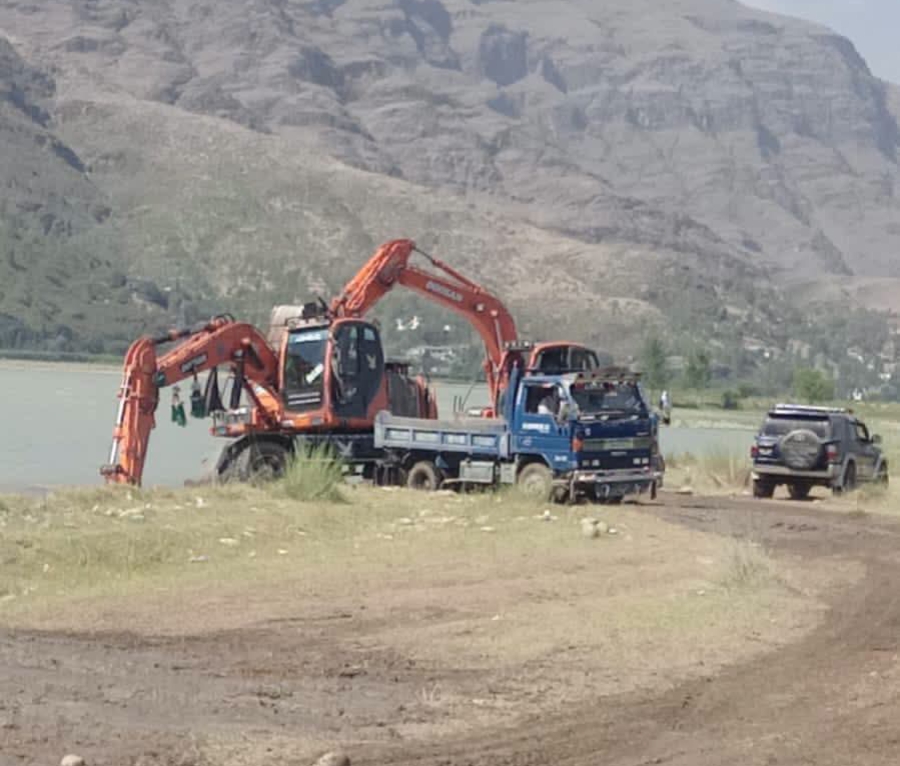
Meanwhile, Public Health Engineering Department Engineer Shahzad Khan stated that repair work on the damaged main pipeline in Barikot is underway around the clock. According to him, workers are attempting to reconnect the pipeline through welding, and water supply is expected to be restored once the repair work is completed.
Residents have urged the government and relevant authorities not only to restore the water supply immediately but also to establish an effective maintenance system for this important project to prevent such prolonged disruptions in the future.
.jpeg)
.png)
1.jpeg)


Comments
No comments yet. Be the first 🙂