


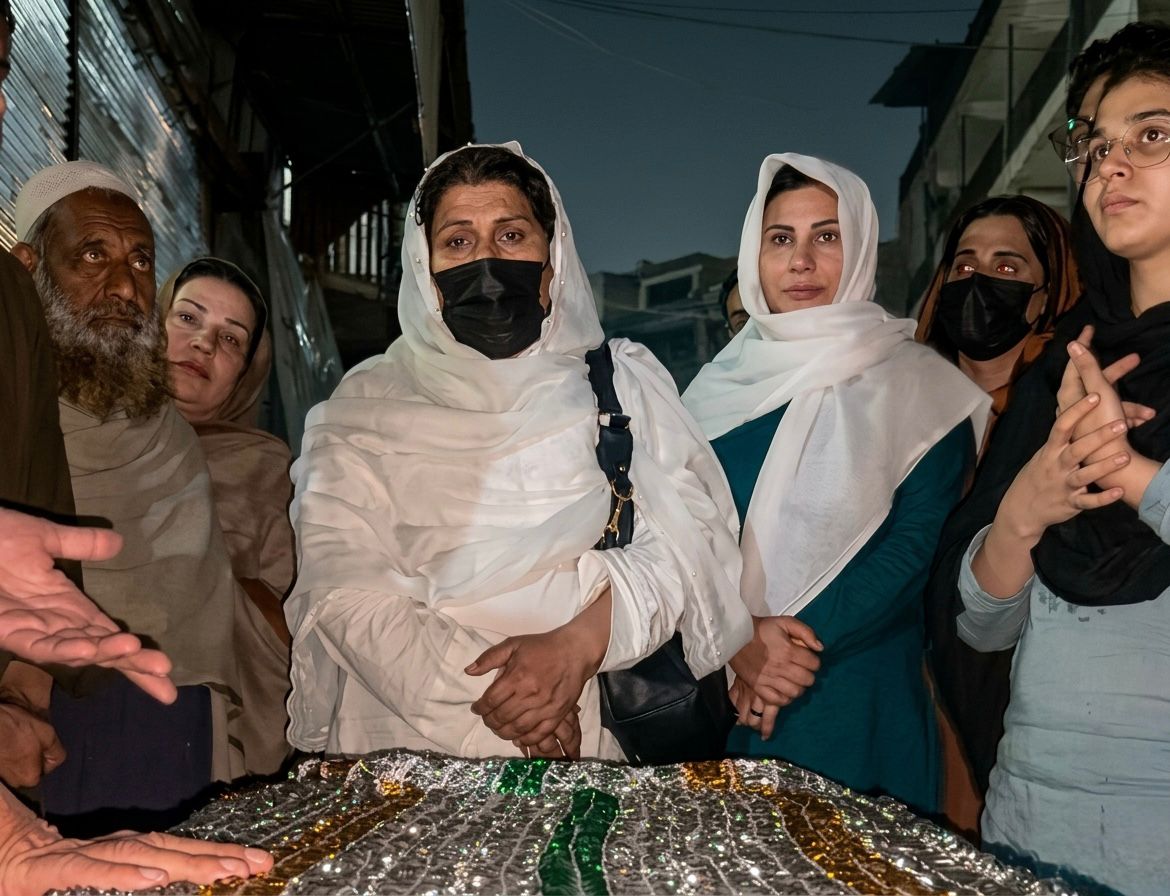
When the body of 27-year-old Arif, also known as Wara, was brought to a neglected graveyard in Peshawar, not a single blood relative was present to shoulder his coffin. A small group of grieving transgender individuals and a few helpless friends were his only support in his final moments.
Wara had moved from Quetta to Peshawar 12 years ago with dreams of a brighter future. But some time ago, he contracted HIV, which left him isolated in life and abandoned even in death.
Farzana, a close friend who witnessed his final moments, recalls with tearful eyes that he had left smiling on the fifth day of Eid, and later she saw his lifeless body, turned blue. He had been living with HIV for months but never told anyone.
He feared that if people found out, he would be expelled from the plaza where he lived. He neither received timely treatment at the hospital nor compassion from doctors, and he died in helplessness.
Also Read : The Nameless Corpse at Torkham: Silence, Fear, and the Shadows of War
Why do transgender individuals avoid seeking treatment for AIDS?
Farzana’s grief is not only about losing a friend but also about fear for her own future. She says that when they see their companions abandoned even after death, they see their own reflection in them. She wonders whether her father or brother would come for her after death, or if she would face the same fate.
Wara’s silent death is actually a warning sign of a much larger crisis unfolding in Khyber Pakhtunkhwa, where the transgender community is being pushed to the margins in the name of HIV accusations. This mental and social pressure is proving more dangerous than the virus itself. When fear of the virus combines with fear of death, people choose to hide rather than seek treatment.
Blame and violence: Transgender community under attack
Being transgender in Khyber Pakhtunkhwa has always been a challenge, but in recent years, HIV has been used to justify a new wave of violence against them.
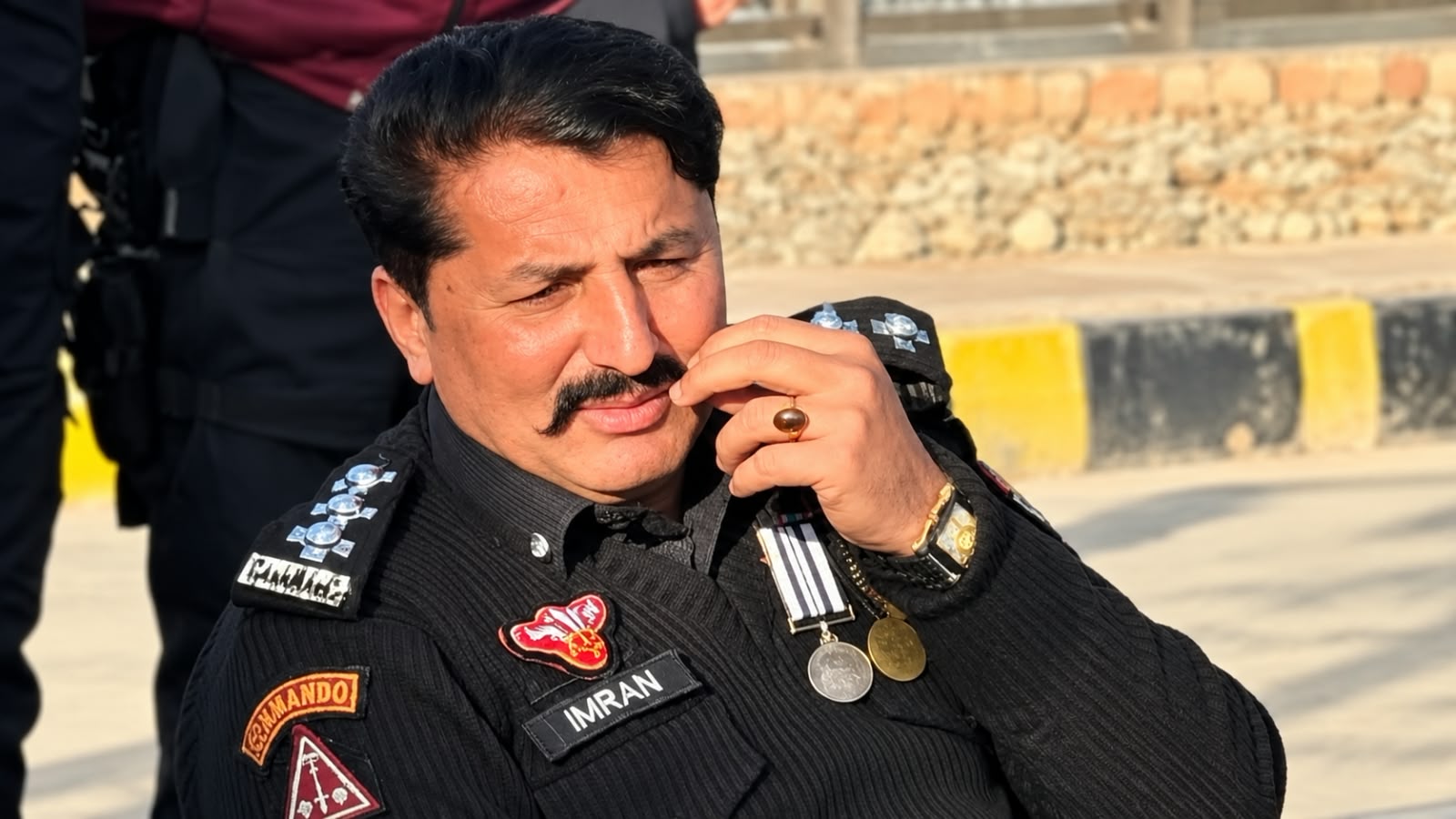
According to police records, 15 transgender individuals were killed across the province in 2025, with Peshawar, Mardan, and Charsadda at the top. Farzana Riaz, president of the Trans Action Alliance, claims that this number has reached 157 over the past decade. She says society has created the perception that transgender individuals are solely responsible for spreading the virus.
“If we are the ones spreading the disease, then why do people come to us to fulfill their desires? Why are they not held accountable? Does the virus exist only in transgender bodies?”
What do the statistics say?
MPhil scholar and human rights activist Jamal, also known as Heer, presents data that challenges this misconception. According to him, out of 9,000 registered HIV patients in Khyber Pakhtunkhwa, only 197 are transgender individuals—less than one percent of the total.
The most affected group is men, followed by women, and then children. So why is all the blame placed on transgender individuals?
Dr. Tariq Hayat Taj, head of the Provincial AIDS Control Program, confirms this. He states that out of 9,749 registered patients, 60% are men and 30% are women. This raises an important question: if cases are so widespread and the number of transgender patients is so small, how is the virus spreading?
The answer lies in hidden causes that society prefers not to discuss. According to Dr. Tariq Hayat, illegal clinics, reuse of contaminated syringes, unsterilized razors at barber shops, and unsafe blood transfusions are the real reasons putting the general population at risk.
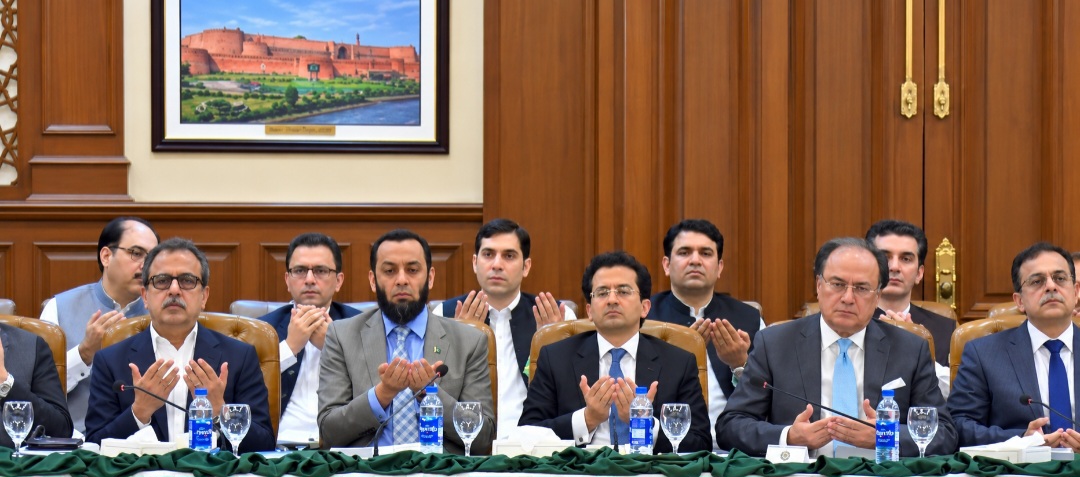
He added that the government has formed special teams to work with the transgender community, visiting their residences. Testing is completely voluntary to protect privacy.
He also clarified that HIV is no longer untreatable. If diagnosed early, patients can receive medications that suppress the virus in the blood, allowing them to live normal lives. Treatment and medicines are provided free by the government, but delays can make recovery difficult.
Fear of stigma and the compulsion to hide illness
This is where social hatred becomes poisonous for society itself. When HIV is linked to morality and character, patients turn it into a dark secret.
Ijaz Khan, who has worked in this field for 20 years, says this stigma prevents people from getting tested.
“If a transgender person finds out they have AIDS, they hide it because they know clients will stop coming, they won’t be invited to dance events, and they may be expelled from their community.”
He narrated an incident where a 33-year-old transgender individual in Peshawar was thrown out of a rehabilitation center simply because they tested positive. Rejected by both family and society, the person died suffering on the roadside.
Farzana shares another example of a transgender individual named Deewani, who was expelled from Iqbal Plaza after her HIV status became known. She was forced to collect garbage to survive and eventually died in that condition.
This social rejection is making HIV more dangerous. When infected individuals are forced to hide instead of seek treatment, the spread of the virus increases significantly.
Hospital behavior: Treatment or further hardship?
Ironically, where these patients need support, hospitals often become another source of suffering.
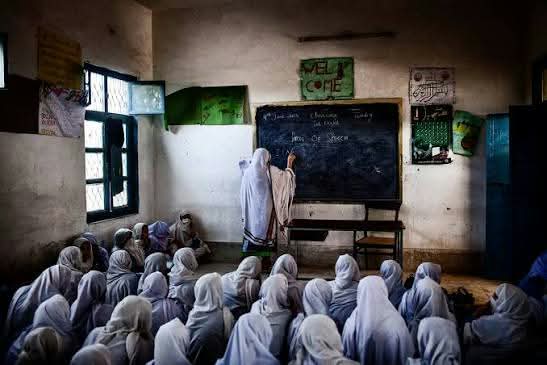
Advocate Ayesha Khurshid says that while Pakistan’s constitution guarantees equal rights, hospitals lack dedicated wards for transgender individuals and proper staff training.
Ijaz Khan recalls a case where a young patient went to the hospital with his father, only to be publicly humiliated by staff who blamed him for his condition.
Due to this lack of confidentiality and humiliating treatment, patients seek medical help only when it is too late.
Although centers exist at Hayatabad Medical Complex and LRH, and treatment is free, patients will not go unless they are assured dignity and privacy.
The need for awareness and systemic reform
The solution to this crisis lies not only in medicine but also in changing mindsets. Farzana demands that instead of outdated stories in textbooks, real issues like HIV should be taught.
Health experts and legal professionals agree that unless HIV is treated as a medical issue rather than a moral one, hospital staff are sensitized, patient confidentiality is ensured, and strict action is taken against illegal practitioners, tragedies like Wara’s will continue.
Wara’s death is not just the loss of a life—it reflects a society where stigma is more dangerous than disease.
In that graveyard in Peshawar, the fresh soil over Wara’s grave still calls out: if we do not stop this hatred, the virus will not remain confined to one group—it will knock on every door.
HIV is treatable, but the cure for social apathy has yet to be found.
.jpeg)
.png)
1.jpeg)

Comments
No comments yet. Be the first 🙂