


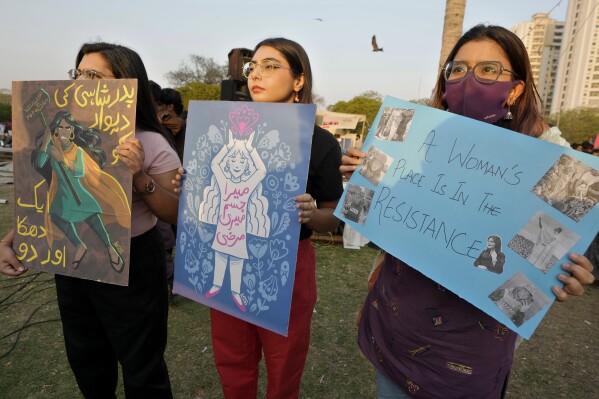
Workplace gender discrimination in Kohat is costing growth, dignity, and equality. Data, stories, laws, and solutions that media, NGOs, and policymakers cannot ignore.
The Silent Emergency in Kohat’s Workplaces
In the bustling markets, schools, hospitals, and offices of Kohat, thousands of women contribute quietly to the economy yet far too many face bias, harassment, and unequal pay. The issue is not invisible. It is structural.
Globally, Pakistan is near the bottom of gender equality: 145th of 146 countries on the World Economic Forum Global Gender Gap Report 2024. Locally, Kohat reflects the same gap magnified.
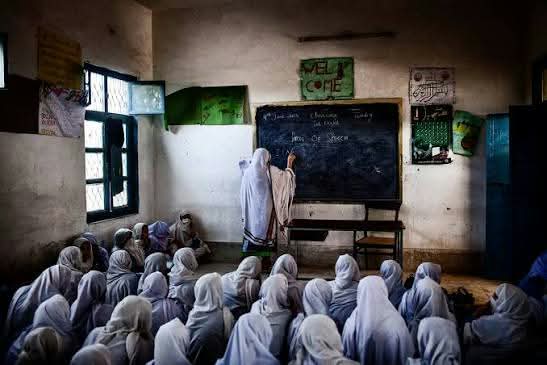
Female literacy in Kohat: 40.3% vs 76.4% male (PBS 2023).
Women’s participation in the workforce: only 21–25% nationally, one-third of men’s.
Pay gap: women earn 25–30% less in formal jobs, up to 40% less in informal sectors.
Harassment
In 2024, 673 harassment cases were resolved by the Federal Ombudsperson (FOSPAH) a sharp reminder that the law exists, but the problem persists.
This isn’t just a women’s issue. It is an economic bottleneck. Every time a woman in Kohat is denied a fair job, the district loses productivity, families lose income, and society loses progress.
How Discrimination Feels on the Ground
Hiring bias: “We don’t take women for field jobs it’s unsafe.”
Pay inequality: Female teachers in Kohat private schools often earn Rs. 7,000–10,000 less than male counterparts for the same workload.
Glass ceilings: Banks and government offices employ women as clerks or assistants but rarely as decision-makers.
Unsafe workplaces: From retail shops in KDA markets to offices in Hangu Road, women report subtle harassment and jokes that push them out of jobs.
A young graduate from Kohat University put it simply:
“I worked harder than my male colleagues, but my salary was lower. When I asked why, they said, you don’t have a family to support. I left within six months.”
This is not an isolated story it is systemic.
The Law Is Clear. Implementation Is Not.
Pakistan has one of the strongest workplace harassment laws in South Asia:
The Protection Against Harassment of Women at the Workplace Act, 2010 (amended 2022).
It requires inquiry committees, clear policies in offices, and sanctions for offenders.
Yet in Kohat, many offices either don’t display the policy or have “committees” only on paper. Without enforcement, the law is a shield women cannot hold.
Why Organisations and Media Must Care
Economic loss
The World Bank estimates closing gender gaps could raise Pakistan’s GDP by 20%+. For Kohat’s industries retail, transport, education this is untapped growth.
Reputation risk
Donors, investors, and international agencies now audit companies and institutions for gender compliance before partnerships.
Human cost
Every woman leaving work due to discrimination is a story of wasted talent exactly the kind of story that media houses like Dawn, BBC, or Al Jazeera amplify.
A Practical Roadmap for Kohat
For Employers:
Safe workplaces: Active anti-harassment committees, visible policy posters, anonymous complaint channels.
Equal pay: Annual pay-gap audits, transparent salary bands.
Workplace facilities: Daycare, lactation rooms, safe transport.
Inclusive hiring: Balanced shortlists, blind CV screening, structured interviews.
For Government & Donors:
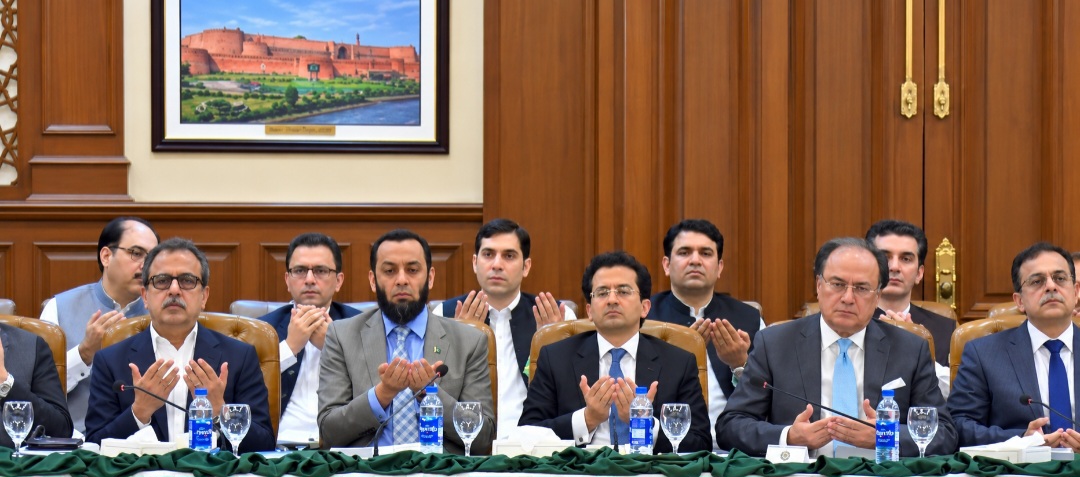
District-level monitoring: Kohat DC office to track compliance with harassment law.
Skills pipeline: Public-private training programs for women in IT, logistics, and health.
FOSPAH outreach: Awareness desks in Kohat markets and industrial estate.
For Media
Highlight both failures (cases of discrimination) and success stories (employers who lead on gender equality).
Frame workplace equity not only as a rights issue but as newsworthy economics the missing driver of local development.
Aligning With Global Agendas:
Kohat’s fight against workplace discrimination directly aligns with:
SDG 5 (Gender Equality): End all forms of workplace discrimination.
SDG 8 (Decent Work & Economic Growth): Boost employment and productivity.
SDG 10 (Reduced Inequalities): Equal pay, fair promotions.
SDG 16 (Justice & Strong Institutions): Functional enforcement through FOSPAH.
The Choice for Kohat :
Will Kohat continue losing half its potential workforce to discrimination, or will it step up as a model of equality in KP?
For employers, the answer means productivity.
For government, it means credibility.
For NGOs and donors, it means real impact.
For media, it means a story that matters.
Kohat’s women are not asking for favors. They are asking for fairness and when fairness arrives, everyone benefits.
The time to act is now.
.jpeg)
.png)
1.jpeg)
Comments
No comments yet. Be the first 🙂