


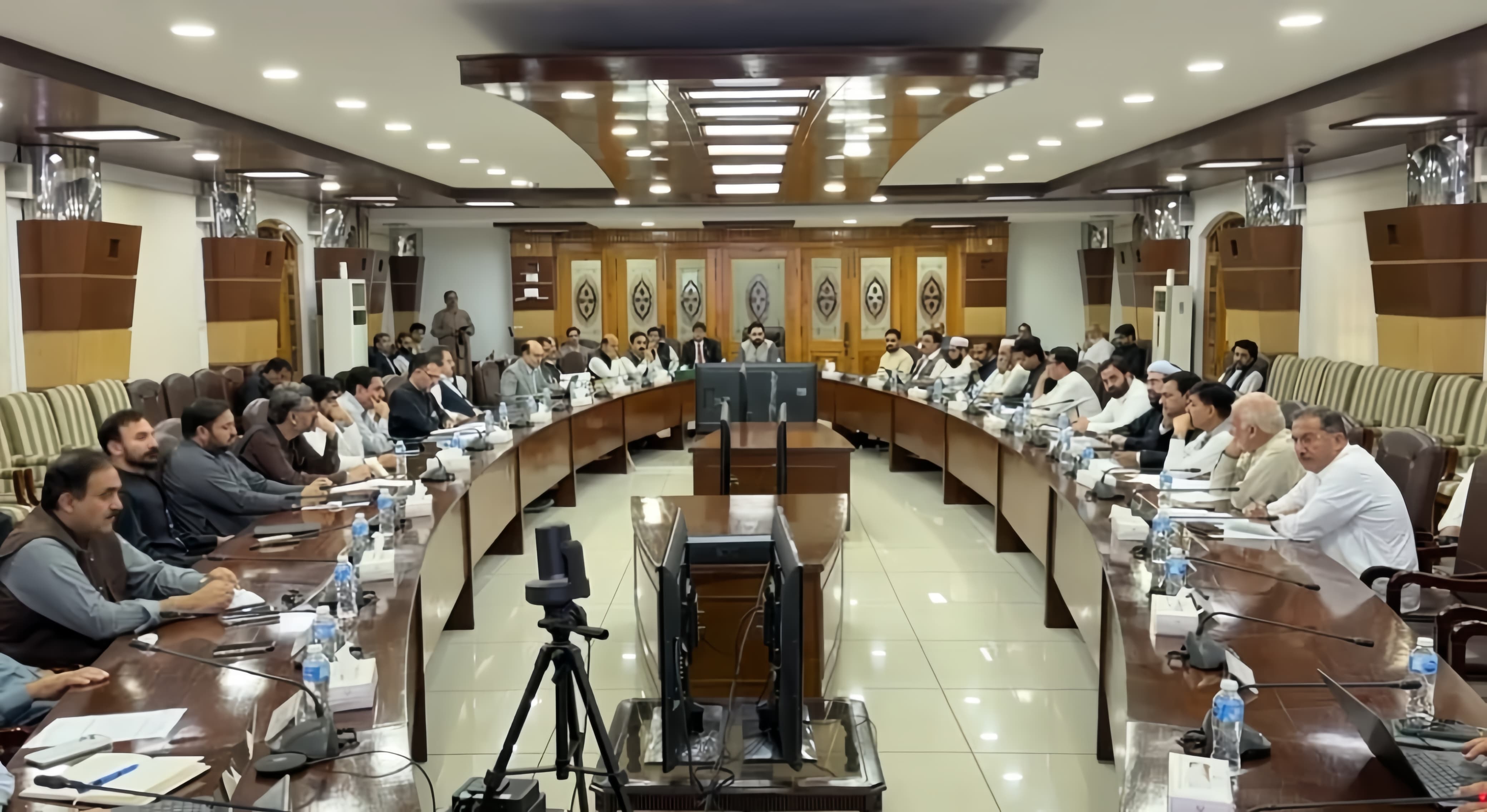
The Khyber Pakhtunkhwa cabinet has approved the KP Health Policy 2026, introducing major reforms aimed at improving public healthcare across the province. Under the new policy, Sehat Card Plus will be expanded to cover outpatient (OPD) services, alongside the establishment of advanced medical facilities, promotion of telemedicine, improved maternal and child healthcare, and comprehensive reforms in the public health system.
According to Provincial Information Minister Shafi Jan, the policy aims to ensure equal access to quality and affordable healthcare for every citizen without discrimination.
The policy includes the establishment of ICUs, CCUs, trauma centres, and burn centres, outsourcing of underperforming public health facilities, measures to address shortages of doctors, nurses, and paramedical staff, and ensuring an uninterrupted supply of medicines and vaccines.
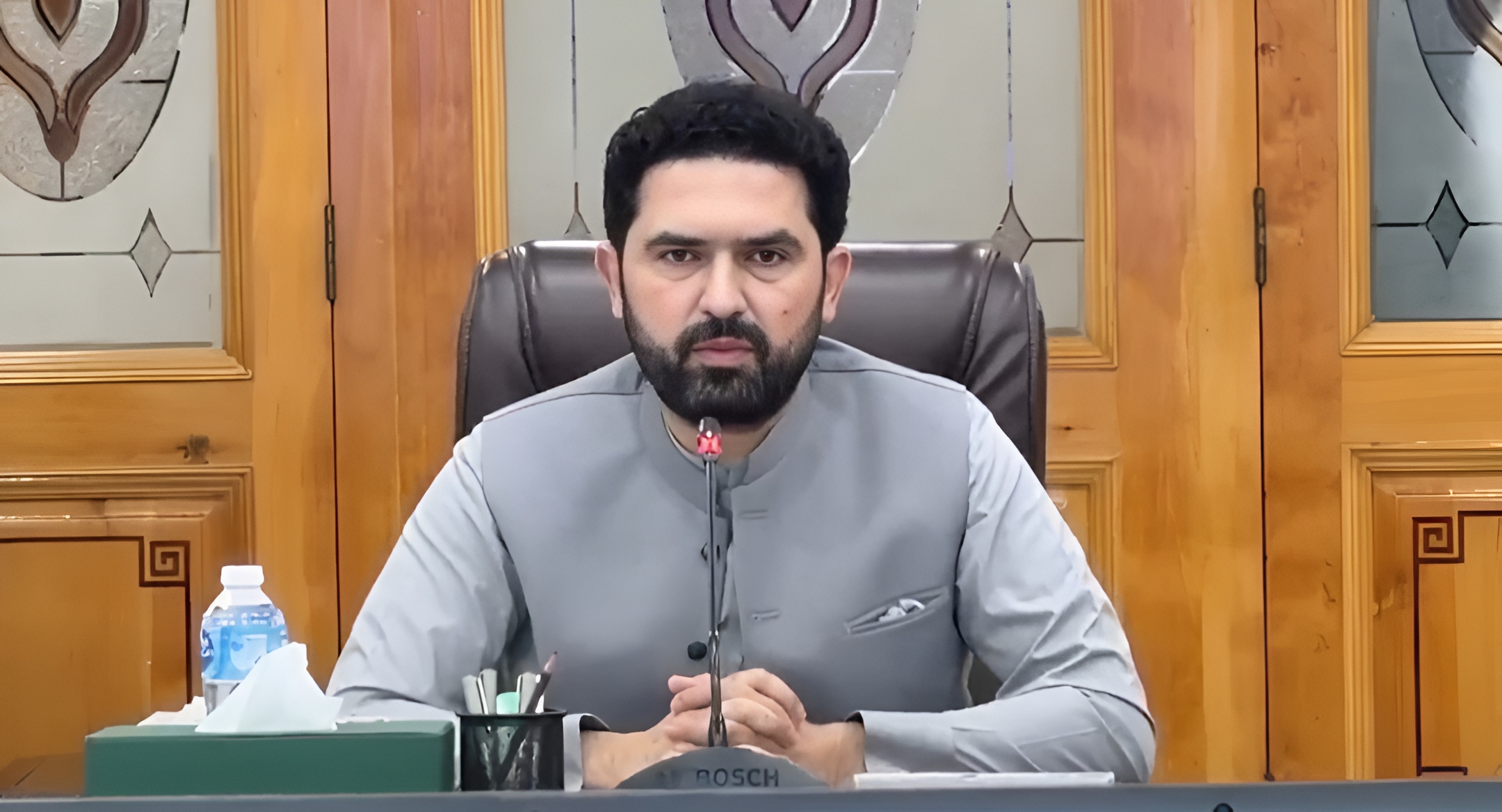
The cabinet meeting, chaired by Chief Minister Sohail Afridi, also approved amendments to the Motor Vehicles Ordinance and Rules 1965 regarding the personal registration number system, the Occupational Safety and Health Rules 2026, the expansion of Safwat Ghayur Shaheed Memorial Hospital in Peshawar, a memorandum of understanding between the Wildlife Department and the International Crane Foundation, and the transfer of land for the establishment of an Excise Police Station at the Jamrud Complex in Khyber district.
Also Read : 'We Will Hunt Them Down': DG ISPR Warns Terrorists After Balochistan Attacks
Shafi Jan said the government will introduce modern technology, digital reporting, and monitoring systems to build a people-friendly healthcare system, while strengthening the Healthcare Commission to improve transparency and oversight.
The policy also focuses on expanding maternal and child healthcare services, promoting telemedicine, introducing geriatric medicine for senior citizens, strengthening disease surveillance, and addressing challenges related to clean water, sanitation, and climate change.
He added that revenue generated through taxes on health-harming products will be spent on promoting healthy lifestyles and public welfare projects. The policy also prioritises reforms in medical teaching institutions and efforts to overcome shortages in the healthcare workforce.
The cabinet also approved the Occupational Safety and Health Rules 2026, making it mandatory for organisations to provide protective equipment and ensure workplace safety. Institutions with more than 50 employees will be required to appoint safety representatives, while those with over 100 employees must appoint dedicated safety officers.
Additionally, the cabinet authorised the Wildlife Department to sign an MoU with the International Crane Foundation to protect crane species and their natural habitats. Approval was also granted for the expansion of Safwat Ghayur Shaheed Memorial Hospital in Peshawar and the transfer of land for an Excise Police Station at the Jamrud Complex in Khyber district.


.jpg)

Comments
No comments yet. Be the first 🙂